
POC Rucksacks
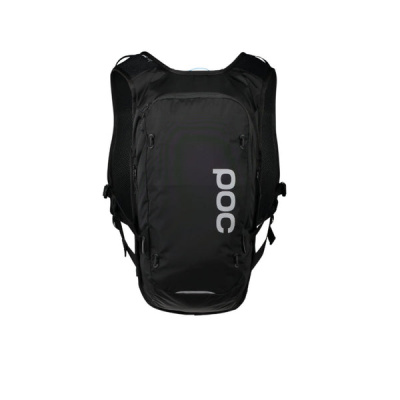
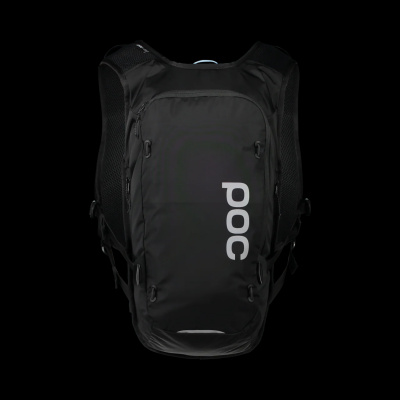
POC cycling rucksacks do something most packs don't - they treat spine protection as standard, not an optional extra. Developed in Sweden with a background in ski racing and professional cycling, POC has spent years working out what happens to a human body in a crash, and that thinking runs straight through their bag range.
The headline piece of kit is the VPD (Visco-Elastic Polymer Dough) back protector, built into the MTB-focused packs. It stays pliable when you're moving but stiffens on impact, absorbing energy before it reaches your spine. Pair that with a 4-point harness system that locks the bag against your back on steep descents, and you've got a pack that genuinely stays put when the trail gets rough.
Fabrics across the range carry a fluorocarbon-free DWR coating - relevant whether you're grinding through a February commute in Manchester or descending a sodden trail in the Brecon Beacons. Reflective detailing on the commuter lines adds low-light visibility without looking like a hi-vis vest. Hydration routing, helmet carry loops, tool organisers - the MTB packs cover the practical bases too. If you want a rucksack that treats safety as infrastructure rather than a feature, POC is a serious place to start.
Prices and availability can change quickly. Delivery charges are not always included in listed prices.
Final price, stock status and delivery terms are set by retailer. We may receive a commission on purchases made.
How the Harness and VPD Protection Actually Work
The 4-point harness system is the detail that separates POC's MTB packs from a generic daypack with straps. Most rucksacks have two shoulder straps and a waist belt - functional on flat ground, but on a steep, rooty descent, the bag rocks sideways and throws your balance. POC's harness adds load-path connections that pin the pack to your torso at four points, keeping the weight centred however the trail pitches. It's the difference between carrying the bag and wearing it.
The VPD back protector works on a straightforward principle: the visco-elastic polymer dough remains soft and flexible at body temperature, so it moves with you on the bike. On impact, it hardens and distributes the force across a wider area, reducing peak energy transfer to your spine. It sits in a dedicated sleeve and, crucially, it's removable - useful for washing the pack or saving a few grams on a mellow day out.
Worth flagging: if back-mounted storage isn't your preference - some riders run hot and find any pack uncomfortable on longer climbs - a POC hip pack or POC frame bag shifts the weight off your back entirely, which is worth considering if sweat is your main gripe rather than protection.
Column VPD vs the Commuter Range - What You're Actually Paying For
POC's rucksack range splits cleanly into two camps, and knowing which one suits you saves a lot of deliberation.
The Column VPD series is the MTB-focused line. These packs are built around the VPD spine protector, a hydration bladder sleeve with hose routing, and enough tool storage to handle a mid-ride mechanical without emptying the entire bag. The 8-litre version is trail and enduro-focused - enough space for a jacket, a tube, tools, and a 2L bladder, without the bag sitting so high it catches the wind on descents. The 13-litre version adds meaningful extra volume for longer days: a full waterproof layer, food, a multi-tool kit, and a 3L hydration system. The step up in price between the two reflects that extra cargo space and, on some versions, enhanced harness padding for all-day comfort.
The commuter-oriented packs trade crash protection for urban practicality. You get a padded laptop sleeve, a more structured main compartment, and stronger reflective detailing for low-light commuting - the kind of thing that makes you visible at a junction in November without looking like you've raided a road worker's wardrobe. The DWR treatment does solid work against UK drizzle, but these packs aren't designed to shrug off a motorway spray-soaking the way the Column VPD series can.
Compared to the EVOC rucksack range, POC's Column VPD packs lean more heavily into the protection angle; EVOC often goes wider on organisation features. CamelBak rucksacks tend to prioritise hydration volume and trail weight, with less emphasis on back protection. And if maximum armour is what you're after, Leatt's pack range is worth a look alongside POC for pure protection credentials. The POC Column VPD sits in a considered middle ground - protection-first, but not at the cost of a usable pack.
Keeping the Pack Going Through a UK Winter
British riding does specific damage to gear. Grit-laden mud from a Peak District winter ride or a Surrey Hills bridleway gets everywhere, and the first thing it destroys is your zipper teeth. A stiff nylon brush run along the zipper track after every muddy ride makes a real difference - don't leave dried grit to grind through the coil. Once the track is clean, a small amount of silicone lubricant (not WD-40, which strips lubricant over time) keeps the zip running smoothly all winter. It takes two minutes and saves you from a failed zip at the worst possible moment.
The fluorocarbon-free DWR coating on POC's fabrics is a sound choice environmentally, but all DWR coatings degrade with use and washing. After a full wet winter, water will start to soak into the face fabric rather than beading off - the pack isn't leaking, but wet fabric adds weight and chills your back. Re-proofing is straightforward: wash the pack with a technical cleaner (Nikwax Tech Wash works well), then apply a spray-on DWR reproofing treatment while the fabric is still damp. Tumble dry on low heat or iron on a low setting through a cloth - the heat reactivates the DWR molecules. Do this once a season and the pack will behave like new.
If you're commuting year-round and the pack is getting daily use in heavy rain, a dedicated rain cover is worth keeping in the lid pocket. POC's DWR handles persistent drizzle confidently, but prolonged exposure to UK downpours - particularly on unsealed seams - will find its limits. Pairing the pack with a good POC waterproof jacket and a solid POC full-face helmet for trail riding rounds out a kit setup that takes the weather seriously. Deuter's rucksack range is another option worth comparing if fully taped seams are a non-negotiable for you - they run some fully sealed commuter packs that go further on waterproofing.
One last point on POC body armour: if you're running a Column VPD pack, pairing it with chest and shoulder protection makes sense on aggressive trail days - the pack covers the spine, but your front stays exposed. Think of it as completing the picture rather than doubling up.
POC Rucksacks FAQs
Are POC cycling backpacks fully waterproof?
Not fully waterproof, no. POC rucksacks use a fluorocarbon-free DWR-treated fabric that handles persistent UK drizzle and heavy showers well, but the seams aren't always fully taped, so prolonged downpours can find their way in. A rain cover over the top sorts it for serious all-weather use.
Can I remove the VPD back protector from my POC rucksack?
Yes - on models like the Column VPD series, the Visco-Elastic Polymer Dough insert pulls out of its dedicated sleeve cleanly. That's handy for washing the pack properly, and it saves you a bit of weight on easier days when protection isn't the priority.
Do POC rucksacks come with a hydration bladder?
The MTB packs are hydration-compatible - internal sleeve, hose port, the lot - but the bladder itself is sold separately. Check the sleeve's maximum capacity before buying a bladder; the 8-litre Column VPD typically takes up to 2L, while the 13-litre version accommodates up to 3L.