
PNW Pedals
PNW Pedals have quietly built a serious reputation among riders who want their feet locked in place when things get slippery - and on UK trails, things get slippery a lot. PNW Components approaches flat pedal design with a rider-first mindset: generous concave platforms, aggressive pin patterns, and bearing systems that don't quietly die after a wet winter. The result is a two-model range that covers both premium alloy and composite construction without cutting corners on what actually matters at the contact point between you and the bike.
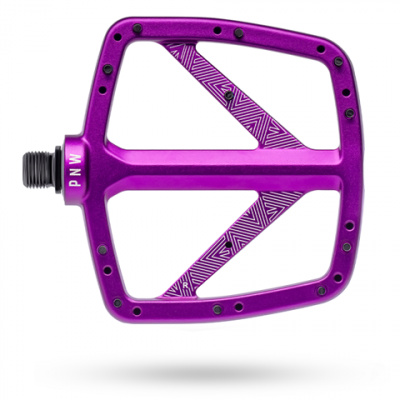
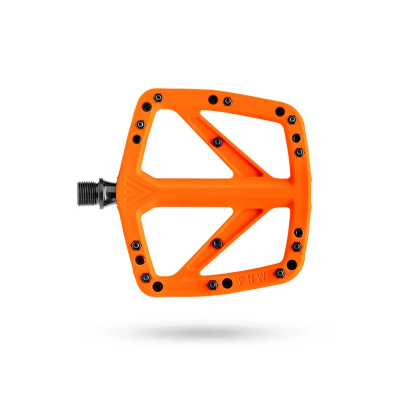
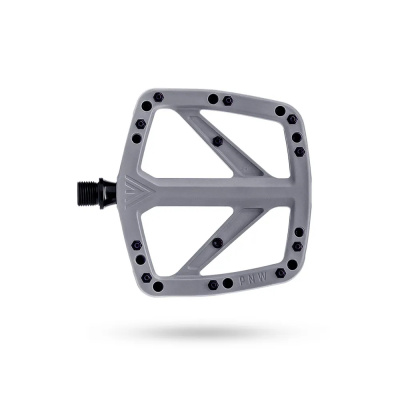
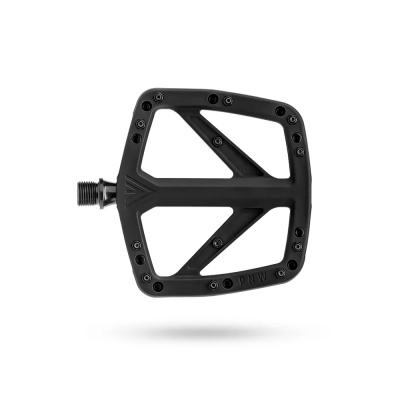
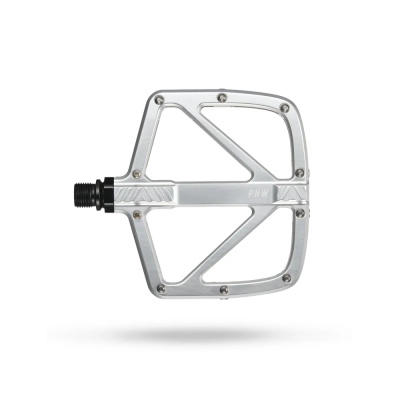
The PNW Loam sits at the top of the range - forged and CNC-machined from 6061 aluminum, with a thin, confidence-inspiring profile and a surface finish that feels planted under a stiff-soled shoe. The PNW Range uses glass-fiber reinforced nylon composite to bring the cost down without sacrificing the platform size or pin count that make these pedals worth your time. Both share the same dual-bearing setup and replaceable steel pins, and both come backed by a lifetime warranty that's genuinely rare in this bracket.
Whether you're threading through wet roots on the South Downs or grinding through gritty Peak District rock gardens, PNW gives you a platform that holds its nerve - and holds your foot.
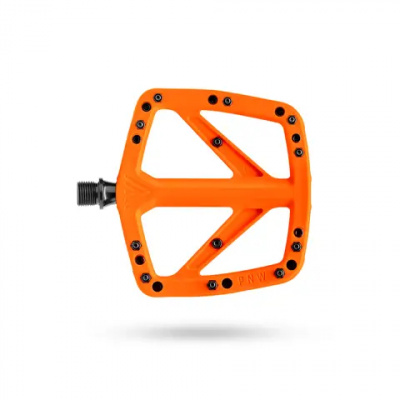
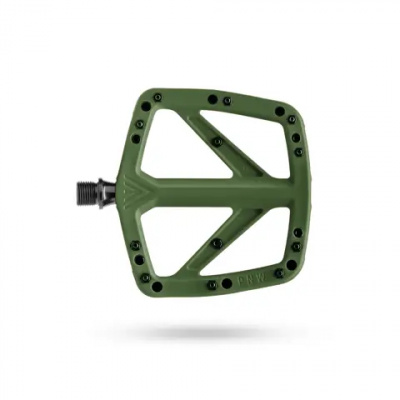
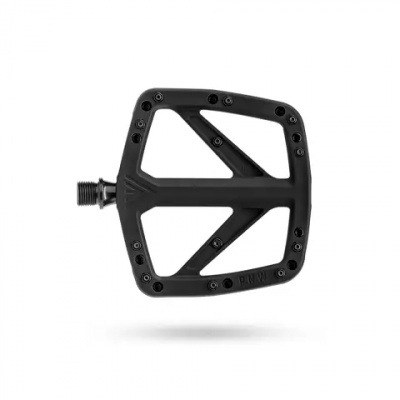
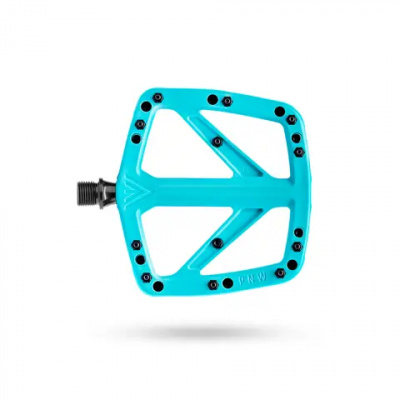
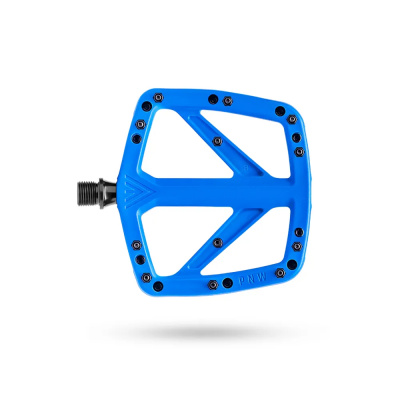
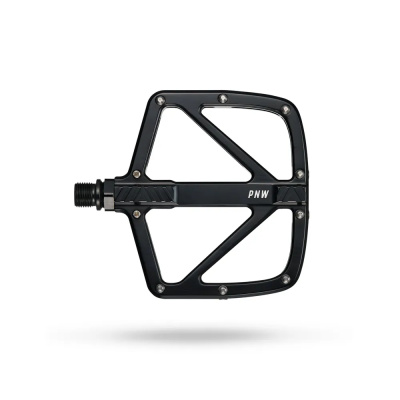
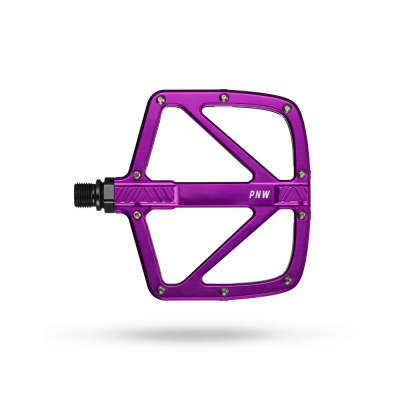
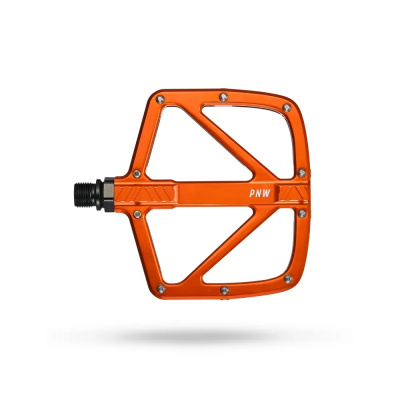
Prices and availability can change quickly. Delivery charges are not always included in listed prices.
Final price, stock status and delivery terms are set by retailer. We may receive a commission on purchases made.
Spindle Standards, Platform Width, and Crank Compatibility
Both PNW pedal models run a standard 9/16" thread spindle, which fits virtually every modern adult mountain bike crank on the market. There's nothing exotic here - you're not hunting down a specific tool or worrying about compatibility. Fit them and forget it, mostly.
That said, there's one thing worth flagging before you start wrenching. The Loam's wide platform sits close to the crank arm, and if your cranks have thick rubber crank boots - common on carbon SRAM or RaceFace units - you may find the pedal body fouls the boot slightly. A pedal washer solves it neatly, but it's the kind of thing that catches people out in the car park on ride day. Worth checking before you leave the house.
On the biomechanics side, the broader platform stance of both models pushes your foot slightly further from the centreline of the bike compared to a narrower pedal. For most riders this is a positive - it gives a more stable, planted feel and makes weight distribution through corners more intuitive. Riders with particularly narrow hips or those coming from a cross-country background may need a short adjustment period, but the platform width quickly earns its place on rowdy descents where foot retention is everything.
Loam vs Range - What You're Actually Choosing Between
The honest answer is that the choice comes down to material and margin, not performance philosophy. Both pedals share the same pin count, the same bearing architecture, and the same concave platform geometry. Where they diverge is construction.
The PNW Loam is forged and CNC-machined from 6061 aluminum. Forging aligns the grain structure of the alloy, which means the finished pedal is denser and more impact-resistant than a cast equivalent. The CNC machining step then refines the profile to a tighter tolerance - you get a thinner, stiffer platform with a tactile surface texture that works well under rubber-soled shoes. This is the pedal you'd choose if longevity and feel are the priority, and you're happy paying for it.
The PNW Range uses glass-fiber reinforced nylon composite. That's not a budget compromise so much as a different engineering call. Composite pedals flex slightly under impact rather than transmitting the full force - useful when you're clipping rocks on a chunky Peak District line. They're also naturally resistant to corrosion in a way alloy never quite is. You do lose a touch of the Loam's precision feel underfoot, and composite platforms tend to wear their pin threads faster over years of use, but for a rider who wants solid grip without spending at the top of the market, the Range is a genuinely strong option.
Both models run 22 replaceable steel pins per pedal - that's 11 per side - with under-mount threading so the pin heads don't snag on rocks or debris. The pin pattern covers the platform well and can be customised by pulling individual pins if you find the grip too aggressive for your shoe sole. Comparable platforms from DMR and Burgtec take a similar approach, though PNW's under-mount design is a cleaner execution on paper.
Need to replace bent pins or refresh your bearings after a heavy season? Head over to our dedicated PNW Pedal Spares page for full rebuild kits and replacement hardware.
If you're building out the contact points on your bike, PNW's own grips and handlebars pair well with either pedal - the brand's design language is consistent across the cockpit.
Surviving a UK Winter: Bearings, Mud, and Maintenance
Here's where the bearing spec actually matters. PNW uses a dual-bearing arrangement: inboard roller bearings paired with outboard sealed cartridge bearings. The roller bearings handle the primary load and spin smoothly under pressure; the sealed cartridge bearing at the outer end takes the lateral forces and keeps water and grit out of the spindle assembly. It's a more robust setup than a single-bearing design, and it's a meaningful spec choice for anyone riding through the kind of wet, gritty conditions that turn cheaper pedals into grinding paste within a season.
The Peak District is particularly brutal in this regard - trail grit mixed with standing water creates a fine slurry that works into any gap you give it. The sealed cartridge bearing at the outboard end is the first line of defence, and PNW's implementation is tight enough that it doesn't need frequent intervention. That said, a rinse after muddy rides and an occasional check of the bearing play costs nothing and adds months to the service interval.
The open platform design on both models helps with mud clearance. Winter slop doesn't pack into the platform the way it does on a pedal with a more enclosed body - it sheds as you pedal, which keeps grip consistent through a long descent rather than degrading as the mud builds up. Worth thinking about if your regular rides involve anything like the kind of wet clay you find on the Surrey Hills in January.
On installation: always apply anti-seize compound or waterproof grease to the 9/16" threads before fitting. It sounds basic, but it's the difference between a five-minute job and a seized spindle six months later. Torque to the manufacturer's specification - around 35Nm is typical - and you won't get the creaking under load that plagues undertightened pedals on rough ground. Left pedal has a left-hand thread; it's marked on the axle, but it catches people out more often than it should.
If you're after a different flavour of flat pedal - perhaps something with a higher pin count or a thinner-profile body - Hope and Deity are worth a look as alternatives. And if you're running a PNW dropper post already, the dropper post range pairs neatly with these pedals for a consistent spec across the bike's key components.
PNW Pedals FAQs
Are PNW Loam pedals fully rebuildable?
Yes. The Loam is designed with long-term serviceability in mind - you can swap the sealed cartridge bearings, roller bearings, and steel pins using standard workshop tools. It's the kind of pedal you buy once and maintain rather than replace, which makes the price easier to justify over time.
What is the difference between PNW Loam and Range pedals?
The Loam is forged and CNC-machined from 6061 aluminum - stiffer, thinner-feeling underfoot, and built for riders who want a premium platform that lasts years. The Range uses glass-fiber reinforced nylon composite: it flexes slightly under rock strikes, resists corrosion naturally, and costs less. Pin count and bearing architecture are the same on both.
How many pins do PNW pedals have?
Both the Loam and Range feature 22 replaceable steel pins per pedal - 11 per side. The under-mount threading keeps the pin heads recessed so they don't catch on rocks. You can remove individual pins to dial back grip if you find the default setup too aggressive for your shoe tread.