
Deity Pedals
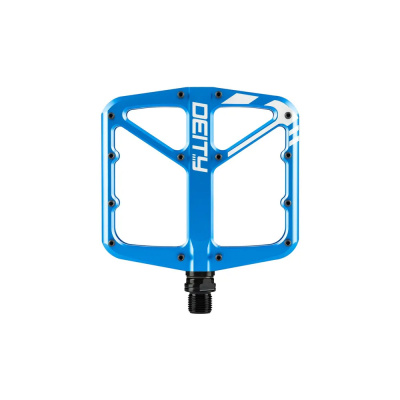
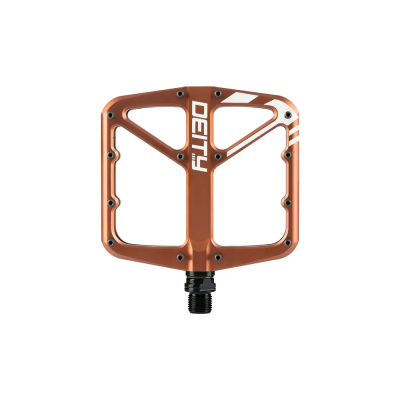
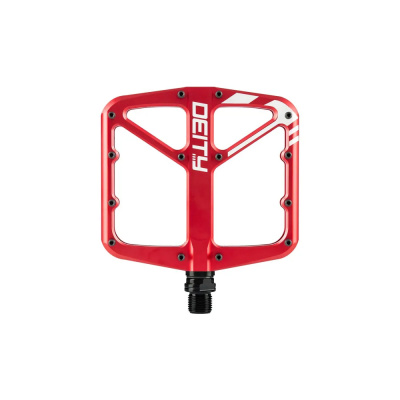
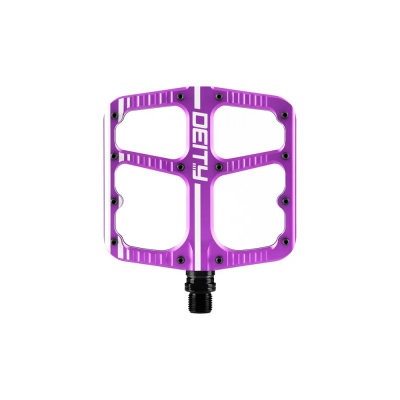
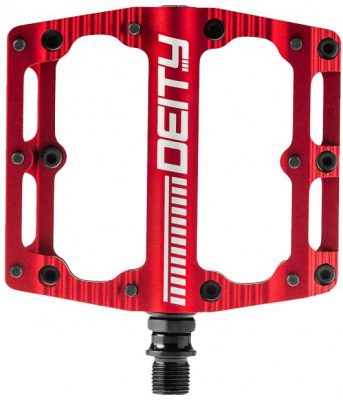
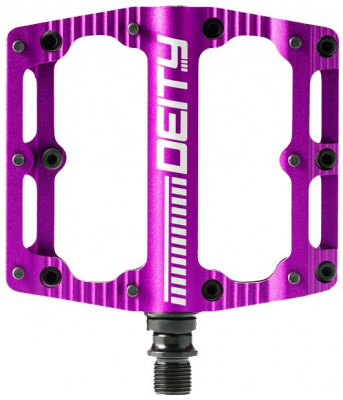
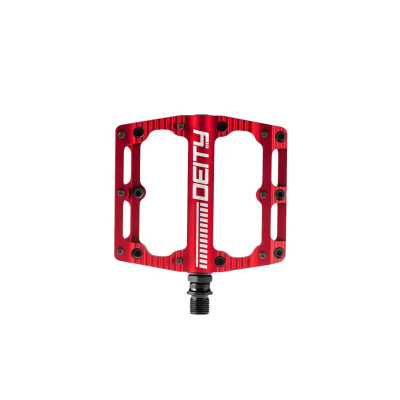
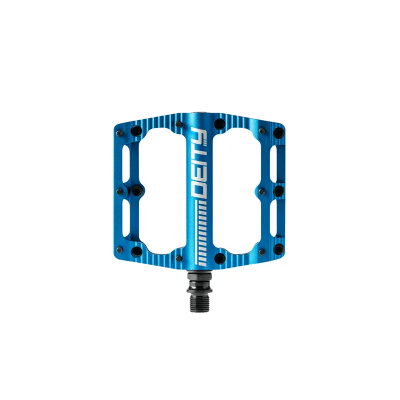
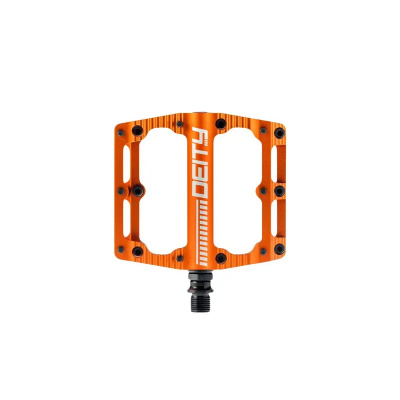
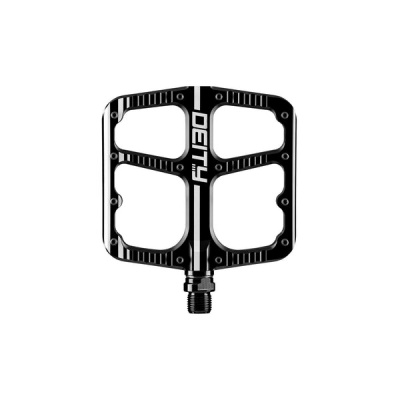
DEITY pedals have become one of the most recognisable names in flat pedal performance, and for good reason. From jump lines to gnarly enduro descents, their signature deep concave profiles and precisely positioned pins create a shoe-to-pedal connection that feels locked in from the first stroke. This isn't accidental geometry - it's deliberate design that rewards both aggressive and technical riding styles.
Where a lot of pedals look the part but fall apart the moment UK mud and grit get involved, DEITY's approach is more considered. Micro sealed bearings work alongside DU bushings to spread load across the spindle, which is the difference between a pedal that survives a Welsh winter and one that develops a worrying wobble by March. The open-body designs help shed mud rather than pack it in, too - useful if you're regularly riding trails that turn into grinding paste after rainfall.
The range covers everything from the premium TMAC to the budget-conscious Deftrap, so there's a sensible entry point whether you're speccing a new build or replacing a battered pair. Fully rebuildable internals across the lineup mean you're buying longevity, not just grip. These are pedals you service, not replace.
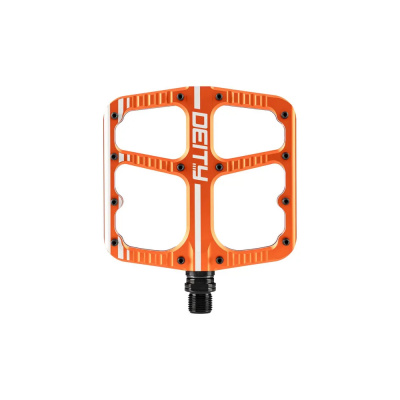
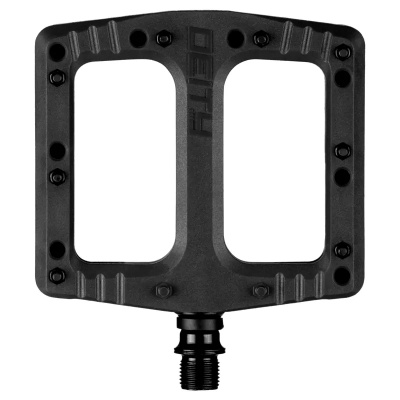
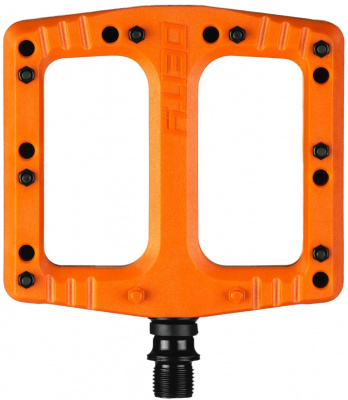
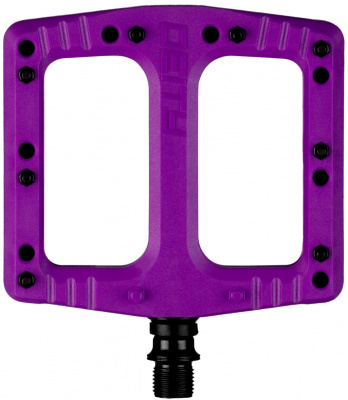
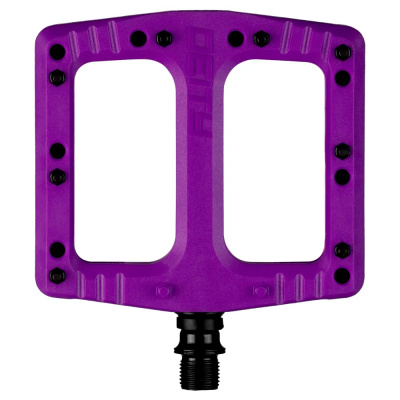
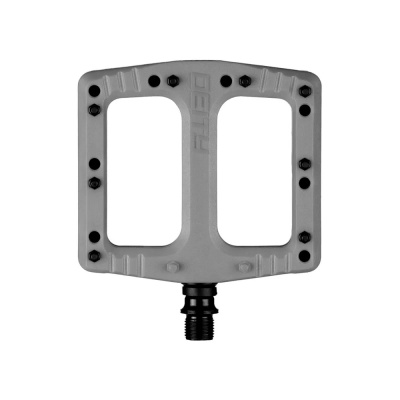
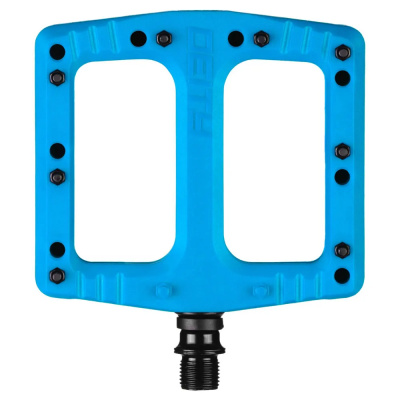
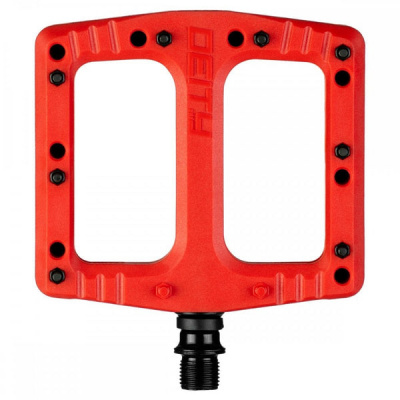
Prices and availability can change quickly. Delivery charges are not always included in listed prices.
Final price, stock status and delivery terms are set by retailer. We may receive a commission on purchases made.
Spindle Standards and What Fits What
Every DEITY pedal runs a standard 9/16-inch chromoly spindle, which covers virtually all modern adult mountain bike cranks, BMX cranks, and e-bike cranks without exception. If you're on a kids' bike with 1/2-inch cranks, that's a different conversation - but for the vast majority of riders shopping here, fitment is a non-issue.
Where it does get worth paying attention to is carbon cranks and crank boots. DEITY includes pedal washers for a reason: under load, the wider platform body can bind against a crank boot or sit flush against a carbon arm in a way that causes damage over time. Always fit those washers. It takes thirty seconds and saves a costly crank repair down the line.
The wider platform designs - particularly the TMAC - do add some Q-factor compared to narrower aftermarket options. For most riders this is imperceptible, but if you're coming from a very narrow pedal setup or have knee tracking sensitivities, it's worth factoring in before you buy. Burgtec pedals offer some narrower platform alternatives if Q-factor is a genuine concern for your fit.
Breaking Down the DEITY Range
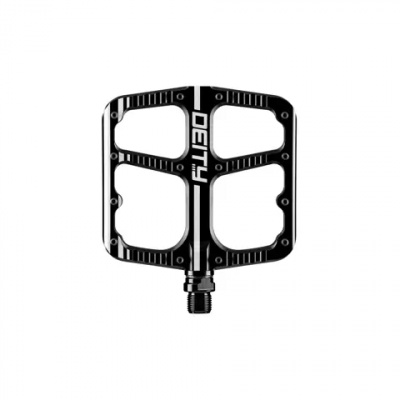
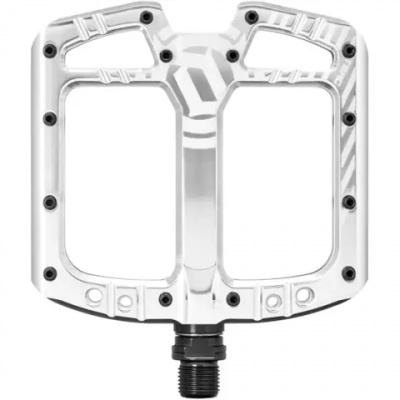
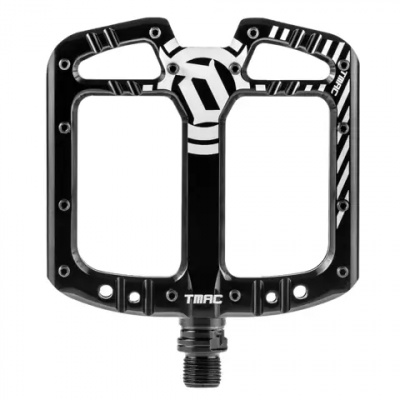
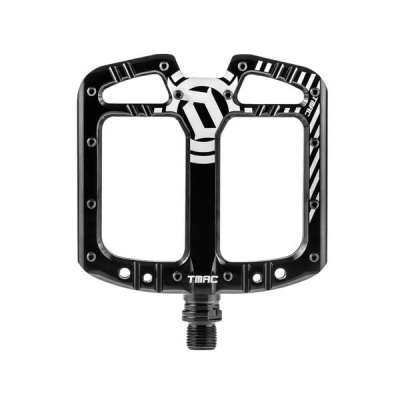
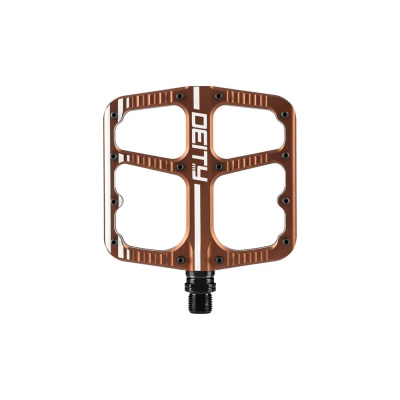
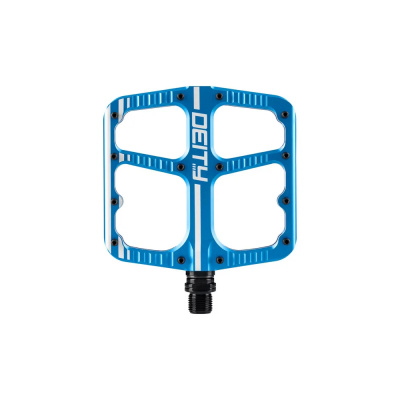
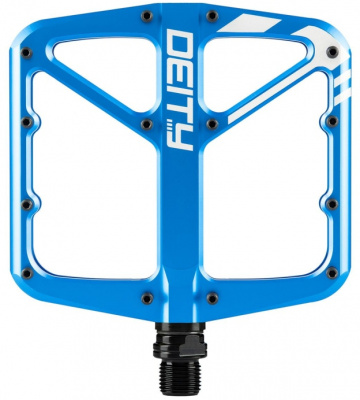
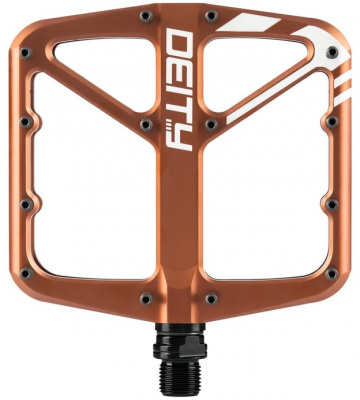
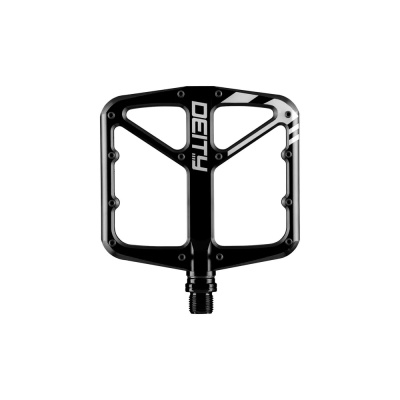
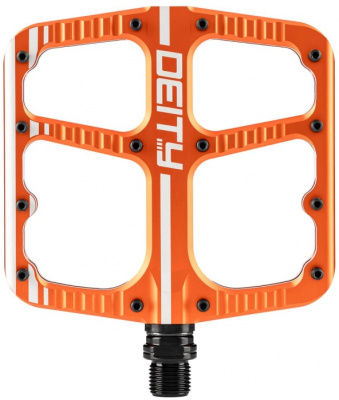
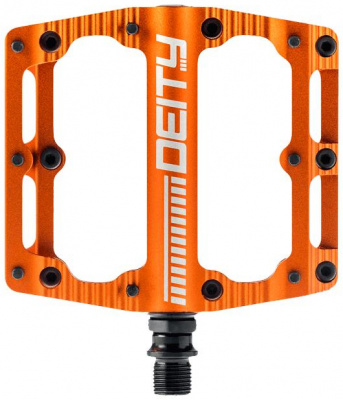
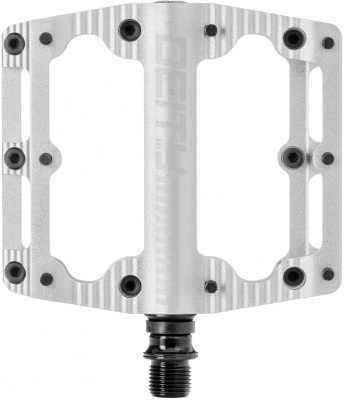
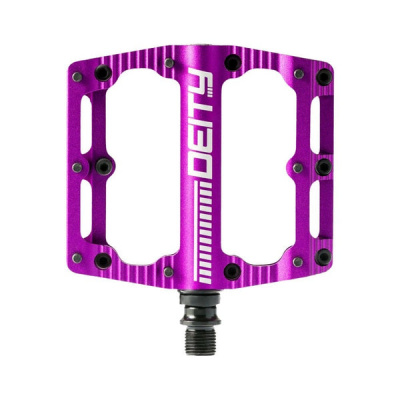
DEITY pedals aren't a one-size-fits-all product, and understanding where each model sits makes the choice much simpler. The TMAC is the flagship - CNC-machined from extruded 6061 T6 aluminium, it has the deepest concave profile in the lineup and the largest footprint. Fourteen pins per side grip through mud, and the concave shape means your foot naturally centres on the platform. It's the pedal DEITY built their reputation on.
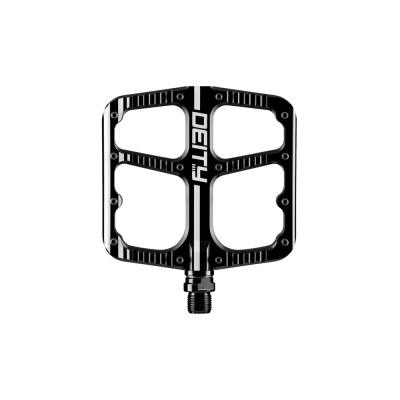
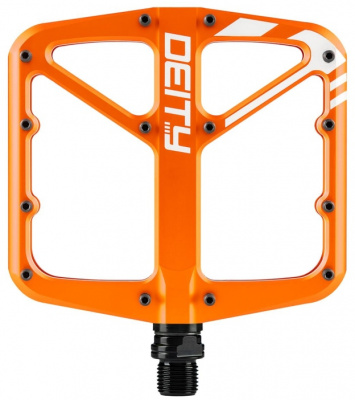
The Bladerunner takes a different approach. Its ultra-thin profile reduces the chances of a rock strike catching the pedal body mid-corner - a genuinely useful characteristic on rooty, rocky trails where you're threading narrow gaps. The trade-off is a slightly less pronounced concave feel compared to the TMAC. Worth it if you ride technical natural trail rather than bike park jump lines.
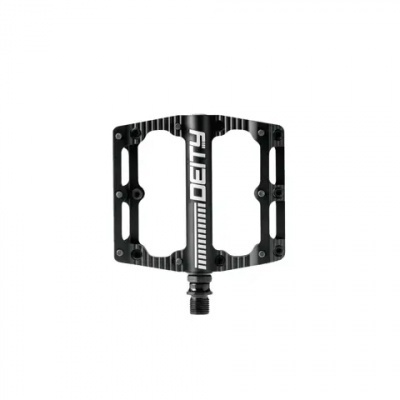
Sitting in the middle is the Black Kat - a solid mid-tier alloy option that doesn't compromise significantly on platform size but comes in at a more approachable price than the TMAC. Good all-rounder. If you want a workhorse pedal that won't embarrass itself on anything from enduro to trail riding, this is where we'd point most buyers first.
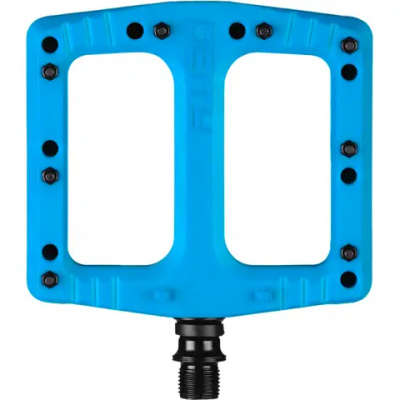
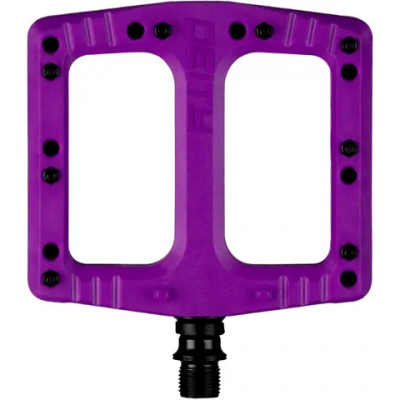
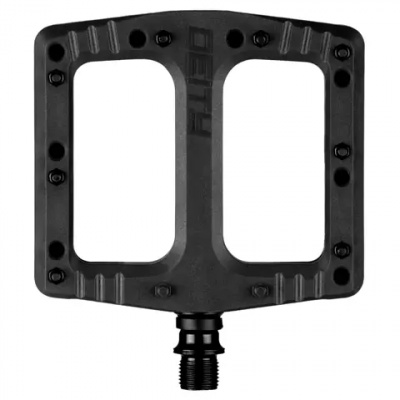
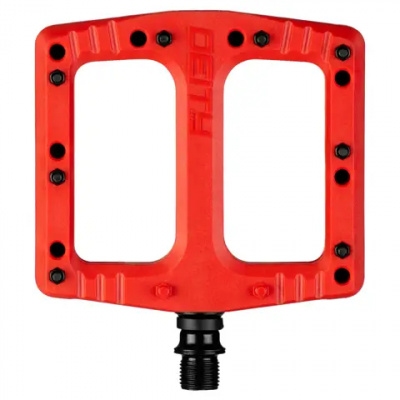
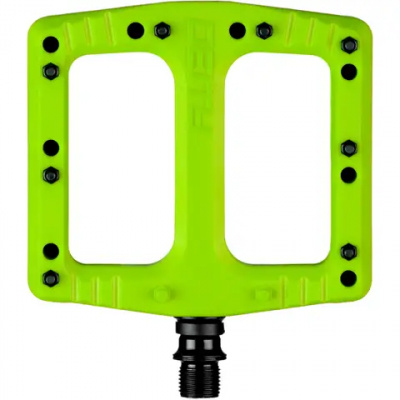
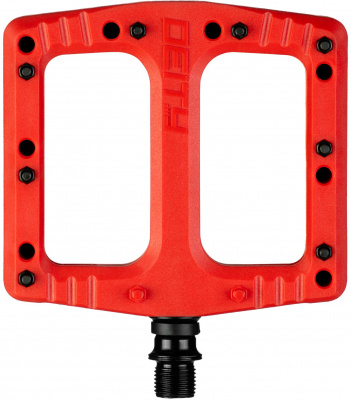
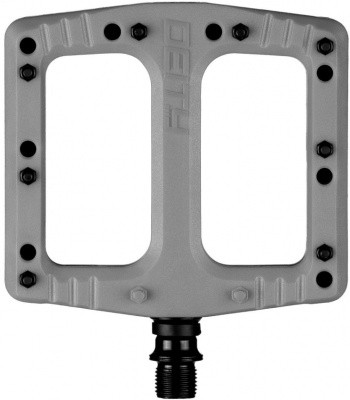
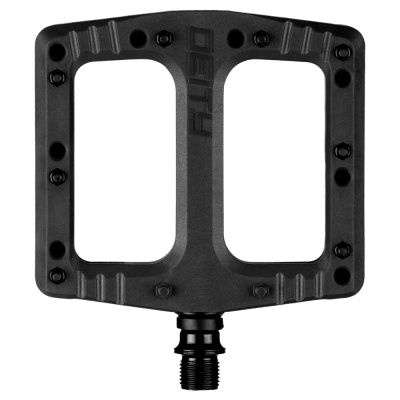
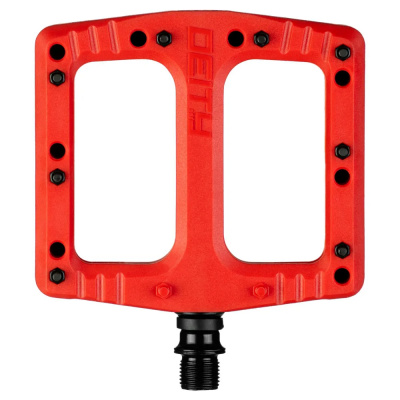
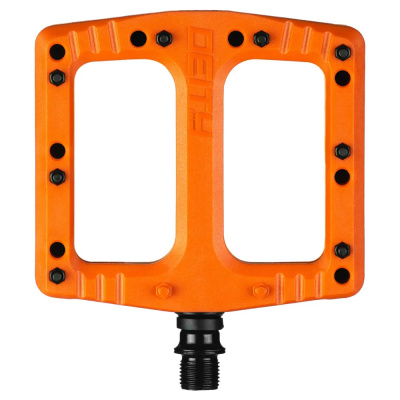
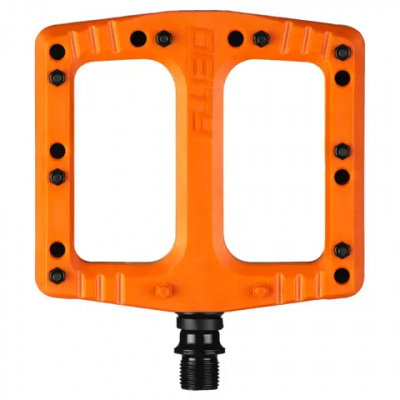
Then there's the Deftrap. Built from an injection-moulded nylon glass fibre composite rather than aluminium, it borrows the TMAC's footprint and concave geometry but costs considerably less. The nylon body is more forgiving on rock strikes - it dents rather than gouges - and the grip feel is genuinely close to the alloy options. For riders who go through pedals regularly, or anyone building up a capable bike on a tighter budget, the Deftrap deserves serious consideration rather than being written off as an entry-level afterthought. Compare with DMR pedals in the nylon composite category if you want to see how it stacks up against well-regarded alternatives.
Keeping DEITY Pedals Running Through UK Winters
UK riding is hard on bearings. Peak District grit in particular acts like grinding paste - it works into poorly sealed systems and destroys them from the inside. DEITY's load distribution system, combining micro sealed bearings with DU bushings along the spindle, is specifically configured to handle this. The sealed bearings keep contamination out, while the DU bushings absorb the lateral loads that come from hard cornering and repeated impacts. It's a proven combination that you'll also find referenced in reviews of Hope pedals, another brand that takes bearing longevity seriously.
Mud shedding is the other side of the equation. DEITY's open-body construction lets mud and water clear rather than packing in around the axle - a small detail that matters when you're riding Welsh trail centres in November and the ground hasn't dried out since October. Wet roots require maximum pin engagement, and a pedal body clogged with mud undermines all of that pin traction work.
On servicing: DEITY pedals are fully rebuildable, which is the detail that separates a long-term investment from a disposable component. A gritty, rough-feeling bearing doesn't mean a dead pedal - it means a service interval. DEITY pedals rebuild kits are available separately and include replacement sealed bearings, DU bushings, and spindle components. A bench service once a season - or after an extended muddy period - is all it typically takes to restore that fresh-out-of-the-box smoothness. If you're riding through winter regularly, keep a kit on the shelf. You'll use it.
For riders who want to compare serviceability across brands, Nukeproof pedals and Crank Brothers pedals both offer rebuild options, though the DEITY system is consistently rated as straightforward by mechanics for its accessible internals and sensible parts availability.
Deity Pedals FAQs
Are DEITY pedals fully rebuildable?
Yes. All DEITY pedals have fully serviceable internals, and rebuild kits are available separately. Each kit includes replacement sealed bearings, DU bushings, and spindle components. A rough-feeling bearing is a maintenance job, not a reason to buy new pedals - which is exactly the point of the design.
What is the difference between the DEITY TMAC and Deftrap pedals?
The TMAC is CNC-machined from 6061 T6 aluminium with the deepest concave profile in the range and 14 pins per side - it's the premium option. The Deftrap uses an injection-moulded nylon glass fibre composite body, shares a similar footprint and concave geometry, but costs significantly less. The grip feel is closer than you'd expect for the price difference.
Will DEITY pedals fit my mountain bike cranks?
Almost certainly, yes. DEITY pedals use a standard 9/16-inch chromoly spindle that fits all modern adult MTB, BMX, and e-bike cranks. If you're running carbon cranks or crank boots, fit the included pedal washers - skipping them risks the pedal body binding against the crank arm under load.