
PNW Dropper Posts
PNW dropper posts have earned a genuinely solid reputation among UK riders, not through marketing noise but through seasons of wet roots, Welsh grit, and Scottish mud proving the concept works. Where many dropper posts rely on complex hydraulic internals that can turn sluggish in freezing temperatures or demand expensive workshop rebuilds after a winter of hard riding, PNW takes a different approach: replaceable sealed air cartridges and cable actuation. The result is a post that keeps returning crisply when others are sulking in the cold, and that you or your mechanic can service without a hydraulics course.
The range covers most modern seat tube diameters - 30.9mm, 31.6mm, and 34.9mm - with models spanning trail, enduro, gravel, and hardtail use. One feature worth flagging early: tool-less travel adjustment lets you dial the drop to your frame without reaching for a workshop manual. Practical, that.
This page covers dropper posts only. If you're after PNW's levers, head to our PNW Dropper Levers page. For cartridges, brass keys, or collar rebuild kits, our Seatpost Spares section has you covered.

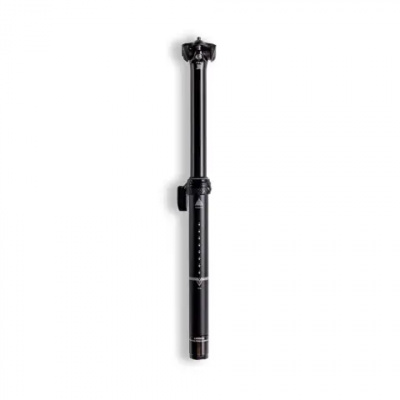
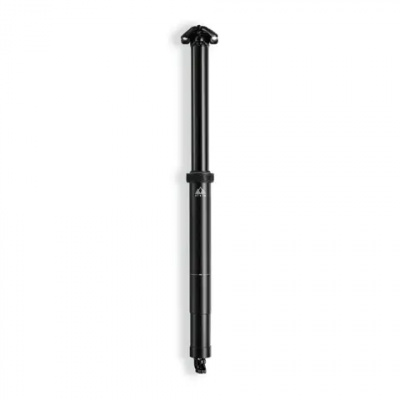
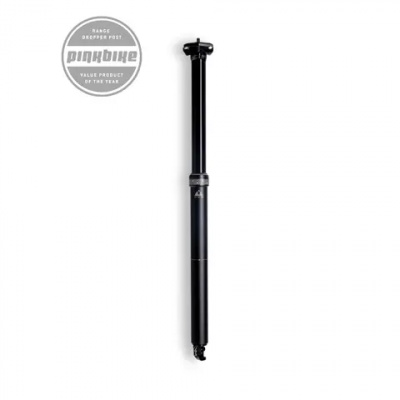
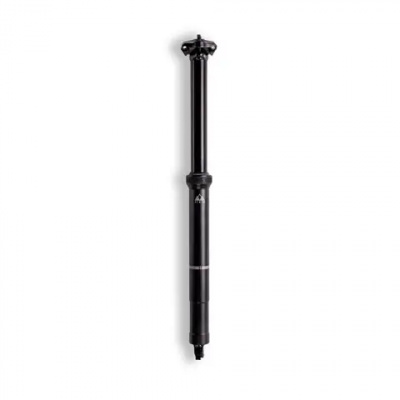
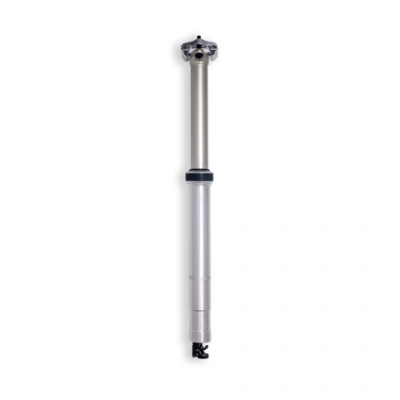
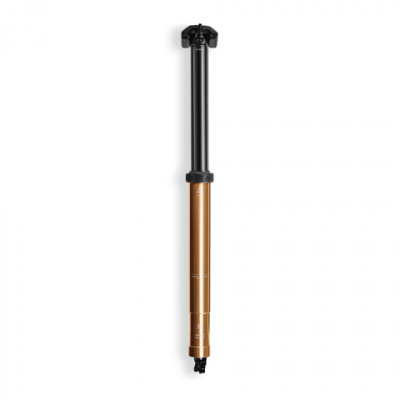
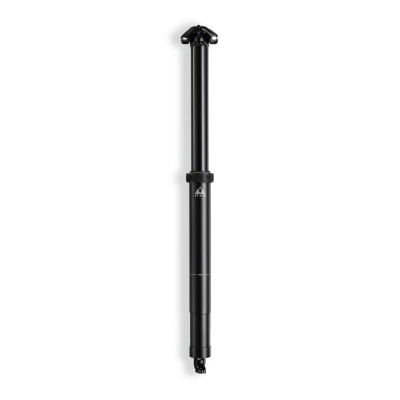
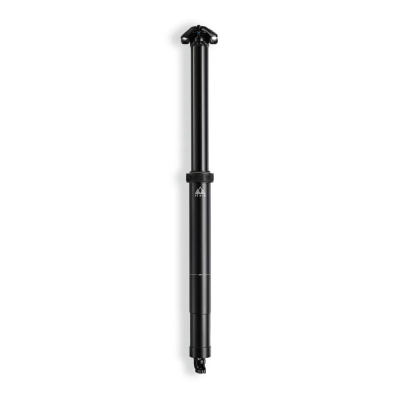
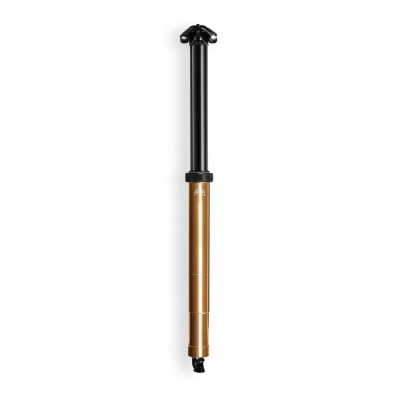
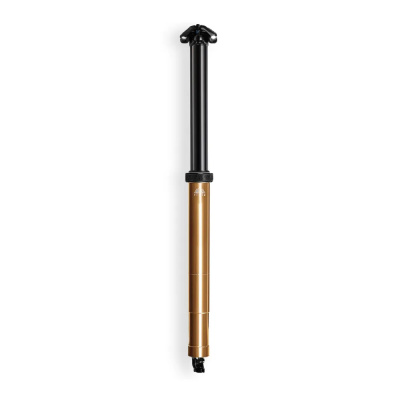
Prices and availability can change quickly. Delivery charges are not always included in listed prices.
Final price, stock status and delivery terms are set by retailer. We may receive a commission on purchases made.
Getting the Fit Right: Diameters, Stack Height, and Routing
Before you pick a model, get the measurements sorted - it saves a miserable return trip. The first number you need is your frame's seat tube internal diameter. PNW posts come in 27.2mm, 30.9mm, 31.6mm, and 34.9mm, and those sizes are not interchangeable. Check your frame spec sheet or, if in doubt, pull the existing post and measure the tube opening directly.
The second measurement is maximum insertion depth. This is where riders get caught out. On full-suspension bikes, suspension pivots or water bottle bosses can limit how far the post can drop into the frame. PNW publish stack height data for each model and travel option - cross-reference that against your frame's available insertion depth before you buy. A 200mm travel post is no use if your frame only allows 160mm of insertion.
Routing matters too. Nearly all PNW dropper posts use internal routing, so your frame needs an internal cable port. The Pine is the exception - designed for 27.2mm seat tubes on gravel bikes and older hardtails, it can run externally routed. If you're pairing a PNW post with a non-PNW lever, check the actuator pull ratio. PNW's own Loam and Puget levers are matched to their posts, but many third-party levers work fine - just confirm the cable pull spec first.
The Model Lineup: What Each Post Actually Does
PNW make four distinct dropper post models, and understanding where each sits saves you overspending or underbying.
The Loam is the flagship. It uses a machined alloy stanchion with ultra-low friction SKF seals, which keep the action smooth even after months of Peak District grime. The air cartridge is adjustable - you can tune return speed to suit your riding style, faster for aggressive enduro laps, more measured for trail riding where a snappy return catches you off guard. Crucially, the Loam has the shortest insertion depth of the range, making it the go-to for shorter frames or bikes with awkward internal geometry. It's the lightest option too, though the weight saving over the Rainier is modest rather than dramatic.
The Rainier is the workhorse. It runs a fixed-pressure sealed air cartridge - no return speed adjustment, but the cartridge is the same replaceable unit that makes PNW's serviceability story so compelling. Slightly longer insertion depth than the Loam, so check your frame clearance. The price difference between Rainier and Loam is real, and for most trail riders who aren't obsessing over return speed tuning, the Rainier does everything needed. Think of the extra cost of the Loam as paying for adjustability and a marginal weight reduction.
The Pine is specifically for 27.2mm seat tubes - gravel bikes, steel hardtails, older XC frames. Options in this diameter are thin on the ground generally, so the Pine fills a genuine gap. Travel options are more conservative, reflecting the frames it typically goes into.
The Coast is PNW's suspension dropper, a different beast aimed at riders wanting travel adjustment combined with suspension compliance. Worth knowing it exists, but it's a niche choice for most UK trail riders.
If you're weighing up alternatives, OneUp dropper posts offer a similarly mechanic-friendly cartridge system, while RockShox droppers go heavier on hydraulics if that's your preference. Fox droppers sit at the premium end with a different serviceability model.
Surviving a UK Winter: Mud, Grit, and Keeping Things Moving
Here's what actually matters for riding in Britain from October through March: grit gets everywhere, liquid mud is relentless, and cold mornings make poorly designed posts feel like they're returning through treacle. PNW's cable-actuated, sealed cartridge system sidesteps the worst of this. Hydraulic-actuated posts can slow their return in freezing temperatures; cable actuation keeps the trigger action consistent regardless of what the weather's doing.
The SKF seals on the Loam stanchion are genuinely low-friction and hold up well against the kind of fine grit you get on South Downs chalk or Gritstone trail centres. That said, no dropper is entirely maintenance-free. Keep the stanchion wiped down after muddy rides - a quick clean before you load the bike back in the van takes thirty seconds and extends seal life noticeably. Periodically, unscrew the mid-cap collar and work a small amount of appropriate grease into the main wiper seal. It's a five-minute job that keeps the action feeling fresh.
When the cartridge does eventually give up - and after seasons of hard riding, it will - you simply swap in a new one. No hydraulic bleeding, no sending the post away. That's a meaningful saving compared to a full hydraulic rebuild on competing posts, and it's something you can do in the garage rather than booking a workshop slot. Check cable tension every few months too; a dropper that feels like it's not fully extending is often just a slack cable rather than a mechanical failure.
To complete your cockpit while you're at it, PNW's grips and handlebars are worth a look - they design the whole contact-point setup to work together, which shows in how the lever position and grip feel integrate on the bike.
PNW Dropper Posts FAQs
How do you adjust the travel on a PNW dropper post?
PNW's tool-less travel adjustment lets you reduce drop by up to 25mm in 5mm increments. Unscrew the mid-cap collar, rotate the internal travel-adjust bushing to your chosen setting, then rethread the collar. No tools, no workshop booking - you can do it in the car park if your frame needs a shorter drop than the post's maximum.
What is the difference between the PNW Loam and Rainier?
The Loam is PNW's premium post: lighter machined alloy construction, an adjustable air cartridge so you can tune return speed, and a shorter insertion depth that suits tighter frames. The Rainier runs a fixed-pressure sealed cartridge - no return speed adjustment, slightly longer insertion, and a lower price. For most trail riders, the Rainier does the job; the Loam is for those who want fine-tuning and a weight reduction.
How do I know what size PNW dropper post to buy?
Start with your frame's seat tube internal diameter - most modern trail and enduro bikes take 30.9mm, 31.6mm, or 34.9mm. Then measure your frame's maximum insertion depth and compare it against PNW's published stack height for the travel option you're considering. Suspension pivots and bottle bosses can limit insertion on full-suspension frames, so don't skip that check.