
Oxford Saddles
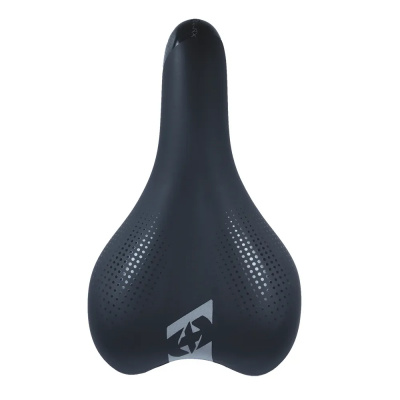
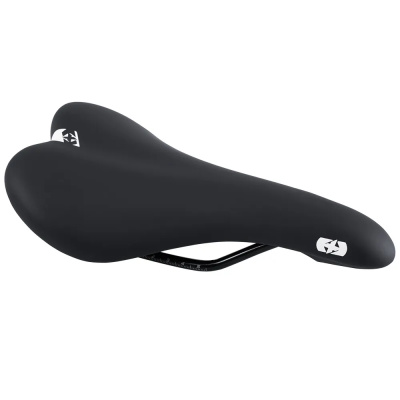
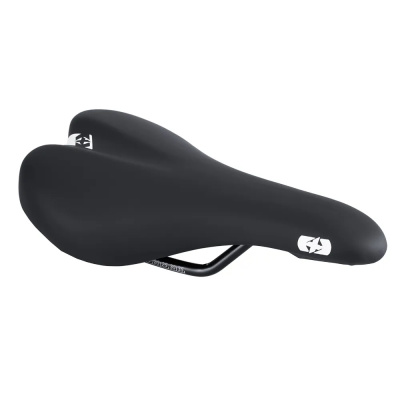
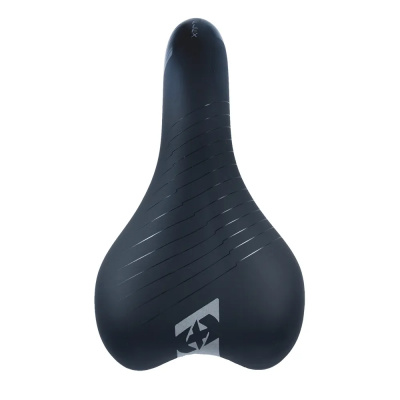
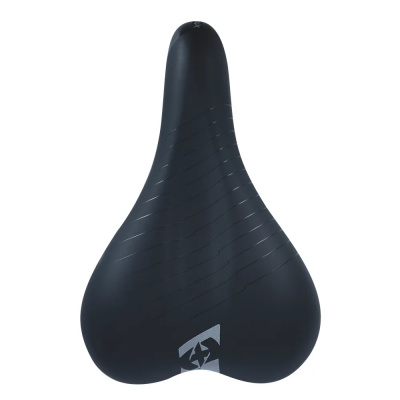
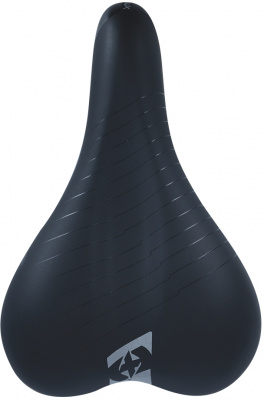
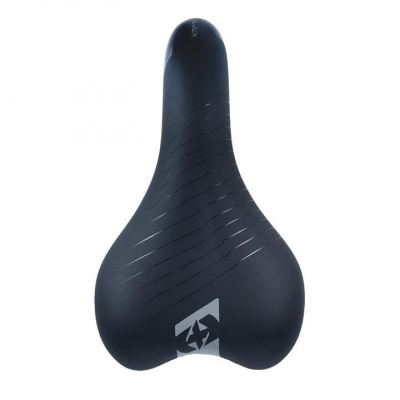
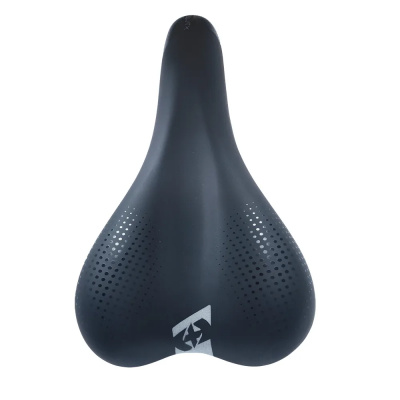
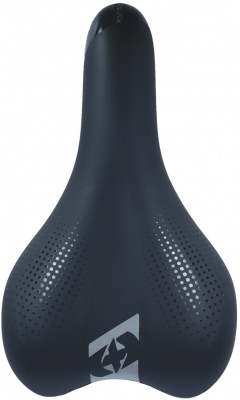
Oxford bike saddles have quietly become one of the most sensible upgrades for everyday UK riders - decent ergonomics, proper weather resistance, and none of the eye-watering price tags you'll find on boutique competition gear. The range covers everything from wide, elastomer-sprung commuter seats to slimmer gel-padded options for hybrids, so there's genuinely something here whether you're grinding through city traffic or pottering along a canal towpath on a Sunday morning.
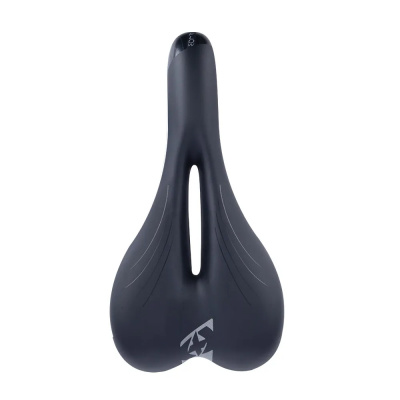
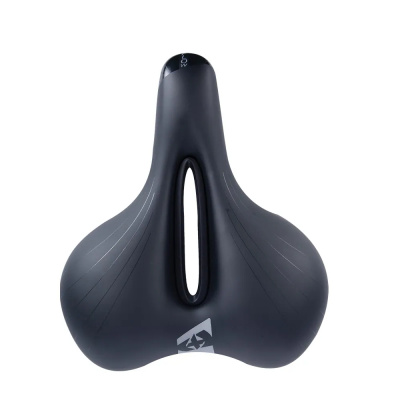
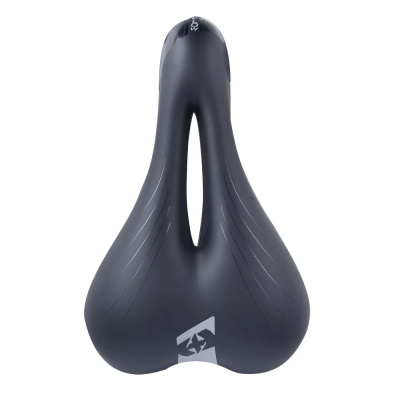
What sets Oxford apart at this end of the market is a focus on practical comfort over marginal performance gains. The vacuum-sealed waterproof covers mean the foam underneath stays dry rather than soaking up British drizzle like a sponge. Anatomical Zone cutouts take the edge off perineal pressure on longer rides. And the integrated elastomer shock absorbers on their commuter models do a decent job of cushioning the sort of pothole impacts that make a rigid saddle feel like a punishment. Standard 7mm saddle rails across almost the entire range keep fitting straightforward. If you're after a no-fuss replacement saddle or a meaningful comfort upgrade, Oxford is a logical place to start.
Prices and availability can change quickly. Delivery charges are not always included in listed prices.
Final price, stock status and delivery terms are set by retailer. We may receive a commission on purchases made.
Fitting Your Oxford Saddle: Rails, Clamps, and Getting It Right
Almost every Oxford bike saddle in the current range runs on standard 7mm round steel or chromoly rails, which means they'll drop straight onto any modern micro-adjust seatpost without any faff. Two-bolt micro-adjust clamps are the norm on hybrids, commuters, and leisure bikes - loosen, slide, set your angle, done. If you're running an older bike with a plain 'candle' style seat pillar, the kind with no angle adjustment at all, you'll need to either reuse your existing saddle clamp mechanism or swap the pillar for something more current. Worth checking before you order.
Saddle width matters more than most people realise. Your sit bones carry most of your weight, and a saddle that's too narrow for your riding position leaves them unsupported. As a rough guide: the more upright you sit, the wider the saddle you need. Riders on Dutch bikes or sit-up-and-beg commuters tend to suit something in the 160 - 175mm range, while forward-leaning hybrid riders often find narrower profiles more comfortable over distance. Oxford's range spans both, so matching the shape to your position makes a bigger difference than chasing extra padding.
Looking to protect your new seat from the rain or carry your spares? Check out our dedicated Oxford saddle bags page, and our Oxford mudguards page - both worth pairing with any new saddle.
Gel vs. Memory Foam: Which Oxford Saddle Actually Suits You
Oxford's range splits broadly into two camps, and the difference between them is mechanical, not just marketing. Gel padding displaces under pressure - it moves away from your sit bones and redistributes load across a wider area. That makes it genuinely good on shorter, bumpier rides where you need immediate comfort. The Oxford Contour and Web saddles sit here: reasonably firm base, gel layer up top, tidy profiles that work well on commutes and leisure bikes alike.
Memory foam works differently. It compresses slowly and contours to your specific sit bone width and shape, which means it takes a ride or two to properly bed in but then feels more personalised. The Oxford Plush range uses multi-density memory foam and gel layering systems - the gel handles the initial impact, the memory foam layer below holds your weight in place during sustained pedalling. For longer rides or heavier riders, that combination tends to feel more supportive over time than gel alone.
Both options benefit from Oxford's Zone anatomical cutouts - a central channel or hollow section that removes direct pressure on soft tissue. It's not unique to Oxford, but the execution is solid and it makes a noticeable difference for both male and female riders on anything beyond a 20-minute ride. If you've previously found saddles uncomfortable over longer distances, a Zone-cut model is the first thing worth trying before assuming you need something more exotic.
Worth knowing: if you want to compare how Oxford's approach stacks up against other brands at a similar price point, Madison saddles and Fabric saddles both occupy similar territory. For riders willing to spend more for anatomical precision, Ergon saddles offer sit-bone-specific sizing. And if longevity over comfort is the priority, Brooks saddles remain the benchmark for traditional leather construction.
UK Durability: Keeping Your Oxford Saddle in Shape Through Winter
The vacuum-sealed waterproof covers on Oxford saddles are doing proper work here. Conventional stitched covers let water in through the needle holes - slowly, but enough to saturate the foam underneath over a wet British winter. Oxford's sealed construction blocks that ingress, so the padding stays its intended weight and shape rather than turning into something resembling a wet flannel. That's a genuine practical advantage for any rider who commutes or rides through October to March without a second thought.
The underside is a different story. The rails and seatpost clamp are directly exposed to rear-wheel spray, and UK road grit - particularly the salt-laden muck from December onwards - works its way into the clamp contact points over weeks of riding. That's where the creaking comes from. It's not the saddle failing; it's metal-on-metal friction with grit acting as an abrasive. Fix it properly: pull the saddle off, clean the rails and clamp faces with a rag and a bit of degreaser, then apply a light smear of anti-seize compound or lithium grease to the contact points before reassembling. Re-torque the bolts to whatever the seatpost manufacturer specifies - usually 4 - 8Nm for alloy clamps. Do this once at the start of winter and again mid-season and you'll hear nothing.
Pairing your Oxford saddle with a set of mudguards cuts down on the spray reaching the rails in the first place, which extends the service interval considerably. On a daily commuter in a city like Manchester or Edinburgh, full-length guards aren't optional - they're just sense. The integrated elastomer shock absorbers on the Plush-range commuter saddles also take some of the lateral stress out of pothole impacts, which reduces micro-movement in the clamp over time. Small detail, but it adds up across a winter of urban riding.
Oxford Saddles FAQs
Are Oxford bike saddles a universal fit?
Nearly all Oxford saddles use standard 7mm round rails, so they'll fit any modern micro-adjust seatpost without issue. If your bike has an older plain seat pillar with no angle adjustment, you'll need to reuse your original clamp mechanism or swap the pillar. Check your seatpost clamp style before ordering.
How do I stop my saddle rails from creaking?
Creaking almost always comes from road grit getting between the rails and the clamp - a common issue on UK roads in winter. Remove the saddle, clean the rails and clamp faces thoroughly, apply a light smear of lithium grease or anti-seize to the contact points, then re-torque the clamp bolts to the seatpost manufacturer's spec.
Which Oxford saddle is best for upright riding?
Go for the Oxford Plush range. The wider profile supports your sit bones properly when your weight shifts back in an upright position, and the elastomer springs help absorb road buzz that a rigid saddle transfers directly to your spine. Thicker padding also suits slower-paced riding where you're not generating much forward momentum.