
Madison Saddles
Madison saddles have quietly become one of the most trusted contact points in UK cycling - and if you've ridden a club run, a winter commute, or a muddy trail centre lately, chances are someone in your group was sitting on one. The range is broader than most riders realise, covering everything from aggressive trail geometry to upright city comfort, and the value-to-quality ratio is genuinely hard to argue with at this end of the market.
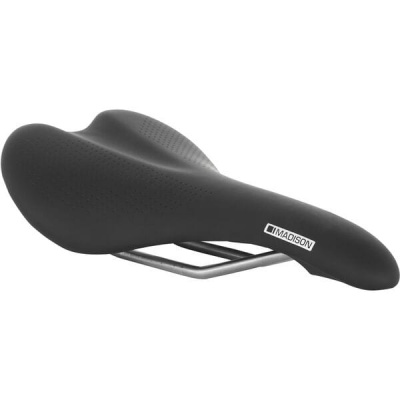
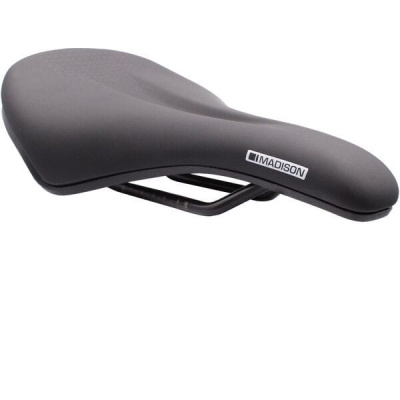
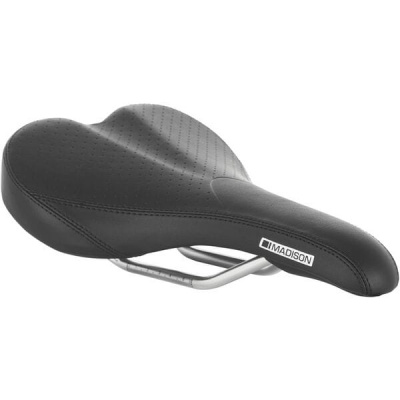
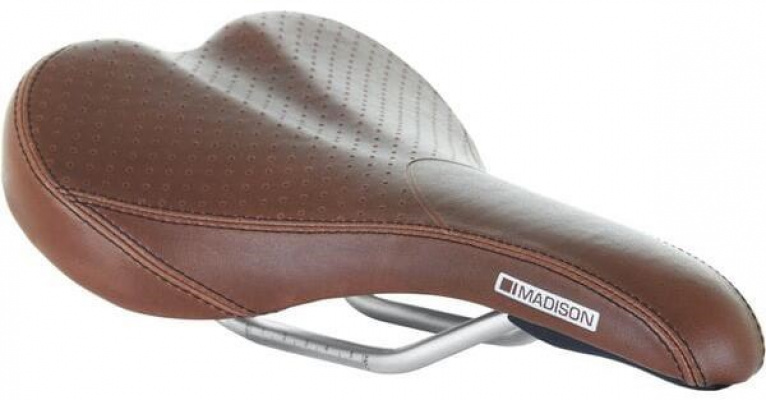
What makes Madison bike seats stand out isn't a single headline feature - it's the consistency. Robust Cr-Mo rails that work with virtually any standard seatpost, synthetic covers that don't soak up rain like a sponge, and foam profiles tuned for real sit-bone support rather than just feeling plush in a shop. The Flux in particular has built a serious reputation as a go-to for MTB and gravel riders who want pressure relief without the weight penalty of a gel-heavy design.
Whether you're trying to sort out numb hands on a long road ride (often a saddle fit issue), planning a commuter upgrade, or just tired of replacing a budget seat every season, Madison's range covers the bases. We've broken down the key models, compatibility details, and how to keep your saddle creak-free through a British winter below.
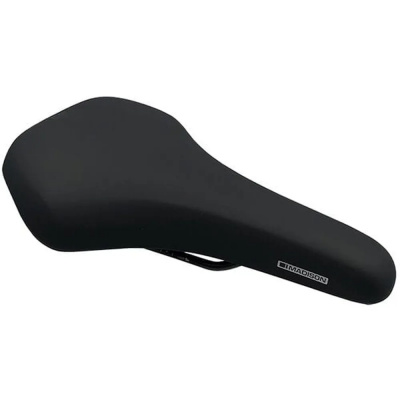
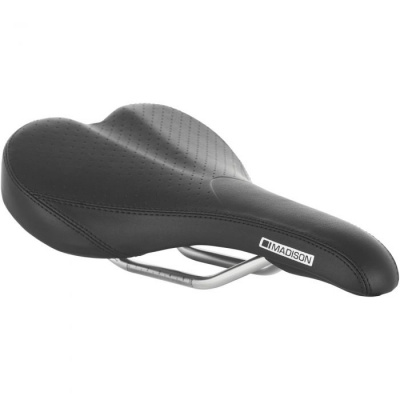
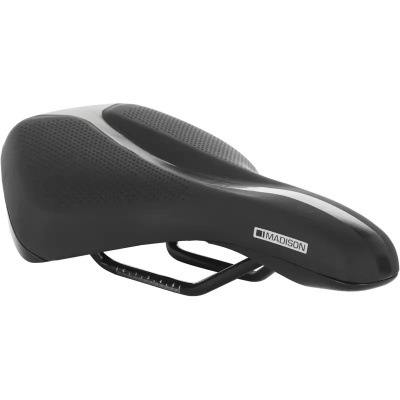
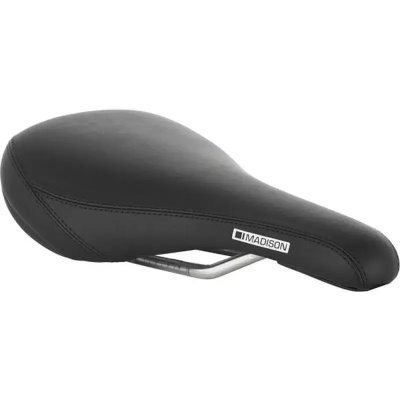
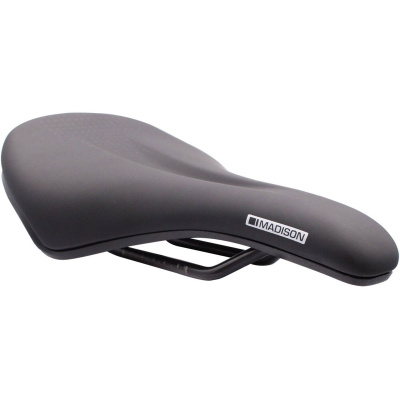
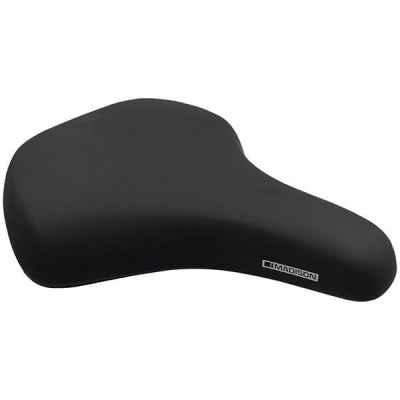
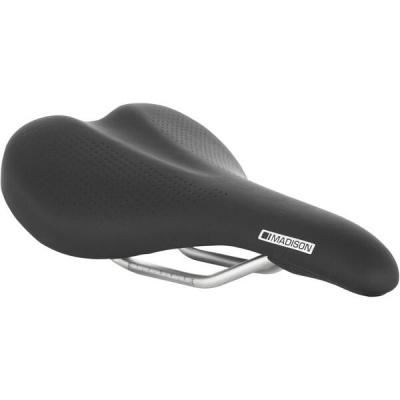
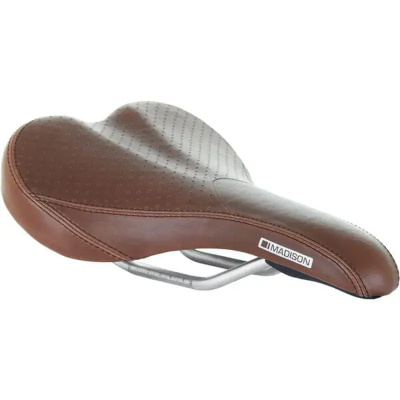
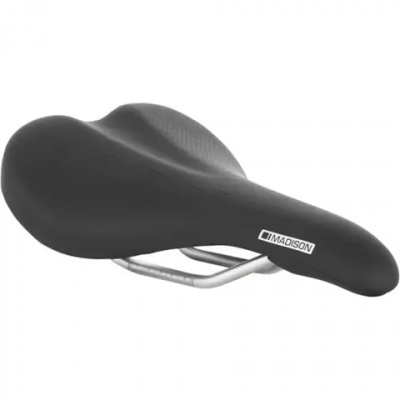
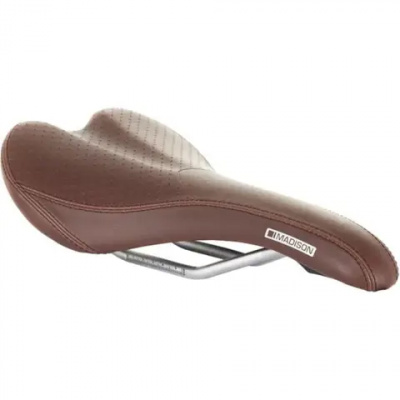
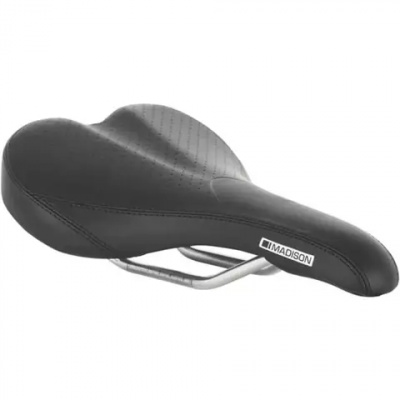
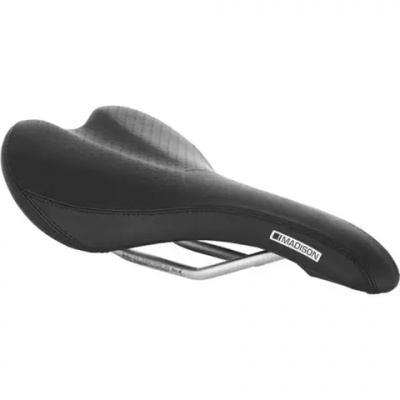
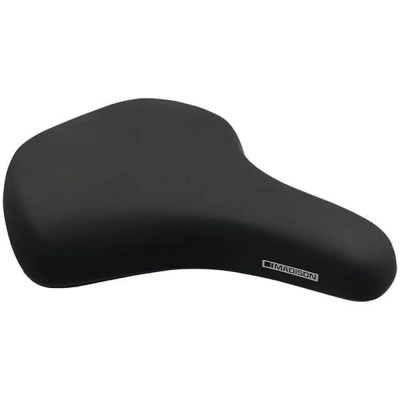
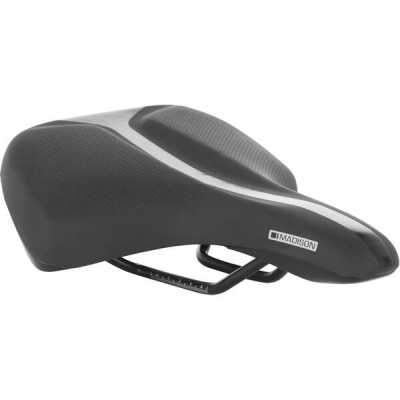
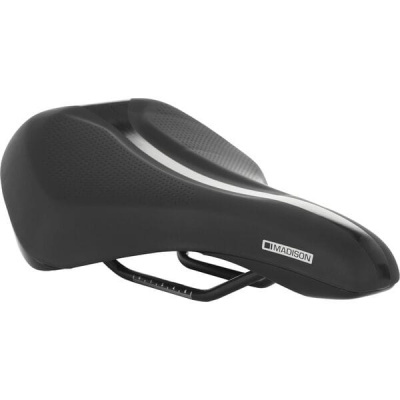
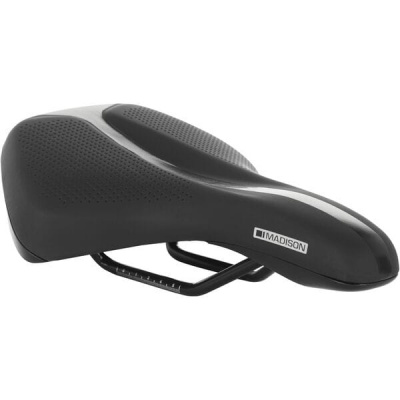
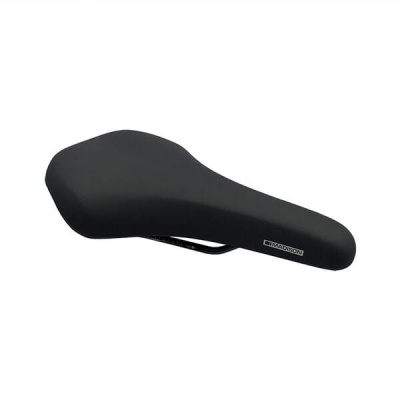
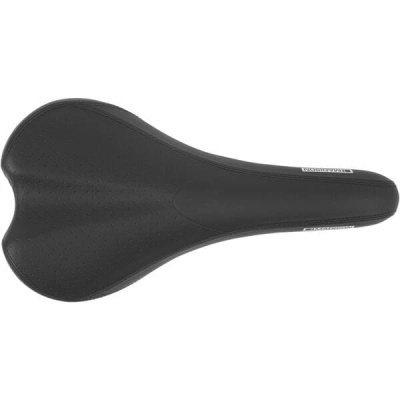
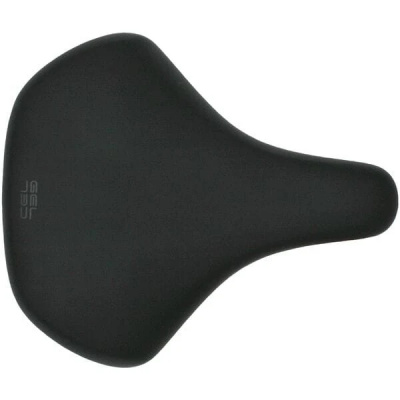
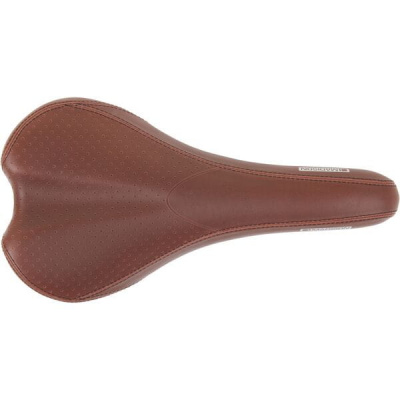
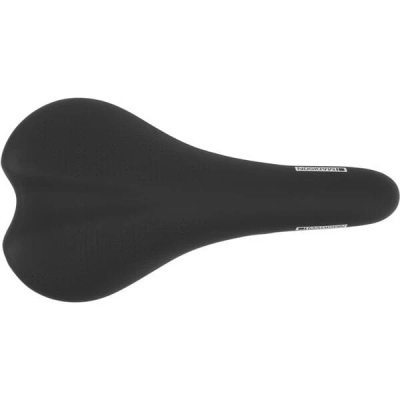
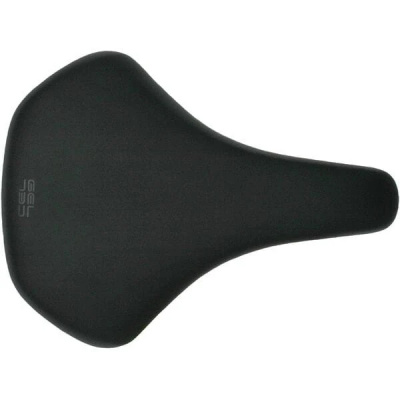
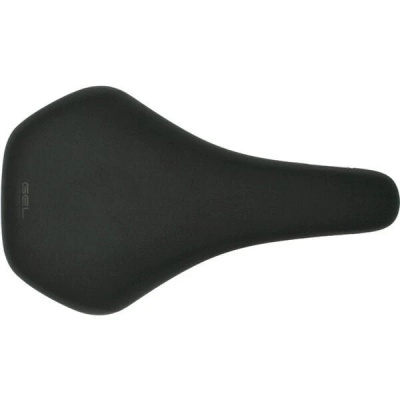
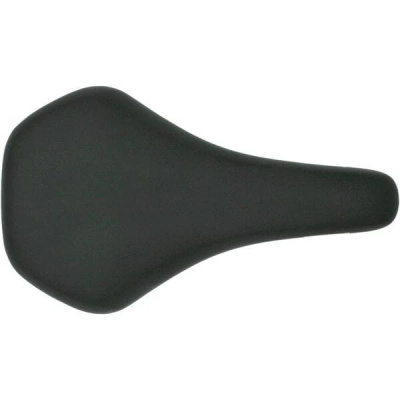
Prices and availability can change quickly. Delivery charges are not always included in listed prices.
Final price, stock status and delivery terms are set by retailer. We may receive a commission on purchases made.
Will a Madison Saddle Fit Your Bike?
The short answer is almost certainly yes. Madison saddles use the industry-standard 7x7mm round rail format - typically Cr-Mo or steel depending on the model - which slots straight into the vast majority of two-bolt and single-bolt seatpost clamps without any adapters or faff. If your current saddle fits your post, a Madison will too.
Rail material does matter, though. Cr-Mo rails offer a useful degree of flex that takes the edge off road buzz and trail chatter, and they're significantly more durable than cheaper alloy options when grit starts working its way into the clamp. Carbon rail versions exist at the premium end of the market, but Madison's Cr-Mo spec hits a practical balance between weight, compliance, and longevity that suits most riders well.
Getting the width right is where riders most often go wrong. Saddle width should be matched to your sit bone width, not your general build or what felt okay in the shop for thirty seconds. The sit bones are the two bony points you feel pressing into a hard chair - measure them by sitting on a piece of corrugated cardboard on a firm surface, then measure the distance between the two indentations. Add roughly 20mm to that figure and you've got your target saddle width. Too narrow and your soft tissue takes the load; too wide and your inner thighs rub with every pedal stroke. Neither is fun after an hour on the Peak District climbs.
Once the saddle is sorted, the chamois underneath it matters just as much. Pairing a well-fitted saddle with poor shorts is like fitting good tyres to a bike with a broken fork - one compensates for the other only so far. Madison bib shorts and liner shorts are designed with the same ergonomic principles as the saddles, so the padding zones actually align with where the saddle's pressure relief channel sits. Worth considering if you're doing a full contact-point refresh.
Breaking Down the Range: Flux, Celer, Zenith, and Freewheel
Madison's saddle lineup isn't enormous, but each model has a clear purpose. Understanding where they sit relative to each other saves you from picking the wrong one and spending the next six months wondering why your sit bones ache after an hour.
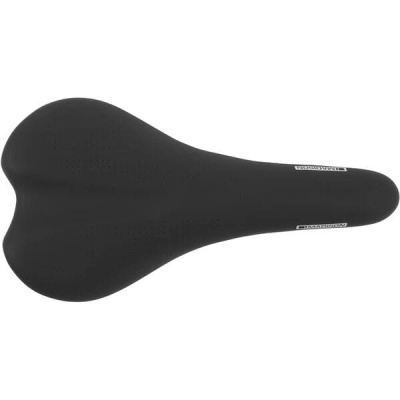
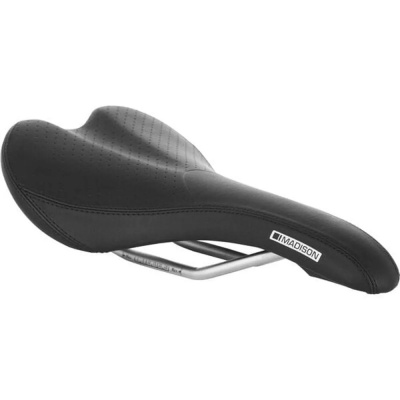
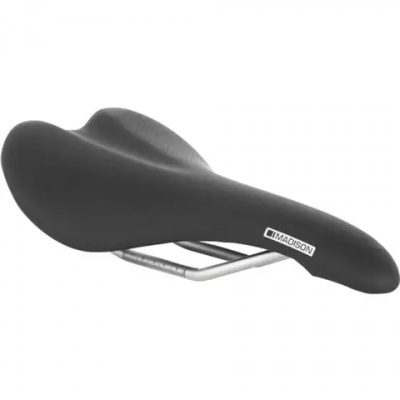
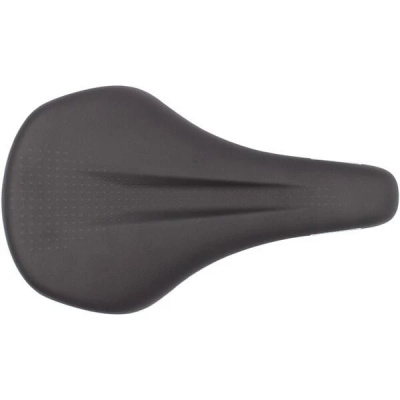
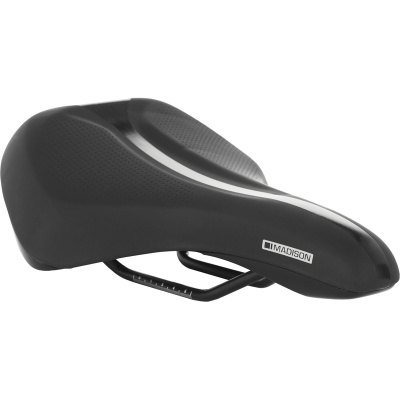
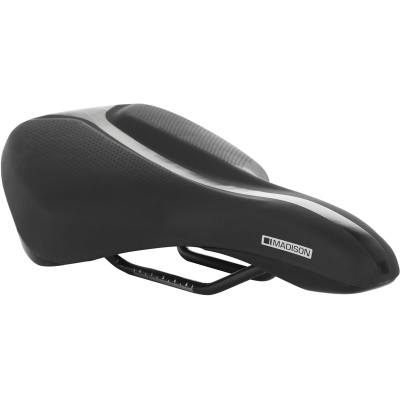
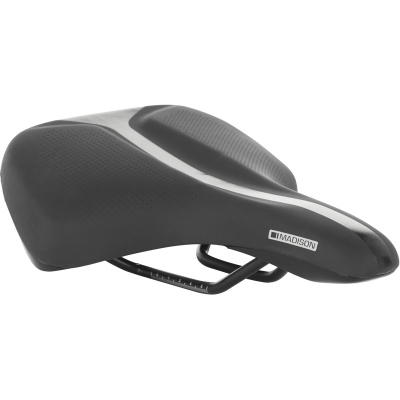
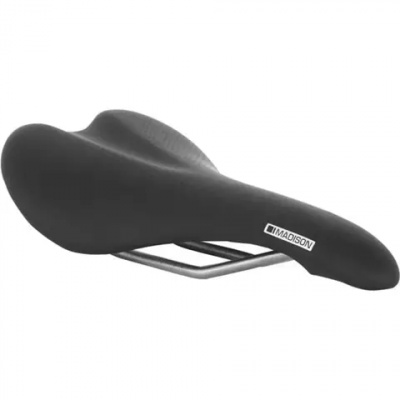
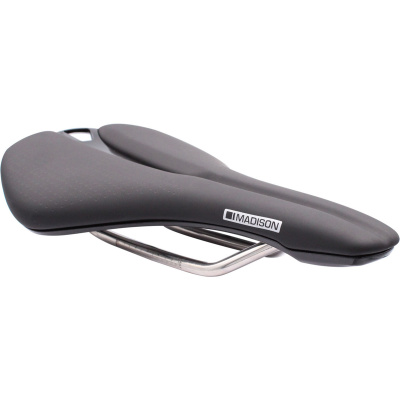
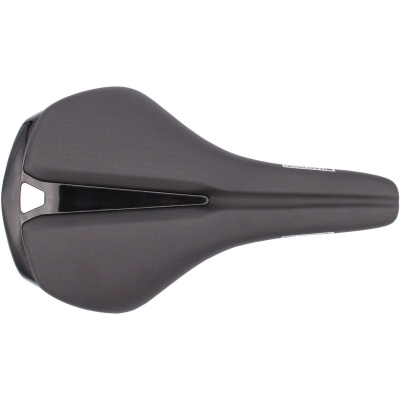
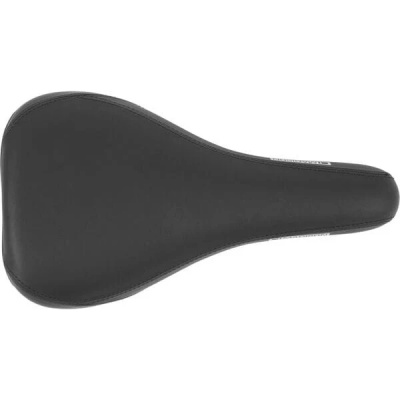
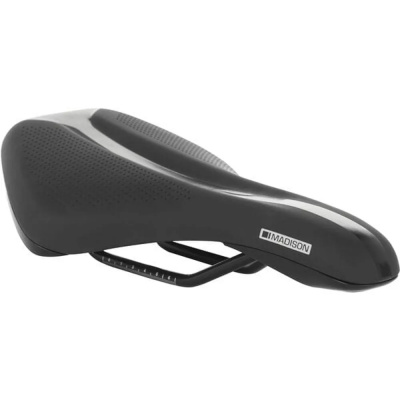
The Madison Flux is the one most people mean when they talk about Madison saddles. It's a versatile, slightly rounded ergonomic profile with a central pressure relief channel that genuinely takes pressure off soft tissue on longer efforts. The multi-density foam construction is the key detail here - firmer foam under the sit bones for skeletal support, softer material toward the nose and flanks. That layered approach means it doesn't compress flat after a season of use the way single-density foam does. Kevlar scuff guards on the MTB versions protect the rear corners when you're sliding back on steep technical descents - a small detail that extends the saddle's life considerably. The Flux suits MTB and gravel riders who need a saddle that handles seated climbing, technical descents, and everything in between without constantly repositioning.
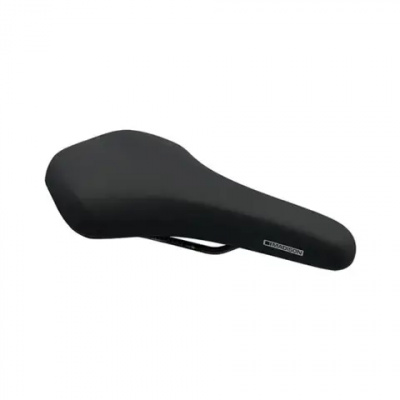
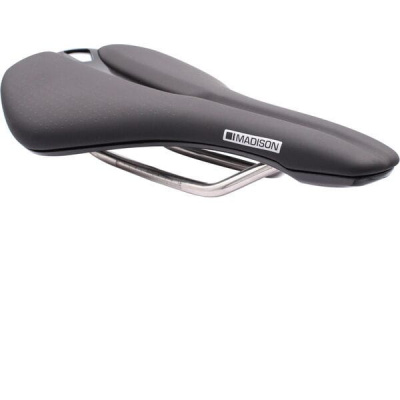
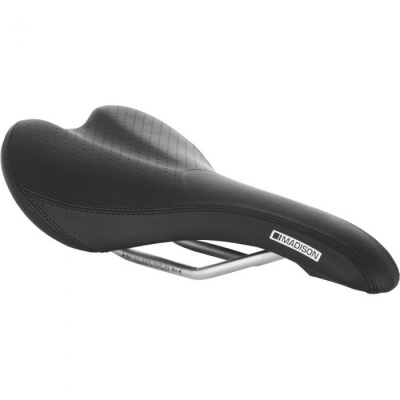
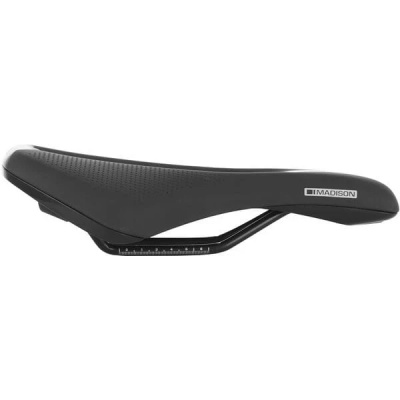
The Celer is Madison's road-oriented option. It runs narrower, sits flatter, and uses a firmer foam profile that suits a more aggressive, rotated-pelvis riding position. If you're spending long hours in the drops on sportives or training rides, the Celer's profile keeps you stable without fighting the saddle every time you shift position. It's not the choice for someone who rides mostly upright.
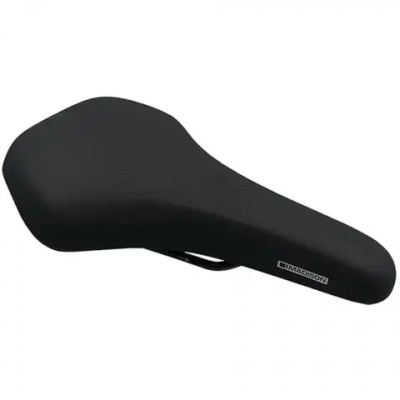
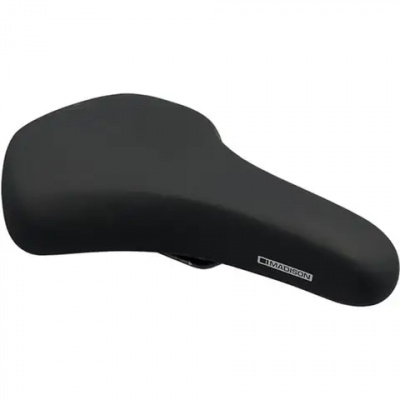
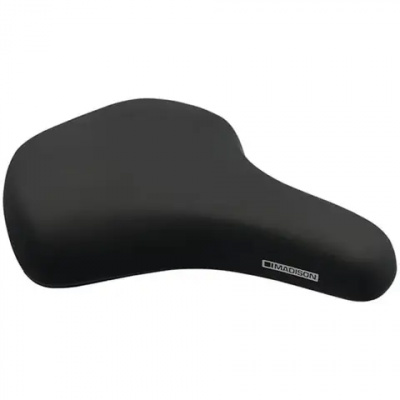
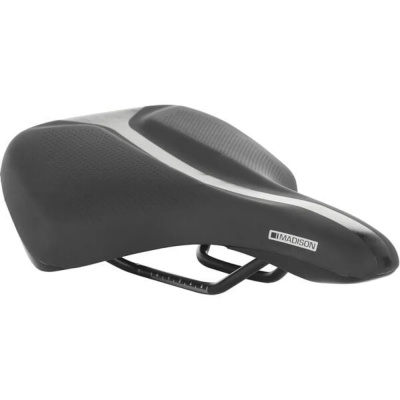
The Zenith and Freewheel are aimed squarely at commuters and leisure riders. Both are wider across the sit bones, use generous gel padding, and have a more pronounced ergonomic profile to suit an upright seating position. If your commute involves a flat-bar hybrid and you're not smashing out intervals, these are genuinely comfortable day-to-day options. Don't put a Zenith on a road bike and expect it to feel good at 90rpm - it's not designed for that.
For riders splitting time between trail riding and longer gravel days, the Flux remains the most sensible single choice. If you're running Madison MTB baggy shorts over a liner, the chamois-to-saddle relationship still applies - check the padding map before you buy.
Keeping Your Madison Saddle in Good Shape Through a UK Winter
British riding conditions are genuinely punishing on saddles. It's not just the rain - it's the combination of rain, road grit, trail mud, and the thermal cycling that comes with riding in all weathers. A saddle that's well-maintained will outlast one that's ignored by several seasons.
Madison's synthetic covers on most models are the first line of defence. Unlike leather or fabric covers, a seamless or minimal-stitch synthetic surface doesn't absorb water. That matters in a proper downpour because a waterlogged saddle adds weight, stays wet for hours, and - if the foam beneath isn't sealed properly - starts to degrade from the inside. The synthetic cover also wipes clean quickly, which is relevant if you're riding through the kind of mud that coats everything within thirty seconds of leaving the car park.
The more persistent problem for most riders is saddle creaking. That rhythmic squeak in time with your pedal strokes is almost always the same culprit: abrasive grit working into the gap between the 7x7mm rails and the seatpost clamp jaws. It's not a structural failure - it's just friction and contamination. The fix is straightforward. Pull the saddle off, clean the rails thoroughly with a rag and some degreaser, inspect the clamp faces for embedded grit, apply a thin film of grease to the metal contact points on the rails, reassemble, and torque the clamp bolts back to the manufacturer's specification. Most seatpost clamps spec somewhere between 4 and 8Nm - check your post's documentation rather than guessing. Under-torquing lets the saddle rock; over-torquing risks cracking an alloy clamp or damaging carbon rails.
Do this once at the start of winter, once mid-season if you're riding regularly in wet conditions, and again in spring. It takes ten minutes and eliminates one of the most irritating noises in cycling. If you're carrying a Madison saddle bag for spares and tools, it mounts cleanly to the rails without adding stress to the clamp - and keeping it positioned correctly means rear-wheel spray doesn't soak into your kit.
One more practical note: if your saddle cover shows scuffing or cracking after heavy use, it's a signal that UV exposure and mud abrasion are breaking down the material. At Madison's price point, replacement is usually more cost-effective than a professional repair, and the improved foam support of a fresh saddle is often noticeable immediately.
Madison Saddles FAQs
How do I choose the right width Madison saddle?
Sit on a piece of corrugated cardboard placed on a hard surface and measure the distance between the two indentations left by your sit bones. Add around 20mm to that figure - that's the saddle width you're looking for. Too narrow puts pressure on soft tissue; too wide causes inner-thigh chafing. Neither forgives you on a long ride.
Are Madison saddles waterproof?
Most models use a synthetic, weather-resistant cover with minimal or sealed stitching, which means the foam underneath stays dry during typical UK downpours. They're not submersible, but they handle rain far better than fabric or uncoated leather alternatives. Wipe the cover down after muddy rides to keep the surface in good condition.
Why is my bike saddle creaking?
Almost always grit trapped between the saddle rails and the seatpost clamp. Remove the saddle, clean the rails and clamp faces with degreaser, apply a thin smear of grease to the metal contact points, then refit and torque the bolts to spec. Takes ten minutes and usually solves it immediately. If the creak returns quickly, check the clamp jaws for wear.