
Oxford Saddle Bags
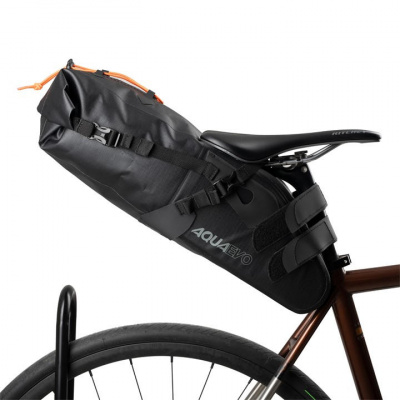
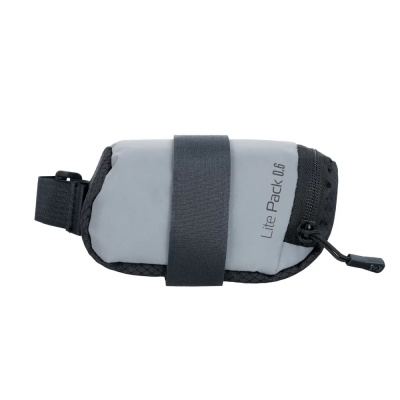
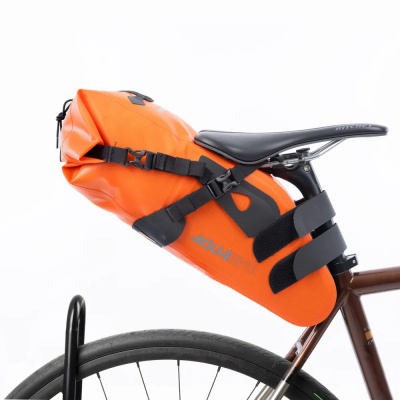
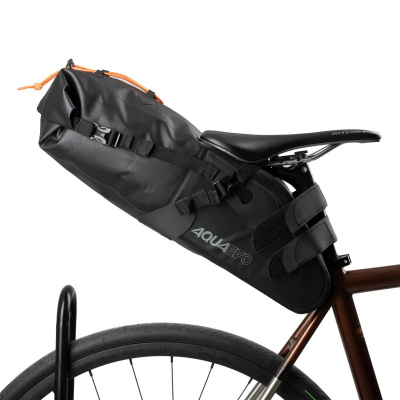
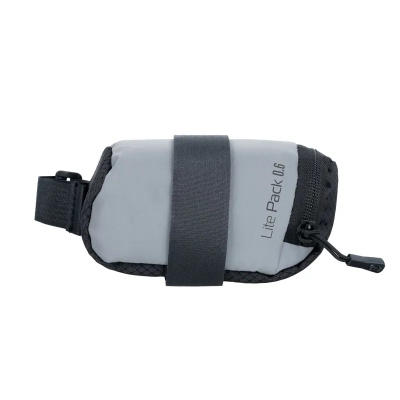
Oxford saddle bags sit in a useful part of the market: durable enough for proper UK conditions, priced so that buying two for different bikes doesn't sting. Whether you're after a compact wedge bag to swallow a tube, tyre lever, and a couple of links of chain before a Surrey Hills ride, or a fully waterproof roll-top pack that laughs off a Scottish winter commute, Oxford covers the range. The standard wedge bags handle dry-weather road riding and café-stop essentials without fuss. The Oxford Aqua series steps things up considerably - welded PVC seams and a waterproof roll-top closure mean the contents stay dry even when the roads are throwing up a constant mist of grit and puddle water from the rear wheel. Attachment is straightforward: most bags use a Velcro strap system over the saddle rails and around the seatpost, while higher-spec models add a T-bar quick release bracket for tool-free removal. There's also a nod to low-light riding - integrated LED attachment loops let you clip a light directly to the bag, which matters when you're rolling home in November dark. From a 0.5-litre micro bag to a 10-litre-plus bikepacking pack, the lineup is wider than most riders expect from the brand.
Prices and availability can change quickly. Delivery charges are not always included in listed prices.
Final price, stock status and delivery terms are set by retailer. We may receive a commission on purchases made.
How Oxford Bags Attach - and What to Check First
Most Oxford saddle bags use a Velcro strap system: one strap threads through or over the saddle rails, a second wraps around the seatpost, and together they hold the bag snug against the underside of the saddle. It's genuinely simple to fit and works across the vast majority of road, gravel, and hardtail setups. Premium models swap this for a T-bar quick release bracket that bolts directly onto standard saddle rails - once the bracket is set up, the bag clicks on and off in seconds, handy if you're swapping it between bikes or don't want to leave it on a locked-up commuter overnight.
The bracket system is designed around the near-universal 7×7mm rail standard, so it fits most aluminium and carbon rails without adaptation. The Velcro strap system is more forgiving still - it'll work on oval, round, or titanium rails where clamp-style brackets sometimes struggle.
Dropper posts are where you need to pause and think. A small strap-on wedge bag can work on a trail bike, but the strap must only ever contact the saddle rails - never the sliding stanchion of the dropper. Wrapping a strap around the moving part traps road and trail grit against the stanchion surface, and that grit will score it and destroy the wiper seal faster than you'd expect. Check seatpost clearance too: with the post fully dropped, make sure there's enough gap between the bag and your rear tyre. Bottom out the suspension and spin the wheel by hand if you're unsure - it takes thirty seconds and avoids a nasty surprise mid-descent.
Aqua Series vs. Standard Wedge - Picking the Right One
Oxford's range splits cleanly into two families, and choosing between them comes down to how grim your typical ride gets.
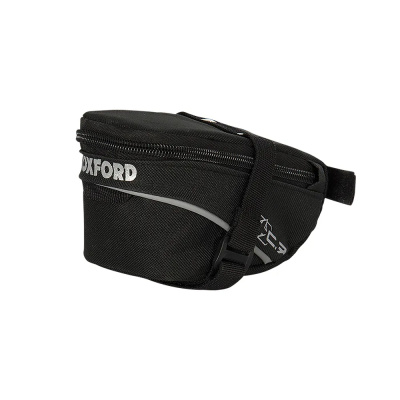
The standard Oxford wedge bags are zippered, lightweight, and keenly priced. They're a solid choice for summer road riding or fair-weather commuting where you want somewhere to put a spare inner tube, a multi-tool, and your bank card. The zip closures are fine in a shower, and the materials handle moderate spray well enough. If you're doing a sportive in June or a weekend gravel loop in dry conditions, they do the job without overcomplicating things. Capacity at this end of the range starts around 0.5 litres for a micro bag - enough for a tube and a couple of tyre levers - and steps up to around 2 - 3 litres for a more generous wedge that'll take a mini-pump, phone, and snacks for a longer day out. Pair one with an Oxford mini pump and you've got a tidy, self-contained setup for most road rides.
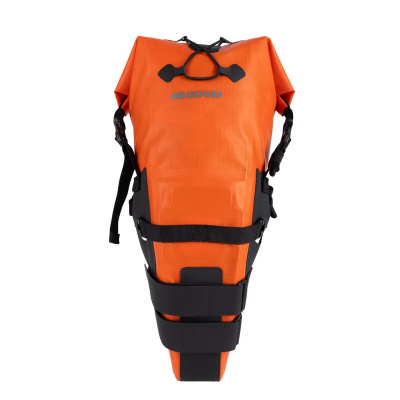
The Oxford Aqua series is a different proposition. The headline feature is IPX7-rated waterproofing via welded PVC seams - there's no stitching for water to wick through, and the roll-top closure system seals the opening without relying on a zip that road grit will eventually wreck. For anyone commuting through a British winter, that distinction matters. Standard DWR coatings on cheaper bags eventually saturate; welded seams don't. The Aqua bags also carry integrated LED attachment loops, so your rear light has a stable, purpose-built mounting point rather than being bodged onto a seatpost in a position that vibrates loose.
Capacity in the Aqua range scales from compact commuter sizes up to 10 litres and beyond for bikepacking use. At the larger end you're fitting a full bivvy, spare layers, food, and a day's worth of kit - genuinely useful for overnight rides or multi-day touring where Apidura or Carradice are the usual reference points. Oxford isn't quite in the same bracket for bikepacking-specific refinements, but at their price point they're a compelling option for riders dipping a toe into overnight riding without committing to premium luggage costs.
If your rides stay mostly dry and you want something cheap and cheerful, the standard wedge range is fine. If you commute year-round, ride through autumn and winter, or want luggage that handles whatever the Peak District or the Welsh valleys throw at it, step up to the Aqua series.
Keeping It Together - UK Grit and Long-Term Care
British roads are hard on luggage. Rear-wheel spray carries a slurry of grit, road salt, and fine debris that gets into every gap it can find, and saddle bags take the full force of it. This is exactly why the roll-top closure on the Aqua series outlasts a conventional zip over a full winter season - there are no teeth or sliders for grit to lodge in and split apart.
The bike itself needs protecting too. Wherever a strap contacts the seatpost, trapped particles will act like sandpaper against the surface finish. On a carbon post that means lacquer damage and potential stress marks; on alloy it removes anodizing and invites corrosion. The practical fix is a strip of helicopter tape - clear protection film - applied to the seatpost before fitting the bag. It costs almost nothing, takes two minutes, and saves you from a repair bill down the line. Worth doing on a new bike before the bag goes on for the first time.
After muddy winter rides, unclip the bag, open it up to dry out, and wipe the exterior down. The welded seams on the Aqua bags don't need any special treatment, but keeping the roll-top clean means it seals properly every time. Check the strap Velcro periodically - it picks up fluff and grit and loses grip if left unchecked. A quick brush-out keeps it grabbing as it should.
Brands like Altura and Lezyne offer comparable waterproof seat packs at similar price points, so it's worth comparing if you're not fixed on Oxford - but the Aqua's welded-seam construction holds its own. If you're building out a full commuter setup, Oxford's own mudguards and lights are worth a look alongside the bag - the light loop integration is there for a reason, and having everything from one brand simplifies the setup considerably. A new Oxford saddle is also worth considering if you're refreshing the whole cockpit end of the bike at the same time.
Oxford Saddle Bags FAQs
How do you attach an Oxford saddle bag?
Most Oxford bags use a Velcro strap system - one strap over the saddle rails, one around the seatpost. It's quick to fit and works on almost any bike. Higher-spec models use a T-bar quick release bracket that bolts to the saddle rails, letting you clip the bag on and off without tools - useful if you're moving it between bikes regularly.
Are Oxford saddle bags fully waterproof?
The Oxford Aqua range is fully waterproof - welded PVC seams and a roll-top closure give it IPX7 protection, so heavy rain and persistent road spray won't get in. Standard Oxford wedge bags are water-resistant rather than waterproof; they'll handle a light shower, but prolonged downpours will eventually find the zip.
Can you use a saddle bag with a dropper post?
You can use a small wedge bag on a dropper-post bike, but the strap must only contact the saddle rails - never the moving stanchion. Wrapping a strap around the stanchion traps grit against the surface and destroys the wiper seal quickly. Also check rear tyre clearance with the post fully dropped before committing to a bag size.