
Oxford Pedals
Oxford bike pedals sit at that practical crossroads where your shoes meet the machine - and getting that contact point right matters more than most riders give it credit for. Whether you're piecing together a winter commuter that can handle salted city roads, swapping out the worn plastic platforms on a hybrid, or after a grippier flat pedal for trail days, Oxford covers a decent spread of bases without overcomplicating the choice.
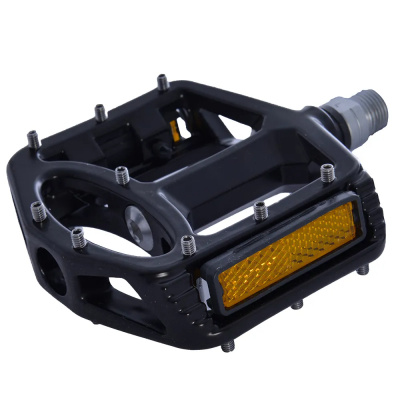
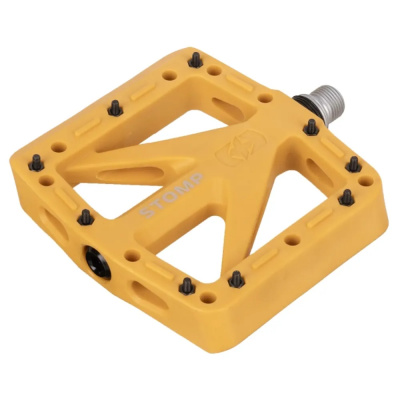
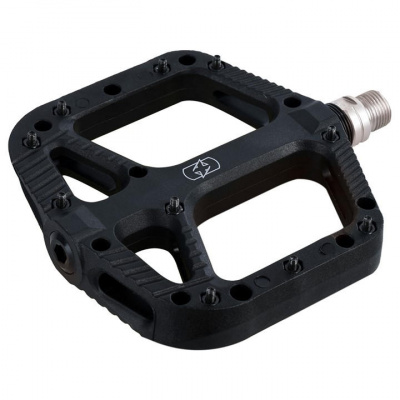
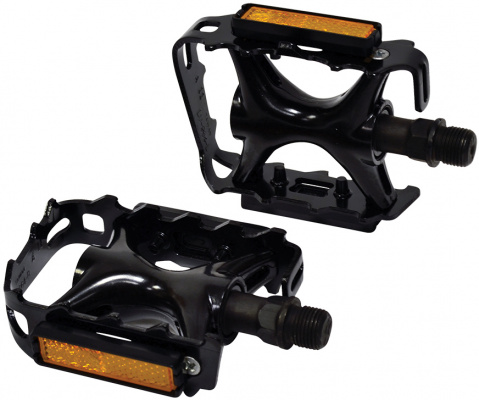
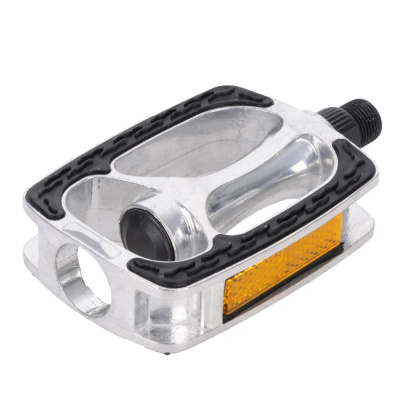
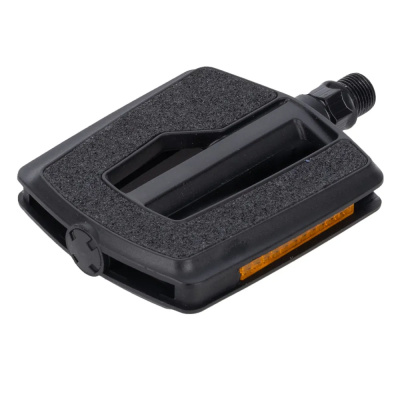
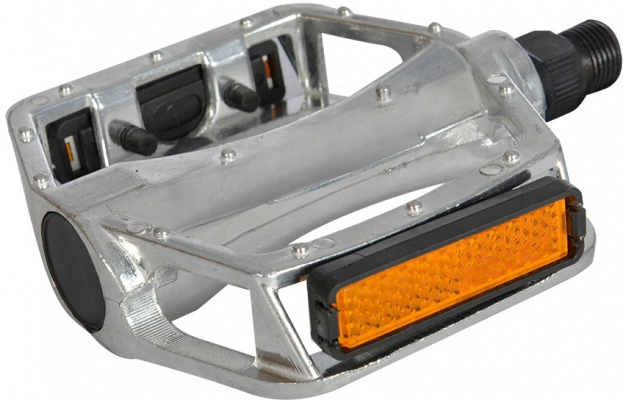
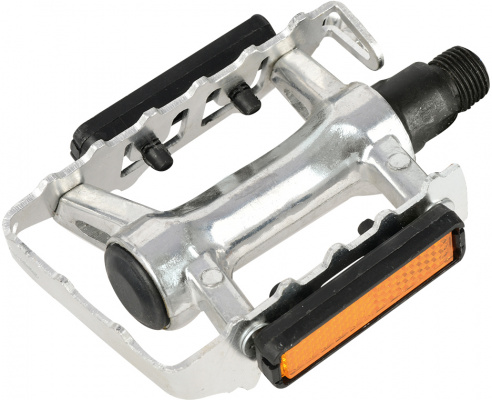
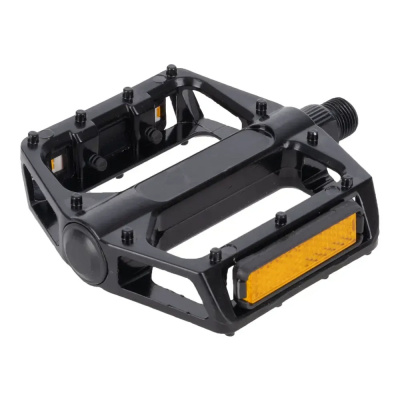
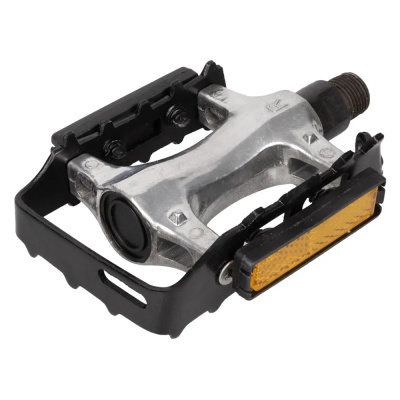
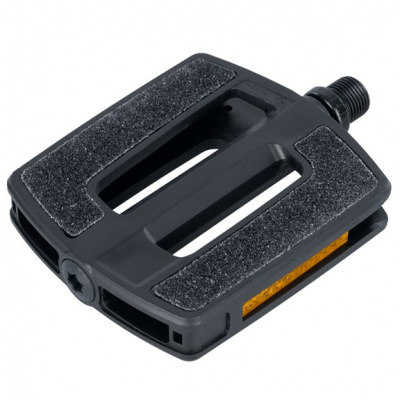
The range runs from simple rubber-block commuter pedals with integrated BS6102/2 reflectors - a legal requirement for road use after dark - through to CNC machined alloy flat pedals with replaceable grip pins aimed squarely at riders who want more platform bite on technical ground. Across the range, Oxford uses 9/16" thread axles as standard, fitting virtually every adult crankset you're likely to encounter. Axle material steps up from Boron steel on entry models to Chromoly (Cr-Mo) steel on the heavier-duty options - a meaningful difference when you're putting real load through the pedals on longer rides or rougher ground.
Use the comparison grid below to match pedal body material and bearing type to your riding style, then read on for the full breakdown.
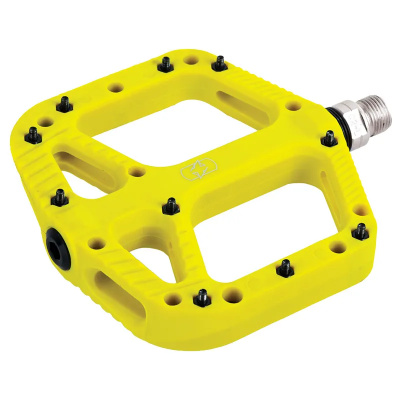
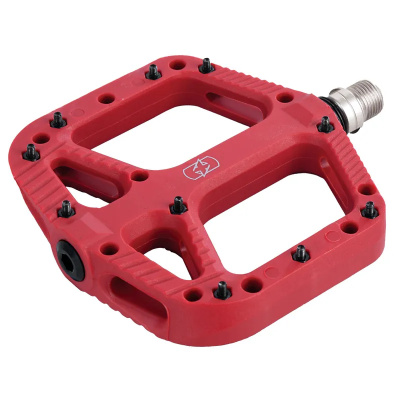
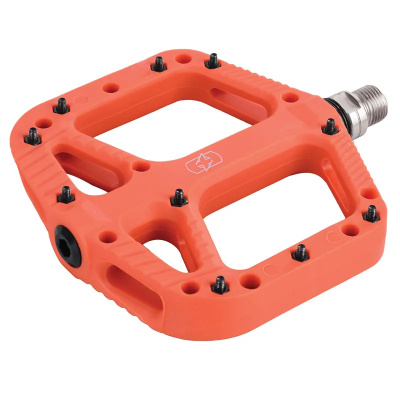
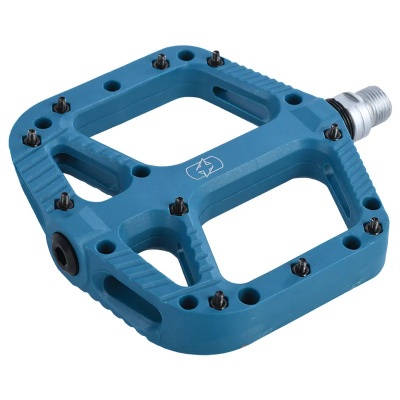
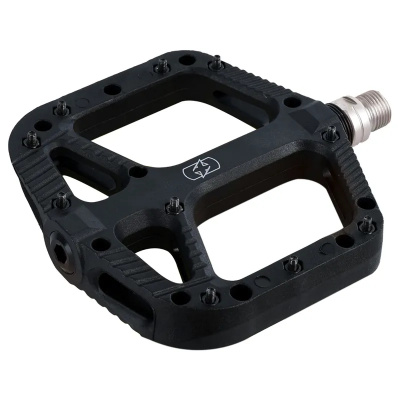
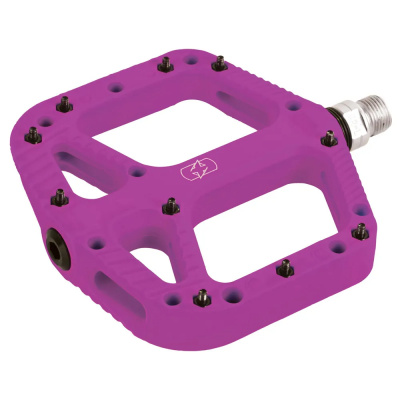
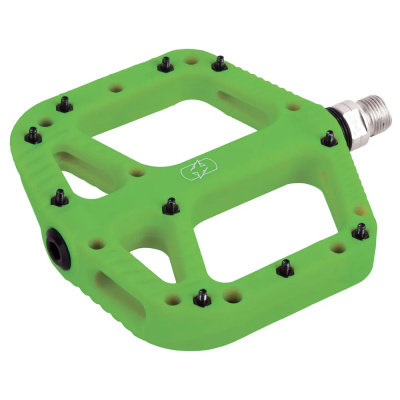
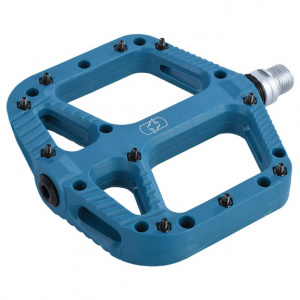
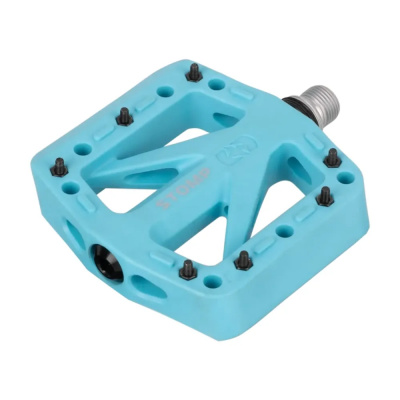
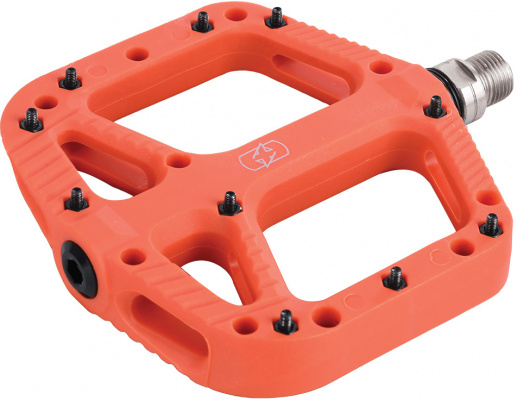
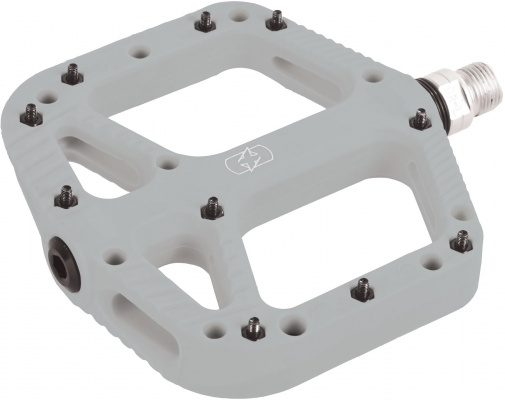
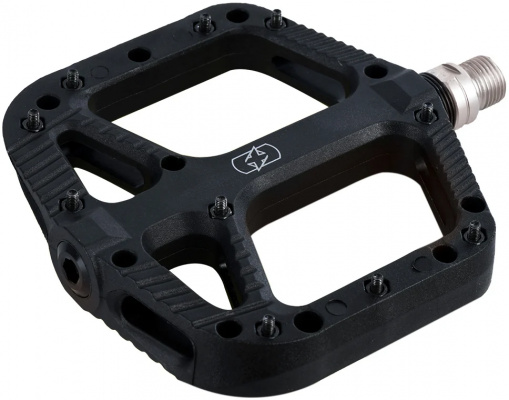
Prices and availability can change quickly. Delivery charges are not always included in listed prices.
Final price, stock status and delivery terms are set by retailer. We may receive a commission on purchases made.
Thread Standards and Getting the Fit Right First Time
Not all pedal threads are equal, and mixing them up is an expensive mistake. Oxford's adult pedal range runs a standard 9/16" x 20 tpi thread, which is compatible with the vast majority of modern cranks from Shimano, SRAM, and FSA. Bolt them on and you're sorted. The exception worth knowing: one-piece BMX-style cranks and many kids' bikes use a smaller 1/2" thread - physically different, not interchangeable. If you're buying for a child's bike or an older BMX, measure the existing spindle or check the crank spec before you order.
One thing that catches riders out more often than it should: the left pedal is reverse-threaded. It tightens anti-clockwise. Forget that, and you'll spend ten minutes stripping what you think is a stuck thread. Always check for the 'L' and 'R' stamps on the spindle before you start. And while you've got the spanner out, apply a smear of anti-seize compound or waterproof grease to the threads before installation - aluminium cranks and steel axles left bare will gall together over a wet British winter, and seized pedals are a serious workshop headache.
Commuter Pedals vs MTB Flats - Choosing the Right Oxford for Your Riding
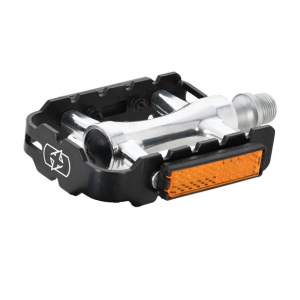
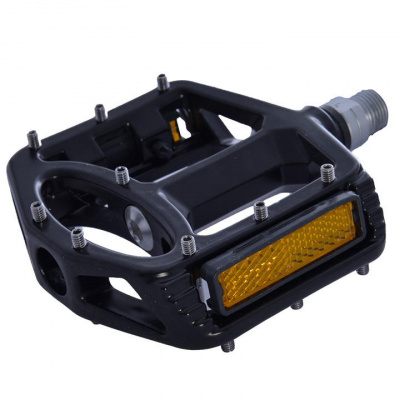
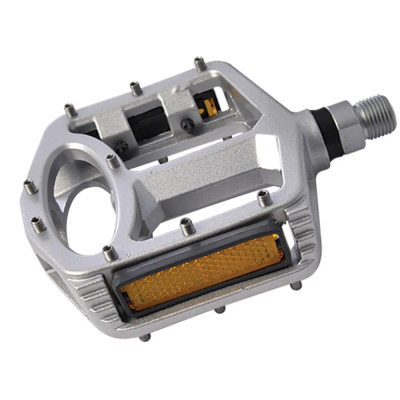
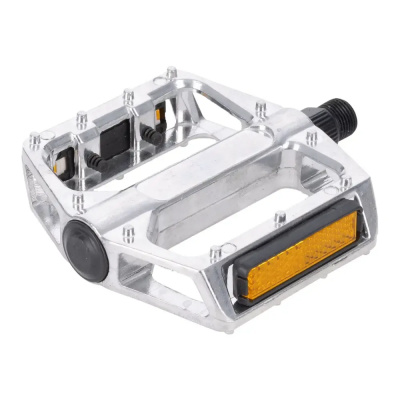
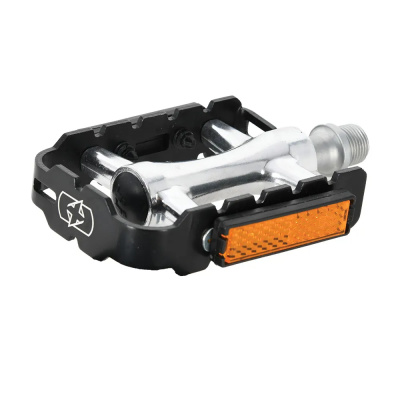
Oxford splits its pedal range into two fairly distinct camps, and the differences go beyond looks. The commuter-focused models use rubber-block platforms - forgiving underfoot with leather-soled work shoes or casual trainers, and wide enough to feel stable on a folding bike or hybrid. Crucially, these come with pre-installed amber BS6102/2 compliant reflectors, which keeps you legal on public roads between sunset and sunrise without any extra faff. If you're doing daily miles into town on an Oxford-mudguarded commuter, these are the sensible, low-maintenance choice.
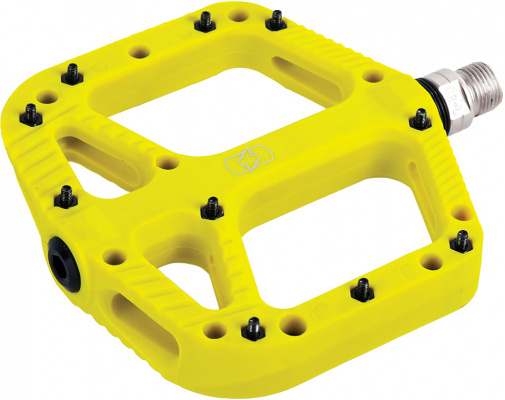
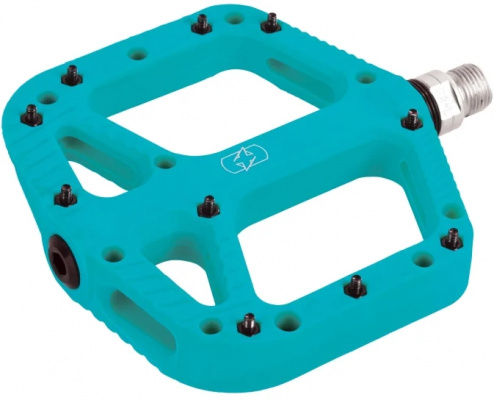
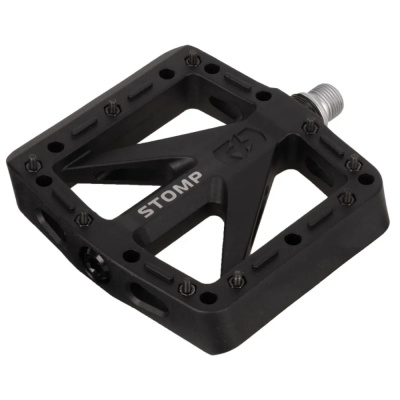
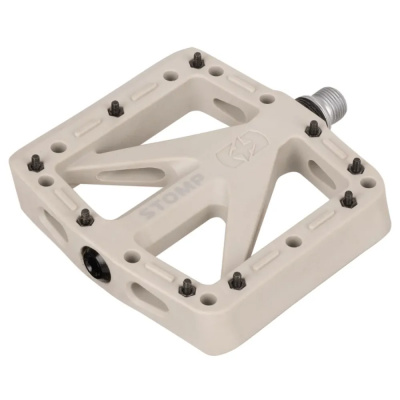
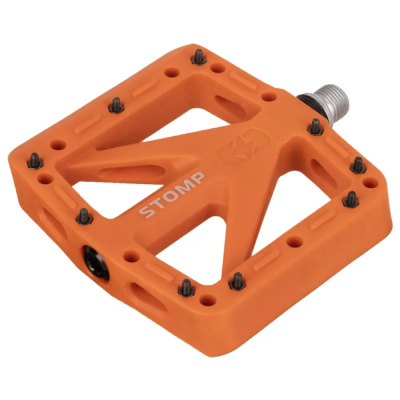
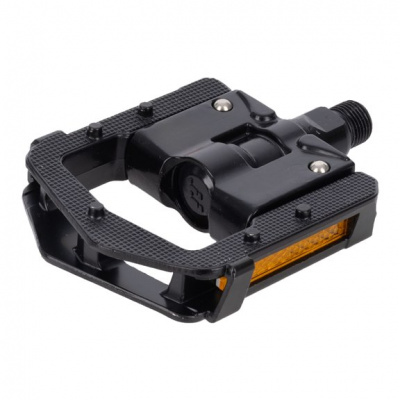
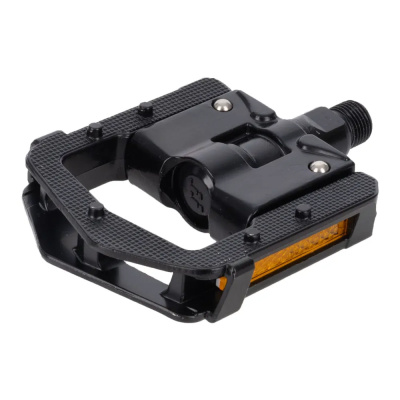
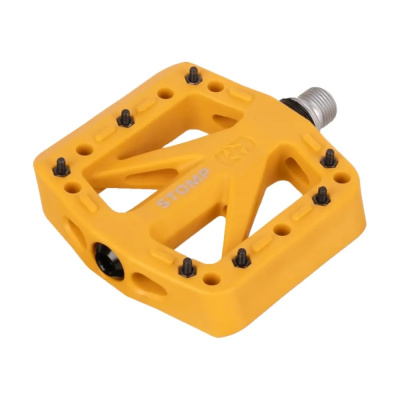
The MTB-oriented flat pedals are a different proposition. CNC machined alloy bodies give you high-impact resistance - relevant if you're clipping rocks on gritstone trail days or dropping off roots in the Welsh valleys. The wider platform spreads your foot load more evenly, and the replaceable traction pins are the feature that really earns their place: when pins round off or snap (and they will, eventually), you swap them rather than bin the whole pedal. That's a meaningful long-term saving over budget platforms from brands without that system. If you want to compare how Oxford's alloy flats stack up against dedicated MTB pedal brands, DMR pedals and Burgtec pedals sit further up the performance bracket and are worth a look for more committed trail riding.
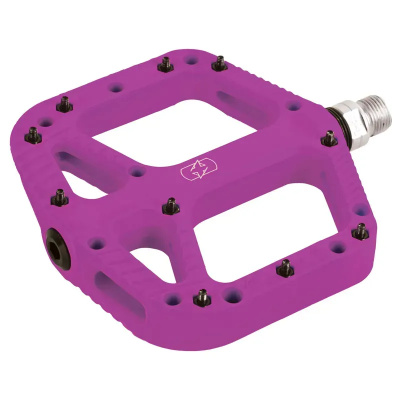
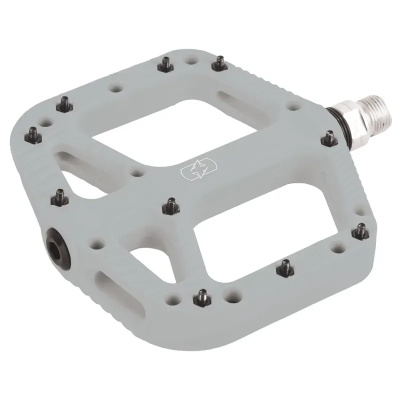
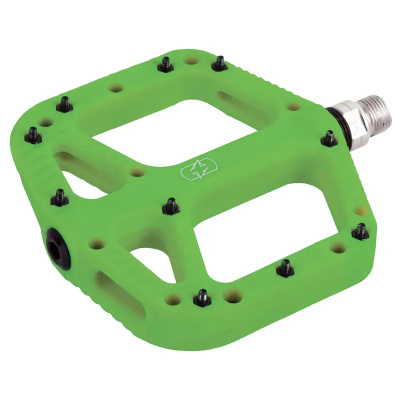
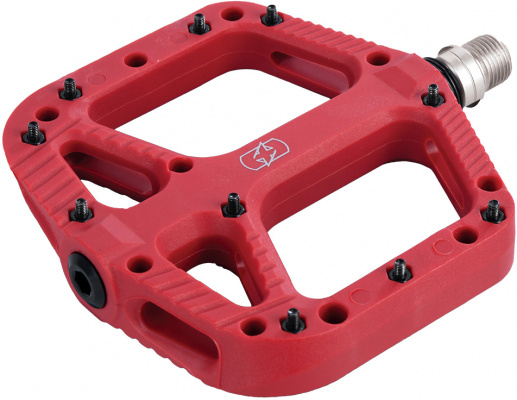
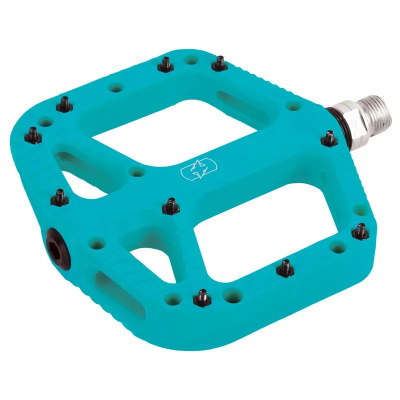
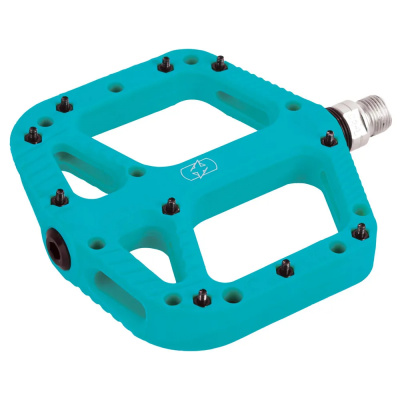
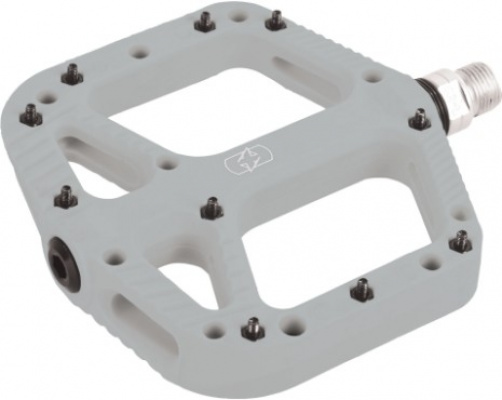
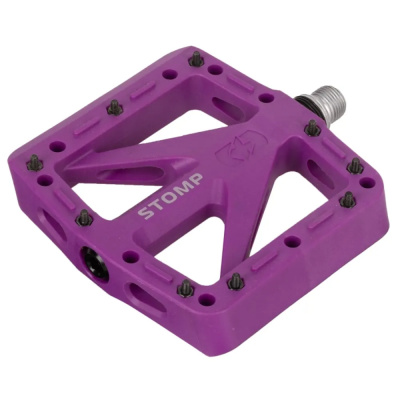
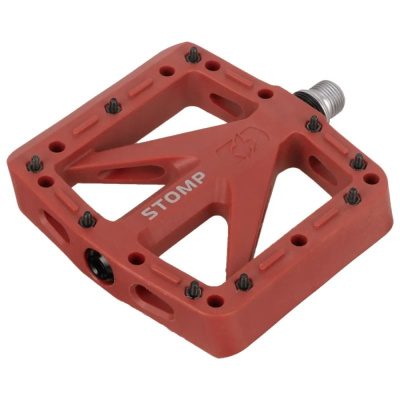
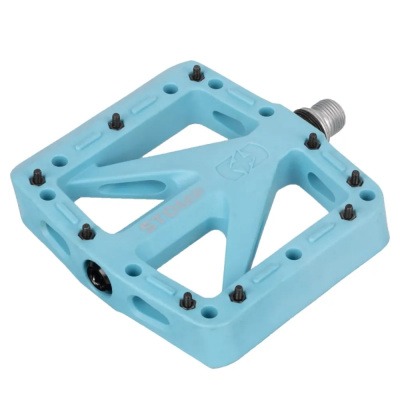
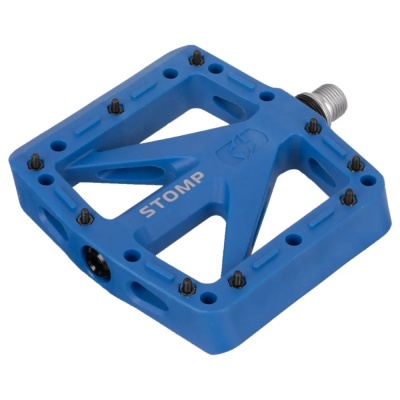
Oxford also produces nylon composite flat pedals that sit between the two camps - lighter than alloy, stiffer than rubber, and a reasonable fit for riders who want more grip than a standard commuter pedal without paying for full CNC machining. Good option for a do-everything hybrid build.
On clipless setups: if you're running Oxford clipless pedals and need replacement cleats, that's a separate conversation. Head to the dedicated Oxford cleats page for the correct hardware - cleat specs vary between systems and it's worth getting that right rather than guessing.
How Oxford Pedals Hold Up in UK Conditions
British roads are hard on bearings. Road salt, grit, and near-constant damp will find their way into any bearing system given time - the question is how much maintenance that demands from you. Oxford's entry-level pedals use loose ball bearings, which are perfectly functional but need attention. Plan to strip, clean, and repack them with marine grease once or twice a season if you're riding through winter. Skip that, and you'll feel the roughness building in the rotation; leave it too long and the axle itself starts wearing. It's a straightforward job, but it is a job.
The premium end of the Oxford range uses sealed cartridge bearings, which change that equation considerably. A sealed unit keeps grit and moisture out far more effectively, meaning you can fit them and largely forget them for longer periods - genuinely useful if you're not the type to spend Sunday afternoons in the garage. The trade-off is that when a sealed cartridge eventually fails, you replace the cartridge rather than just repacking the grease; most riders find that an acceptable compromise for the reduced upkeep.
On the axle, watch for play developing over time. Grab the pedal body and try to rock it side to side against the spindle - any noticeable movement means the bearings need attention or replacement. On MTB models, also check your traction pins before a long day out. Pins that have worn to a nub won't hold your shoe under load, which means foot slip at exactly the wrong moment. Replacing them takes minutes with an Allen key and costs next to nothing. Do it before the ride, not after the shin strike.
If you're putting together a robust all-weather commuter or a reliable winter trail bike, pairing Oxford pedals with Oxford mitts, an Oxford saddle, and an Oxford kickstand builds a cohesive, practically-minded setup from a single brand - useful if you want consistent quality across contact points without mixing and matching. For riders weighing alternatives at the affordable end of the flat pedal market, MKS pedals are worth comparing, particularly for commuter and city use where their track record is long and well-regarded.
Oxford Pedals FAQs
Are all bike pedals the same thread size?
No. Most adult bikes - Oxford's range included - use the standard 9/16" thread, which fits virtually all modern Shimano, SRAM, and FSA cranks. The exception is one-piece BMX-style cranks and many kids' bikes, which use a smaller 1/2" thread. Always check your crankset spec before buying.
How do I know which is the left and right pedal?
Look for the 'L' or 'R' stamp on the spindle - it's there on Oxford pedals and most others. The left pedal is reverse-threaded and tightens anti-clockwise; the right is standard clockwise. Mix them up and you'll either cross-thread the crank or spend a while wondering why nothing is tightening.
Do Oxford pedals come with reflectors?
Many do, specifically the commuter, hybrid, and folding bike models, which come with pre-installed amber reflectors that meet BS6102/2 standards. UK law requires pedal reflectors when riding on public roads between sunset and sunrise, so this saves you a job and keeps you on the right side of the rules.