
MKS Pedals
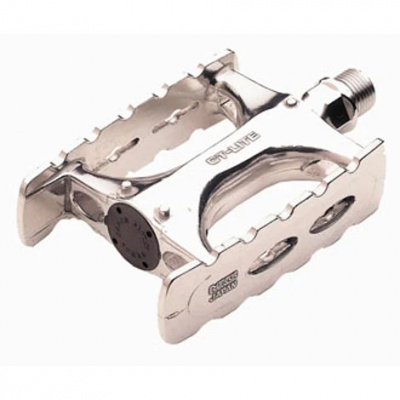
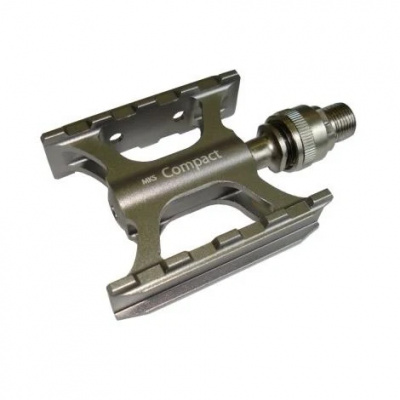
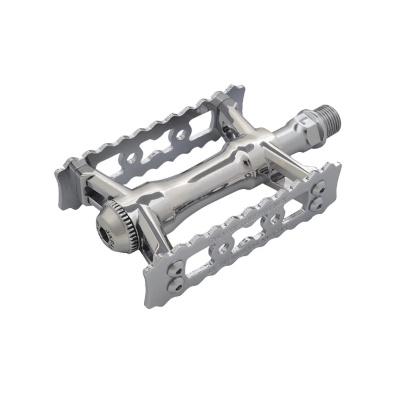
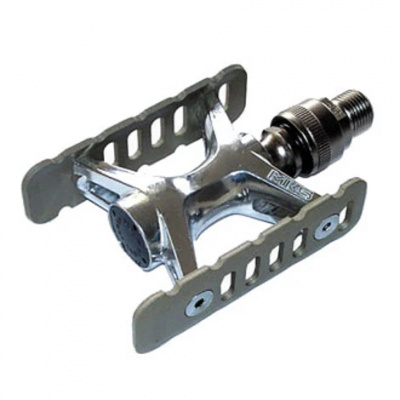
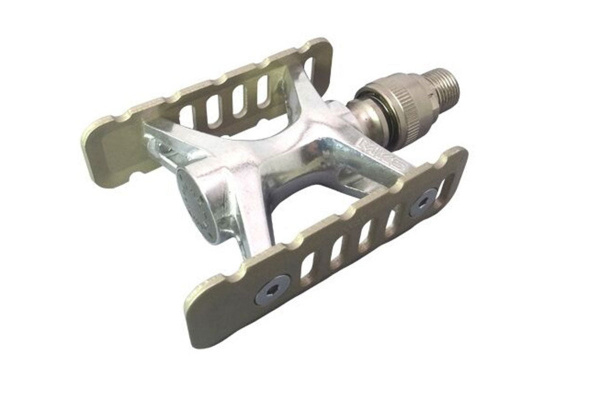
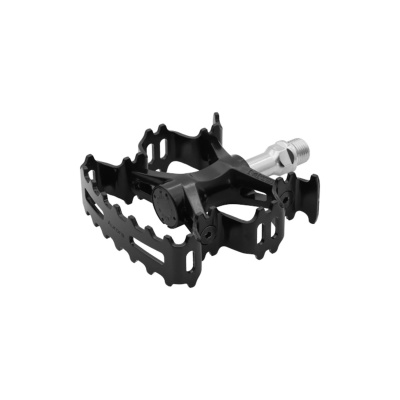
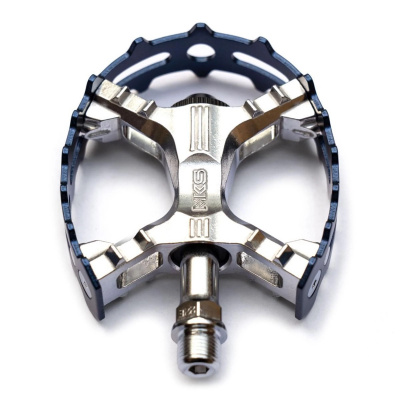
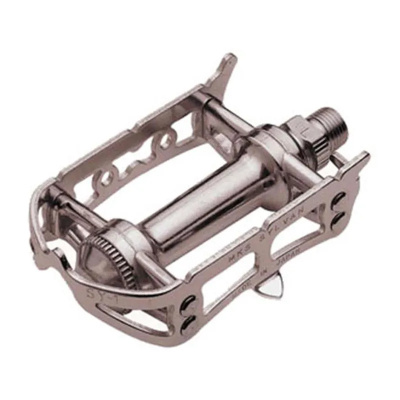
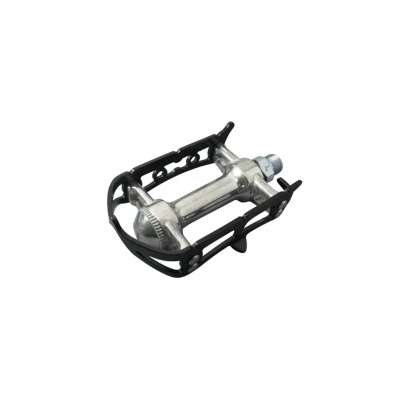
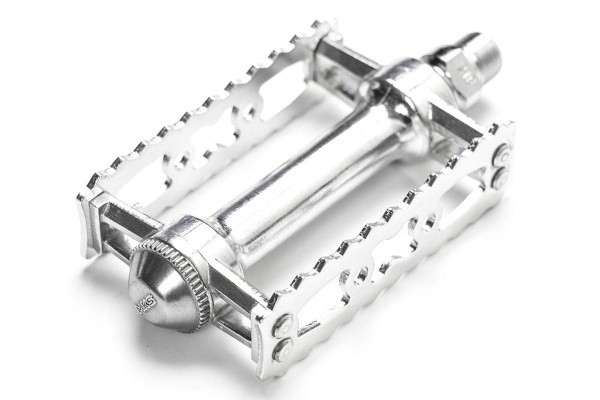
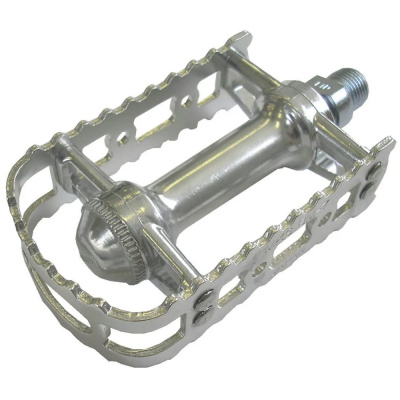
MKS pedals - made by Mikashima in Japan - have been the quiet benchmark for craftsmanship in the pedal world for decades. While flashier brands fight for shelf space, MKS have kept their heads down and made things properly: cold-forged aluminum bodies, hand-adjusted cup and cone bearings, and tolerances that would embarrass a lot of more expensive kit. If you're building a steel tourer, lacing up a dedicated Keirin track bike, or trying to make a Brompton actually pleasant to fold and carry, there's almost certainly an MKS pedal that fits the job.
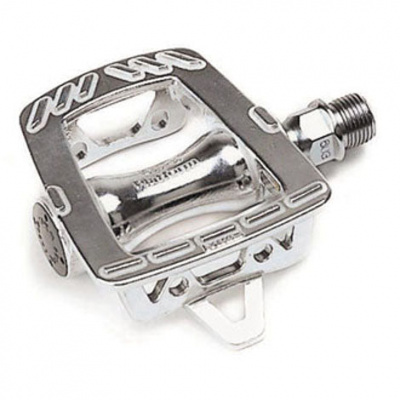
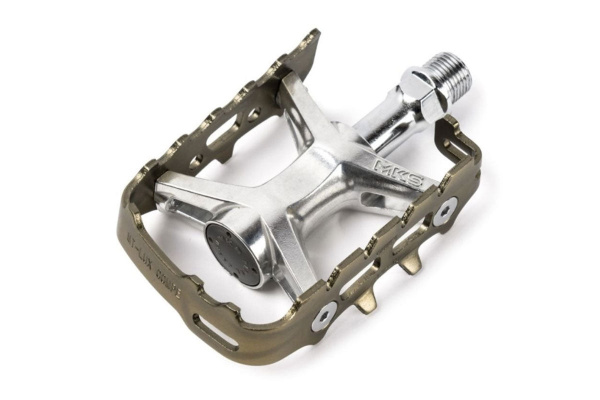
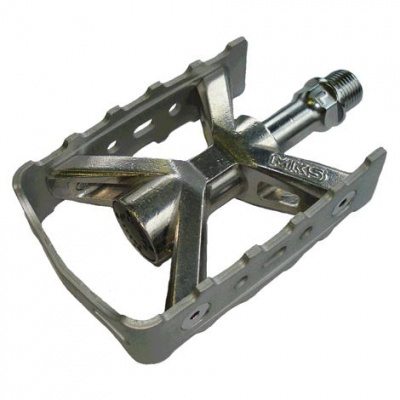
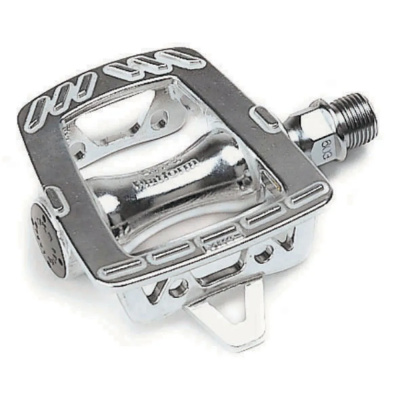
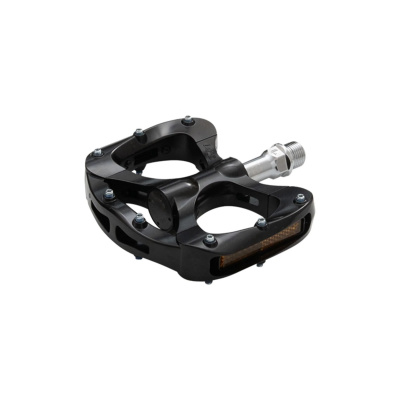
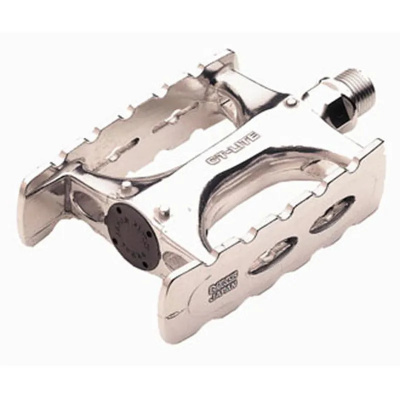
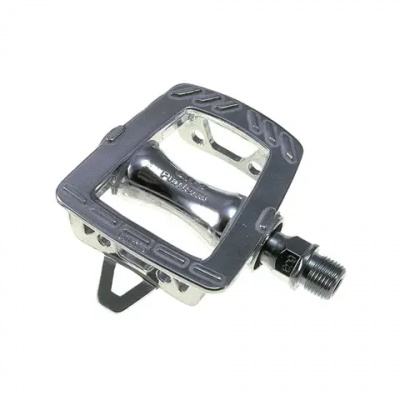
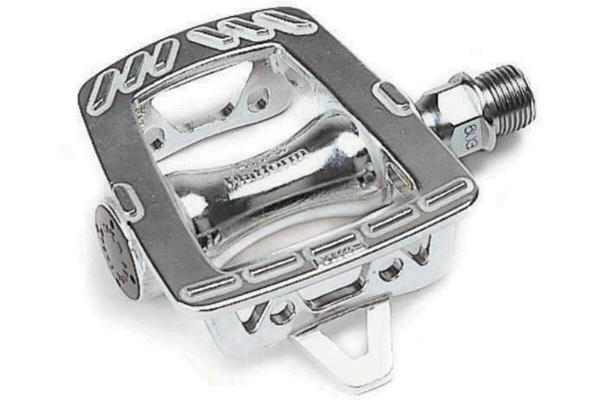
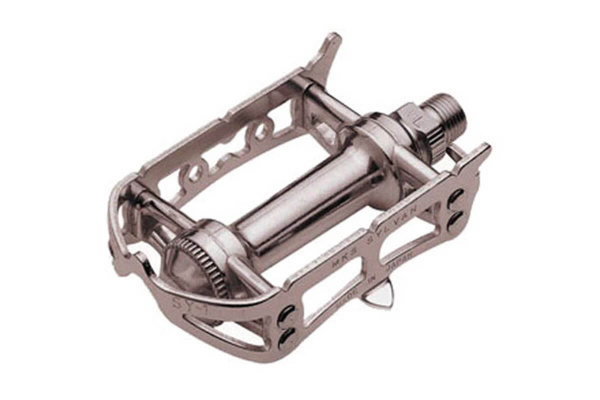
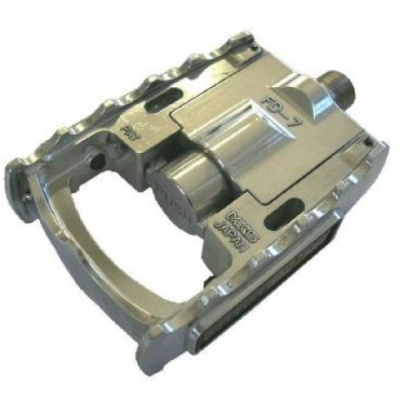
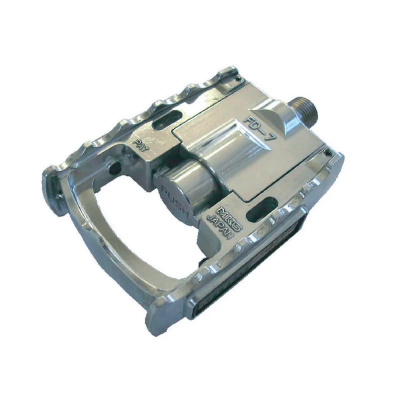
The range splits into a few clear families. The Sylvan series covers classic, rebuildable road and touring pedals - the sort you can strip and repack with fresh grease on a wet Sunday and get another decade out of. The Ezy and Ezy Superior quick-release systems are genuinely clever engineering for travel and folding bikes. The NJS-certified track line carries the stamp of Japan's strict Keirin racing standard, which tells you everything about how seriously they're built. And the Lambda and Gamma platforms bring that same attention to detail to riders who just want a big, grippy flat pedal for the commute or trail.
Compare the best UK prices on the full MKS range below.
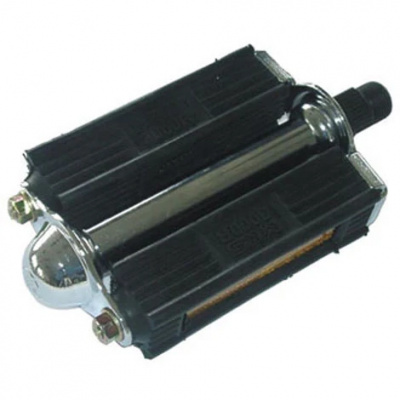
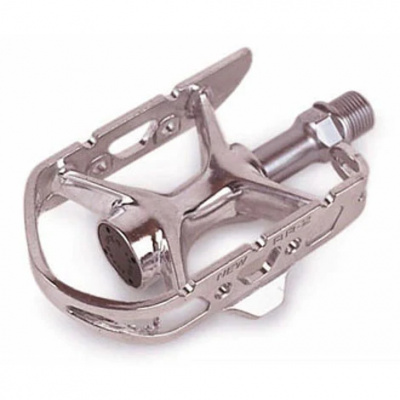
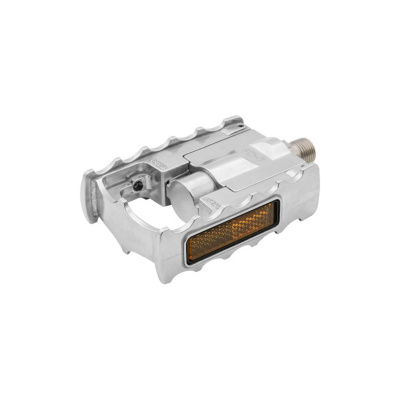
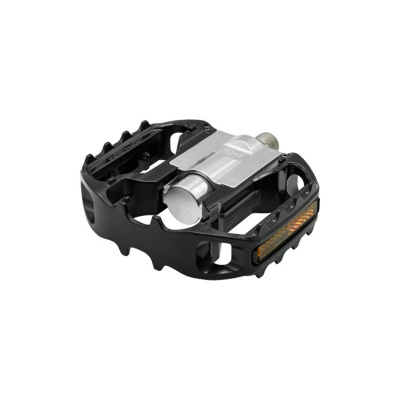
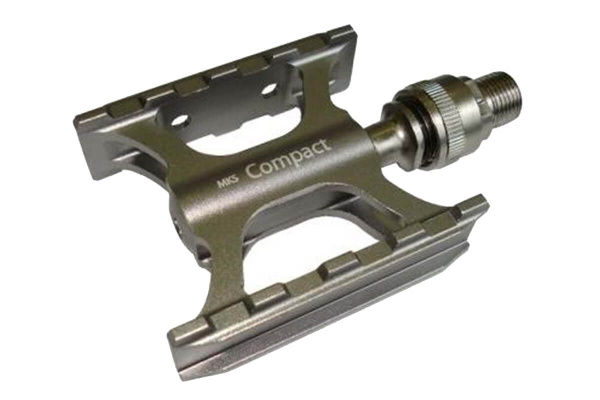
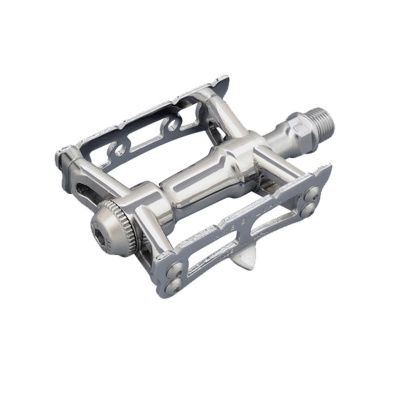
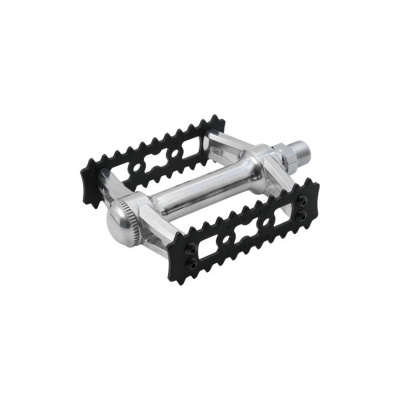
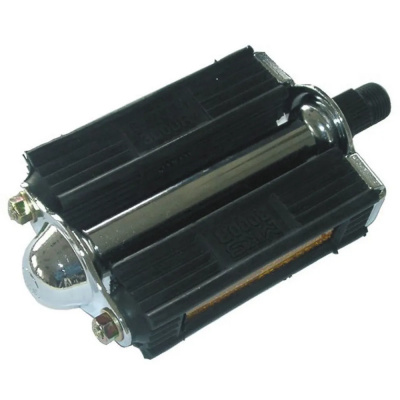
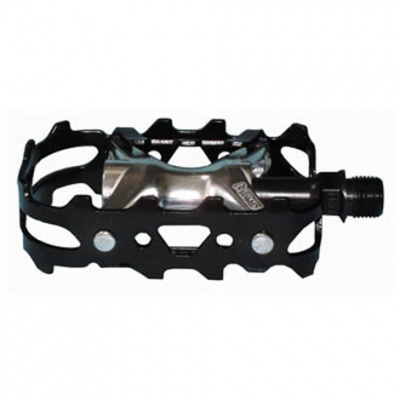
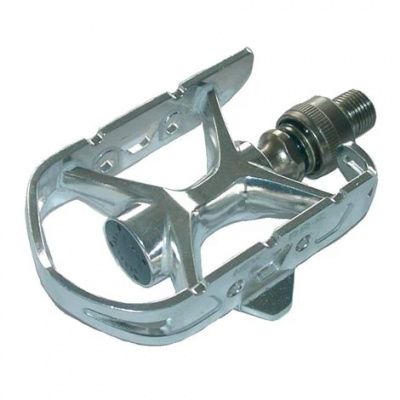
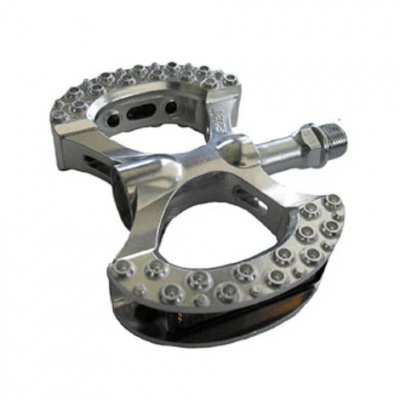
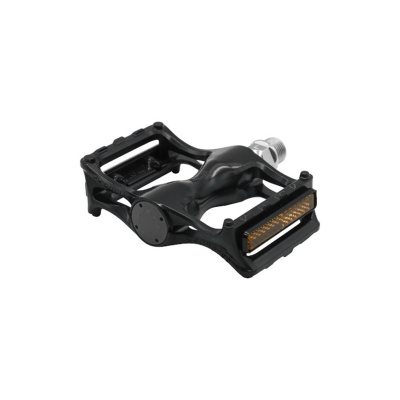
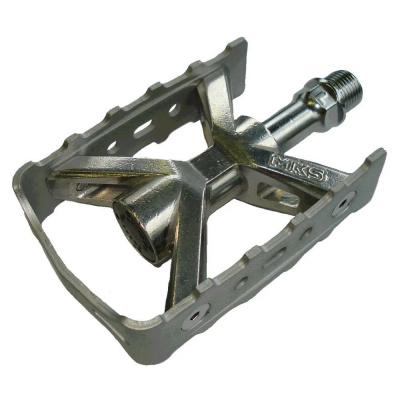
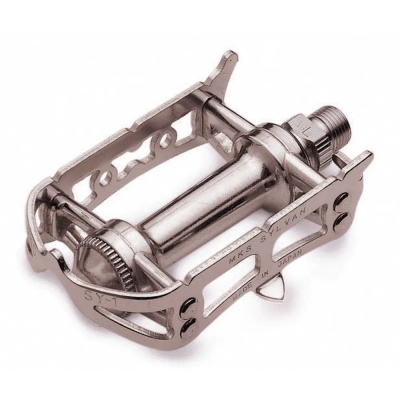
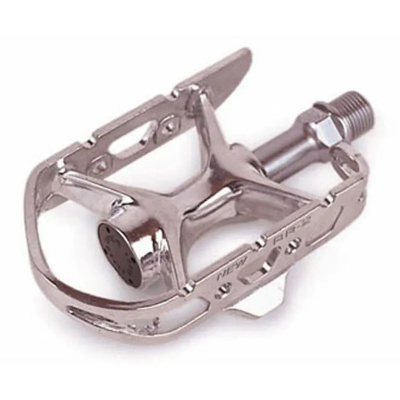
Prices and availability can change quickly. Delivery charges are not always included in listed prices.
Final price, stock status and delivery terms are set by retailer. We may receive a commission on purchases made.
Fitting Your MKS Pedals: Spindle Standards and What to Check First
The vast majority of MKS pedals use the standard 9/16 inch x 20 tpi spindle thread - the same thread you'll find on virtually every modern adult road, touring, mountain, and gravel crankset. That covers almost everything in the range, from the Sylvan Touring through to the NJS track models. There are a small number of 1/2 inch options in the catalogue aimed at vintage one-piece cranks, but if you're buying new, check your crank arm spec before you commit. It's a five-second job and saves a return trip.
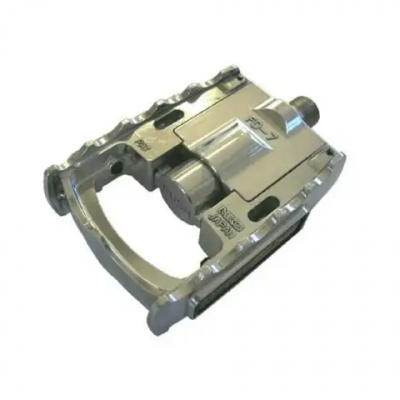
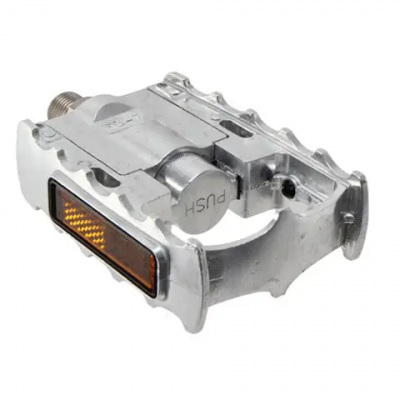
If you're running the Ezy or Ezy Superior systems on a folding bike - and they're genuinely popular on Brompton builds, which have their own pedal quirks worth knowing - there's one thing worth burning into your brain: the two systems are not cross-compatible. The standard Ezy uses a push-collar release mechanism that relies on a plastic C-clip to stop it deploying accidentally. The Ezy Superior replaces that with a twist-and-push collar, which is cleaner in use and drops the need for the C-clip entirely. The adapters that mount to your crank are different between the two systems, so you can't mix and match collars and bases from one generation to the other. Buy the pedal and adapter as a matched pair and you're fine. Mix them up and nothing will fit properly.
For riders setting up a classic steel tourer with traditional toe clips and straps, the Sylvan and RX-1 lines both have the standard front cage boss and are fully compatible with conventional clips, half-clips, and leather straps. That combination - MKS Sylvan with a quality leather strap - is a well-worn setup for audax riders who don't want to mess with cleat compatibility on a long event.
The MKS Range Explained: Which Series Does What
It helps to think of the MKS catalogue in four tiers, because each one solves a different problem.
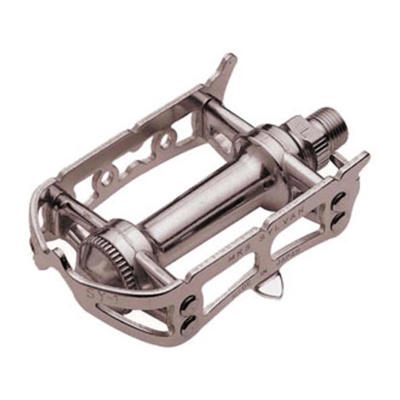
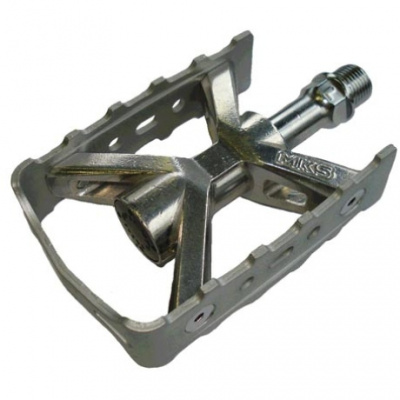
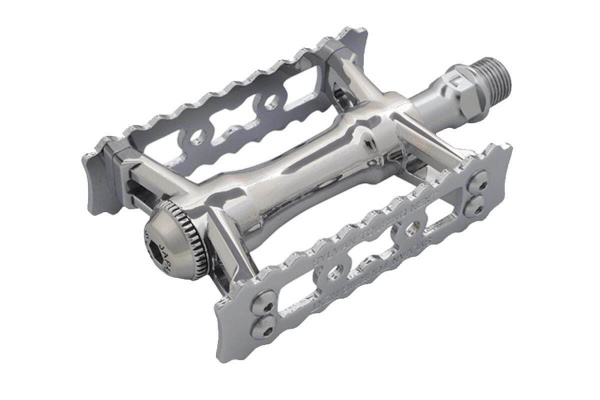
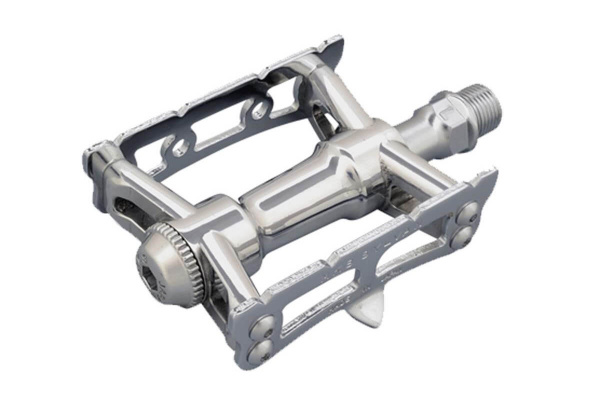
The Sylvan series - Touring, Track, Road, and Stream variants - is the heart of the range. These are traditional, rebuildable pedals with cup and cone bearings that you adjust and service yourself. The Sylvan Touring is a wider platform, well-suited to loaded riding or winter commuting in stiff shoes. The Sylvan Track is narrower and lighter, shaped for fixed-gear and single-speed use. What unites them is longevity: treated correctly, these pedals outlast most of the bikes they're fitted to.
The Next series takes the same Sylvan body shapes and swaps the cup and cone internals for sealed cartridge bearings - triple-sealed, maintenance-free units that don't need periodic repacking. If you're commuting through winter and don't want to be pulling pedals apart every few weeks, the Next series is the practical choice over the standard Sylvan. You lose the ability to tune bearing preload by hand, but you gain a pedal that simply keeps spinning without attention.
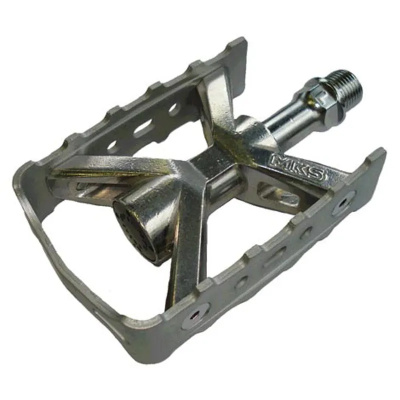
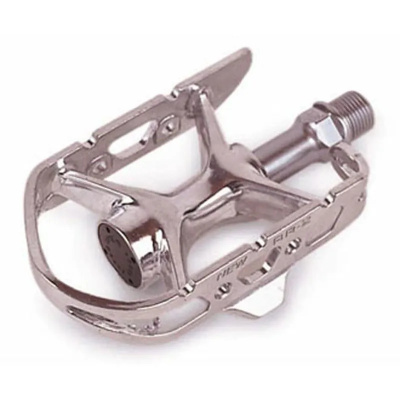
The NJS-certified track line - the RX-1 and Custom Nuevo - carries the stamp of Japan's Keirin racing certification. NJS is not a marketing term. It's a strict technical standard administered by the Japanese Keirin organisation, covering material quality, dimensional tolerances, and load testing. Both pedals are approved for professional Keirin track racing, which means they're built to absorb the kind of sprint loads that would wreck lesser hardware. For UK track riders, they're also legal for use on velodromes that require NJS-approved components. If you're comparing them to alternatives from Look's track clipless range, the difference is philosophy: MKS track pedals are designed around toe clips and straps rather than clipless engagement, which some track purists strongly prefer for the direct feel.
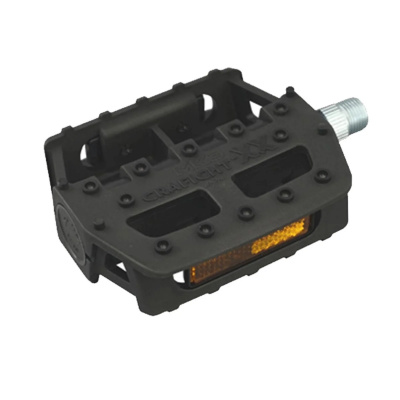
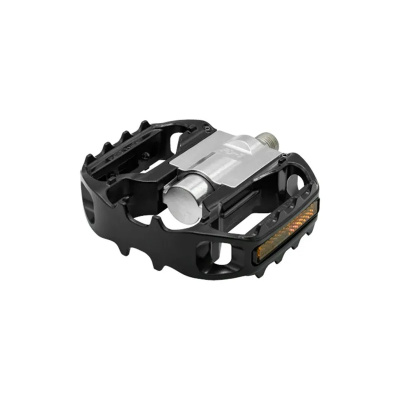
The Lambda and Gamma platforms are the flat pedal end of the range - large, low-profile aluminium bodies with aggressive pin patterns. The Gamma in particular has a pin layout that digs in on wet days, which matters if you're commuting through a British autumn on smooth-soled shoes. They're not the widest platforms on the market - something like DMR's Vault covers more foot - but they're lighter and more refined, and the bearing quality is typically a step above similarly priced flat pedals. For urban use and light trail riding, they're a solid call.
UK Conditions and Keeping MKS Pedals Running Through the Grit
Here's the honest version: cup and cone bearings and British winters are not natural friends. Road grit, constant rain, and winter salt get into unsealed bearings and wash out grease faster than you'd expect. If you're running standard Sylvan pedals through a UK winter, plan to strip, clean, and regrease them every couple of months during the worst of the season. Use a marine-grade or quality lithium grease - something that stays put in wet conditions rather than emulsifying and disappearing.
Setting bearing preload on cup and cone pedals trips people up. The correct method: adjust the cone so there's a tiny, barely perceptible amount of play when the pedal is off the bike, then tighten the locknut. That small amount of play vanishes once the locknut is properly torqued, leaving a smooth spin with no slop. Tighten the cone too far before locking it and you'll end up with stiff, dragging bearings. It's a quick skill to learn and worth getting right.
For riders who commute daily and don't want to build pedal maintenance into their routine, the Next series with its sealed cartridge bearings is a more sensible choice for winter use. You won't get the same tuneable feel, but you also won't be pulling pedals apart in the dark in February. Crank Brothers take a similar approach with their sealed-bearing flat pedals if you want a comparison point, though the MKS Next units sit in a different style bracket entirely.
One thing often overlooked: alloy pedal bodies don't love prolonged exposure to road salt. A quick rinse after winter rides and occasional wipe-down of the body with a light protectant keeps corrosion from taking hold. It takes two minutes and adds years. Worth doing.
If grip is your main concern in wet conditions - think slick urban roads or greasy cobbles - the Gamma's pin design handles that better than the smoother Sylvan body. Pairing it with shoes that have a decent rubber compound on the sole makes a real difference. The Sylvan with toe clips and leather straps is arguably more secure still once the strap is snugged down, but it's a different type of retention and takes some getting used to. Check out the clipless alternatives if you want engagement without straps, though for commuting and touring, many riders find the MKS toe clip setup hard to improve on once it's dialled in.
MKS Pedals FAQs
What is the difference between MKS Ezy and Ezy Superior pedals?
The standard Ezy uses a push-collar release that needs a plastic C-clip to prevent accidental detachment. The Ezy Superior replaces that with a twist-and-push collar, dropping the need for the C-clip and feeling cleaner in use. Critically, the crank adapters for each system are different - they're not interchangeable, so buy them as a matched set.
Do MKS pedals use sealed bearings?
It depends on the series. Classic Sylvan pedals use traditional hand-adjusted cup and cone bearings that need periodic cleaning and repacking with grease - especially through UK winters. The Next series upgrades those same body shapes with triple sealed cartridge bearings that are maintenance-free and a better fit for daily commuting in all weathers.
Are MKS pedals compatible with all bikes?
Most MKS pedals use the standard 9/16 inch x 20 tpi spindle thread that fits virtually every modern adult crankset - road, touring, mountain, or track. A small number of vintage or BMX one-piece cranks require a 1/2 inch thread instead, so check your crank spec before ordering if you're working with older or unusual equipment.