
Oxford Mitts
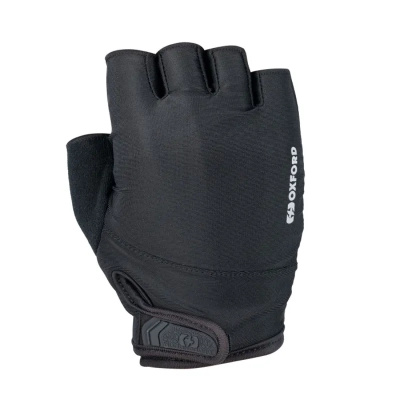
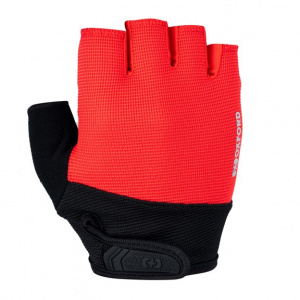
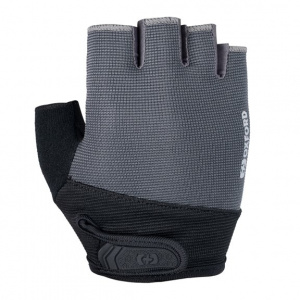
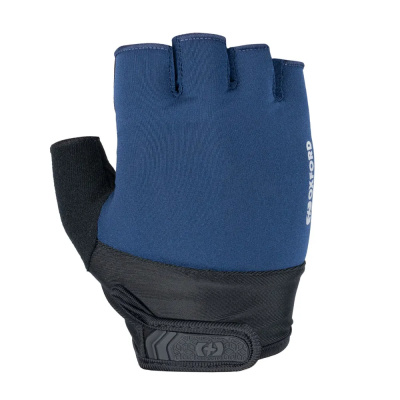
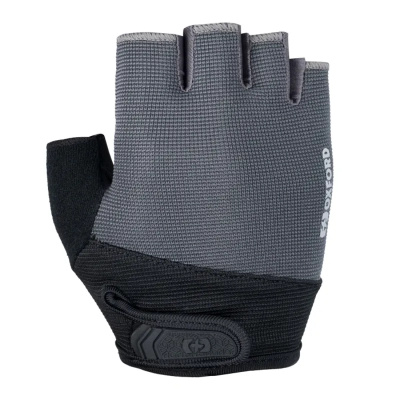
Oxford cycling mitts are built around a simple idea: your hands shouldn't pay the price for bad tarmac. Chip-seal, pothole edges, endless chip-and-spray B-roads - British roads are rough, and that vibration travels straight up your bars and into your palms on any ride longer than an hour. Oxford's fingerless mitts address that directly, pairing durable gel-padded palms with breathable mesh uppers designed to keep your hands cool and in control through sweaty summer miles.
The range covers everything from no-fuss slip-on options for commuters and fair-weather riders, through to more considered designs with velcro closure cuffs, microfibre sweat wipe thumbs, and finger pull tabs that make post-ride removal straightforward - even when your hands are swollen and damp after a long club run. Amara synthetic palm material gives you grip that holds up in the wet, while the gel padding targets the ulnar nerve specifically, which is the pressure point most riders don't think about until their little finger goes numb somewhere around mile forty. If you're also running Oxford bar tape, the vibration-damping works in tandem across the whole contact point. Practical, well-priced, and properly thought through.
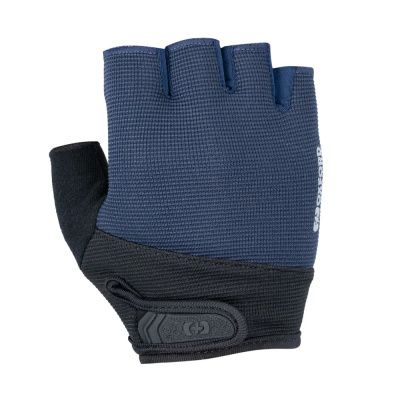
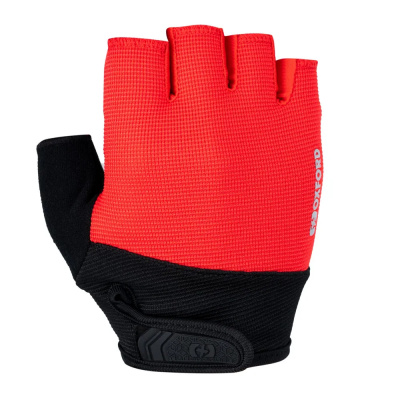
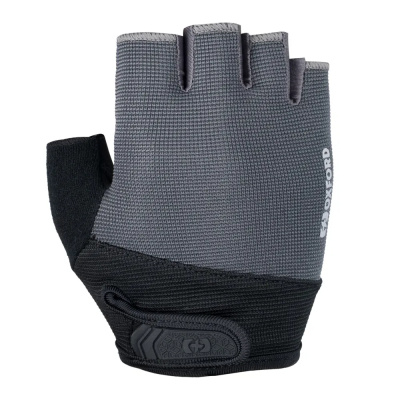
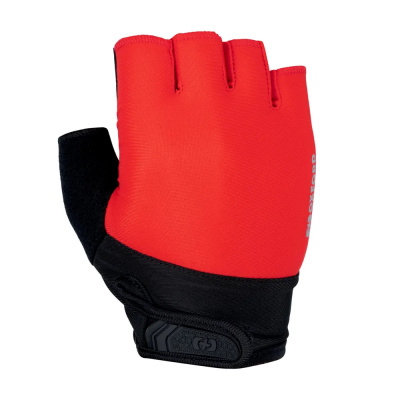
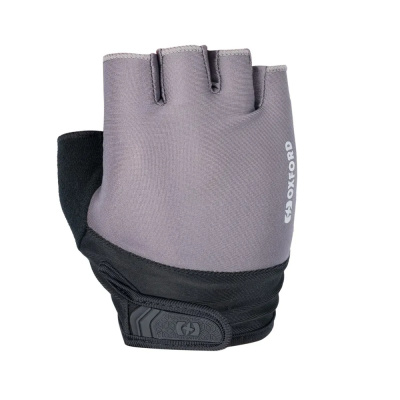
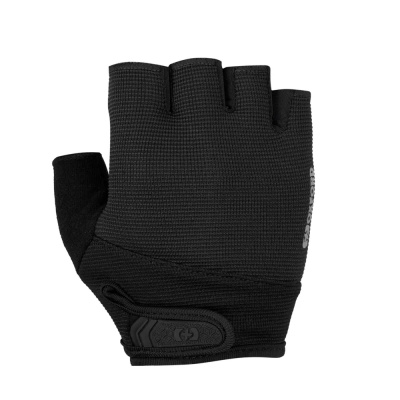
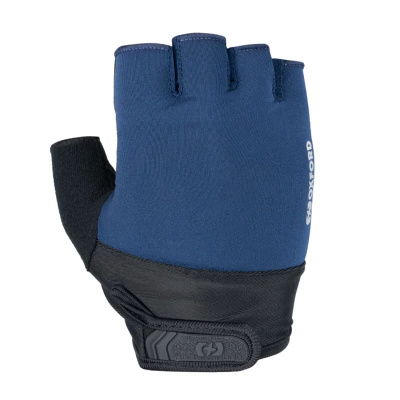
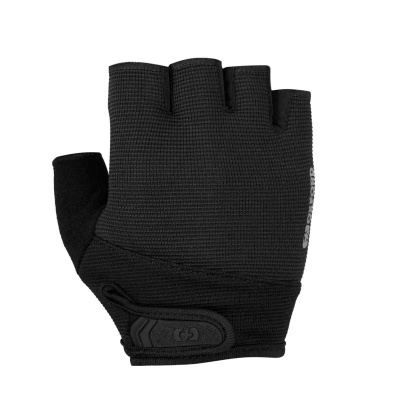
Prices and availability can change quickly. Delivery charges are not always included in listed prices.
Final price, stock status and delivery terms are set by retailer. We may receive a commission on purchases made.
Fabric Tech and Vibration Dampening for British Tarmac
The palm construction is where Oxford cycling mitts do their real work. Amara synthetic leather covers the main contact zones - it's a material that mimics the feel of suede but resists moisture better, staying grippy when your palms are sweating on a humid July morning. Crucially, it's also more consistent in thickness than natural leather, which means the gel inserts underneath sit exactly where they're intended: across the heel of the palm and along the outer edge, targeting the ulnar nerve that runs through that part of your hand.
That nerve is the reason your ring and little fingers go numb on long rides. It's compressed by bar pressure, particularly on drop bars or flat bars with a low front end, and standard foam padding doesn't do much about it. Gel absorbs the high-frequency vibration that foam passes straight through - think of it as the difference between a foam mattress and a memory foam one; both feel similar at first, but one actually responds to load. On rough Suffolk lanes or the broken surfaces around the outskirts of most UK cities, that difference is tangible over two or three hours.
The back of the hand uses Lycra and breathable mesh panels that wick sweat away rather than letting it pool. On humid summer climbs - the kind you get in the Yorkshire Dales or on a muggy evening in the Surrey Hills - this stops your hands becoming slippery inside the mitt. Are gel cycling mitts better for road riding than unpadded alternatives? For anything over an hour on rough surfaces, yes, noticeably so. The shock absorption reduces cumulative hand fatigue, which means you arrive less tense across the shoulders too. If you're comparing Oxford against Endura mitts or Altura mitts at a similar price, the Amara palm and targeted gel placement are Oxford's strongest cards.
Getting the Fit Right Across the Oxford Range
Mitts should fit like a second skin across the palm - snug, but not so tight that you can feel the seams pressing into your knuckles after twenty minutes. Too loose and the fabric bunches under the heel of your hand, which creates its own pressure points. Oxford bike mitts sizing follows standard S through XL, and the general rule is to measure across the widest part of your palm (excluding the thumb) in centimetres and match to the brand's chart.
The range splits fairly clearly. Entry-level models are slip-on with elasticated wrists - fast on, fine for short commutes, and easy to stuff in a jersey pocket if the morning starts cold and warms up quickly. Step up the range and you get velcro closure cuffs that let you adjust the fit over the back of the hand, which matters if your hands sit between sizes or swell on longer efforts. These models also include finger pull tabs at the back - small loops that let you peel the mitt off cleanly when your hands are sweaty and the Amara is gripping your skin. Worth it. Trying to strip sticky mitts off with your teeth in the car park after a three-hour ride gets old fast.
Oxford fingerless cycling gloves tend to run true to size, but if you're between sizes, going up is usually the safer call - a slightly roomier fit won't cause blisters, whereas going too small risks restricting circulation across the knuckles on hot days when your hands expand. For summer road cycling, Oxford mitts pair well with Oxford sunglasses and a lightweight Oxford gilet for that transitional weather where you can't quite commit to a full kit decision at the start of a ride.
Washing Your Mitts Without Wrecking Them
Cycling mitts take a hammering - sweat, sunscreen, road grime, the occasional crash slide. They need regular washing, but the wrong approach destroys gel inserts and Amara palms faster than the riding does. Do it right and a good pair lasts a couple of seasons easily.
First, close any velcro closure tabs before washing. Open velcro in a machine drum will shred the mesh backing of any other kit sharing the load - your bib shorts lining, your base layer, anything with a smooth woven face. Put the mitts inside a mesh laundry bag, which contains them and stops the velcro catching. Wash at 30 degrees on a gentle cycle. Hotter than that and you're softening the adhesive that bonds the gel padding to the palm lining; do it repeatedly and the gel starts to shift and bunch.
Never tumble dry them. Never drape them directly on a radiator either - concentrated dry heat does the same damage as a dryer. Lay them flat on a towel or hang them in a warm room with airflow. They'll be dry in a few hours. The Amara synthetic palm can go slightly stiff if dried too aggressively; air drying keeps it supple. If they're starting to smell between washes, a light spray of antibacterial sports kit spray and an airing usually sorts it without a full wash cycle. Checking out Madison mitts for comparison is worth doing too - but the care principles are the same across the category regardless of brand.
Oxford Mitts FAQs
Are gel cycling mitts better for road riding?
For most road riders, yes - particularly on rough UK tarmac. Gel inserts absorb high-frequency vibration that foam passes straight through, reducing cumulative pressure on the ulnar nerve. That means less hand numbness and less shoulder tension on rides over an hour. If your roads are smooth and your rides are short, standard padding is fine.
How should Oxford cycling mitts fit?
Snug across the palm and back of the hand without pinching across the knuckles or restricting finger movement. Loose mitts bunch under the heel of your hand and cause blisters. Oxford mitts generally run true to size - measure across your palm at its widest point and check the brand chart. When in doubt, size up rather than down.
How do you wash cycling mitts without ruining the padding?
Fasten the velcro, put them in a mesh laundry bag, and wash on a gentle 30-degree cycle. Always air dry flat - no tumble dryer, no radiator. High heat degrades the gel inserts and stiffens the Amara palm. Done right, a decent pair of mitts will hold up across a full season of regular washing.