
Oxford Helmets
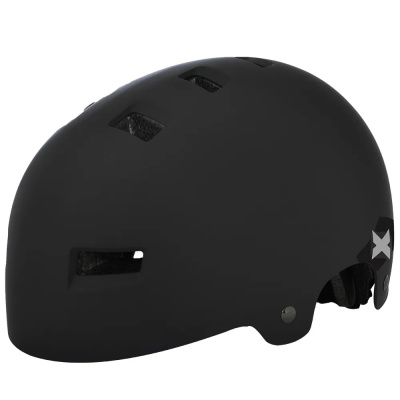
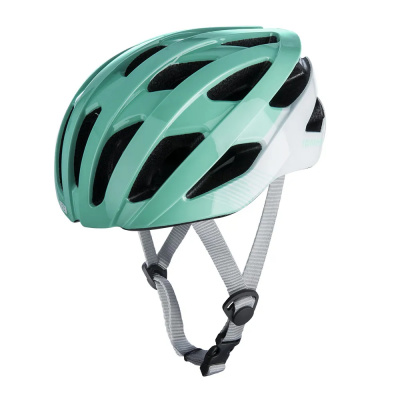
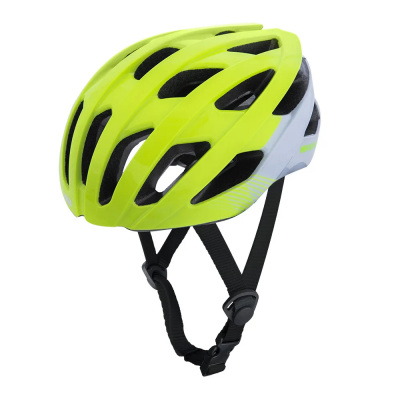
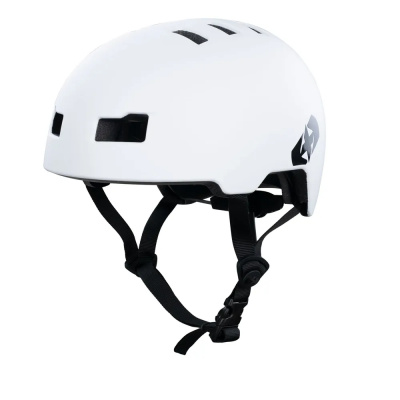
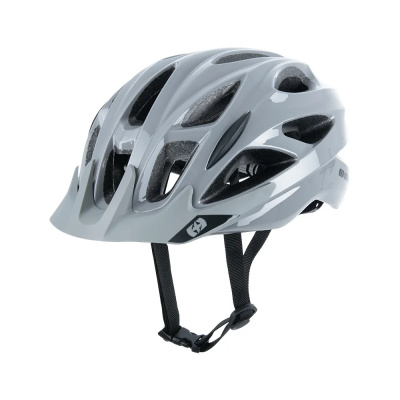
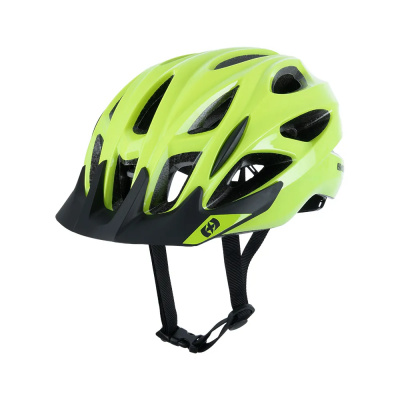
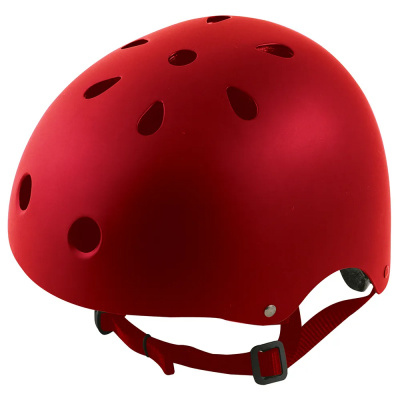
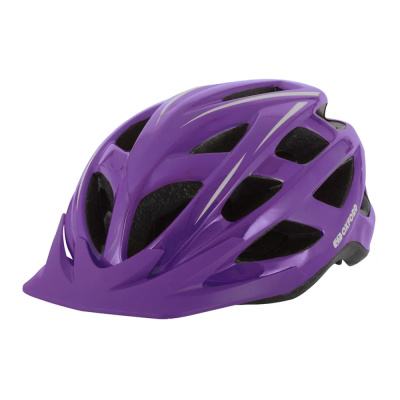
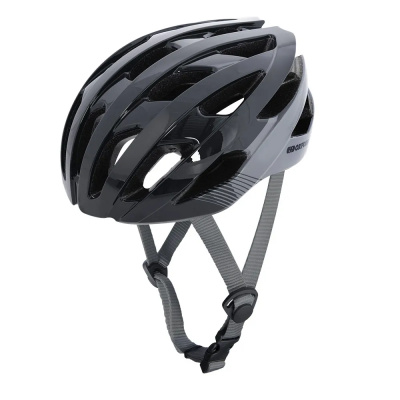
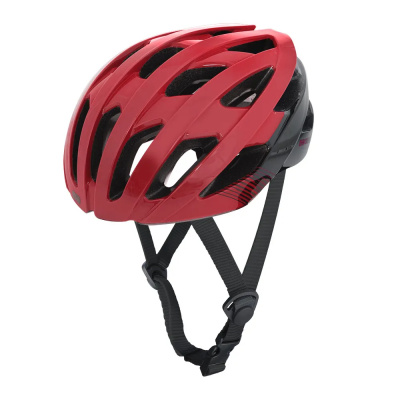
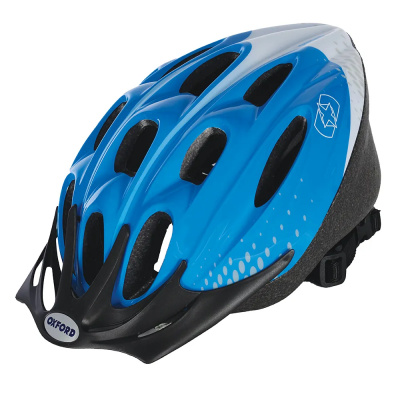
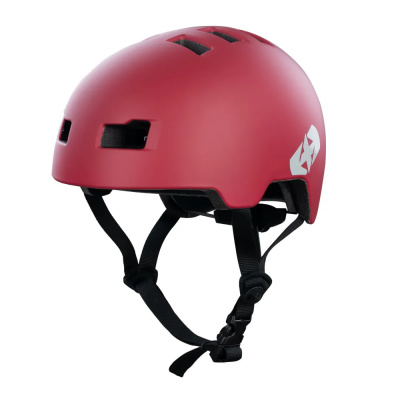
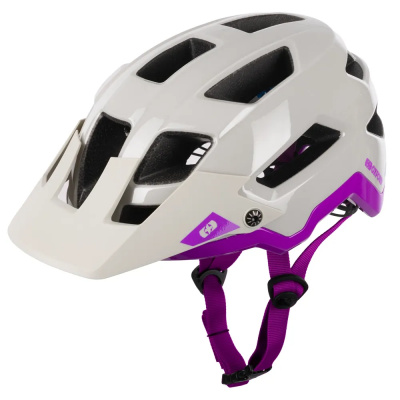
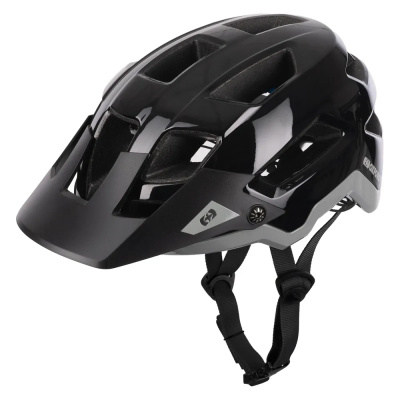
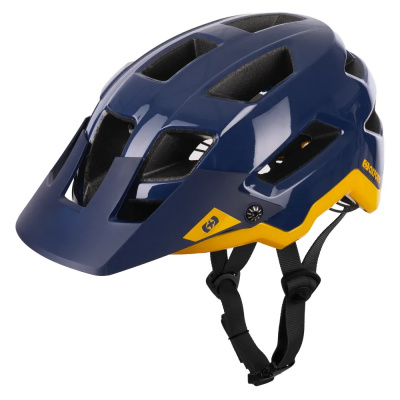
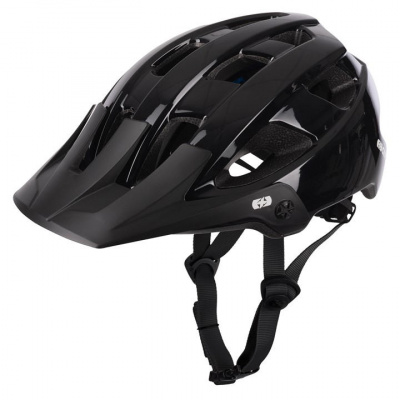
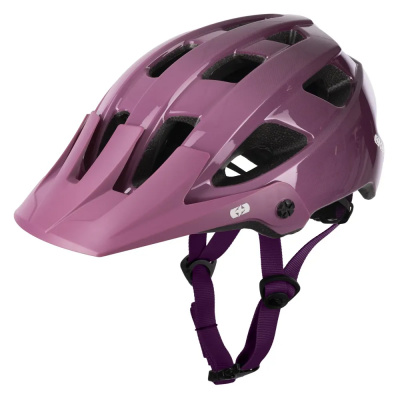
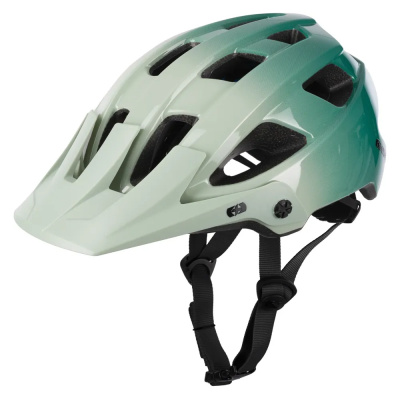
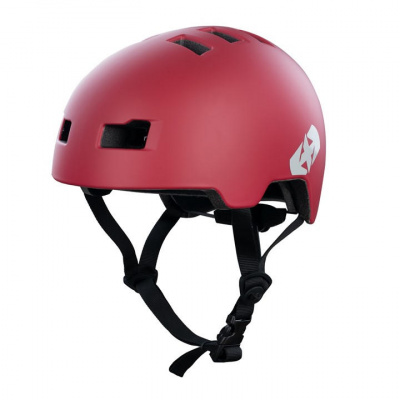
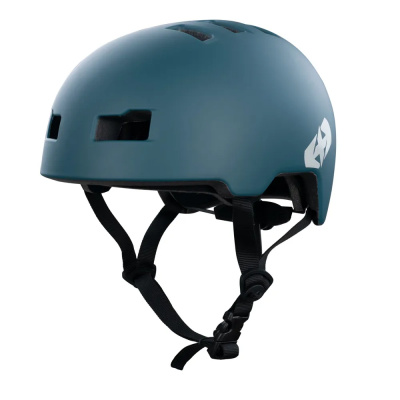
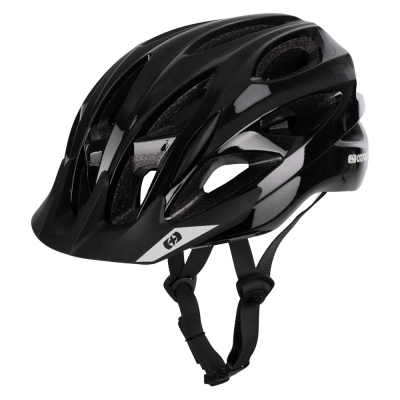
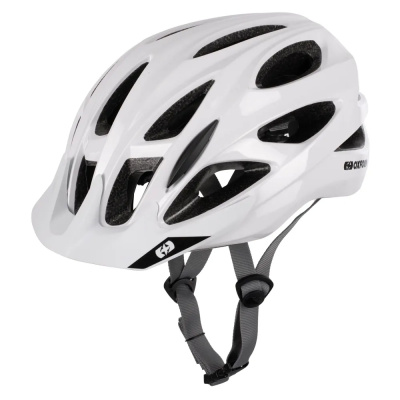
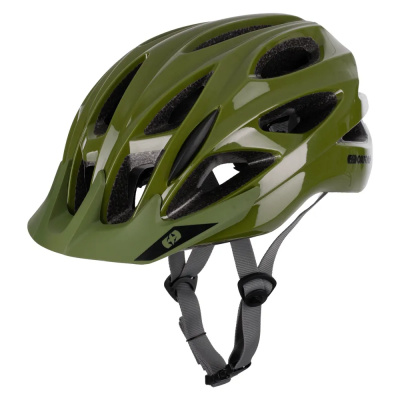
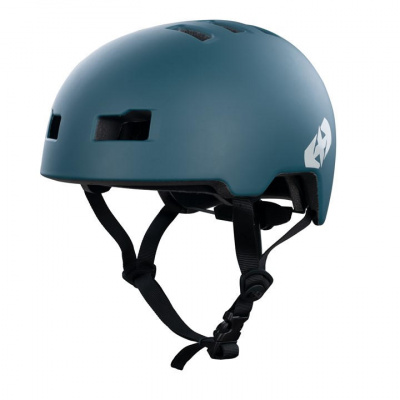
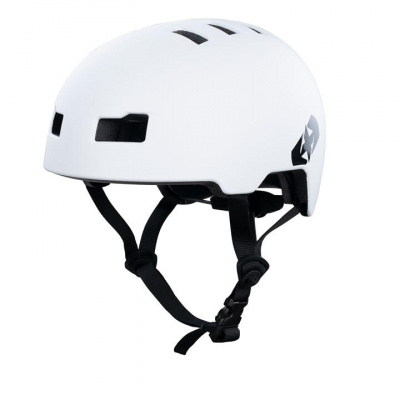
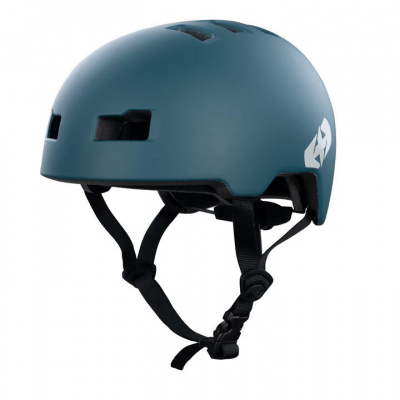
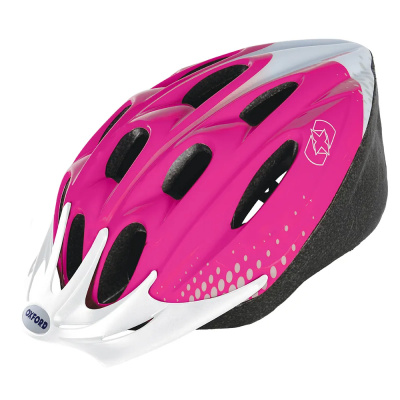
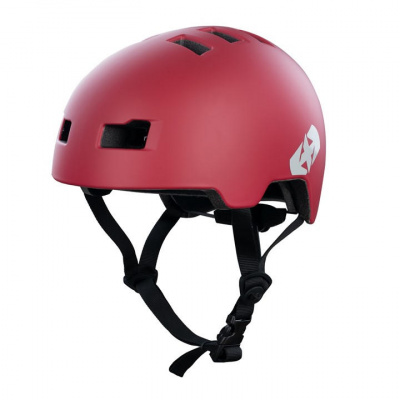
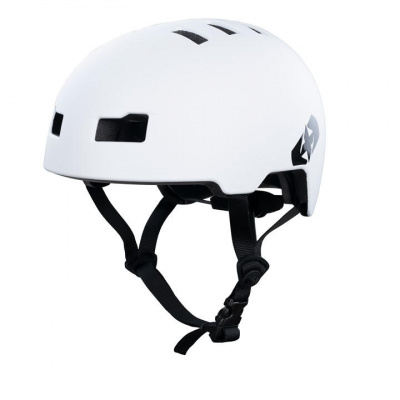
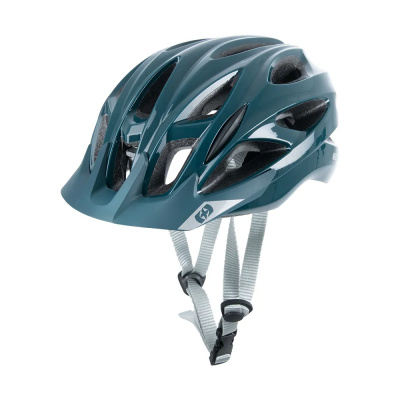
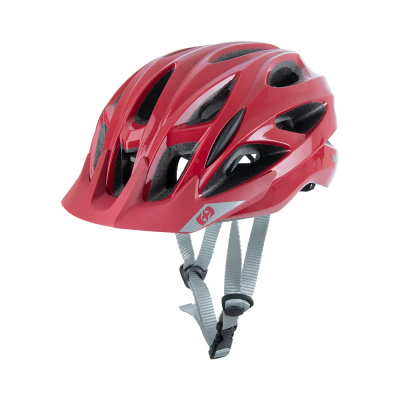
Oxford bike helmets cover the everyday end of cycling protection well - CE EN1078-certified lids that won't drain your wallet, built for commuters grinding through city traffic, weekend riders, and anyone who just wants a decent helmet without overthinking it. At the core of every Oxford helmet sits an EPS foam liner bonded to a polycarbonate shell using in-mould construction - fusing the two together rather than snapping a separate shell over the top, which saves weight and keeps the structure tight where it matters. A dial fit system at the rear lets you snug the fit in seconds, so there's no bobbing or creeping back on your head mid-ride. Select urban models add an integrated rear LED, which is a genuinely useful touch for dark November commutes - and Oxford's use of reflective detailing across the range means you're not invisible even without it. Removable peaks on trail-oriented models keep rain off your glasses, a small thing that makes a real difference when the weather turns awkward. If you're weighing up Oxford against brands like Bell or Giro, Oxford sits in a more accessible bracket - practical, proven, and honest about what it is.
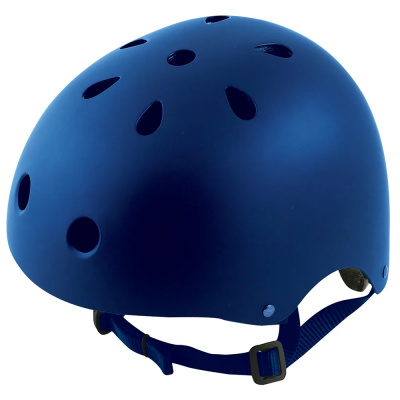
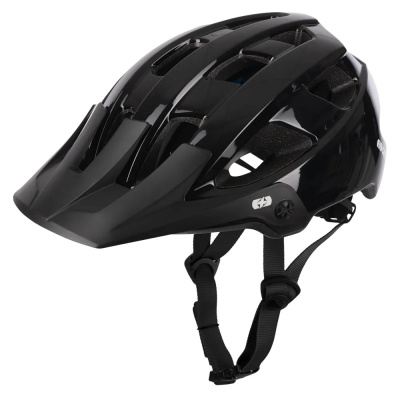
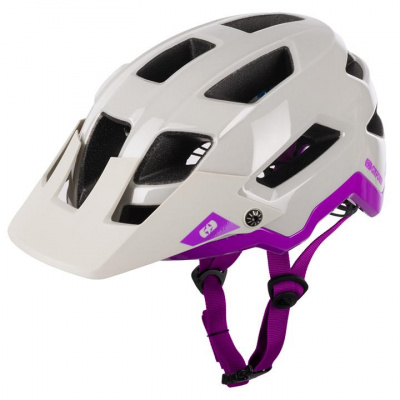
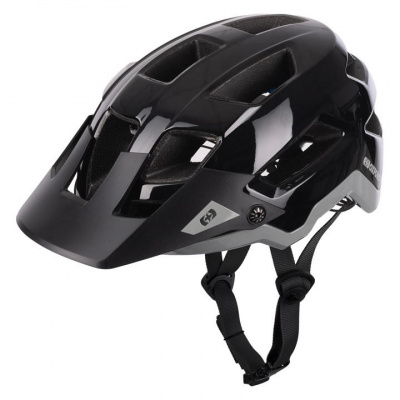
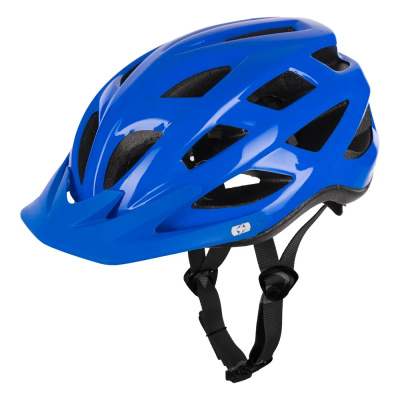
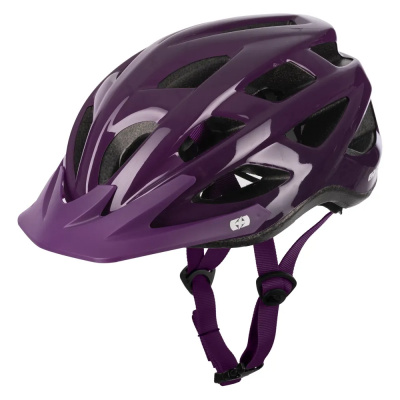
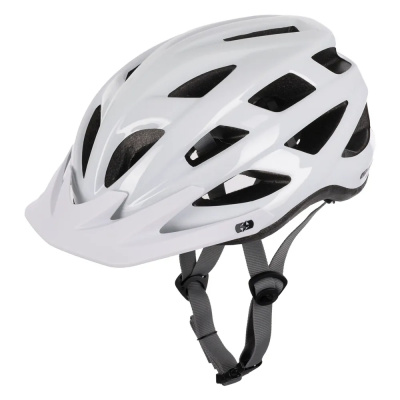
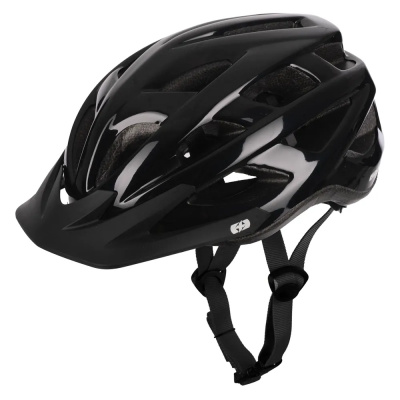
Prices and availability can change quickly. Delivery charges are not always included in listed prices.
Final price, stock status and delivery terms are set by retailer. We may receive a commission on purchases made.
Safety Tech and How Oxford Helmets Are Built
The construction method matters more than most people realise. Oxford uses in-mould construction to bond the outer polycarbonate shell directly to the EPS foam core during manufacture - rather than gluing or clipping a separate shell on afterwards. The result is a helmet that's lighter for its size and structurally more coherent: the shell and liner work together to spread and absorb impact energy rather than acting as two independent layers. That's the same basic engineering approach you'll find on helmets costing considerably more.
CE EN1078 certification is standard across the Oxford range, which is the relevant European safety benchmark for cycling helmets sold in the UK. So yes, they're road-legal and properly tested - not just marketed as safe. Oxford also builds reflective detailing into most models, which earns its place during grey winter afternoons in Leeds or Edinburgh when daylight barely shows up. On select commuter helmets, there's an integrated rear LED that clips into the shell, cutting down on the number of separate lights you need to manage. Ventilation channels run front to back to keep air moving, though Oxford helmets prioritise practicality over maximum airflow - if you're doing serious summer road climbs in the Cotswolds, you'll feel the difference compared to a performance-focused lid from Endura or Abus. For commuting and leisure riding, though, the ventilation is more than adequate.
Removable, washable moisture-wicking padding inside keeps things fresh over time - pull the pads out, stick them in a cool wash, and they're good as new. It's a minor thing until you've ignored it for a summer and then it really isn't.
Understanding the Oxford Range and Getting the Fit Right
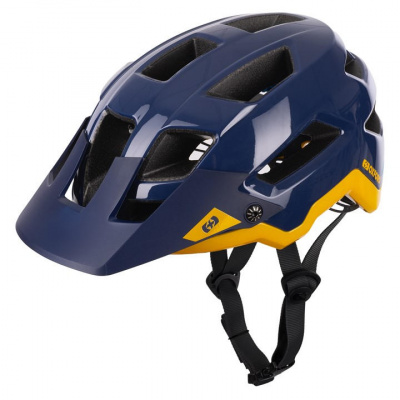
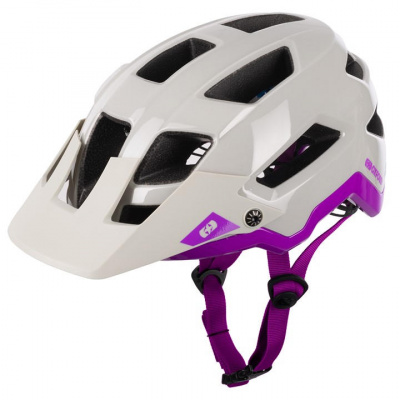
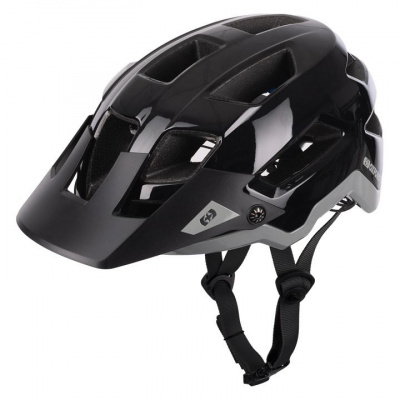
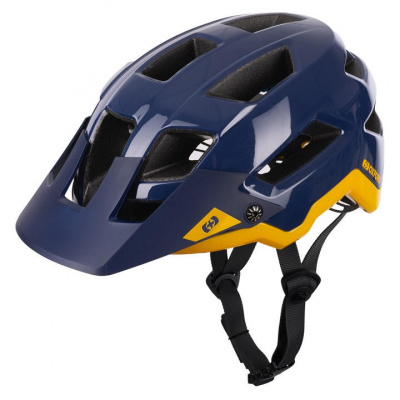
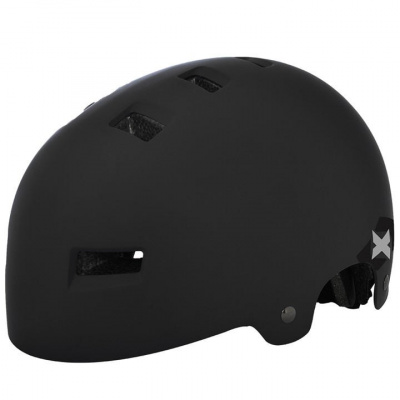
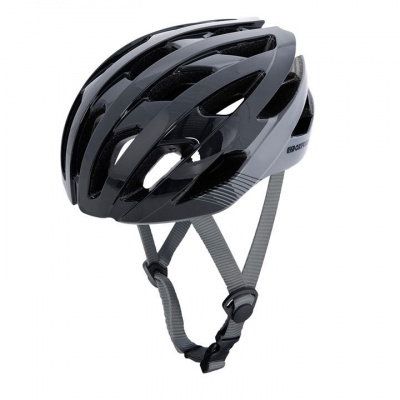
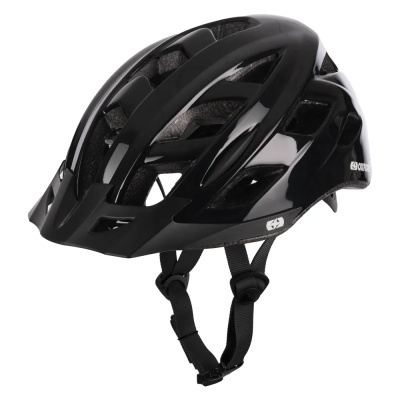
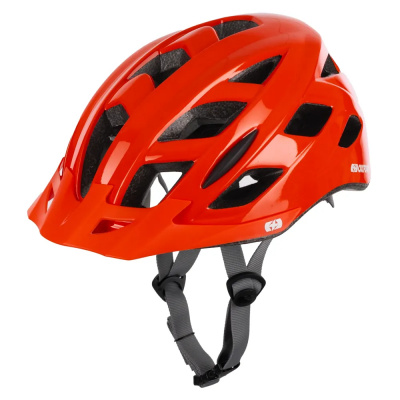
Oxford's helmet lineup splits broadly into urban commuter models and more trail-focused options with removable peaks. The commuter helmets lean towards a rounder, more coverage-focused shell shape - sensible for mixed-use riding and the kind of heads-down urban cycling where you're more worried about buses than aerodynamics. The trail-leaning models add a peak and often a slightly different shell profile with more rear coverage. Neither end of the range is going to confuse you with an overwhelming spec sheet. That's part of the point.
Sizing is where a lot of people go wrong with any helmet. Grab a soft tape measure, wrap it around your head just above the eyebrows and across the widest part of the back of your skull - that number in centimetres maps directly to Oxford's sizing chart. Don't guess. Once the helmet's on, it should sit level (not tilted back like a baseball cap), with the front edge roughly two finger-widths above your eyebrows. Then use the dial fit system at the rear - a micro-adjust retention cradle that you turn to tighten or loosen the fit around the back of your head. Dial it in until the helmet doesn't shift when you shake your head, and adjust the chin strap so two fingers fit snugly underneath. That's it. Done in under a minute.
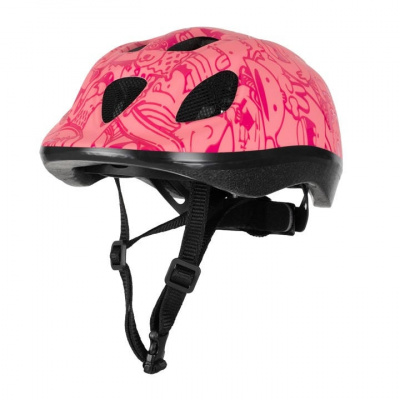
If you're outfitting younger riders, browse our dedicated Kids Helmets collection. For replacement pads or visors to extend the life of your current lid, check out our Helmet Spares section.
Riding in UK Conditions: Rain, Dark, and Everything Between
A lot of UK riding happens in conditions that helmet marketing photos never show - overcast, damp, November, barely light by 4pm. Oxford's reflective detailing and integrated LED options on commuter models are directly relevant here, not just box-ticking features. Pairing an Oxford commuter helmet with Oxford's own lights range means your visibility setup is consistent and the mounting usually plays nicely together.
Winter commuters often want to run a thermal skull cap underneath their helmet - a thin merino or fleece cap that covers the ears without adding bulk. The dial-fit retention system handles this well: just back the dial off a turn or two to account for the extra layer, then re-snug it. The fit stays secure without feeling like a vice. For reference, a standard 3mm-thick skull cap rarely pushes you into the next helmet size up, but it's worth checking the fit with the cap on before you commit to a size. You can browse compatible Oxford headwear to see what's designed to work underneath a lid.
On trail-oriented Oxford models with a removable peak, that peak is worth keeping attached for most UK riding. It's not just a style choice - on a drizzly morning in Dalby Forest or the Brecon Beacons, it keeps rain off cycling glasses and stops you squinting into the kind of flat grey light that makes wet roots invisible. If you're commuting and find the peak catches crosswind, it pulls off in seconds.
Pairing your helmet with Oxford's sunglasses range is worth considering if you're building out a commuter or leisure kit - the lens geometry on their eyewear is designed to sit comfortably under a helmet brim without fogging. And if you're carrying kit on the commute, Oxford rucksacks are built with cycling-specific fit in mind, which matters when you've got a helmet on and can't have straps riding up your neck.
One honest trade-off worth flagging: Oxford helmets prioritise coverage and practicality, so they're not the lightest option out there. If weight is a primary concern for longer road days, it's fair to look at what Giro offers at a similar price. But for most UK riders doing commutes and weekend leisure miles, the extra few grams won't register.
Oxford Helmets FAQs
Are Oxford bike helmets safe for UK roads?
Every Oxford cycling helmet meets CE EN1078 certification - the required European safety standard for cycling helmets in the UK. The in-mould EPS foam construction is designed to absorb and disperse impact energy during a crash, not just protect the outer shell.
How do I know which size Oxford helmet to buy?
Measure the circumference of your head just above the eyebrows using a soft tape measure, then match that figure to Oxford's sizing chart. Once the helmet's on, use the rear dial-fit system to fine-tune the snugness - it should sit level and not shift when you shake your head.
When should I replace my Oxford cycling helmet?
Replace it immediately after any impact, even if you can't see visible damage - the EPS foam compresses on impact and won't protect you a second time. Beyond that, every three to five years is sensible, as EPS foam degrades gradually even without crashes.