
Oxford Rucksacks
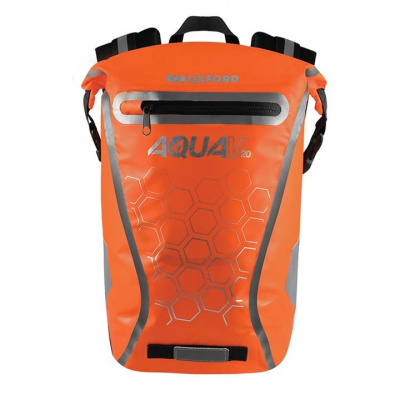
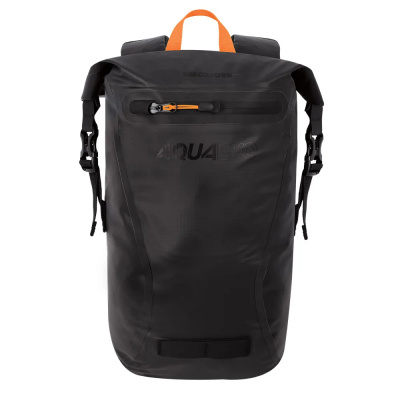
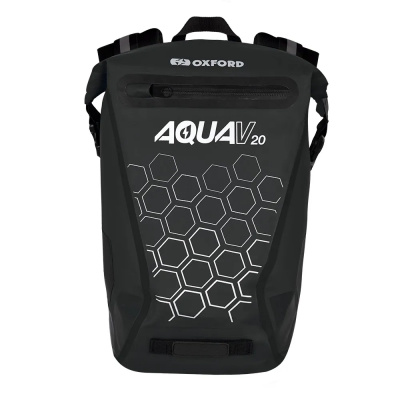
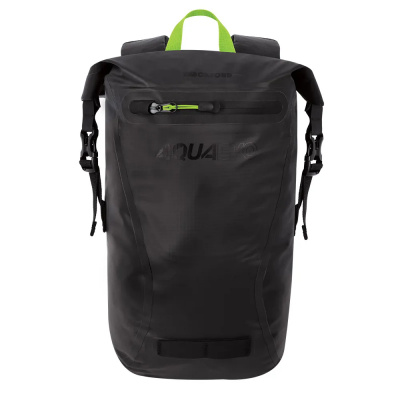
Oxford cycling rucksacks have earned a solid following among UK commuters who need luggage that takes November seriously. The range - anchored by the Aqua series - is built around one core idea: your kit stays dry, full stop. Welded seams, roll-top closures, and tough wipe-clean TPU polyurethane materials mean these bags aren't relying on a DWR coating that fades after six weeks of British winters. They're engineered to keep water out under sustained downpours and road spray alike, with IPX6 waterproof construction that holds up where zipped nylon simply won't.
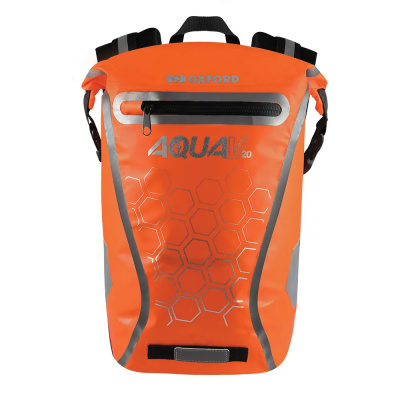
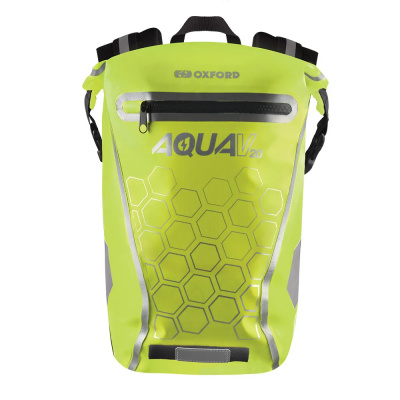
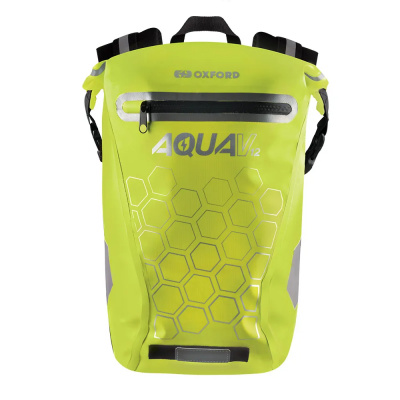
Oxford also take visibility seriously. The 360-degree reflective detailing on the Aqua V series means you're conspicuous from every angle during the dark commute - not just a single strip across the back. Capacities range from compact daypacks suited to a quick spin with a spare layer, up to full-load commuter bags that swallow a laptop, work shoes, and lunch without bulging awkwardly against your back.
If you're comparing against Altura rucksacks or Chrome rucksacks, Oxford generally sits in a more accessible price bracket without cutting corners on weather protection. Browse the full range below and find the right capacity and spec for your daily ride.
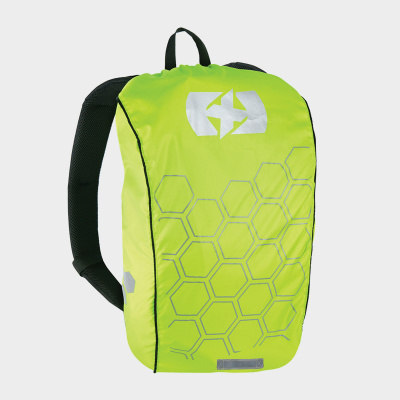
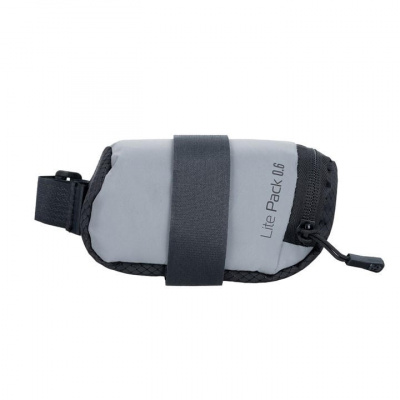
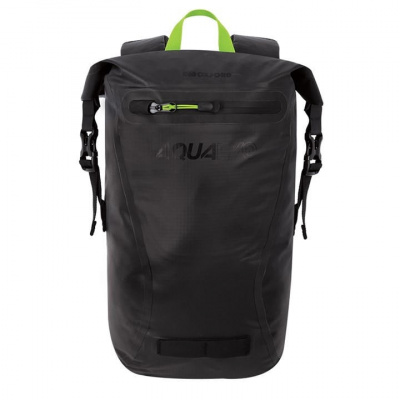
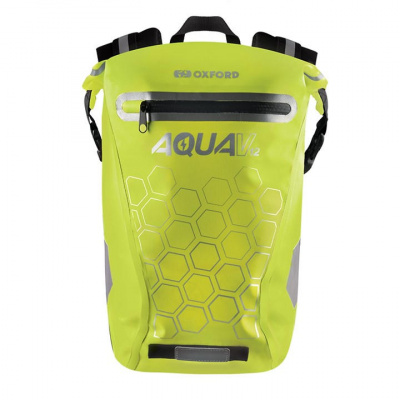
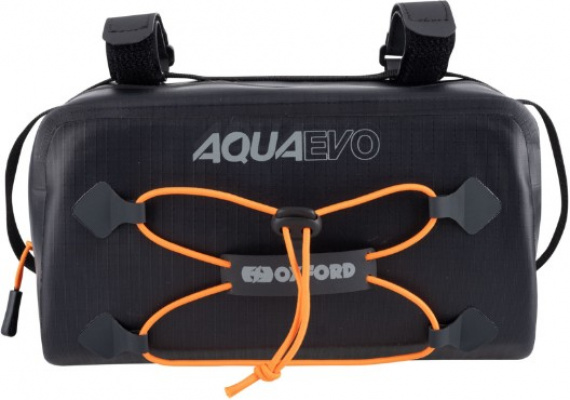
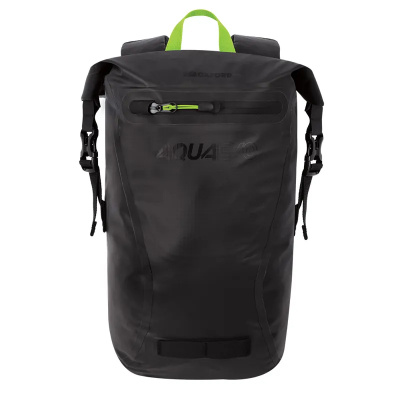
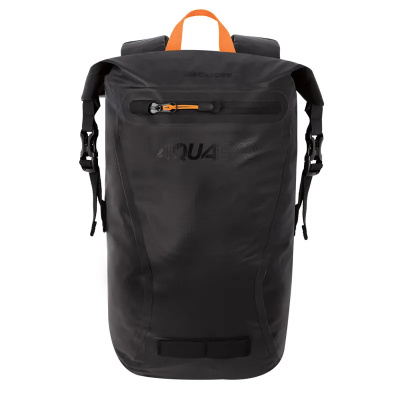
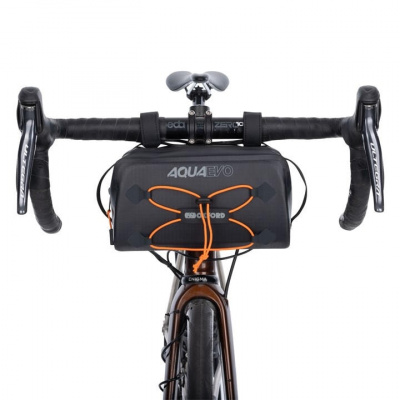
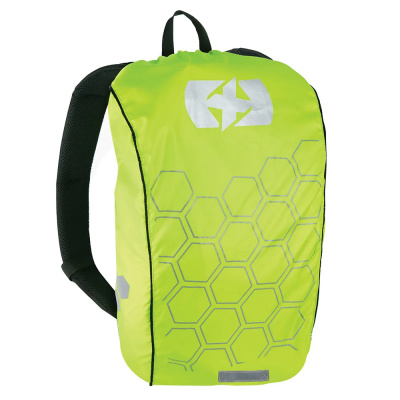
Prices and availability can change quickly. Delivery charges are not always included in listed prices.
Final price, stock status and delivery terms are set by retailer. We may receive a commission on purchases made.
Capacity, Fit and Slotting Into Oxford's Wider Kit
Getting the capacity right matters more than most people think. A 10 - 12L pack works fine if you're riding in kit and just need to carry a phone, wallet, keys, and a rain jacket - tight and stable, nothing bouncing around. Step up to 20 - 25L and you've got room for a laptop sleeve, a change of clothes, and a packed lunch; that's the range most daily commuters land on. Push to 28 - 30L and you're covering longer tours or those days when you're heading somewhere straight from the office.
Fit affects more than comfort. A poorly loaded or unsecured rucksack will shift laterally when you stand on the pedals, particularly on a harder effort or a rough road surface. Look for a chest strap harness to lock the bag across your torso, and a waist strap if you're carrying a heavier load - together they stop the bag swinging and reduce fatigue on longer commutes. The padded air mesh back panel on Oxford's Aqua bags creates a ventilation channel between your back and the bag, which matters when you're working hard on a warm morning.
If the weight is creeping up - tools, a lock, spare tubes - it's worth spreading the load across the bike rather than carrying everything on your back. Oxford bar bags and Oxford saddle bags are built to the same standard and keep heavier items lower and more stable. For dedicated water-carrying on longer MTB or endurance rides, take a look at our CamelBak rucksacks page - hydration pack systems are a different category worth exploring separately.
Oxford Rucksack Hierarchy: Aqua V Series vs Standard Daypacks
Oxford run two fairly distinct product tiers and it's worth understanding what separates them before you buy. The Aqua V Series is the headline range - constructed from heavy-duty PVC and TPU polyurethane with fully welded seams and a roll-top closure. There are no zips on the main compartment. Water simply cannot get in through a failed seam or a zip track that's been ground down by grit. These are bags you can use confidently in sustained, heavy rain without a separate pack cover.
The standard daypacks sit below that. They use lighter nylon fabrics with DWR coatings and conventional zipped closures. Perfectly functional for fair-weather riding, casual use, or days when you're not expecting much more than a light shower. They're lighter on your back and typically a bit easier to access quickly. The trade-off is obvious: DWR treatments degrade with washing and wear, so protection diminishes over time in a way the welded construction of the Aqua V simply doesn't.
What do you actually get for the extra investment in the Aqua V? Genuine long-term waterproofing, more robust materials that resist abrasion and oily road spray, and the 360-degree reflective detailing that makes a real difference on unlit roads. If you commute year-round in the UK, the Aqua V Series construction earns its keep. If you're an occasional fair-weather rider who mostly uses the bag off the bike too, a lighter standard pack might suit you better. Deuter and EVOC offer comparable tiered ranges if you want to cross-shop before deciding.
Keeping an Oxford Bag in Good Shape Through a UK Winter
A roll-top closure works by folding the bag opening back on itself multiple times, then clipping or buckling it closed. There's no zip track to fill with mud, no teeth to corrode, and no seam running across the top of the bag for water to find. In heavy, sideways rain - the kind that makes a standard DWR bag feel useless after ten minutes - the roll-top stays sealed. That mechanical simplicity is why serious waterproof cycling bags use it, and it's central to what makes the Aqua V Series construction genuinely reliable rather than just marketed as waterproof.
Day-to-day maintenance is straightforward. Road spray from your rear wheel will coat the lower half of the bag with a film of oily grit - it's unavoidable unless you're running full mudguards. The TPU and PVC outer of the Aqua bags handles this well: wipe it down with a damp sponge or cloth after a mucky ride and it comes up clean. No special products needed. Don't put a waterproof cycling backpack in the washing machine - the combination of detergent, heat, and mechanical agitation will delaminate the waterproof coatings and destroy the welded seams that make these bags worth buying in the first place. A damp cloth genuinely is all you need.
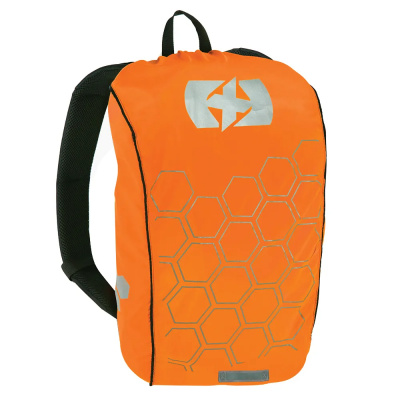
On visibility - the 360-degree reflective detailing on the Aqua V Series isn't decorative. Reflective strips that only run across the back of a bag leave your sides invisible to drivers on junction approaches. Coverage that wraps the full bag gives drivers a clear signal of your presence from much wider angles, which is particularly relevant on darker mornings when a pair of Oxford lights alone aren't always enough to make you conspicuous from every direction.
Oxford Rucksacks FAQs
Are Oxford Aqua rucksacks completely waterproof?
Yes. The Aqua series uses welded seam construction and a roll-top closure to deliver an IPX6-rated waterproof seal. Unlike bags relying on DWR coatings or standard zips, this construction keeps water out in heavy, sustained downpours and direct road spray - the kind of conditions UK riders face regularly through autumn and winter.
What size cycling rucksack do I need for commuting?
For most daily commuters, 20 - 25L is the practical range - enough for a laptop, a change of clothes, and lunch without the bag sitting too high and pulling on your shoulders. If you're riding in kit and just need the basics, a 10 - 12L pack stays tight and stable. Go to 28 - 30L if you need to carry more substantial kit regularly.
How do I clean my Oxford waterproof cycling bag?
Wipe the outer shell down with a damp cloth or sponge - the TPU and PVC materials on the Aqua series are built for exactly this. Road grit and spray come off easily. Never machine wash a waterproof cycling bag; the heat and detergent will break down the welded seams and destroy the waterproof coating, which can't be reversed.