
Endura Helmets
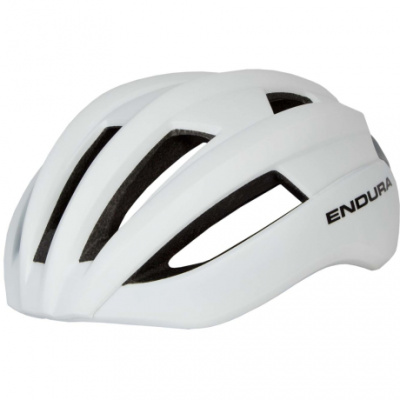
Endura helmets have earned their reputation the hard way - developed by a Scottish brand that knows full well what riding in genuinely horrible weather actually means. From midsummer Highland climbs that leave you soaked in sweat to January commutes through city sleet, this range covers road cyclists, trail riders, and daily commuters without cutting corners on protection or comfort.
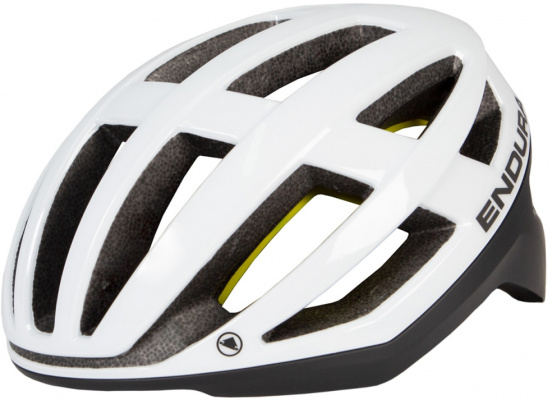
What sets Endura apart is the combination of impact technologies they've built into their lids. Koroyd cores replace chunks of traditional EPS foam with a structure of welded engineered tubes that crush more efficiently on impact and let air flow through far more freely. Pair that with MIPS rotational protection - found across the premium end of the range - and you've got a helmet that handles both direct hits and the angled impacts that cause the most damage in real crashes.
Fit is dialled through a one-handed micro-adjustment retention system, so you can tighten on the move without fumbling. The antibacterial removable padding keeps things fresh across long weeks of riding. Whether you're picking a trail lid with goggle docking for muddy Welsh singletrack or a lightweight road helmet for your regular chain-gang, there's a clear and considered option here.
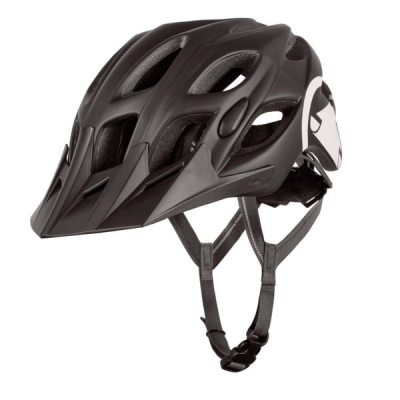
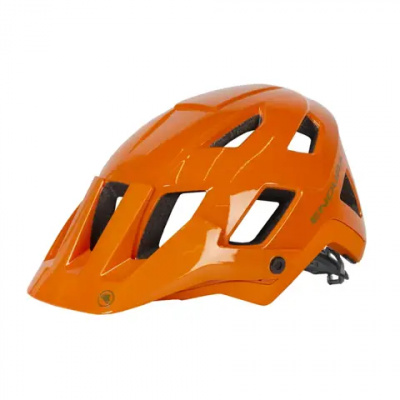
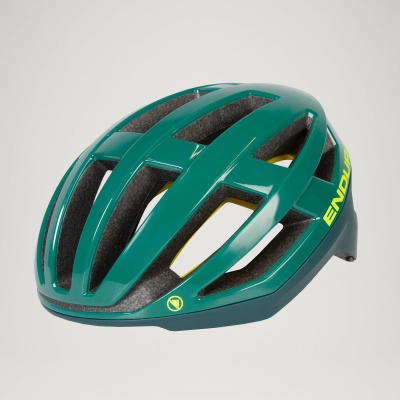
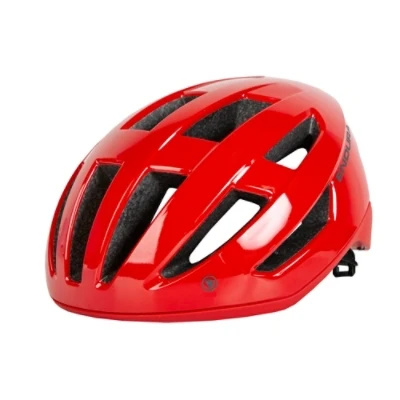

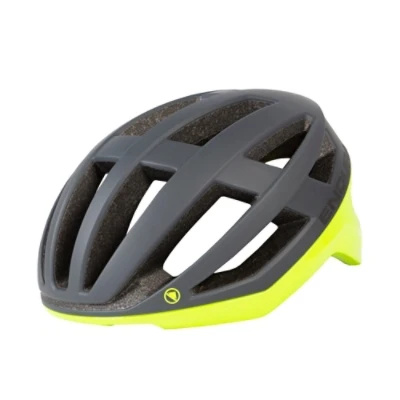
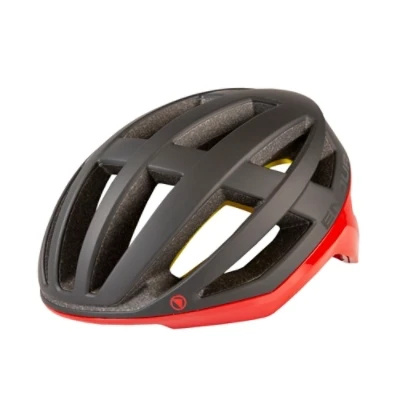
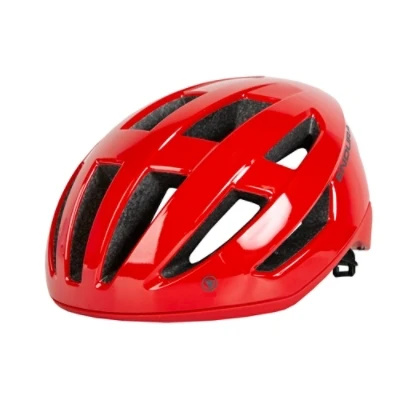
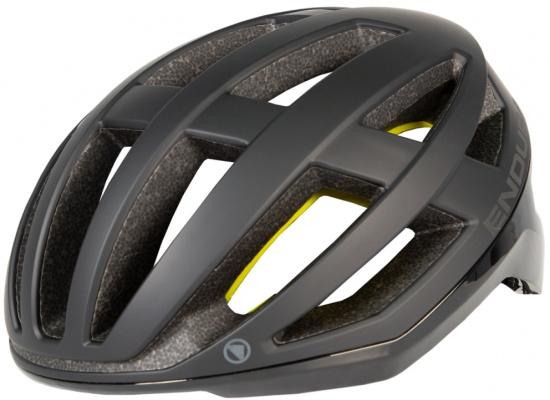


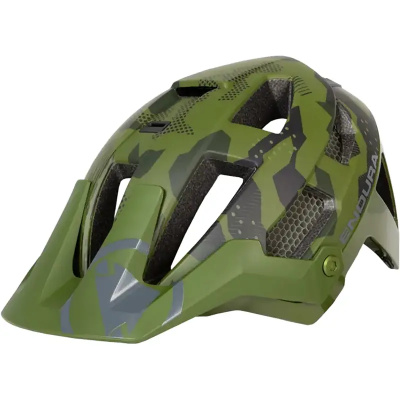
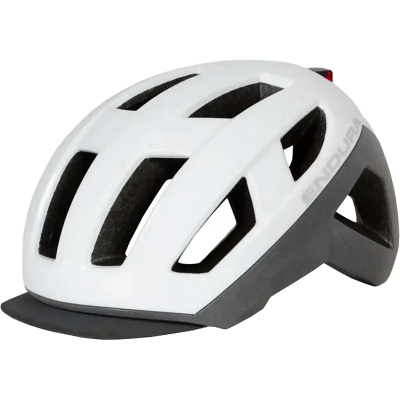
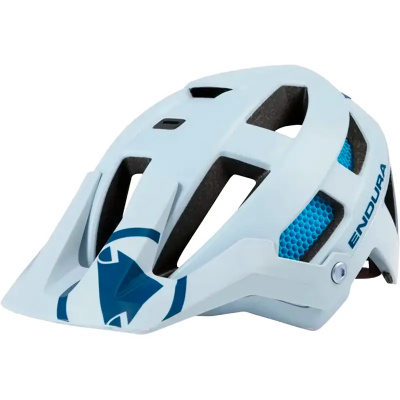
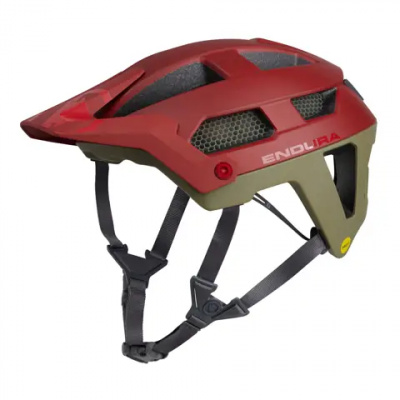
Prices and availability can change quickly. Delivery charges are not always included in listed prices.
Final price, stock status and delivery terms are set by retailer. We may receive a commission on purchases made.
Impact Tech and Ventilation: Koroyd and MIPS Explained
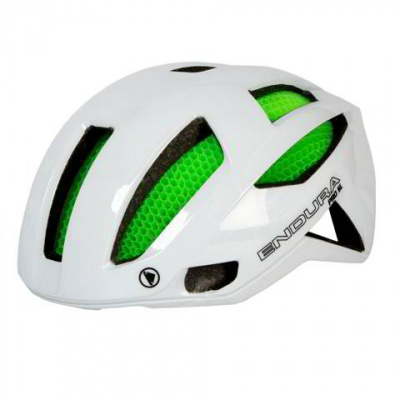
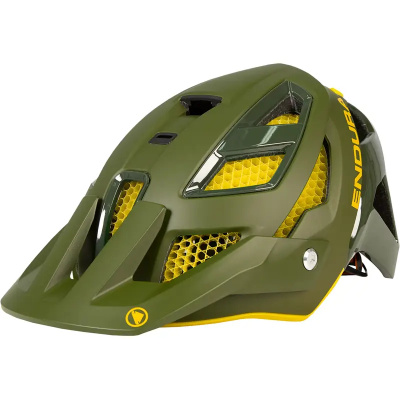
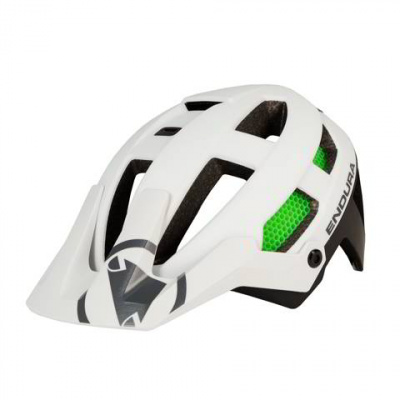
Look inside any Endura Koroyd helmet and you'll spot the material immediately - those dense, straw-like green tubes bonded together in a honeycomb structure. That's Koroyd, and it works differently to the solid EPS foam you find in most helmets. On impact, the welded tubes crush uniformly across the strike zone, spreading and absorbing energy more efficiently than foam can manage. The practical upside beyond protection is airflow: because the structure is open rather than solid, heat escapes through the Koroyd core itself, not just around it. On a muggy August climb in the Brecon Beacons, that difference is noticeable.
MIPS handles a separate but equally important problem. Most real-world crashes involve an angled impact rather than a straight-down blow, and that angle creates rotational forces that transfer to the brain. The MIPS liner - a low-friction layer sitting between your head and the shell - allows the helmet to rotate a few millimetres independently on impact, reducing that rotational load. Models like the MT500 and Pro SL carry MIPS as standard at the premium end; it adds a small amount of weight but the trade-off is well worth it for anyone pushing their riding hard.
Together, Koroyd and MIPS give Endura's top-tier lids a genuinely dual-focus safety architecture. Neither is just a marketing badge - both address distinct crash mechanics, and both do so without bloating the helmet into something heavy and airless. Pair your lid with Endura body armour if you're heading into serious trail territory and want full-system protection.
Understanding the Endura Helmet Range and Fit
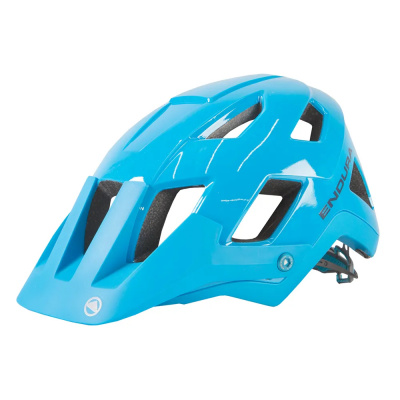
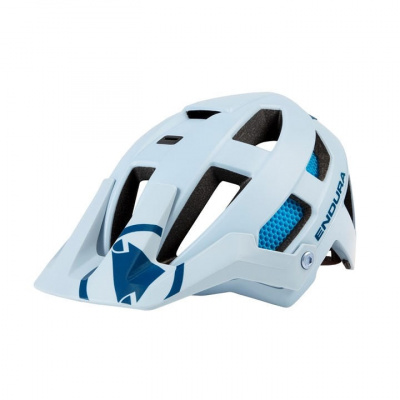
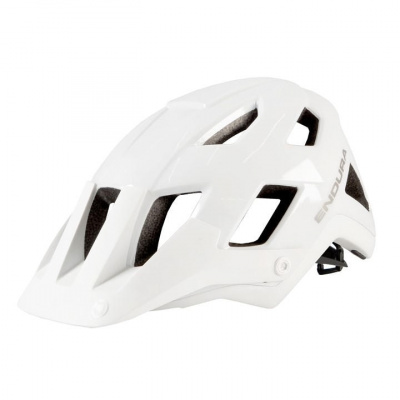
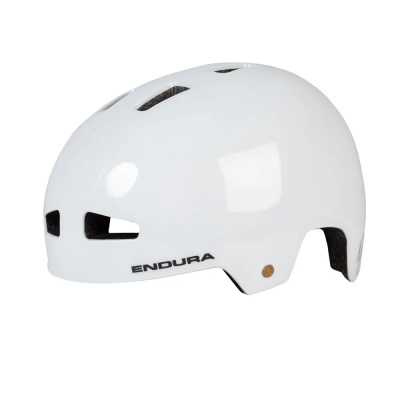
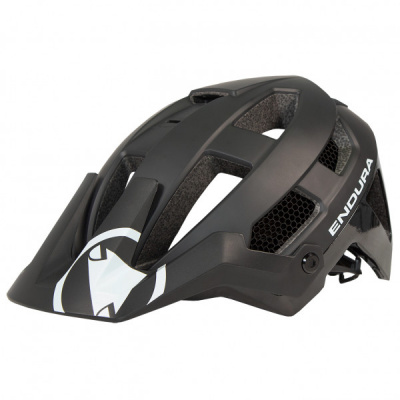
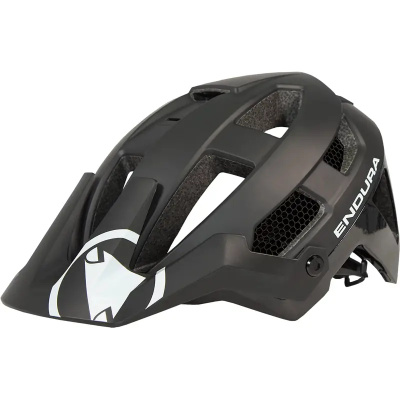
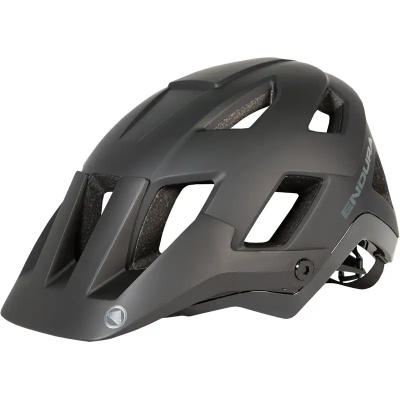
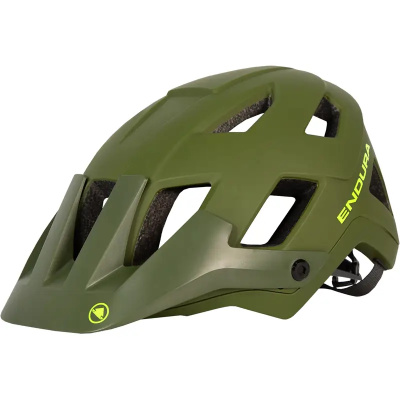
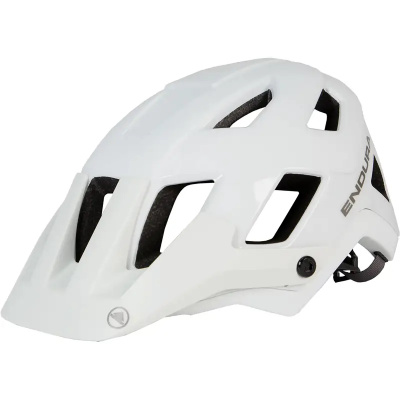
Endura structures their helmet range around distinct riding disciplines, and it's worth knowing which family fits your riding before you start comparing specs. The MT500 and SingleTrack models are the trail and enduro workhorses - both feature adjustable visor peaks that work with goggles and keep roost out of your face, plus goggle docking to stash eyewear on the climb. The MT500 carries Koroyd and MIPS on its upper variants, making it one of the more serious trail lids available without stepping into full-face territory.
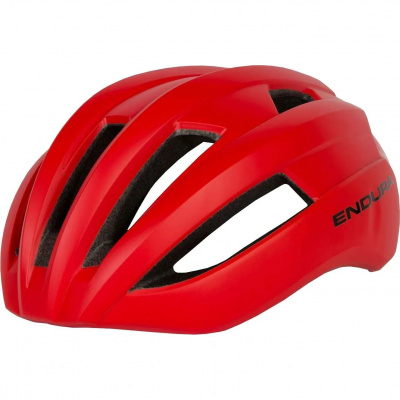
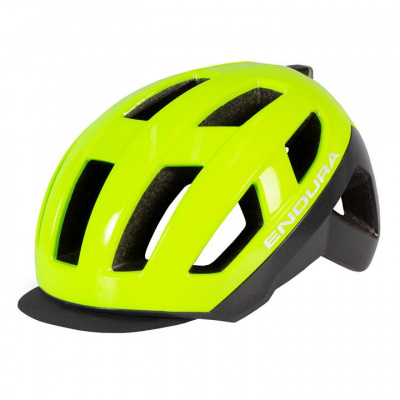
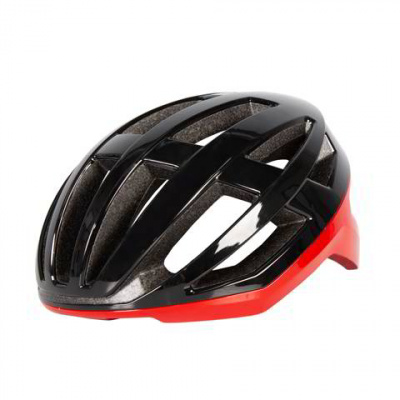
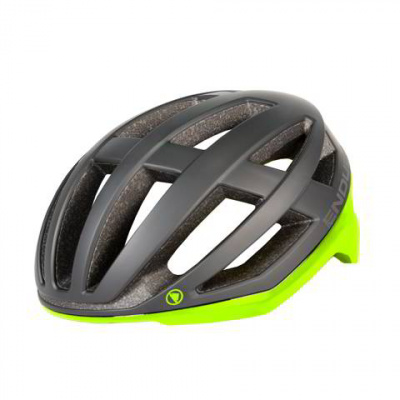
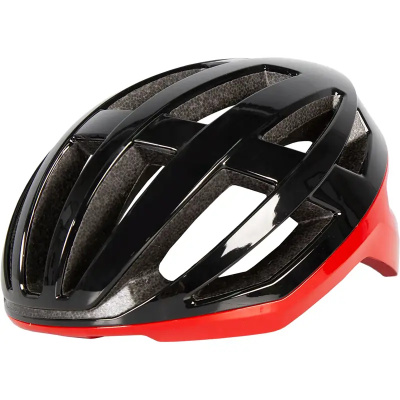
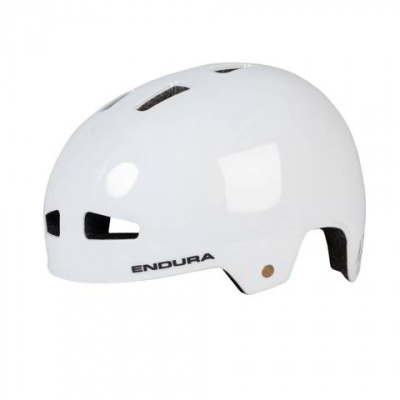
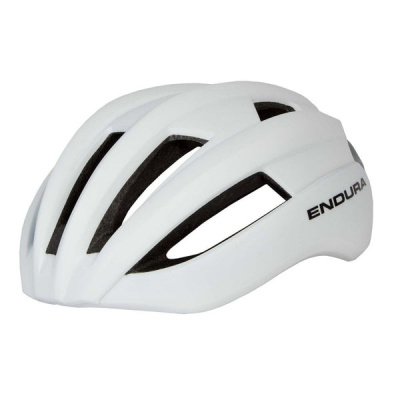
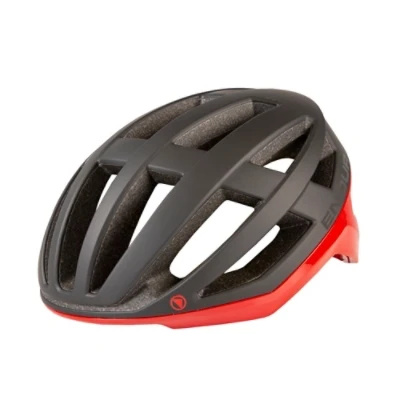
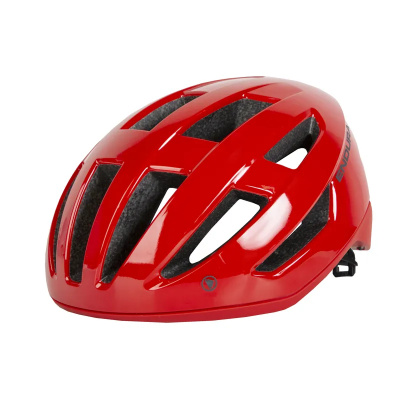
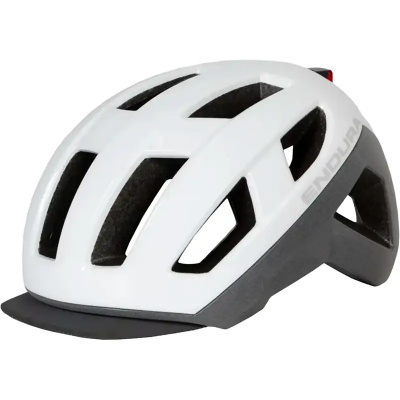
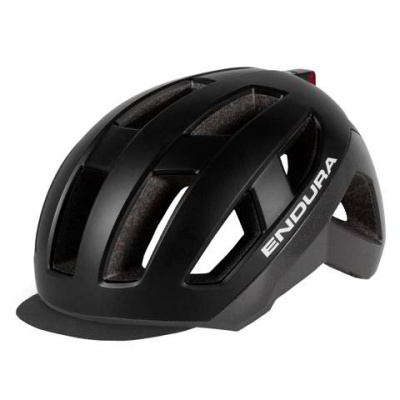
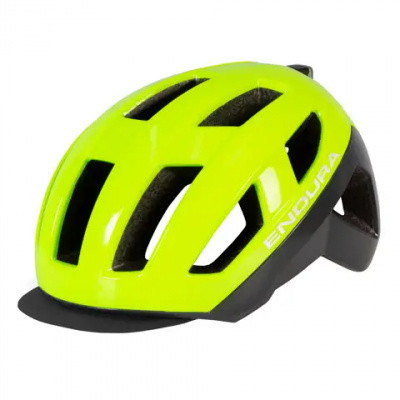
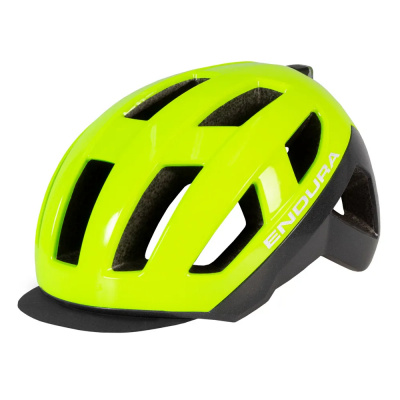
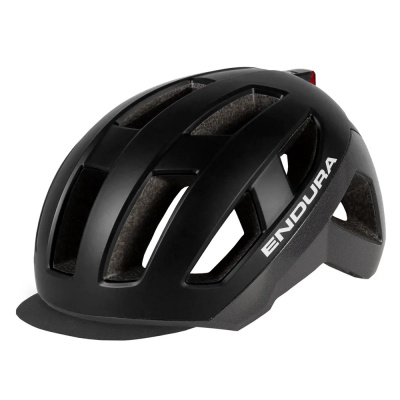
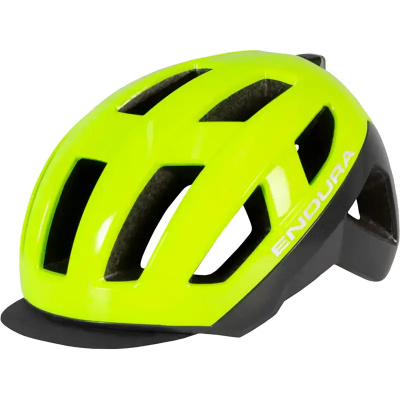
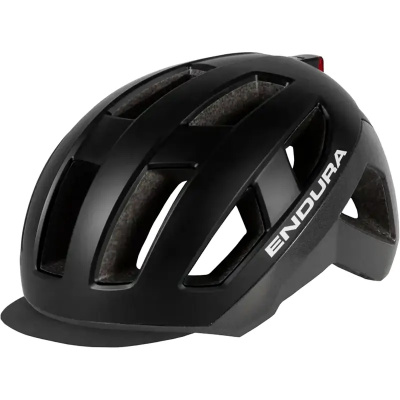
For road riders, the Pro SL is built around aerodynamic efficiency and low weight, with ventilation channels optimised for higher speeds rather than the stop-start airflow of trail riding. It's not the flashiest aero lid on the market, but it's a focused, well-priced option that competes honestly with alternatives from brands like Endura's own eyewear pairing range. Commuters and urban riders are covered by the Urban and Luminite lines, where visibility and practicality take priority over weight savings - integrated LED compatibility and high-visibility colourways make these a sensible choice for city riding in low light.
Endura helmets are cut to an intermediate oval shape, which suits the majority of UK riders without needing adjustment. The one-handed micro-adjust dial at the rear lets you fine-tune the retention system quickly and precisely, even mid-ride with gloves on. Size ranges run from XS through to XL on most models - always cross-reference your head circumference against the brand's own size chart rather than guessing by clothing size alone.
Looking for downhill-certified protection? Browse our dedicated Endura Full Face Helmets range. Sizing up the little ones? Head over to our Endura Kids Helmets collection.
UK Riding: Weather Adaptability and Looking After Your Lid
British riding means wearing the same helmet across genuinely opposite conditions, sometimes in the same week. In winter, most Endura helmets work well with a thin thermal skull cap or buff underneath - the micro-adjust dial has enough travel to accommodate the extra layer without the fit going loose or pressured. Endura's own cycling headwear range is cut with this in mind, so a Endura skull cap under an Endura lid tends to play nicely together without bunching at the retention ring. Just check you can still cinch the dial down firmly - a loose helmet in a winter pile-up is no helmet at all.
The Koroyd structure does attract mud on wet trail days, but it's easier to clean than it looks. Warm water and a soft brush work through the tube matrix without damaging the bonded structure - avoid pressure washers, which can force grit deeper into the core. The antibacterial removable padding pulls out on most models and can be hand-washed separately; doing this every few weeks in summer prevents the kind of sweat build-up that shortens pad life and makes the helmet unpleasant to wear. Let the padding air-dry fully before refitting rather than forcing it back damp.
One practical point worth knowing: if your helmet takes a significant impact - even one that looks superficial - replace it. The Koroyd and EPS foam structures are designed for single-event absorption, and a compromised helmet won't protect you the same way twice. Check whether your specific model qualifies for a crash replacement scheme at point of purchase; some retailers offer this as part of the sale.
Related searches:
Endura Helmets FAQs
How do Endura helmets fit?
Endura helmets are cut to an intermediate oval shape that works for most riders without modification. They generally run true to size, so measure your head circumference and match it to the brand's size chart. Once you've picked the right size, the rear micro-adjust dial lets you dial in the retention system for a secure, bounce-free fit - you should be able to do it one-handed, even with gloves on.
What is Endura Koroyd technology?
Koroyd is an impact absorption system built from welded engineered tubes - you'll recognise it by the distinctive green, honeycomb-like structure inside the helmet. On impact, the tubes crush uniformly across the strike zone, absorbing energy more efficiently than solid EPS foam. The open structure also improves ventilation, allowing heat to escape through the material itself rather than just around it.
Do Endura helmets have MIPS?
Yes - MIPS features across the premium end of the Endura range, including the MT500 and Pro SL lines. It works by allowing the helmet shell to rotate a small amount independently from your head during an angled impact, reducing the rotational forces transmitted to the brain. Not every model in the range carries it, so check individual product listings if MIPS is a priority for you.