
Endura Kids Helmets
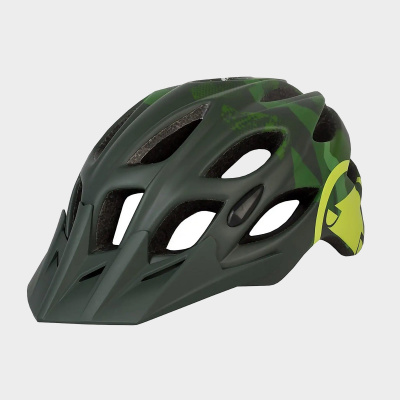
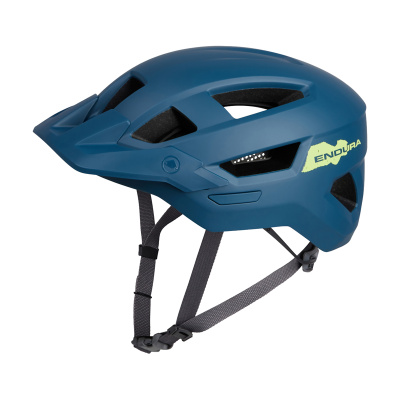
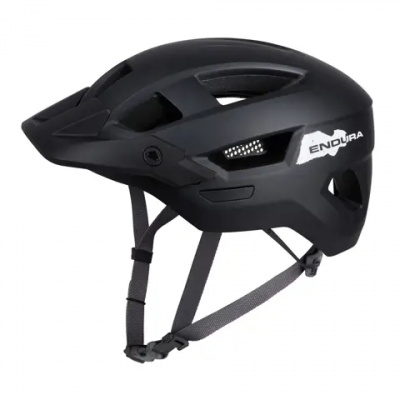
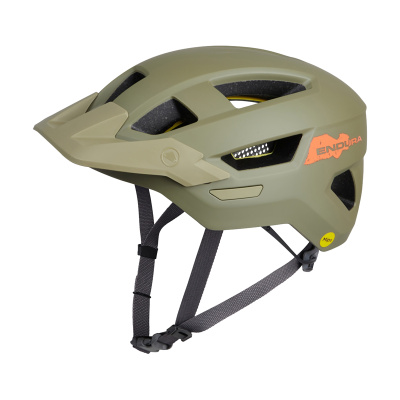
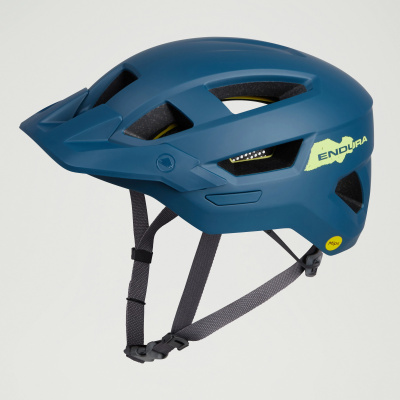
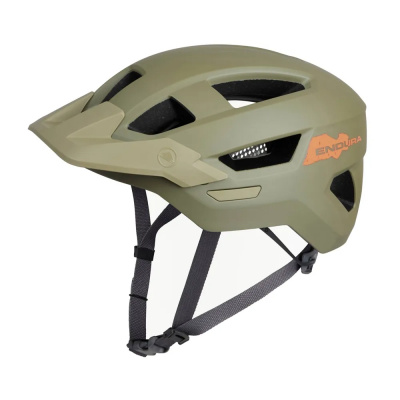
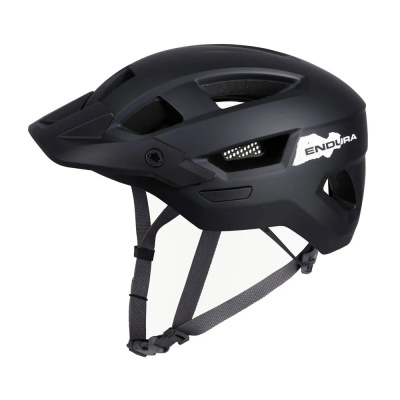
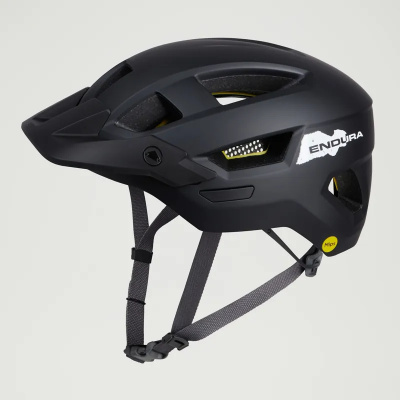
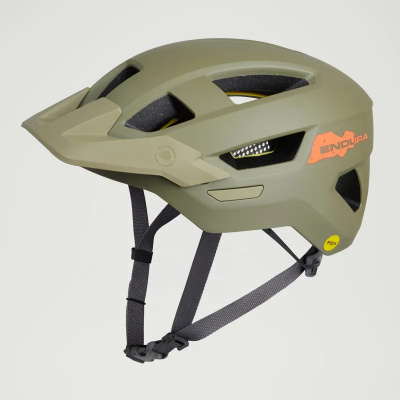
Endura Kids Helmets take the same rugged, trail-proven thinking behind the brand's adult range and scale it down for riders who are still growing into the sport - and into their heads. These lids are built around a one-handed micro-adjust dial that tightens and loosens in seconds, so a helmet that fits in October still fits properly come spring without needing a replacement. That matters when kids grow fast and budgets don't stretch indefinitely.
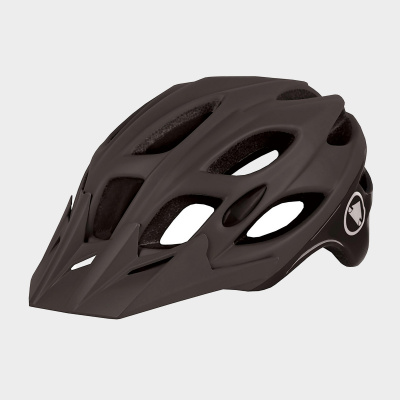
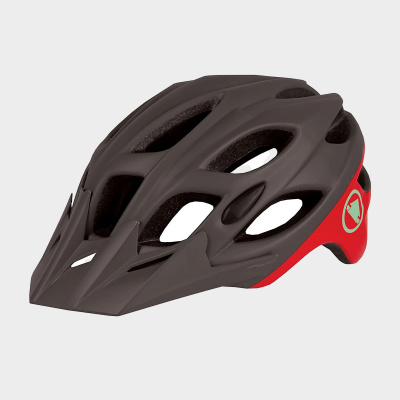
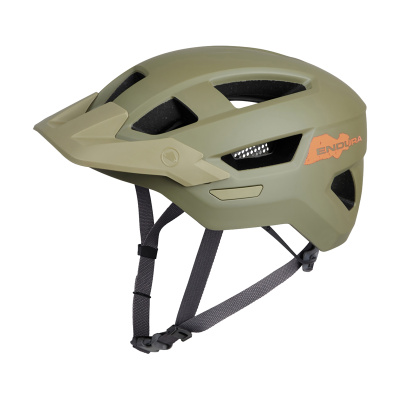
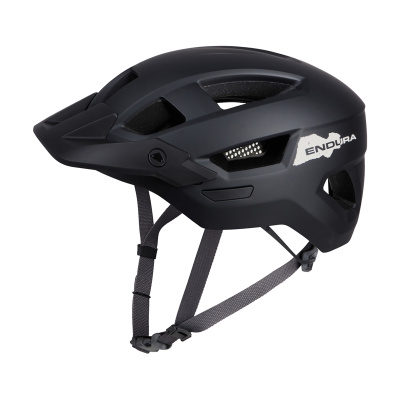
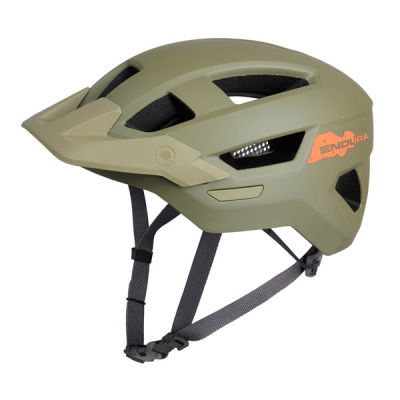
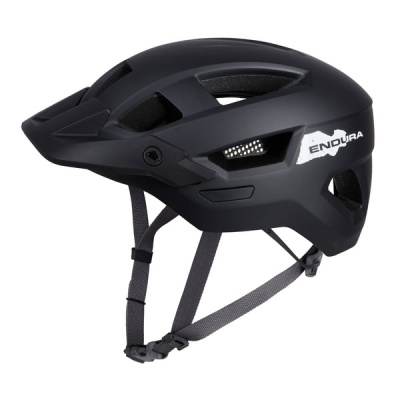
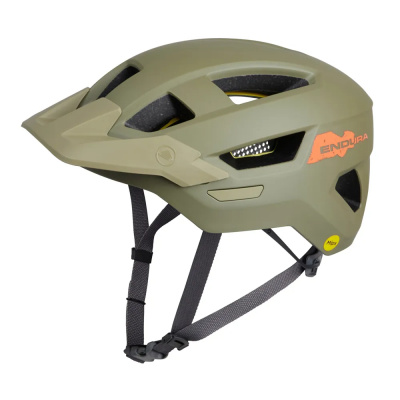
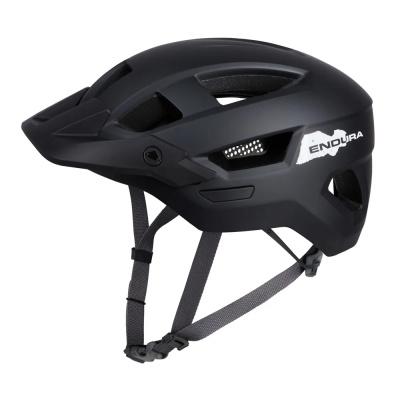
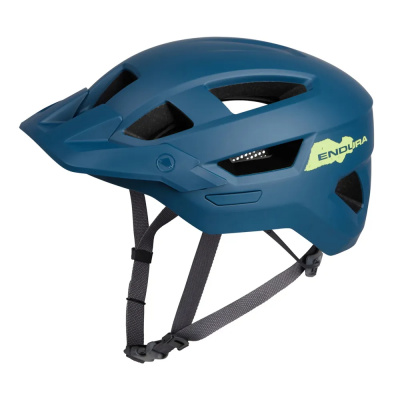
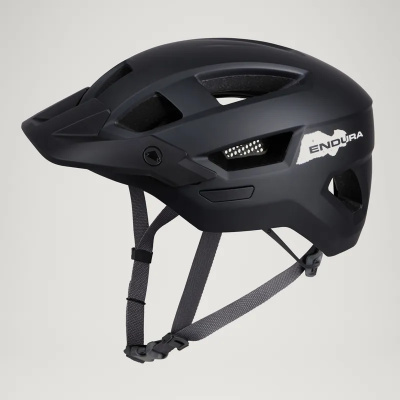
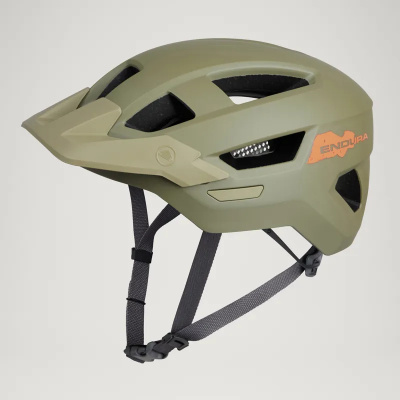
The construction is in-mould throughout - a process that fuses the outer shell directly to the foam liner, keeping weight down without trimming back on impact protection. Styling pulls clearly from the MT500 lineage, so younger riders get extended rear-head coverage and a purposeful look rather than something that feels like a hand-me-down compromise. Vibrant colourways and reflective elements make them visible on dark school-run mornings, which is as relevant in Glasgow in November as it is anywhere else in the country.
Endura's Crash Replacement Policy backs every helmet in the range, giving parents a practical safety net if the worst happens. Whether your child is rolling along a canal path or starting to find their feet on graded trail centre blues, Endura children's bike helmets cover the ground without overcomplicating the choice.
Prices and availability can change quickly. Delivery charges are not always included in listed prices.
Final price, stock status and delivery terms are set by retailer. We may receive a commission on purchases made.
Safety Tech and Construction: Trickle-Down Protection
In-mould construction is the key detail here. Rather than gluing a separate shell over a foam liner - the cheaper approach you'll find on budget lids - in-mould fuses the two together during manufacture. The result is a stiffer, lighter helmet that doesn't feel like a heavy pot balanced on a small head. For kids who are already reluctant to wear a lid without a fight, keeping the weight low makes a real difference to compliance.
The styling and protection brief draws directly from the MT500 adult range. That means extended rear coverage that wraps further down the back of the skull than a standard road-influenced design - relevant the moment a child starts riding anything other than flat tarmac. A dropped rear section protects the area most likely to make contact if they go over the bars backwards on a root or a kerb edge. It's not a full-face setup, but the coverage is meaningfully better than a basic commuter helmet.
Ventilation channels are well-placed across the crown to keep airflow moving on warmer days - something that matters during a long summer afternoon at a Welsh trail centre when a stuffy helmet becomes the main reason a child wants to stop riding. The shells are available in high-visibility colourways that make the reflective sticker pack feel like a useful addition rather than an afterthought.
Looking for adult sizes? Browse our main Endura Helmets range. If your child is hitting the bike park and needs maximum protection, check out our Endura Full Face Helmets.
Understanding the Endura Youth Fit System
Getting the fit right is the most important thing you'll do when buying any kids cycling helmet. A lid that sits too far back, tips forward, or rocks side to side isn't doing its job - no matter how well it's constructed. The micro-adjust dial fit system on Endura's youth helmets makes this straightforward. One hand, a few clicks, and the internal cradle tightens evenly around the back of the head. No fussing with straps while a restless seven-year-old stands in a car park.
The dial also buys you longevity. Most systems give a usable adjustment range of around four to five centimetres, which typically covers a child through one to two growth spurts before you need to size up. Check where the dial sits when you first fit it - if it's already near maximum, you're already at the end of the range and a size up makes sense.
For the actual fit check, use the two-finger rule. The front edge of the helmet should sit roughly two fingers' width above your child's eyebrows - not pushed back on the crown, not pulled down over their forehead. Then check the chin strap: fastened and adjusted, you should be able to slide two fingers underneath but no more. If the helmet rocks backwards when they look up, the rear straps need shortening. If it drops forward when they look down, the front straps need adjusting. Kids head shapes vary significantly, so take the time to dial it in properly rather than assuming it'll settle on the ride.
Kids cycling helmet sizing for Endura follows standard centimetre measurements - a soft tape measure around the widest part of the head, about an inch above the eyebrows, gives you the circumference to match against the size chart. Don't estimate by age; actual head circumference is the only reliable guide.
Riding in the UK: Visibility, Weather and Care
British winters are what they are. Low light, wet lanes, and school run timing that often falls either side of daylight - it's the reality for most families. Endura's bright colourways and included reflective stickers address this directly. Slapping a few reflective elements on a lid that's already in a high-vis yellow or red means your child shows up in headlights from a meaningful distance, not just when a driver is already close.
The dial fit system also has a practical cold-weather use that's easy to miss: loosen it off a couple of clicks and there's typically enough room to pull a thin thermal cycling cap underneath on a freezing February morning. It's not a workaround - the adjustment range is wide enough to account for it without compromising the fit once tightened back down. Worth knowing before you buy a separate cold-weather lid.
Removable padding is standard across the range. Pull it out, hand-wash it in warm soapy water, let it air dry fully before refitting - that's the maintenance routine. Helmets accumulate sweat, sunscreen, and general grime faster on smaller heads with more energetic riders, so doing this monthly during heavy use keeps the fit fresh and the lining from deteriorating prematurely. Don't machine-wash the padding or use anything solvent-based on the shell; both will degrade the materials faster than normal wear.
On the lifespan question - a helmet involved in any significant impact should be replaced, full stop. The foam liner deforms on impact to absorb energy, and that deformation isn't always visible. Endura's Crash Replacement Policy exists precisely for this scenario, offering a replacement at a reduced cost after a crash rather than leaving you paying full price twice in a season. Outside of crashes, most manufacturers and safety bodies recommend replacing a child's helmet every three to five years, or sooner if the dial has reached its maximum adjustment and the fit can no longer be made secure.
Once your child is kitted out with a helmet, it's worth looking at Endura kids clothing to complete the setup, and if they're starting to push into rougher riding, Endura knee pads and Endura elbow pads are a sensible next step. For younger riders still finding their confidence, Endura body armour adds another layer of reassurance without adding much bulk.
Related searches:
Endura Kids Helmets FAQs
How do I measure my child's head for an Endura helmet?
Take a soft tape measure and wrap it around your child's head about an inch above their eyebrows, keeping it level all the way round. Note the circumference in centimetres and match it to Endura's sizing chart. Always measure - don't go by age - and check the dial fit has room to adjust both up and down once the helmet is on.
Are Endura kids helmets suitable for mountain biking?
Yes. Endura's youth helmets draw directly from their MT500 mountain bike range, with extended rear coverage that wraps further down the skull than a standard commuter-style lid. The in-mould shell handles off-road knocks well, and the dial fit keeps things secure on rough ground. They're not full-face lids, but for trail centre riding and general off-road use they're well-suited.
How long do kids bike helmets last before needing replacement?
Replace any helmet immediately after a significant crash - foam liners deform on impact and may not protect properly a second time, even if the shell looks intact. Endura's Crash Replacement Policy helps offset the cost in that situation. For helmets that haven't been crashed, three to five years is the general guidance, or sooner if your child has outgrown the maximum dial adjustment.