
Endura Full Face Helmets
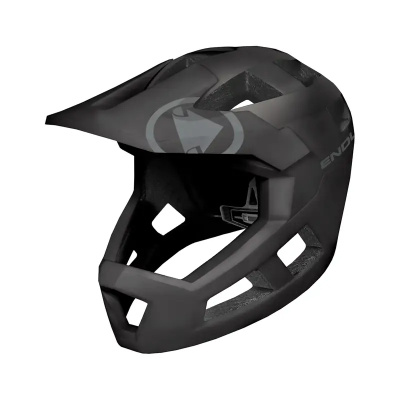
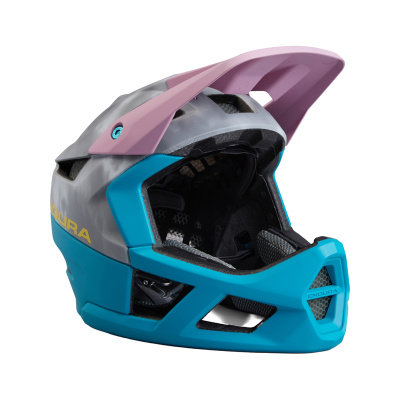
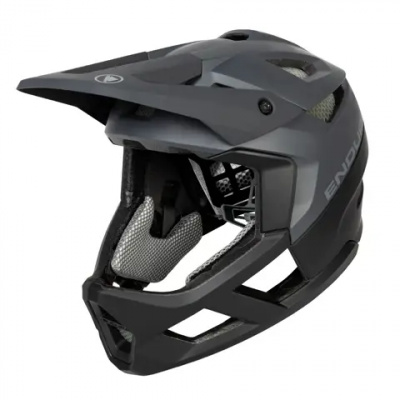
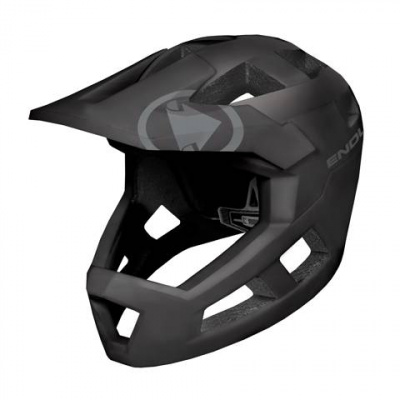
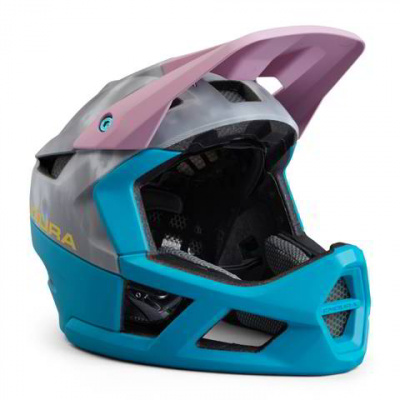
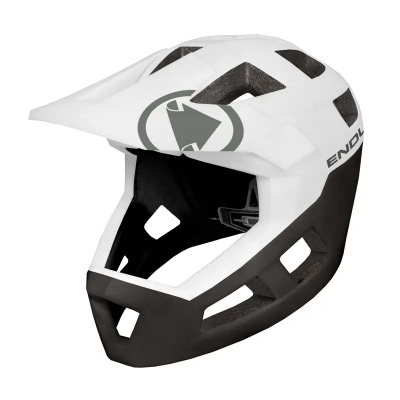
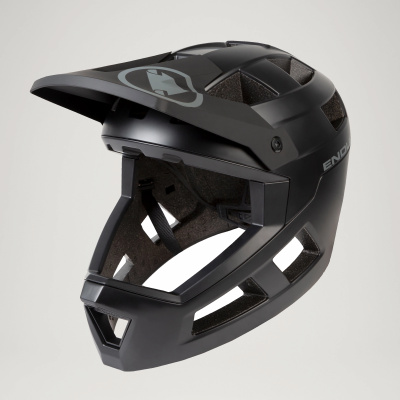
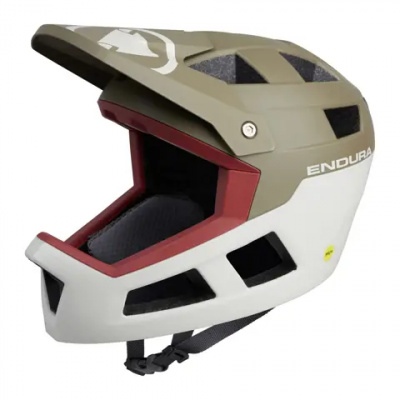
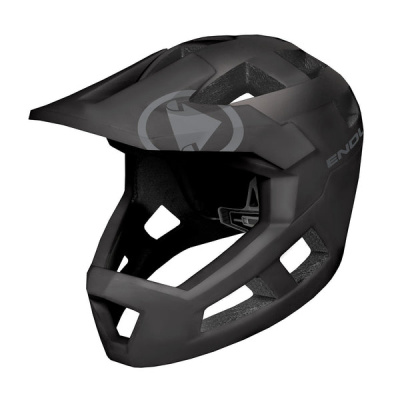
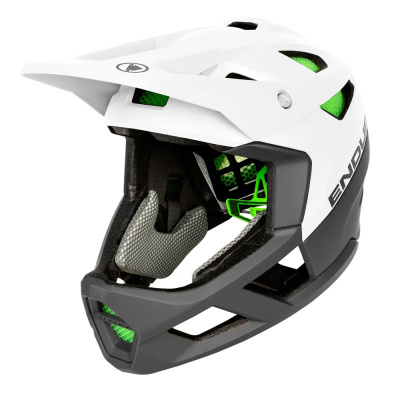
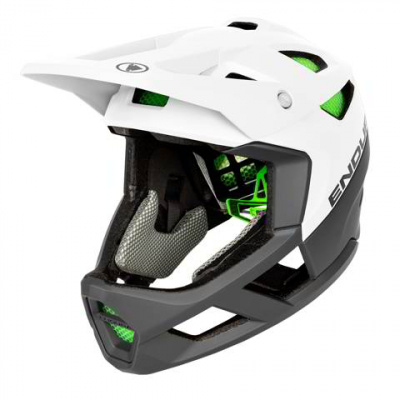
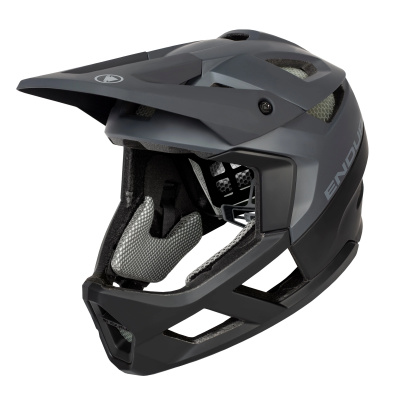
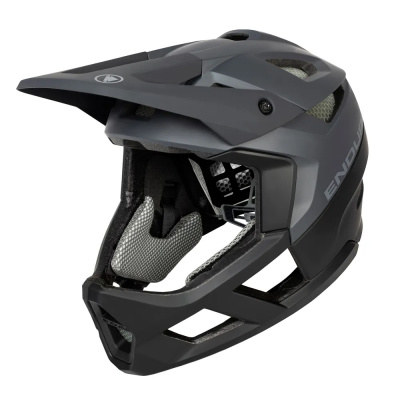
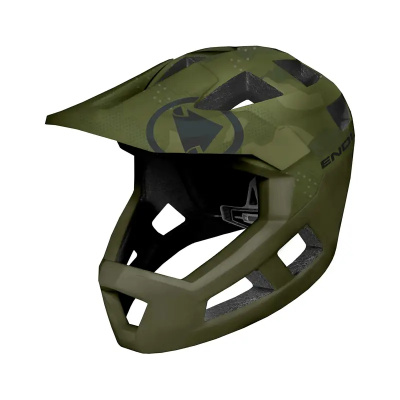
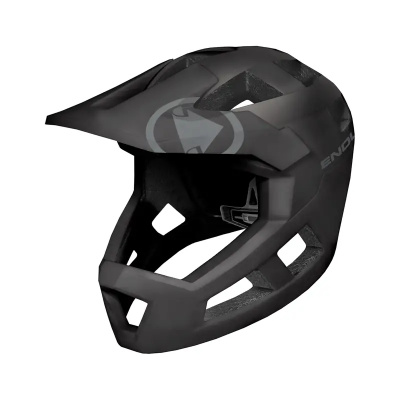
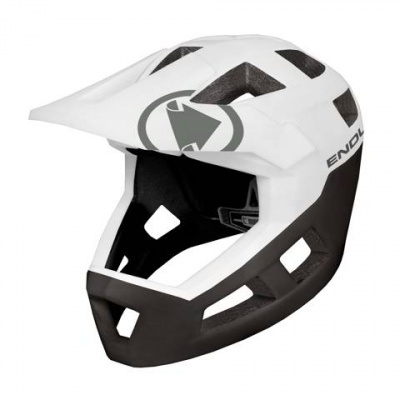
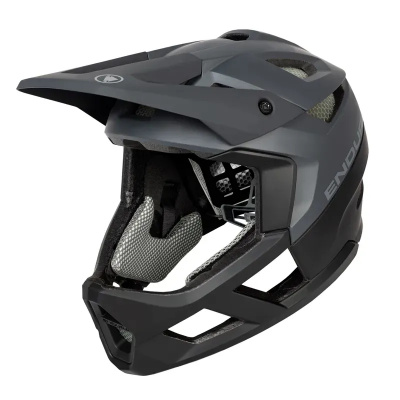
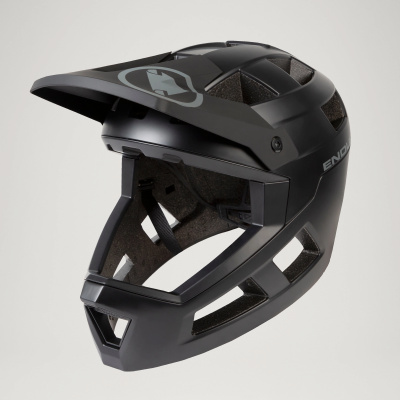
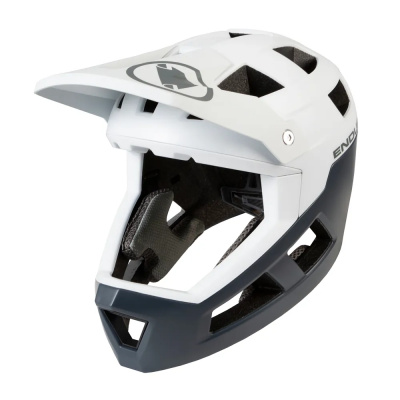
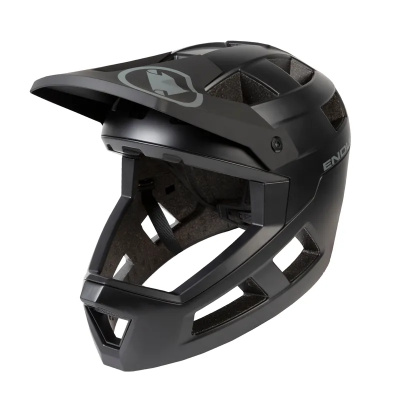
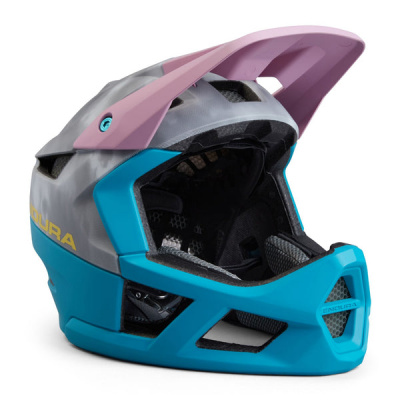
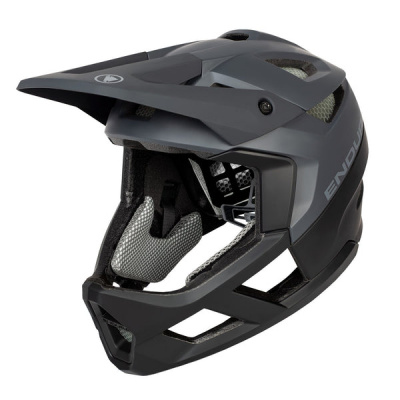
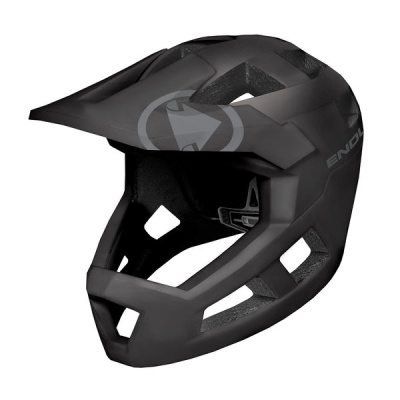
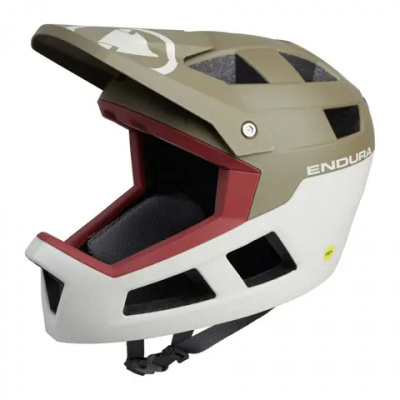
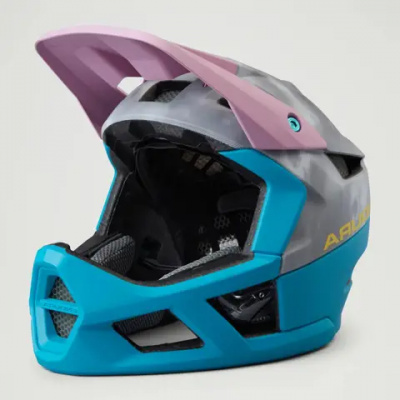
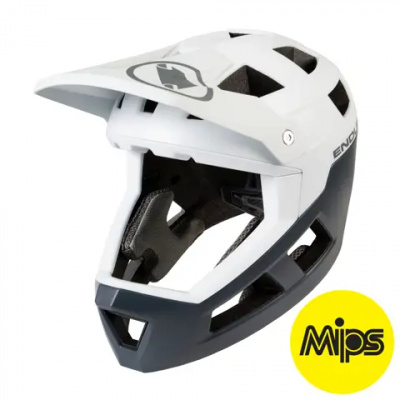
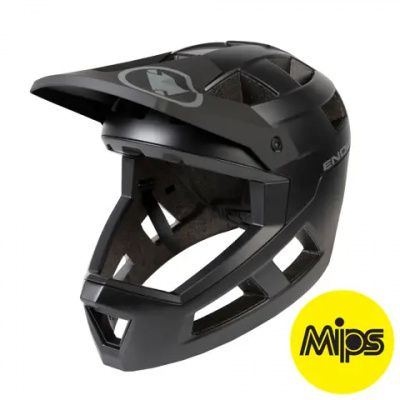
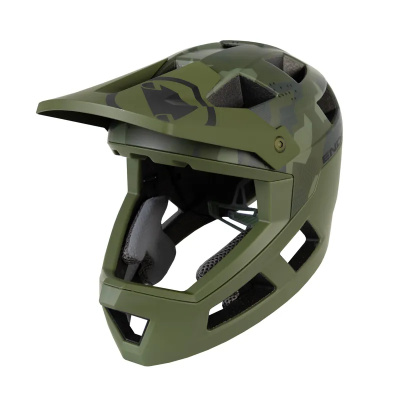
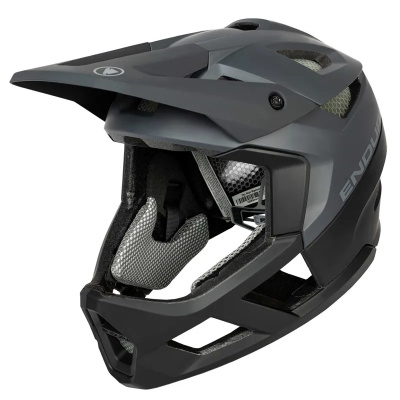
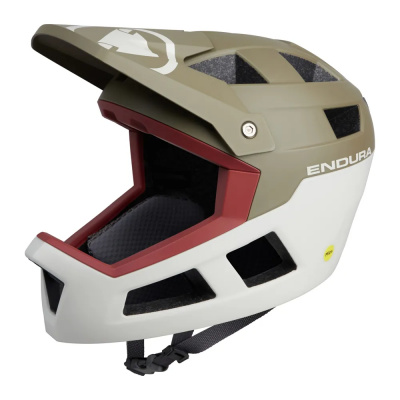
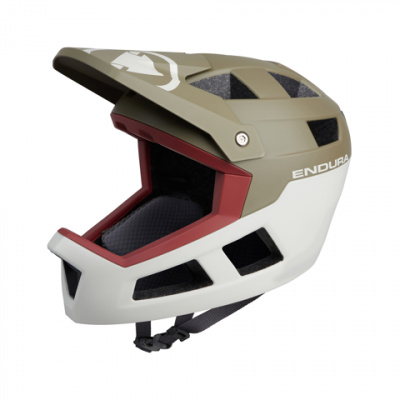
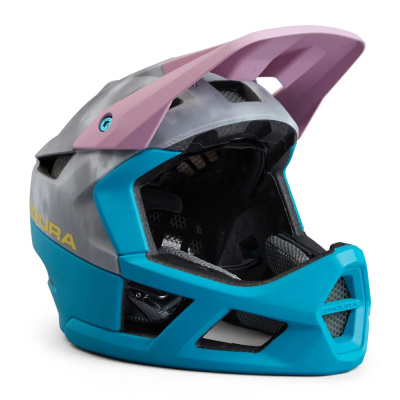
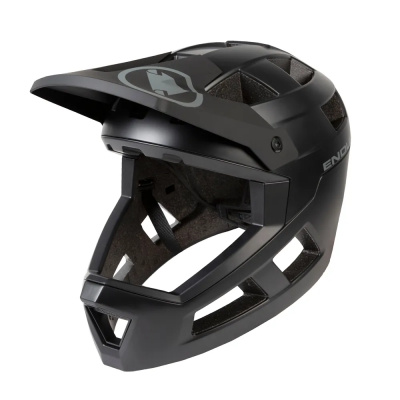
Endura full face helmets sit at a genuinely interesting crossroads: downhill-certified protection wrapped around a ventilation system good enough to wear all day without cooking your head on the climb back up. The MT500 lineage is the backbone of the range, and it's built around two technologies that actually move the needle - Koroyd impact-absorption and MIPS rotational-force management - rather than relying on a thick shell and hopeful marketing. The result is a full face lid that passes ASTM F1952 DH certification while weighing noticeably less than most gravity-focused competition.
For UK riders, that balance matters more than you might think. Whether you're lapping stages at BikePark Wales, shuttling in the Tweed Valley, or pushing through a gnarly enduro transition with your lid still on, the ventilation is the difference between arriving at the top sharp and arriving at the top spent. The chin bar geometry and visor design also account for the kind of riding we actually do here - muddy, variable, occasionally biblical - with goggle integration that doesn't fight you when conditions deteriorate mid-run. If chin-bar protection and breathability in the same package sounds like a trade-off you've given up on finding, Endura's full face range is worth a proper look.
Prices and availability can change quickly. Delivery charges are not always included in listed prices.
Final price, stock status and delivery terms are set by retailer. We may receive a commission on purchases made.
Impact Tech and What It Actually Does
The headline technology in Endura full face helmets is Koroyd - those distinctive green honeycomb tubes you'll spot inside the shell. Where traditional EPS foam compresses unpredictably under impact, Koroyd's co-welded tubes crush in a controlled, linear fashion, absorbing energy more consistently across a wider range of impact speeds. Think of it less like hitting a wall and more like hitting a stack of ordered cardboard columns: the collapse is managed, not chaotic. For DH racing and hard enduro mountain biking, that consistency is meaningful.
Paired with MIPS (Multi-Directional Impact Protection System), the helmet also addresses the rotational forces that are often more damaging to the brain than direct linear impacts. The MIPS liner sits independently inside the shell, allowing a small amount of slip on impact to redirect those forces away from your head. It's now standard expectation at this level, and Endura include it without charging a premium for the privilege.
Critically, the MT500 Full Face Helmet carries full ASTM F1952 downhill certified status. That's the benchmark for DH racing globally, and it means the chin bar has been tested to the same standard as the rest of the shell - not just ticked off as an afterthought. If you're racing or pushing serious consequence lines, that certification isn't a box-ticking exercise; it's the reason you can trust the lid.
Looking for open-face protection for everyday trail riding? Browse our full Endura Helmets collection. For younger riders getting into the sport, our Endura Kids Helmets range is worth a look.
Getting the Fit Right - Range and Sizing Notes
The Endura MT500 full face helmet uses a micro-adjust dial fit system at the rear - and that's a detail worth flagging, because it's genuinely uncommon in the full face category. Most lids at this level fix you into a single fit position and leave you there. The dial system lets you fine-tune the fit one-handed, which is useful mid-ride if you've been sweating hard and the liner has shifted slightly. Small thing. Makes a real difference over a long day.
Sizing is where you want to be careful. The Koroyd core has less give than conventional EPS foam, so the fit profile is firmer and less forgiving of borderline sizing. If you're hovering between a medium and a large based on your usual helmet size, measure your head circumference properly before ordering - use a soft tape measure around the widest point of your head, roughly 2.5cm above your eyebrows. Don't guess. A Koroyd-cored lid that's slightly too tight isn't something a few rides will break in; it'll stay tight.
The MT500 also tends to suit riders with a neutral to slightly oval head shape rather than very round profiles. If you've found other full face helmets pinch at the temples, it's worth checking the return policy before committing. The micro-adjust fit system handles circumference well, but it won't reshape the shell.
Ventilation, Goggle Compatibility, and Looking After Your Lid
This is where the MT500 Full Face earns its reputation. The venting channels are large and well-positioned - channelling airflow front to back rather than just punching holes in the shell and calling it done. On a steep, humid climb in the Brecon Beacons or grinding up a fire road in the Tweed Valley with full kit on, you'll notice the difference compared to a traditional gravity lid. It's not a trail helmet, but it's a long way from the sauna-on-your-head experience of older DH-certified designs.
Goggle integration is clean and functional. The brow cut is shaped to accept most standard MTB goggles without a gap at the top, which matters on wet Welsh winter days when you need eye protection and not a stripe of cold rain down your forehead. The visor is adjustable, which lets you clear sight lines depending on light conditions - a practical touch that gets used rather than ignored.
Care is straightforward. The fast-wicking antibacterial padding is fully removable - pop it out after a muddy session, hand wash in cool water with a mild detergent, and let it air dry away from direct heat. Don't machine wash it; the antibacterial treatment degrades faster with hot water and spin cycles. Doing this every few rides keeps the liner fresh and extends its life considerably. If you've ever peeled the pads out of an old lid after a wet winter season, you'll know why staying on top of it matters.
Pair the lid with Endura body armour for full gravity protection, and if you're building out a complete kit, Endura MTB baggy shorts and Endura jerseys are worth adding to the comparison.
Related searches:
Endura Full Face Helmets FAQs
Are Endura full face helmets downhill certified?
Yes. The Endura MT500 Full Face Helmet holds full ASTM F1952 DH certification, which covers both the shell and chin bar to the same standard used in competitive downhill racing. It's not a dual-certified trail lid - it's a proper gravity helmet designed for high-consequence riding.
How do Endura MT500 full face helmets fit?
The MT500 uses a micro-adjust dial at the rear for precise, one-handed fit tuning - genuinely useful on long days. The Koroyd core makes the fit feel firmer than traditional EPS foam, so measure your head circumference carefully before sizing. Riders on the borderline between sizes should go up rather than down.
Can you wash the pads in an Endura full face helmet?
Yes. The antibacterial pads are fully removable and should be hand washed in cool water with mild soap, then left to air dry. Avoid machine washing - heat and agitation break down the antibacterial treatment faster. Regular washing after muddy or sweaty rides will keep them fresher for longer.