
Endura Body Armour
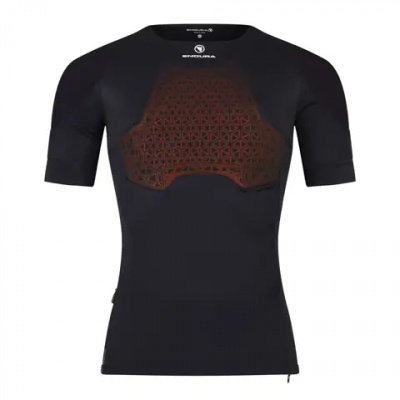
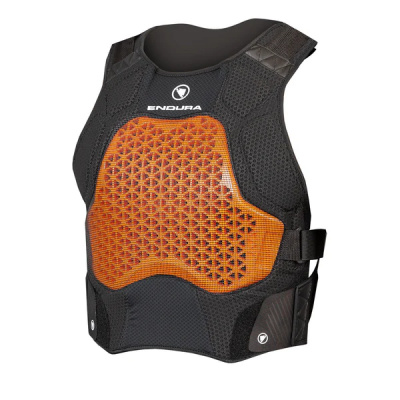
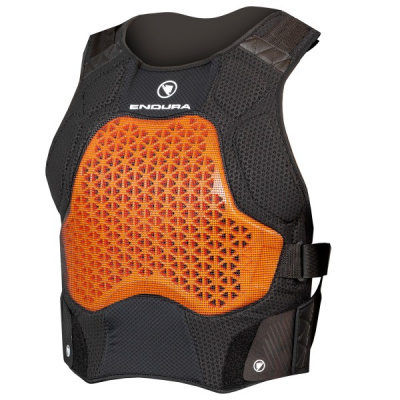
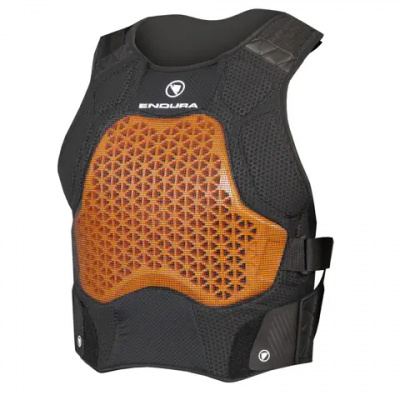
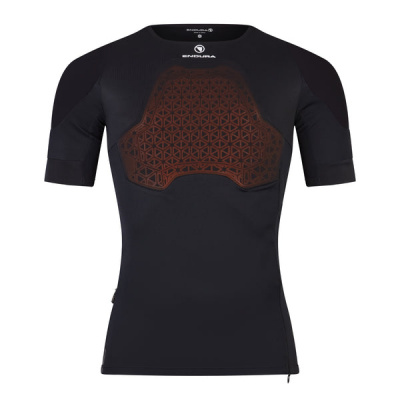
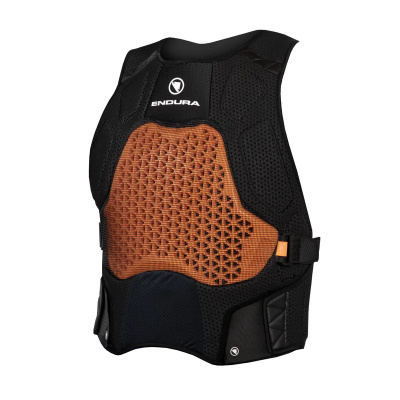
Endura body armour starts where a lot of protection gear gives up - keeping you covered without cooking you alive on the climb up. Built around CE-certified D3O and Koroyd impact technology, Endura's core protection range centres on torso, chest, and spine coverage that moves like a base layer and reacts like armour when it counts. There's no hardshell bulk here. The MT500 series protector shirts use moisture-wicking stretch mesh chassis that breathe properly during hard efforts, so you're not peeling yourself out of a sweat-soaked shell at the top of every fire road. That matters on a damp Welsh climb just as much as a full-gas enduro stage. The Endura back protector inserts drop into dedicated pockets and sit flush against your spine - no shifting, no bunching under a jacket. Whether you're threading tight Glentress singletrack or pointing it downhill at Ae Forest, Endura's approach is the same: D3O mountain bike armour that's genuinely wearable all day, not just on the scary bits. This is protection you'll actually put on every ride rather than leave in the boot.
Prices and availability can change quickly. Delivery charges are not always included in listed prices.
Final price, stock status and delivery terms are set by retailer. We may receive a commission on purchases made.
Fabric Tech & Impact Protection: D3O and Koroyd Explained
Two technologies do the heavy lifting across the Endura body armour range, and they work in fundamentally different ways. Understanding which suits your riding style helps you pick the right piece rather than just grabbing whatever's on the shelf.
D3O inserts are the more widely used of the two. The material is viscoelastic - soft and pliable at rest, so it moves with you through a full pedalling stroke or an awkward body position on a technical descent. The moment it takes a sharp impact, the molecular structure locks up almost instantly, spreading force across the pad rather than letting it travel through to your ribs or spine. For all-day enduro racing or long trail days where you're switching between climbing and descending constantly, that flexibility is genuinely useful. You won't feel like you're wearing a sandwich board.
Koroyd works on a different principle entirely. It's a rigid lattice of welded polymer tubes that crushes on impact - think of it as a crumple zone, similar in concept to how a car's front end is designed to absorb energy before it reaches the driver. The structure is highly ventilated by nature, which keeps weight down and airflow up. Koroyd tends to appear where downhill MTB severity demands more aggressive impact absorption - particularly in chest and back coverage where the hits can be harder and faster. It's not as forgiving to flex repeatedly, but for high-consequence riding that's not the point.
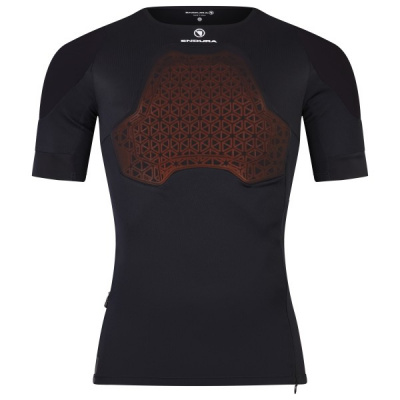
The MT500 protector shirts combine these inserts with a breathable mesh chassis built from lightweight perforated neoprene and moisture-wicking stretch fabric. On a humid British summer day - or a damp autumn one, which is more likely - this construction prevents the suffocating, clammy feeling that plagues cheaper protection. The mesh does real work pulling sweat away during the push up, so the protection feels like part of your kit rather than something strapped on top of it.
Understanding the Endura Armour Range & Fit
Getting the fit right is probably the single most overlooked part of buying body armour. If a protector shirt is too loose, the pads migrate. In a crash, a D3O pad that's shifted two inches off your spine isn't protecting your spine. The rule is simple: fit it like a compression base layer, snug enough that the inserts stay anchored when you're moving dynamically.
The Endura MT500 protector shirt is the core piece in the range. It's designed to be worn directly against the skin or over a very thin base layer, and the stretch mesh construction means a close fit doesn't restrict arm movement on technical sections. Shoulder and chest pad positions are set to cover high-impact zones without riding up. If you're sizing between two options, go with the smaller - the fabric has enough give to be comfortable, and a tighter chassis keeps protection where it needs to be.
Back inserts, including the Endura back protector options that slot into compatible shirts, should sit centred on your spine from the shoulder blades down to the lower back. Run your hand behind you after fitting to check alignment before you head out - it takes ten seconds and it matters. The pockets that retain these inserts are designed to hold the pad under load, but only if the shirt itself is properly sized.
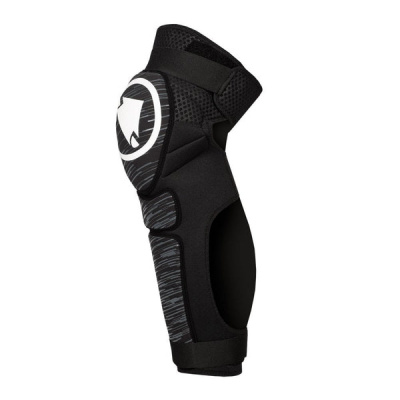
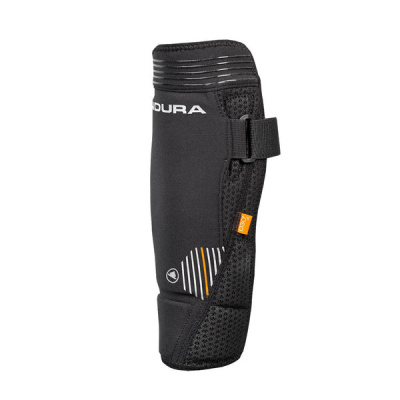
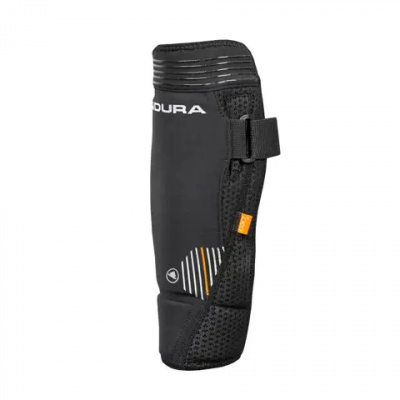
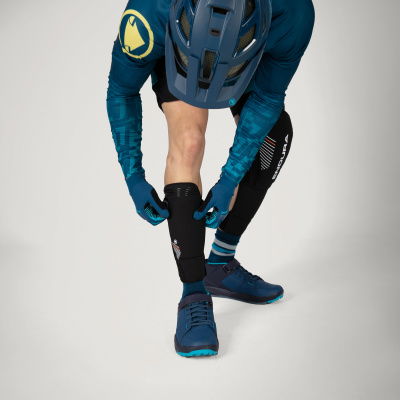
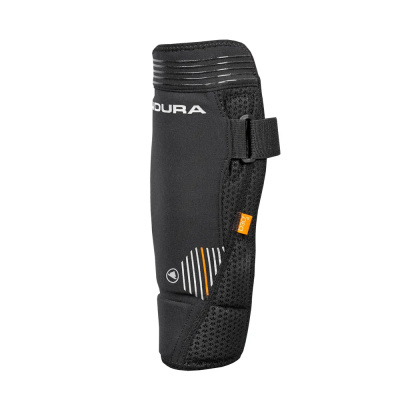
Body armour covers the torso, but a complete protection setup goes further. Looking for limb-specific protection to complete your setup? Check out our dedicated ranges of Endura Knee Pads and Endura Elbow Pads for flexible, pedal-friendly joint coverage.
Layering & Care for UK Riding
Most UK trail riders are dressing for three or four different conditions in a single ride. You need something that works under a waterproof without turning you into a furnace, and that doesn't add so much bulk you can't move freely. The MT500 protector shirts are genuinely low-profile - they sit close without the padded-jacket silhouette that makes layering awkward. Worn under an Endura jersey on a dry day or under one of Endura's waterproof jackets when the Peaks are doing their thing, there's no excess material bunching at the shoulders or waist.
If you're riding through winter, the perforated neoprene in some Endura armour pieces adds a fractional layer of warmth without trapping moisture - useful when you're grinding up a cold moorland climb but not wanting to overheat once you're moving hard. It's not a thermal layer, but it takes the edge off.
Care is straightforward, but there's one step you can't skip. Always remove the D3O and Koroyd inserts before putting the chassis in the wash. Both materials can be degraded by detergents and the mechanical agitation of a washing machine, and a compromised insert won't perform as the CE certified protection rating was tested against. Pull the pads out, set them aside, and wash the mesh shell on a cool, gentle cycle. This is especially relevant after gritty winter sessions in the Peak District or on the clay trails of the North Downs, where fine abrasive mud works deep into the fabric. Air dry only - tumble heat breaks down the elasticity of the mesh and the neoprene perforations, and once that stretch goes, the fit goes with it. The inserts themselves just need a wipe down with a damp cloth and somewhere to air out.
Pair the protector shirt with Endura MTB baggy shorts if you want a coordinated kit that layers predictably, or with Endura full face helmets when the descents start getting serious enough to warrant full head coverage alongside your torso protection.
Endura Body Armour FAQs
How should MTB body armour fit?
It should fit like a compression base layer - close and snug, with no loose sections that allow pads to shift during a crash. A properly fitted protector shirt keeps D3O and Koroyd inserts locked over your spine, chest, and shoulders. If you're between sizes, size down rather than up to maintain that secure pad position.
Is Endura body armour machine washable?
The mesh chassis is machine washable on a cool, gentle cycle - useful after muddy UK trail sessions. The critical step is removing all D3O and Koroyd inserts beforehand. Washing them inside the shirt risks damaging the impact-absorbing materials and compromising their CE certified protection rating. Air dry the shell; wipe the inserts down separately.
What is the difference between D3O and Koroyd protection?
D3O is a flexible viscoelastic material that stays soft and pliable during normal movement, then stiffens instantly on impact to disperse force. Koroyd is a rigid lattice of welded tubes that physically crushes on impact, acting as a ventilated crumple zone. D3O suits all-day trail and enduro riding; Koroyd is more common where high-speed, severe-impact protection is the priority.