
Endura Sunglasses
Endura cycling sunglasses bring the same no-nonsense build philosophy that made the brand's jerseys and bibs a staple in UK ride groups - clear optics, durable construction, and genuine weather resistance at a price that doesn't sting. These aren't fashion pieces; they're working eyewear designed around what British riding actually throws at you. Low winter sun cutting across wet tarmac, murky tree cover on a bridleway, or full-glare summer miles on an exposed ridge - each scenario demands something different from a lens, and Endura's range is wide enough to cover all of it.
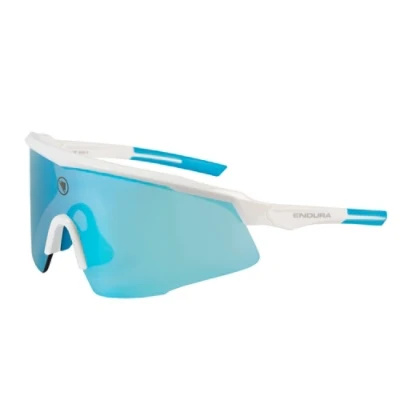
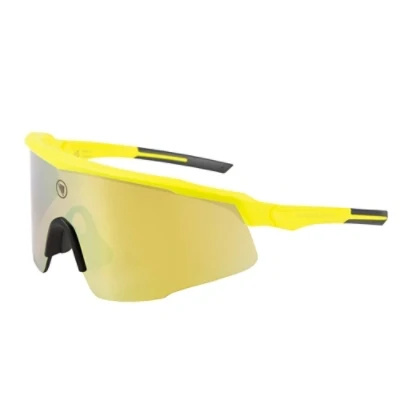
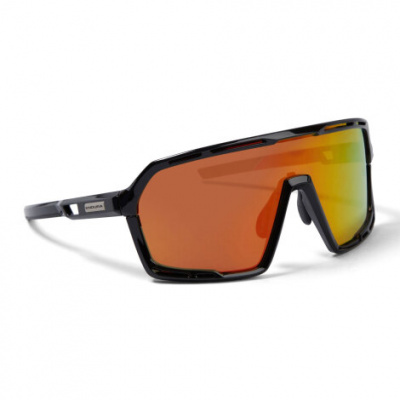
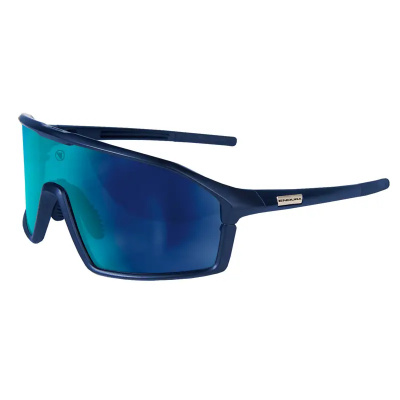
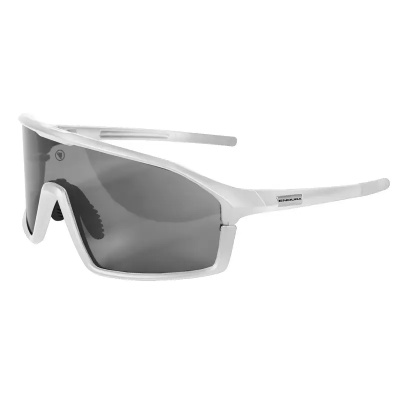
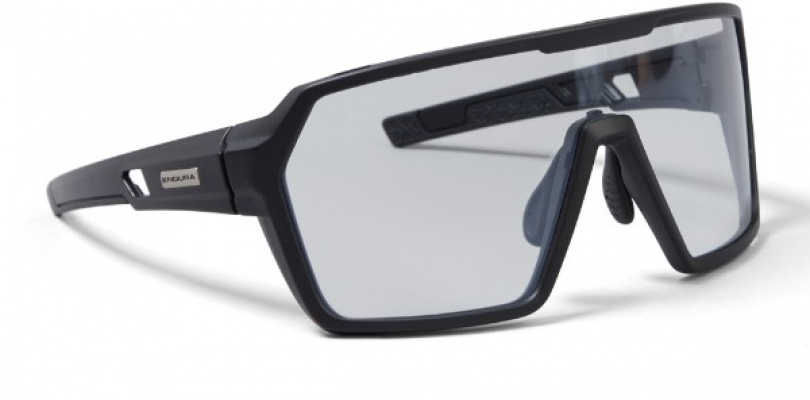
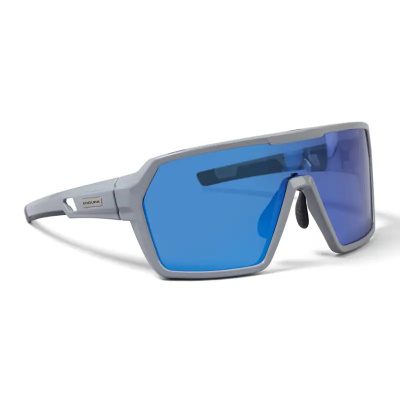
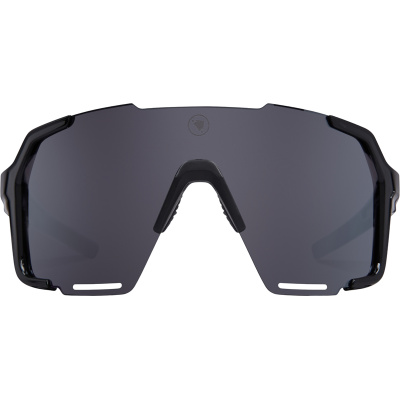
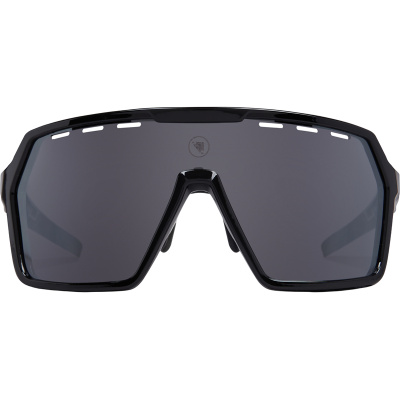
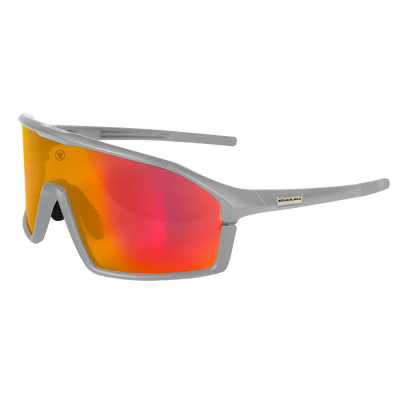
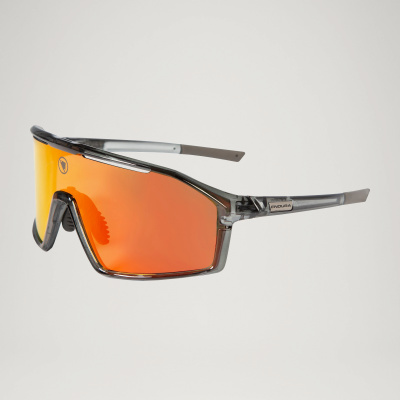
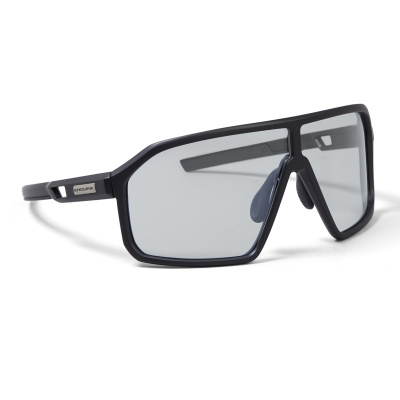
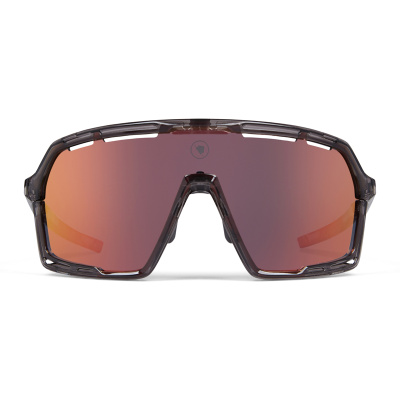
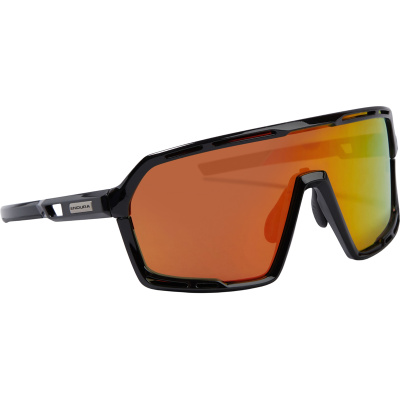
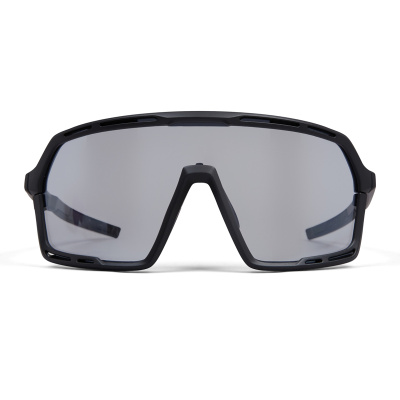
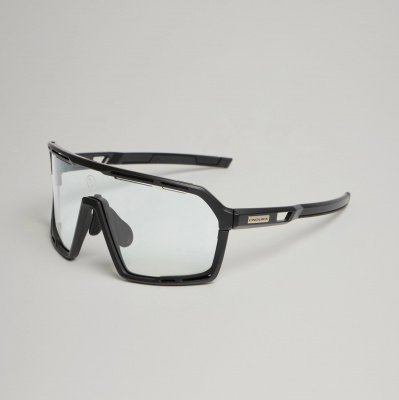
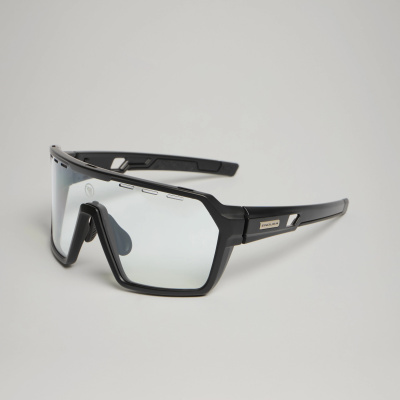
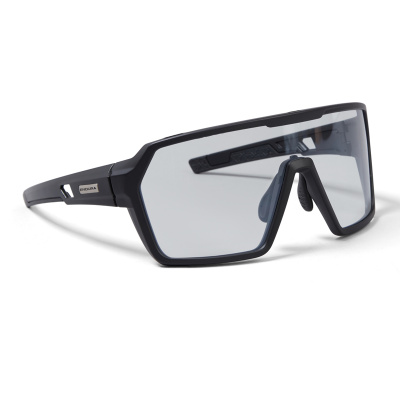
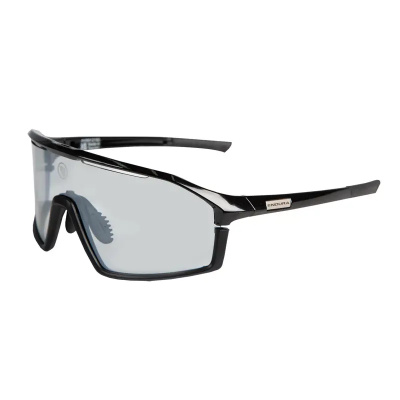
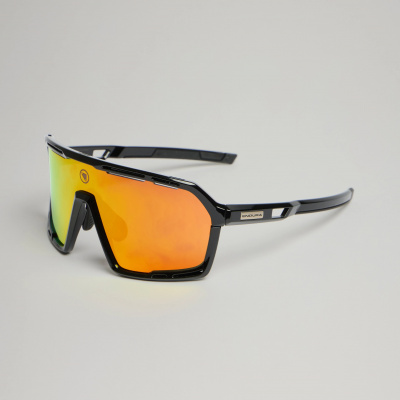
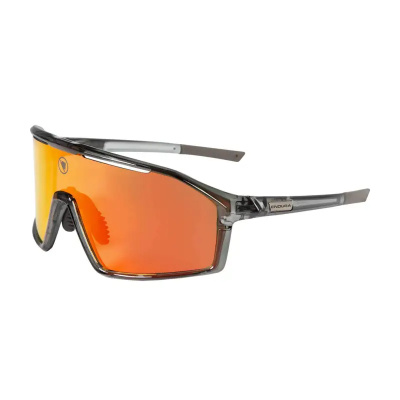
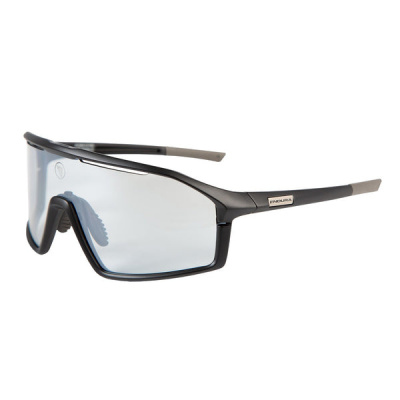
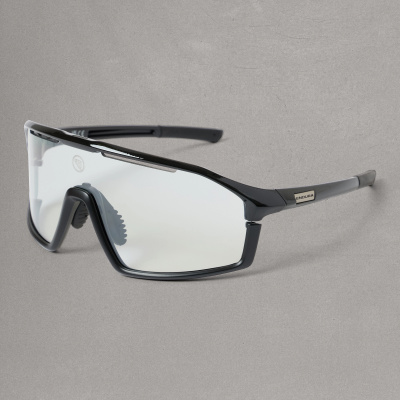
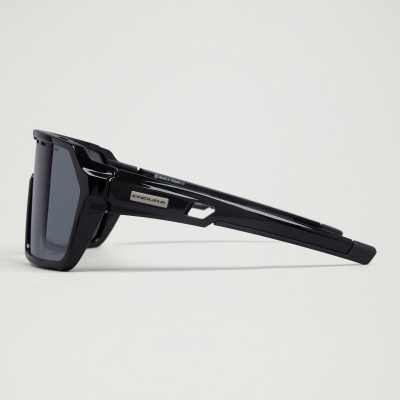
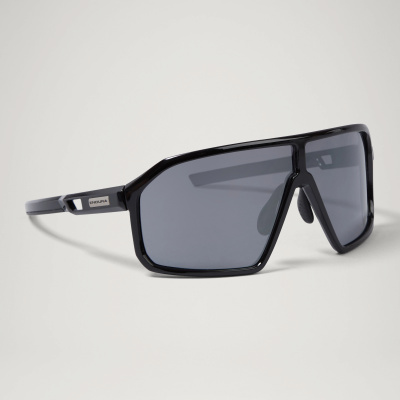
The frames use TR90, a lightweight thermoplastic that flexes on impact rather than shattering - useful when a gravel spray catches you off-guard or a branch tags your face mid-descent. A wrap-around fit keeps wind and debris out at speed, while adjustable nose pieces and rubber grip points mean the glasses stay put whether you're sprinting or rattling over roots. Polycarbonate lenses deliver solid UV protection across the range, and depending on the model you're looking at, you'll find fixed-tint, polarized, or photochromic options to match your typical riding conditions. If your rides tend to start in the dark and finish in the light - or vice versa - that lens choice matters more than most people realise before they've bought the wrong pair once.
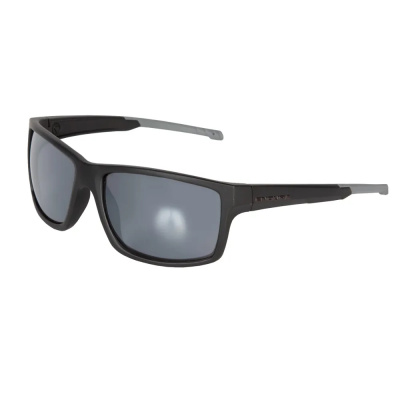
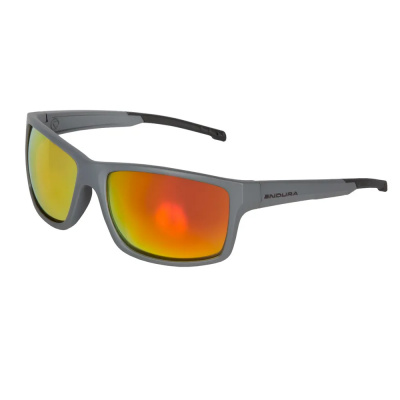
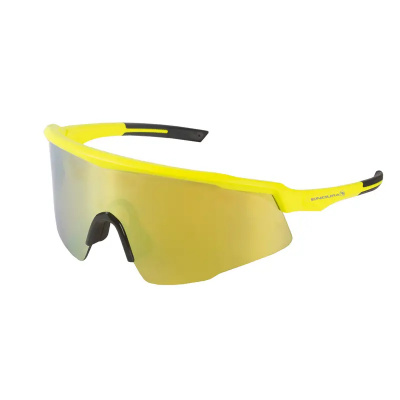
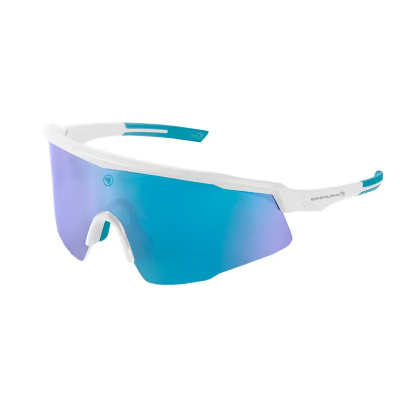
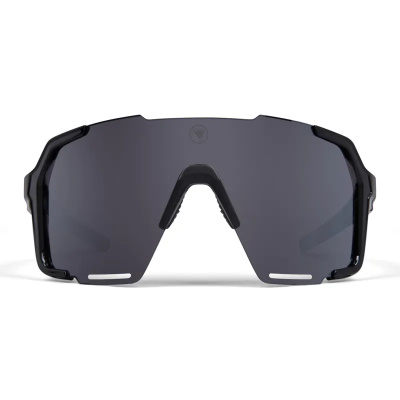
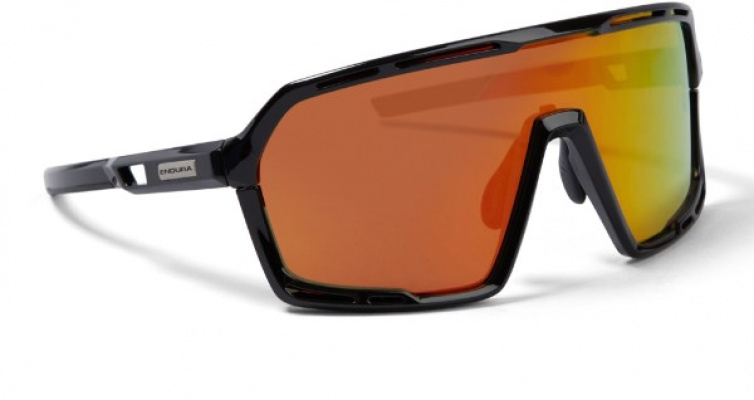
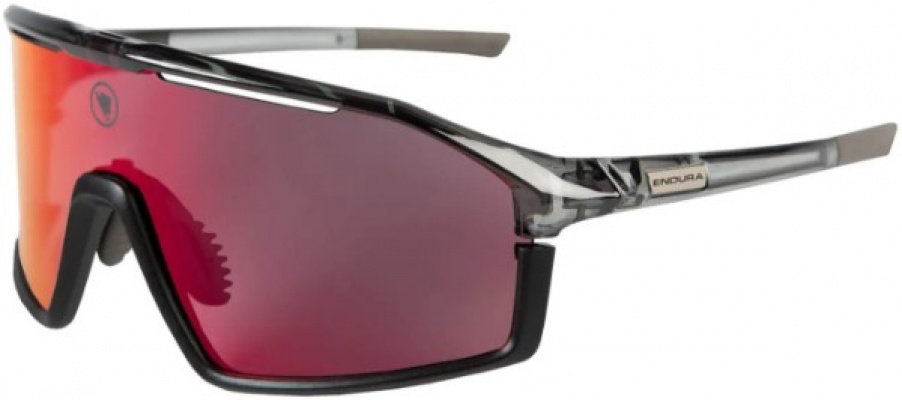
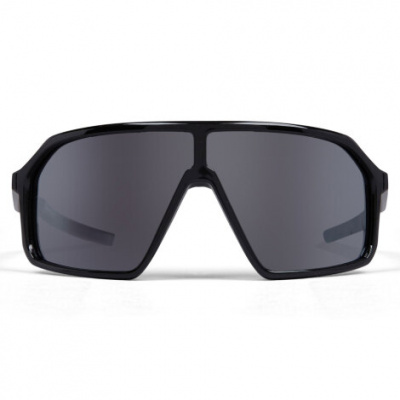
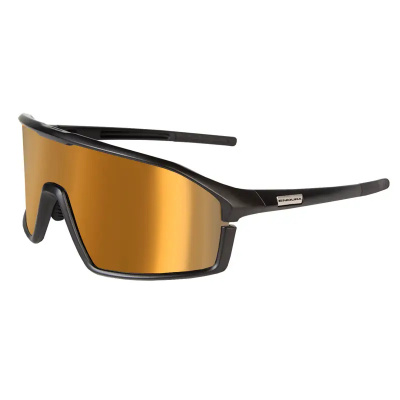
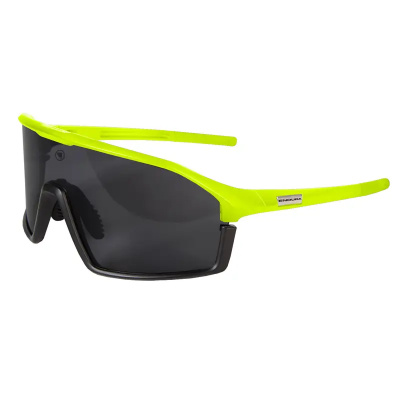
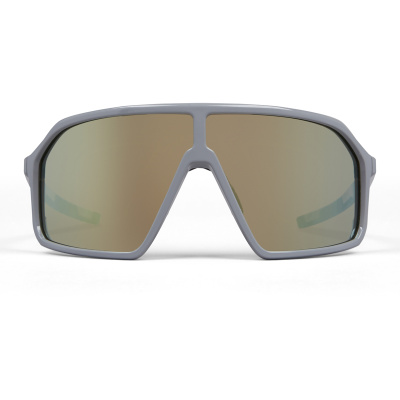
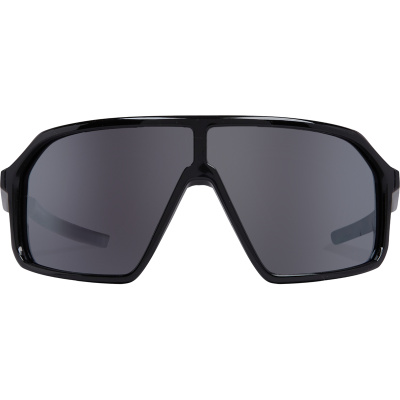
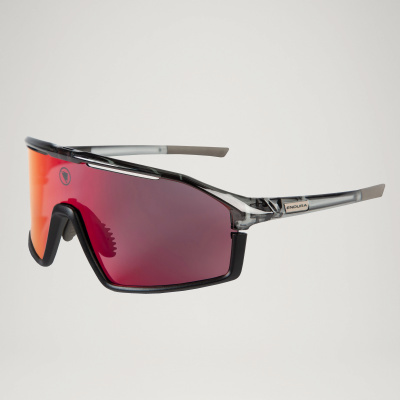
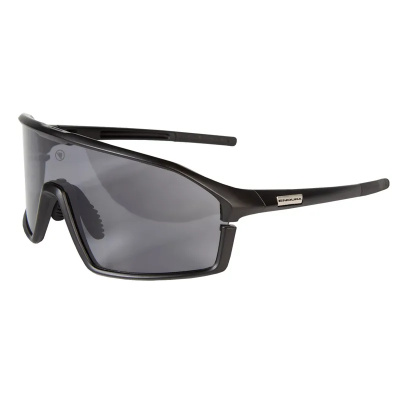
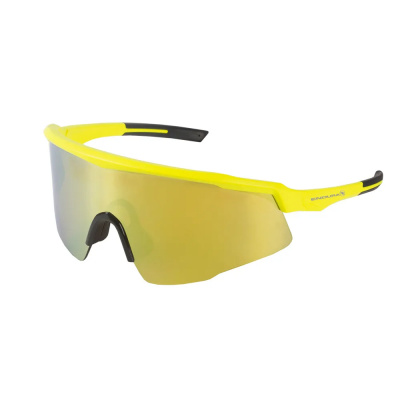
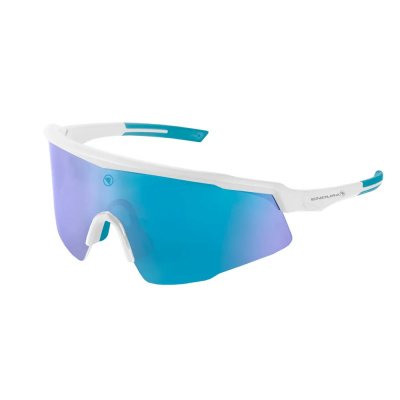
Prices and availability can change quickly. Delivery charges are not always included in listed prices.
Final price, stock status and delivery terms are set by retailer. We may receive a commission on purchases made.
Lens Tech and Weather Performance
Endura's polycarbonate lenses sit at the core of every pair, offering reliable optical clarity and impact resistance that meets the demands of both road and MTB riding. Polycarbonate is lighter than glass and won't crack under trail debris - practical for anything from a Peak District gravel loop to a fast sportive descent. All lenses carry UV protection as standard, blocking harmful rays even on the flat grey days that fool riders into skipping eyewear entirely.
The fixed-tint options - typically in dark grey or mirrored finishes - work well for consistent bright conditions. Long summer road days, open moorland, or any ride where you're not ducking in and out of shade. Endura polarized riding glasses add glare reduction on top of that, cutting the bounce off wet roads or standing water, which is worth having if wet commutes or early-morning canal towpath rides feature in your week. The trade-off is that polarized lenses can make some surfaces harder to read - ice patches and certain road surfaces become less visible, so they're better suited to non-technical riding.
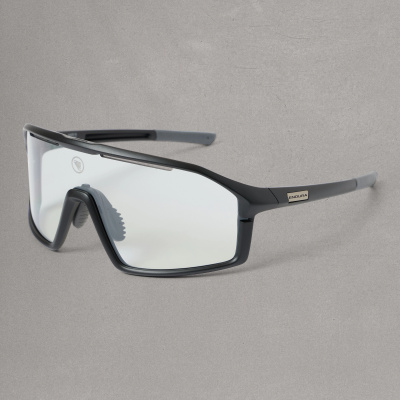
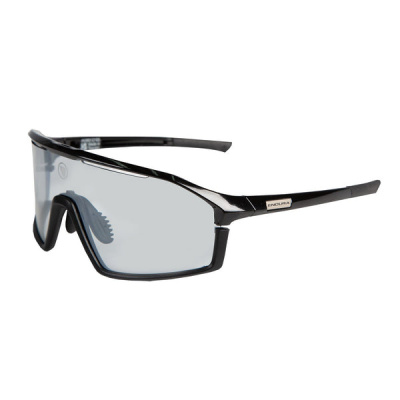
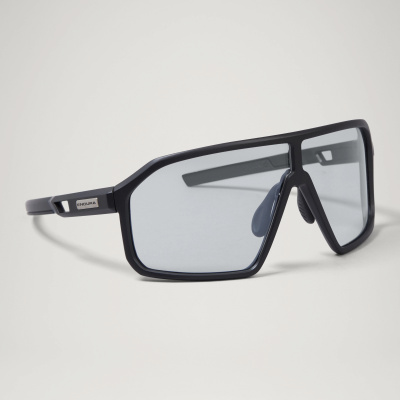
The most versatile option for UK conditions is the photochromic range. Photochromic cycling sunglasses from Endura use light-reactive lenses that shift tint automatically depending on ambient brightness. Ride into a dark woodland section from open road and the lens clears; pop back out into full sun and it darkens again. The speed of that transition varies by model, so if you're riding heavily wooded singletrack where light changes rapidly, look for versions quoting a fast adaptation time. On overcast winter days, a wide light transmission range - ideally going near-clear at the top end - keeps vision sharp without straining your eyes in low light.
Two coatings do a lot of the practical work. The anti-fog finish prevents the lens misting up when you ease off the pace - grinding up a long climb on a humid morning, queuing at a gate, or pulling into a café stop. Without it, you're wiping your glasses every few minutes, which gets old fast. The hydrophobic coating sits on the outer surface and causes water and mud to bead off rather than smear. In practice, a quick flick of the wrist clears most rain from the lens. On a wet gravel ride, it's the difference between usable vision and riding half-blind.
Frame Architecture and Finding the Right Fit
TR90 frames are worth understanding properly rather than dismissing as marketing language. The material is a nylon-based thermoplastic that stays flexible at low temperatures - relevant when you're pulling glasses from a cold jersey pocket in January and flexing them open. It's also highly resistant to the kind of impact that would crack a cheaper acetate frame, which matters if you're an MTB rider who occasionally goes face-first into things. Lighter than metal and more durable than standard plastic, it's a sensible choice for active eyewear.
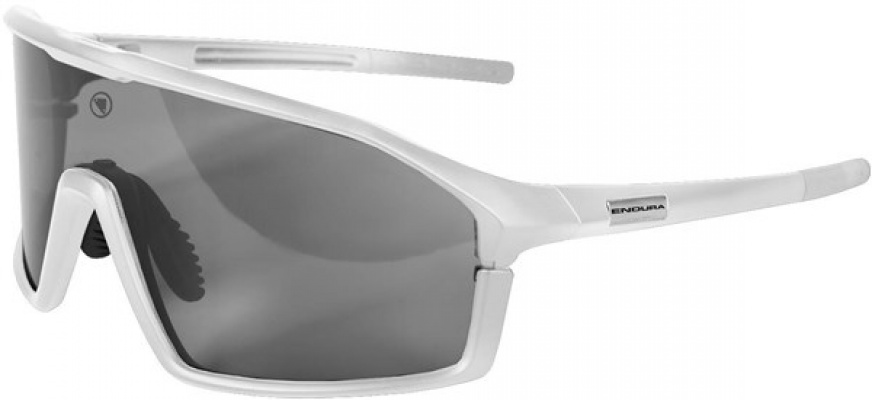
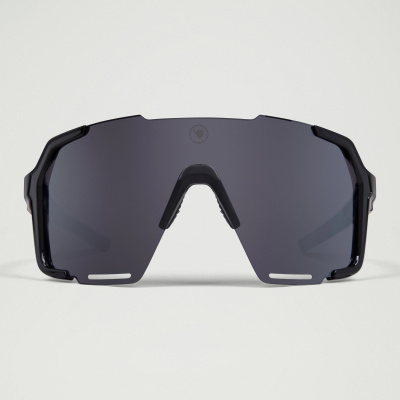
Within the Endura range, you'll find two broad frame styles. Half-frame designs - where the lower part of the lens is unframed - prioritise ventilation and a lighter feel. They suit road riders who want airflow on long climbs and don't need maximum peripheral coverage. Full-frame or shield designs wrap further around the face, blocking more wind and debris at speed. If your riding involves descending or trail riding where grit and bugs are a genuine hazard, the extra coverage is worth the marginal weight penalty.
Fit is adjusted through adjustable nose pieces - usually rubber, sometimes removable - and the grip points on the temples. Getting this right matters more than most riders account for. Glasses that slip on a descent are a distraction; glasses that sit too tight leave pressure marks on a four-hour road ride. Most Endura models ship with interchangeable nose bridges in different widths, letting you dial in the fit for your face shape without buying a second pair. Endura interchangeable lens eyewear extends the versatility further - swap between tints as conditions change rather than owning three separate pairs.
If you've scratched a lens or want a different tint for your current frames, Endura offers a solid range of replacements. Head over to our dedicated Endura sunglasses and goggle spares page to find the exact match for your eyewear.
Keeping Your Lenses Clean Without Wrecking the Coatings
After a wet ride, the temptation is to grab the nearest cloth and wipe the lenses down. Don't. Dry-wiping a lens covered in grit is a fast way to put fine scratches across the surface - scratches that scatter light and degrade optical clarity over time, and that no coating can fix once they're there. Rinse first. Lukewarm water shifts loose mud and grit without heat-stressing the frame or lens coatings. Cold water is fine too; the key is that you're flushing debris off before anything touches the surface.
Once rinsed, use the microfibre pouch that ships with the glasses. It's not just packaging - it's the correct tool for the job. Microfibre lifts moisture and residue without the abrasion of a jersey sleeve or paper towel. Both the hydrophobic coating and the anti-fog finish are thin surface treatments, and they degrade faster if you're regularly cleaning with anything that carries detergent or fibres rough enough to abrade them. Harsh soaps, glass cleaners, and most household sprays will strip these coatings within a few cleans. Warm water and the supplied pouch is genuinely all you need for routine maintenance.
Store the glasses in their case between rides. It sounds obvious, but a pair rattling loose in a kit bag will pick up scratches from helmet buckles and keys that no amount of careful cleaning will undo. Keeping the frames in shape also means TR90's natural flexibility is doing its job rather than compensating for a bent frame that's been sat on. If you pair your Endura glasses with one of the brand's Endura helmets, the helmet bag often doubles as useful storage - worth knowing if you're tight on space in a race pack. For cold-weather riding where you're layering up, Endura headwear worn under a helmet can affect how the glasses sit on your face, so check the fit with your full setup before you're standing at the start line.
Related searches:
Endura Sunglasses FAQs
Are Endura photochromic lenses good for UK winter riding?
Yes - they adapt to shifting light well, which makes them genuinely useful for UK winter conditions where you can go from open road brightness to dark woodland within seconds. Look for models with a wide light transmission range so the lens goes close to clear on flat-grey overcast days, rather than leaving you squinting in the gloom.
How do I clean my Endura cycling sunglasses without damaging the anti-fog coating?
Rinse with lukewarm water first to flush off any grit, then dry gently with the microfibre pouch supplied with the glasses. Avoid paper towels, jersey sleeves, harsh soaps, or glass cleaners - all of them degrade the hydrophobic and anti-fog surface treatments faster than you'd expect, and those coatings can't be reapplied at home.
Can I get replacement lenses for my Endura glasses?
Yes. Many Endura models are designed with interchangeable lenses, and replacements in clear, tinted, and photochromic finishes are available to extend the life of your frames. You'll find the full range on our <a href="https://bikesy.co.uk/b/endura/sunglasses+and+goggle+spares/">Endura sunglasses and goggle spares</a> page.