
Oxford Kids Helmets
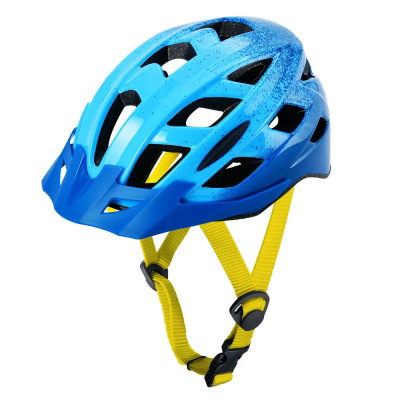
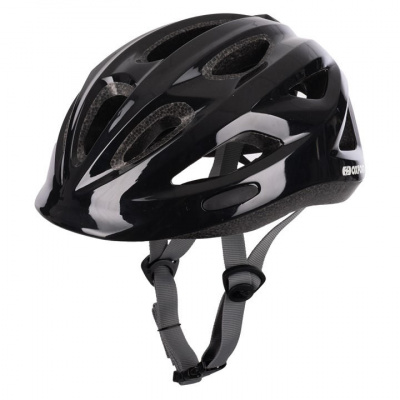
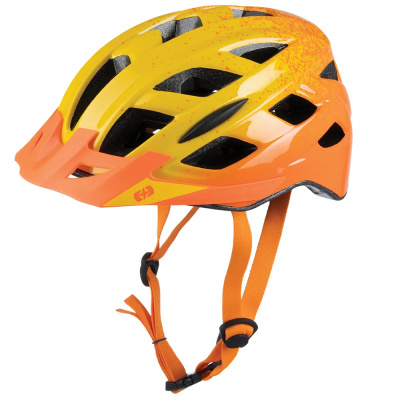
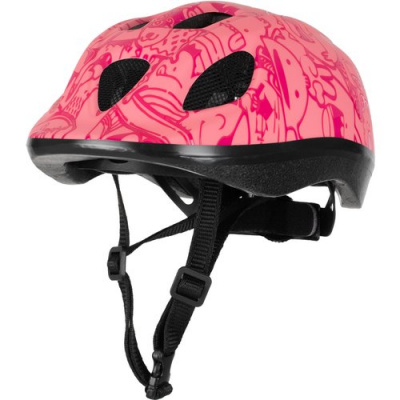
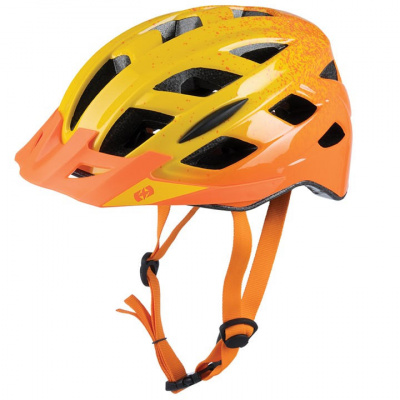
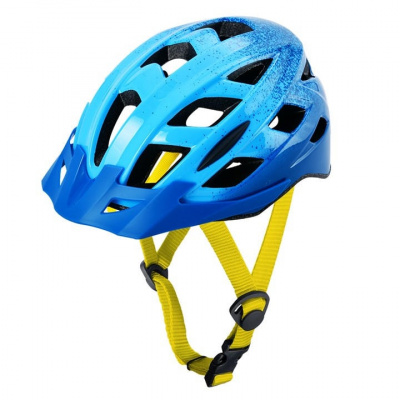
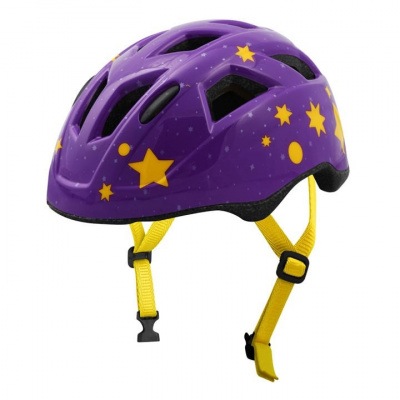
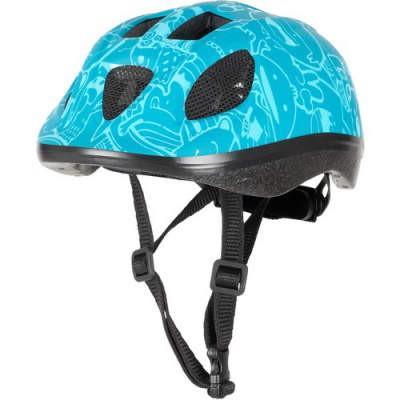
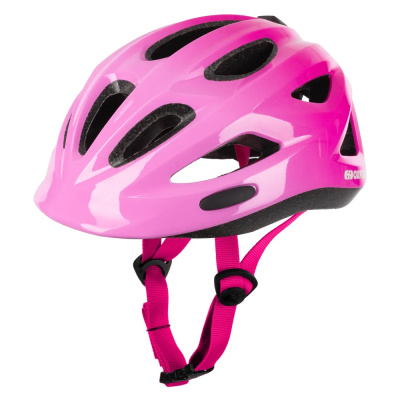
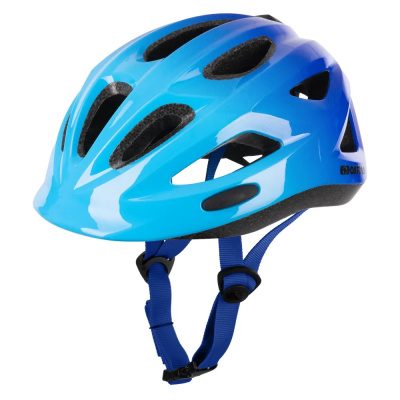
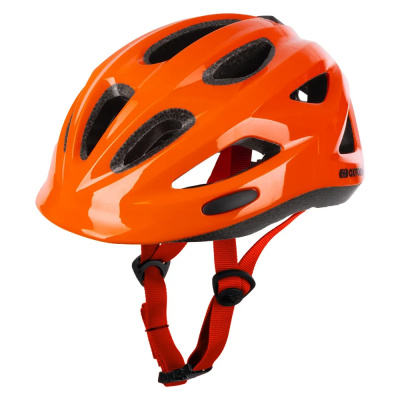
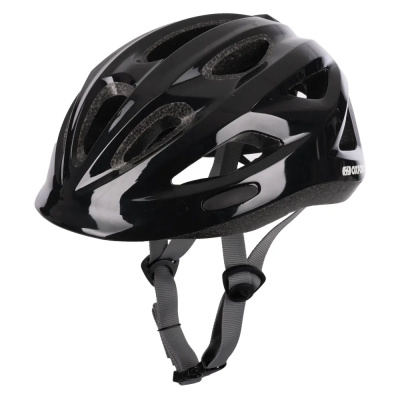
Oxford kids bike helmets take the guesswork out of one of the most important purchases you'll make for your child's riding. Every helmet in the range carries CE EN1078 certification - the standard that matters when you're standing in a shop wondering what the difference actually is. Lightweight EPS foam liners absorb impact energy on contact, and the in-mold polycarbonate shell keeps the whole structure tight and durable without adding unnecessary weight on small heads.
The rear dial-fit retention system is the feature parents notice first. A few clicks and the internal cradle tightens or loosens around your child's head - no wobble, no pressure points, and enough range to last through a couple of growth spurts before you need to size up. Pair that with pinch-free buckles and getting a reluctant five-year-old helmeted before a school run stops being a fight.
Designs are bold enough that kids actually want to wear them, which solves half the problem before you've even left the drive. From balance bike first wobbles through to family trail days, Oxford's children's range covers the lot - sensibly priced, properly certified, and built for real UK riding conditions.
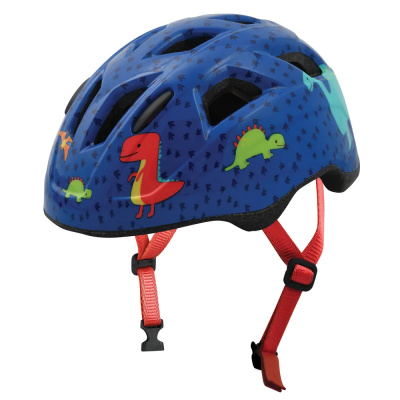
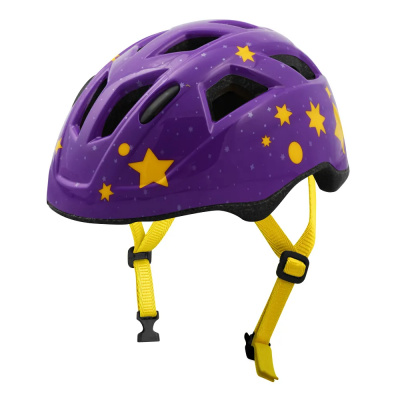
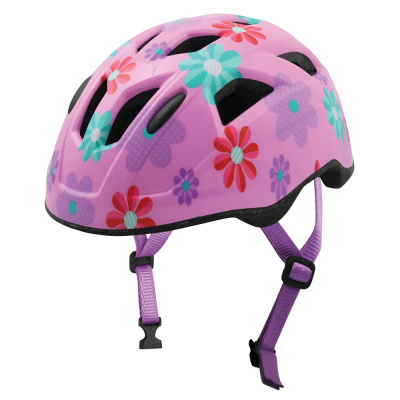
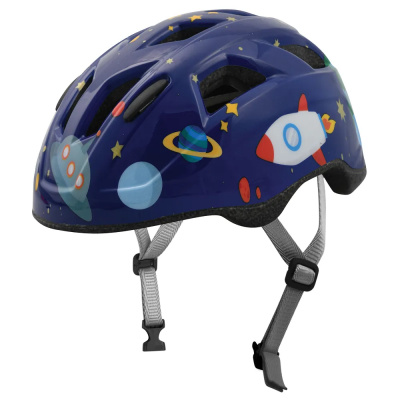
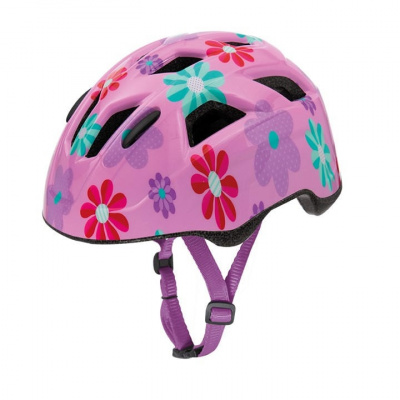
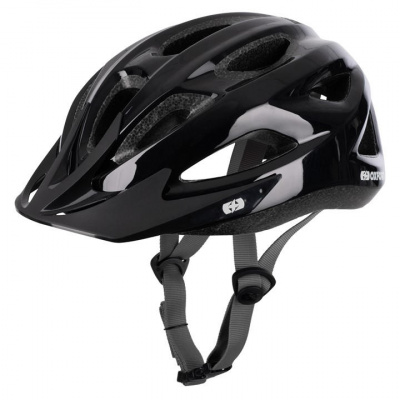
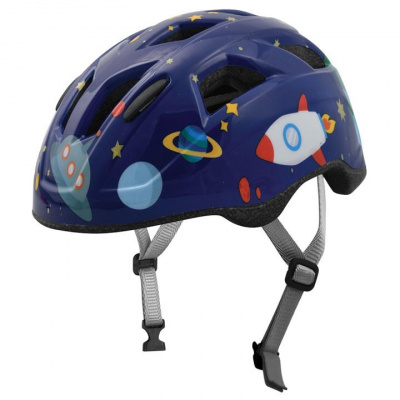
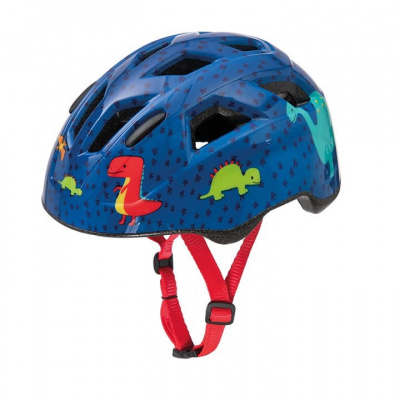
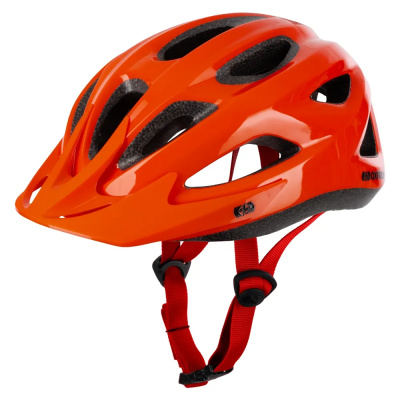
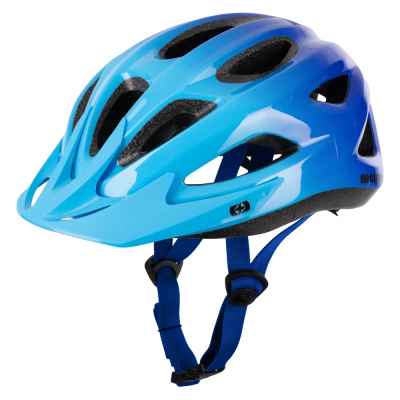
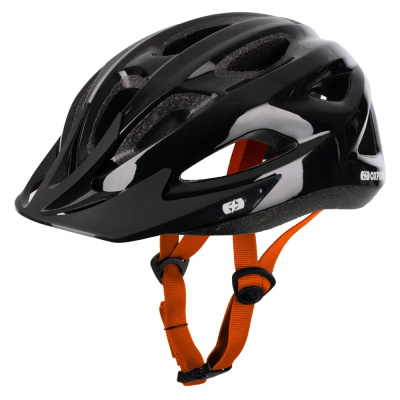
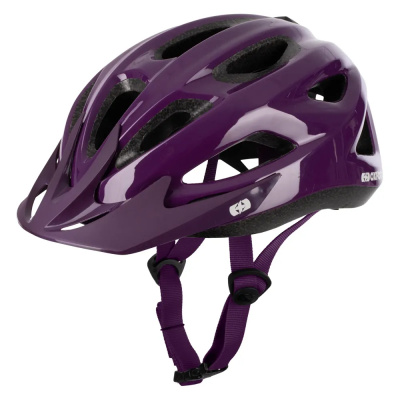
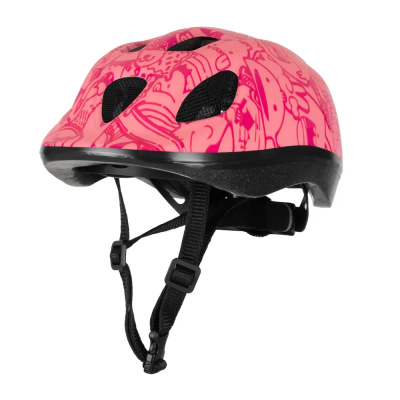
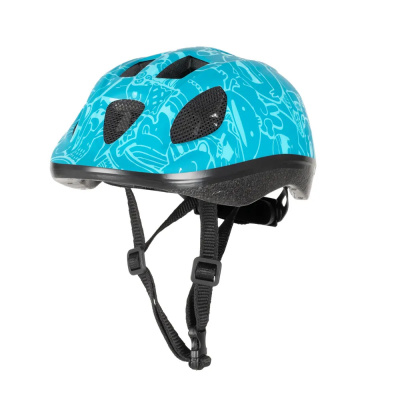
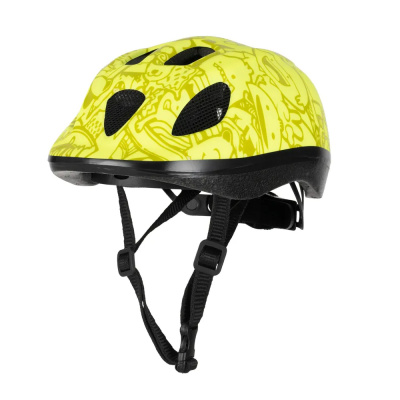
Prices and availability can change quickly. Delivery charges are not always included in listed prices.
Final price, stock status and delivery terms are set by retailer. We may receive a commission on purchases made.
What's Inside: Construction and All-Weather Detail
The EPS foam core is the part doing the real work. It's a single-use energy absorber - compress it in a crash and it's done its job, which is exactly why you replace the helmet afterwards rather than hoping for the best. Oxford bonds this liner directly to the outer shell using in-mold construction, fusing the two layers together rather than clipping a separate shell on top. The result is a stiffer, lighter lid that doesn't creak or flex in ways that suggest it's one drop away from delaminating.
Ventilation channels run front to back across the shell, keeping air moving on warm days when your child is actually working hard. Some models include integrated bug nets across the front vents - a small detail, but genuinely useful on summer trail rides where gnats and midges are a fact of life rather than an occasional inconvenience. Reflective decals on the rear and sides are standard across the range, which matters more than you'd think during grey October school runs when visibility drops off sharply. Compared to plain-coloured kids' lids from brands like Bell or Giro, Oxford keeps the reflective coverage broad rather than token.
The adjustable cradle also has a practical winter use most parents don't think about until the first frost: it opens wide enough to fit over a thin thermal skull cap, so your child's head stays warm without sacrificing the secure fit. Worth knowing before you give up and let them skip the helmet because it no longer fits over their beanie.
Sizing, Fit and Getting It Right First Time
Oxford's children's range spans from toddler sizes - typically starting around 48cm head circumference - up through junior and youth sizing that overlaps with smaller adult measurements. The dial-fit system at the rear is where most of that range is handled. Turn the dial clockwise to tighten the internal retention cradle, anti-clockwise to loosen. It takes seconds and you can do it with gloves on. A correctly fitted helmet should sit level on the head, about two fingers above the eyebrows, with the side straps forming a V just below each ear and the chin strap snug enough that you can fit one finger underneath.
To measure your child's head accurately, use a flexible tape measure and wrap it around the widest part of the skull - roughly one centimetre above the eyebrows. Note the circumference in centimetres and match it to Oxford's sizing chart before you buy. Don't guess based on age; head sizes vary far too much for that to be reliable. Youth bike helmet sizing across the Oxford range is clearly marked, so if you've got the measurement, picking the right size is straightforward.
Oxford children's cycling helmets are adjustable enough to cover two or three years of growth in most cases, but once the dial is maxed out and still feels loose, it's time to size up. Equally, if the helmet is sitting high or rocking side to side despite full tightening, the shell itself is too large - no amount of dial adjustment fixes a fundamentally oversized fit.
Looking for adult sizes or spares? Browse the full range of Oxford Helmets on Bikesy for the complete lineup. If you're after Lazer kids' helmets as an alternative, we stock those too.
Keeping the Helmet Clean and Knowing When It's Done
Fabric washable pads are removable in most Oxford kids' lids - unclip them, hand wash in cool water with a mild detergent, and leave them to dry naturally away from direct heat. Don't bung them in the machine or tumble dry them; the adhesive backing that holds them in place won't thank you for it. A sweaty helmet that never gets cleaned turns into a hygiene issue surprisingly quickly, especially after summer trail sessions. Pull the pads every few weeks during heavy use.
After any significant drop or crash - even if there's no visible damage - inspect the EPS liner carefully. Run your fingers across the foam looking for dents, compression marks, or cracks. EPS doesn't spring back; a dent means the material has already deformed and its protective capacity is reduced. If you find damage, replace the helmet. No exceptions, regardless of how minor the incident seemed.
Storage matters too. A damp, unheated shed or garage with big temperature swings is about the worst place a helmet can live over winter. The foam and shell can degrade faster in those conditions than they would with regular use. Keep helmets indoors, out of direct sunlight, and away from petroleum-based products - solvents and sprays can compromise the shell without leaving obvious marks.
As a general rule, replace your child's helmet every three to five years under normal use, or sooner if they've outgrown the maximum dial adjustment. A helmet that's been stretched to its limits for a year doesn't owe you another season.
While you're sorting the helmet, it's worth thinking about the rest of the kit. Oxford mitts are a natural pairing for younger riders learning to brake and balance, and Oxford lights are worth adding if any riding happens near dusk - particularly relevant for after-school rides through autumn and winter. If your child's bike is set up for wet conditions, Oxford mudguards keep the worst of the spray off their back and out of their face on the way home.
Oxford Kids Helmets FAQs
How do I measure my child's head for an Oxford helmet?
Wrap a flexible tape measure around your child's head, roughly one centimetre above their eyebrows - that's the widest point of the skull. Note the circumference in centimetres and match it against Oxford's sizing chart before ordering. Age-based guessing isn't reliable; head sizes vary too much between children of the same age for it to be a safe shortcut.
Are Oxford kids helmets adjustable as they grow?
Yes. Most Oxford children's helmets use a rear dial-fit retention system that micro-adjusts the internal cradle with a simple turn. That range of adjustment typically covers several years of growth. Once the dial is fully tightened and the fit still feels loose, the shell itself is too large and it's time to size up rather than persist with it.
When should I replace my child's bike helmet?
Replace it immediately after any crash or heavy drop onto a hard surface - the EPS foam may look fine but can be compromised internally. Under normal use, plan to replace every three to five years, or sooner if your child has outgrown the maximum dial adjustment. A helmet that no longer fits correctly isn't providing the protection it should, regardless of its age.