
Oneal Full Face Helmets
O'Neal full face helmets have been a fixture on downhill tracks and enduro stages long enough that the brand needs no introduction - but the range has moved well beyond its motocross roots. Today you're looking at helmets built around rigorous DH certification, including ASTM F1952 compliance on the harder-hitting models, paired with genuinely clever rider-focused features that make a difference when you're fumbling with gloves in a drizzly Welsh car park. The Fidlock® magnetic buckle is the headline act: single-handed fastening and release, even in thick winter gloves, with none of the chin-strap wrestling that wastes time at the top of a climb. Construction spans ABS shell and polycarbonate options across the range, so whether you're after a robust park helmet or a lighter lid for pedal-heavy days, there's a spec to match. Multi-density EPS liners and IPX® ACells rotational impact technology sit underneath, doing the serious work when it counts. Liners are removable and washable - a small detail that matters enormously after a winter of Peak District mud. Browse the range below and match the right balance of weight, ventilation, and protection to how you actually ride.
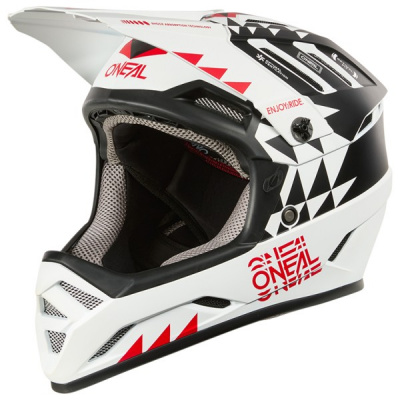
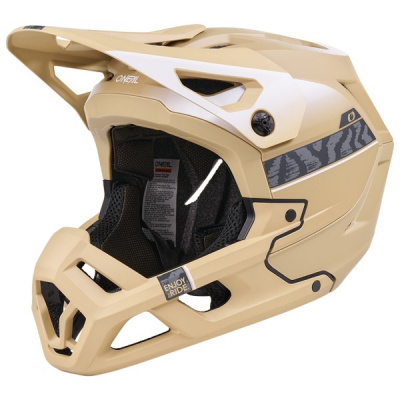
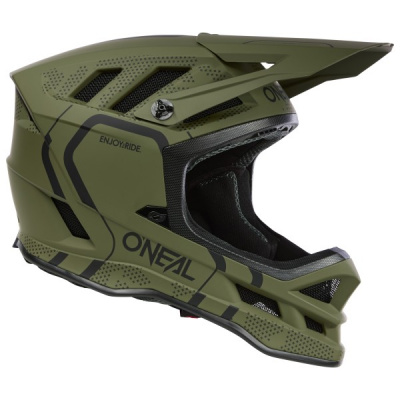
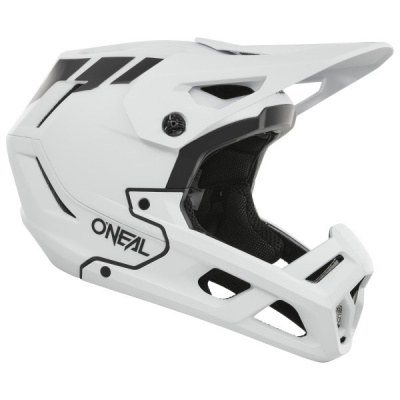
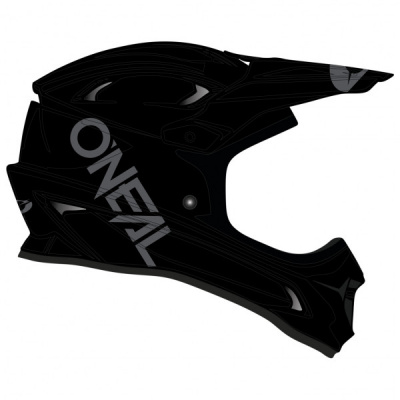
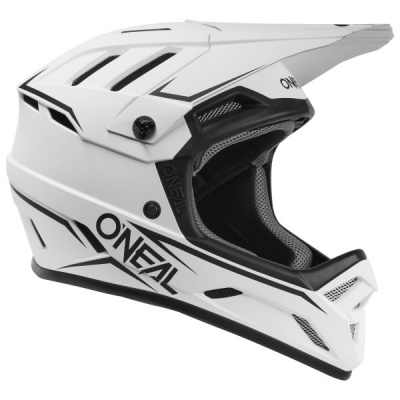
Prices and availability can change quickly. Delivery charges are not always included in listed prices.
Final price, stock status and delivery terms are set by retailer. We may receive a commission on purchases made.
Shell Construction and How It Handles Impacts
O'Neal build their full face helmets around two primary shell materials: ABS and polycarbonate. ABS is the tougher, heavier option - dent-resistant and well-suited to the kind of repeated contact that comes with park riding and bike lifts. Polycarbonate shells trim weight and tend to appear on the ventilated enduro-oriented models where you're doing most of the climbing yourself. Neither is a compromise; they're different tools for different jobs.
What sits inside both is more interesting. Multi-density EPS liners mean the foam isn't one uniform block - different zones compress at different rates depending on impact severity, spreading force more effectively than a single-density liner can. O'Neal layer in their IPX® ACells rotational impact technology on select models, which addresses the rotational forces that straight-line impact tests don't capture. Rotational loading is increasingly recognised as a significant factor in head injuries, and ACells work by allowing a degree of controlled movement between the outer shell and the liner to reduce that energy transfer to your skull. It's not a marketing footnote - it's the kind of protection that separates a mid-range lid from a genuinely considered one.
DH-certified models carry the ASTM F1952 standard, which is the benchmark for downhill mountain biking and substantially more demanding than a standard cycling helmet cert. If you're running uplift days or sending anything consequential, that certification matters. For comparison, Fox full face helmets and Bell full face helmets operate in the same certified space, so O'Neal sits squarely in credible company on the safety front.
The Range Explained - Finding Your Fit
O'Neal's full face lineup runs from the Backflip at the burly end through to the Sonus, Blade, and Transition models as you move toward lighter, more ventilated options. The Backflip is the park workhorse: heavier ABS construction, maximum coverage, and the padding profile of a helmet that expects big impacts. It's what you want when the chairlift does the climbing. The Sonus and Blade trim weight and open up the ventilation ports considerably, making them more practical for enduro-style days where you're earning your descents.
Fit is worth thinking about carefully. O'Neal helmets tend toward a rounder internal profile, which works well for riders who find some European brands too oval. The heavier DH models use thicker cheek pads and brow padding that feel quite snug out of the box - that's intentional. A properly fitted full face should feel firm initially and bed in slightly over the first few rides. If it moves when you shake your head, it's too big. If it's creating pressure points after ten minutes, go up a size rather than hoping it'll stretch.
For O'Neal enduro helmet sizing, measure your head circumference approximately two centimetres above your eyebrows with a soft tape measure, then cross-reference O'Neal's size chart directly. Don't guess based on a medium in another brand - head shapes vary enough that you should always measure. Sizing tends to run true, but the fit profile difference between the Backflip and the lighter enduro models is noticeable, so factor in which model you're buying when comparing measurements.
Not after a full face? O'Neal's broader helmet range covers open-face and trail options if you want something for less committing riding. And if you're weighing up the full face market more broadly, Troy Lee Designs full face helmets are worth a look as a direct comparison point.
Goggle Pairing and Keeping It Clean After UK Rides
O'Neal design their full face helmets with goggle integration in mind - the visor geometry and facial opening are set up to accept most standard MTB goggles without excessive gaps at the brow or cheeks. Gaps matter in the UK because humid, damp air on slow technical climbs is a reliable recipe for fogged lenses if the airflow path is blocked. The larger ventilation ports on the enduro models help pull air through and across the lens, which keeps fogging manageable even when you're grinding up a greasy Welsh bridleway. A wide goggle frame generally seals the brow gap better than a narrow one - worth checking compatibility before you commit to a combination. O'Neal's own goggles are designed to work with their helmet geometry, which removes the guesswork entirely.
After a muddy ride - and in the UK, that's most rides between October and April - the removable washable liner system earns its keep. Pull the cheek pads and brow liner out, hand wash them in mild soapy water, and let them air dry away from direct heat. Don't machine wash them; the agitation damages the foam backing faster than the washing itself. The outer shell cleans up with a damp cloth and mild soap; avoid solvent-based cleaners, which can degrade the ABS or polycarbonate over time. Pair the helmet with O'Neal body armour and O'Neal gloves and you've got a kit that works as a system rather than a collection of separate purchases.
One practical note: if you're using the Fidlock magnetic buckle for the first time, there's a brief learning curve - the magnet guides the buckle into place rather than you having to align it manually. Once it clicks, it's genuinely faster than a conventional buckle, and it becomes second nature within a few rides. Worth mentioning before you stand in a car park looking puzzled at your new helmet.
Oneal Full Face Helmets FAQs
How do I know what size O'Neal full face helmet to buy?
Measure your head circumference about 2cm above your eyebrows using a soft tape measure, then match that figure to O'Neal's sizing chart. The helmet should sit snug without creating pressure points, and it shouldn't shift when you give your head a firm shake. Don't size up hoping for comfort - a loose full face is a safety issue.
Are O'Neal full face helmets suitable for enduro riding?
Yes, provided you pick the right model. The Sonus and Blade-style options are built with oversized ventilation ports and trimmed weight to stay manageable on long climbs. The heavier ABS models like the Backflip are better suited to uplift-only park days where maximum protection matters more than breathability.
Can you wash the padding in an O'Neal full face helmet?
The inner liners and cheek pads are fully removable on O'Neal full face helmets. Hand wash them in mild soapy water and air dry naturally - keep them away from radiators and tumble dryers, which degrade the foam. After a UK winter's worth of muddy rides, doing this regularly makes a real difference to comfort and hygiene.