
Oneal Goggles
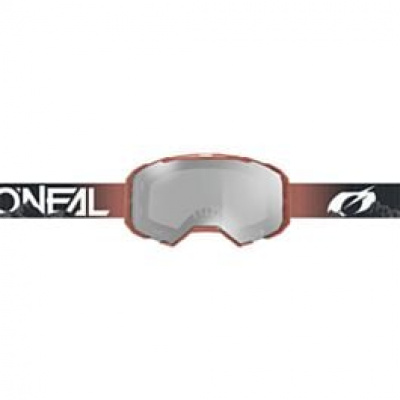
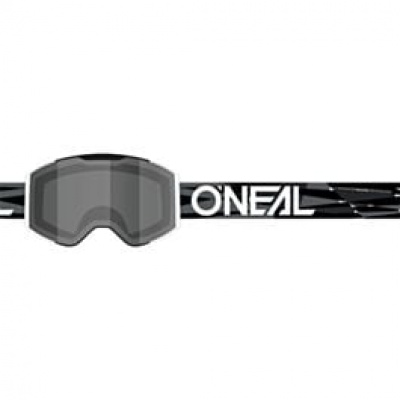
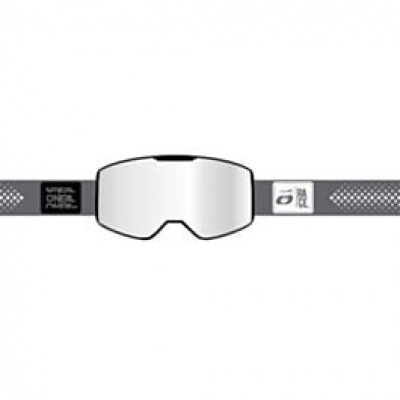
O'Neal MTB goggles have been a fixture in gravity riding for long enough that you'll spot them everywhere from Ae Forest to Bike Park Wales - and there's a reason for that. Your vision is genuinely the first thing that goes wrong on a technical descent, so the kit sitting in front of your eyes matters more than most riders give it credit for. O'Neal's lineup is built around 3D moulded Lexan lenses that keep sightlines distortion-free, factory anti-fog and anti-scratch coatings that cope with the kind of damp, gritty riding the UK delivers most of the year, and triple-layer moisture-wicking foam that pulls sweat away before it becomes a problem. The silicone-lined straps grip helmet shells without creeping, and the frame geometry is designed to sit flush whether you're in a full-face or an open-face lid. From the no-fuss B-10 that punches well above its entry-level status, through the better-padded B-20, to the B-30 with its magnetic lens-swap system, there's a model calibrated for how you actually ride. Compare the range below and find the fit, ventilation level, and optical spec that suits your trails.










Prices and availability can change quickly. Delivery charges are not always included in listed prices.
Final price, stock status and delivery terms are set by retailer. We may receive a commission on purchases made.
Lens Tech and Vision Clarity for UK Trails
The 1.2mm Lexan lens that O'Neal uses across the range is a polycarbonate material chosen for its impact resistance and optical consistency. Thin enough to mould into a wide, curved profile without distorting your view at the edges, it's the same material specification you'll find on goggles from Smith Optics at a notably higher price point. That matters on rooty, fast singletrack where a slightly warped lens is a genuine nuisance.
The anti-fog coating lives on the inner lens surface, and the anti-scratch coating protects the outside. Keep it that way - wiping the inside of the lens when it's wet strips the anti-fog layer faster than anything else. The coating works in tandem with the ventilated frame: air channels cut into the top and bottom of the frame keep fresh air moving across the lens surface, which is what actually prevents condensation from building. On a slow, sweaty push up a moorland climb before a descent, that airflow is what stands between clear vision and riding blind into a rock garden.
Low-light winter riding in dense woodland - the kind of riding that defines a January afternoon in the Surrey Hills or the Gwydir Forest - is where lens colour choice earns its keep. O'Neal's Radium lens tint is designed for exactly that: it lifts contrast in flat, grey conditions rather than simply brightening everything, so roots and ruts read more clearly against the forest floor. If you're after lens replacements or want to build a multi-lens setup for changing conditions, head to the O'Neal goggle spares section rather than trying to piece it together here - more on compatible accessories in a moment.
Understanding the O'Neal Goggle Range - B-10, B-20 and B-30
The B-10 is where most riders start, and it's a more capable goggle than its entry-level position suggests. Single-layer foam, a standard Lexan lens, and a clean frame design make it a solid choice for trail riders who want reliable eye protection without overcomplicating things. It does the job at the bike park and handles a wet Welsh afternoon without fuss. If you're new to goggles or replacing a pair that's done its time, the B-10 is the sensible starting point.
Step up to the B-20 and the difference is immediate in the foam. Triple-layer moisture-wicking foam is meaningfully better at managing sweat over a long enduro stage or a sweaty summer shuttle lap - it draws moisture away from your skin rather than just absorbing it. The outriggers on the B-20 frame are also more developed, which helps the goggle conform to the contours of your face rather than bridging across cheekbones and leaving gaps. For most riders doing regular trail and enduro riding, the B-20 hits the right point between cost and performance. Riders stepping across from Fox goggles or Leatt goggles at this tier will find the O'Neal offering competitive on both fit and optics.
The B-30 is O'Neal's premium option, featuring 3D moulded optics that curve more precisely around the face for a wider effective field of view, and a magnetic lens-swap system that genuinely speeds up mid-ride lens changes. That's not a gimmick when the light drops on a winter enduro and you need to swap from a tinted lens to a clear one without fiddling with screws in cold, muddy gloves. The B-30 is the goggle for riders who spend serious time on their bikes and want a system that keeps pace with them.
For replacement lenses, tear-off pins, and roll-off kit compatibility across all three models, the O'Neal goggle spares and accessories page covers the full picture - it's worth a look before your next long race day or multi-day trail trip.
Helmet Compatibility and Getting the Fit Right
O'Neal goggles are designed to work across the range of MTB helmet types, but the fit does vary depending on which lid you're running. The silicone-lined adjustable strap is the main tool here - the silicone grip pattern prevents the strap from riding up or sliding sideways on a glossy helmet shell during a rough descent, which is a real issue with non-silicone straps on modern helmets. Straightforward, but effective.
Outrigger-equipped models like the B-20 and B-30 are particularly well-suited to full-face helmets, where the goggle needs to bridge the gap between a helmet's eye-port edges and your face. Outriggers distribute the strap tension more evenly, stopping the goggle from bowing away from your cheeks and letting cold air (or mud) in around the sides. If you're running a wider, more aggressively shaped full-face - the kind of lid designed for bike park or enduro use - the outrigger geometry makes a noticeable difference to how sealed the goggle feels. Pairing your goggles with a compatible O'Neal full face helmet or one of the O'Neal trail helmets gives you the most dialled integration, since the goggle-to-helmet relationship is designed as a system rather than an afterthought.
For open-face helmets, the strap adjustment range is wide enough to work with most standard sizing. One practical note: fit the goggle to your helmet before you ride, not in the car park at the trailhead with cold fingers. It takes thirty seconds and saves you faffing with the strap halfway up the climb. If you're building out a full gravity setup, O'Neal body armour and O'Neal jerseys are worth looking at alongside the goggles - and 100% goggles are a fair alternative comparison if you want to see what else sits in this space.
Oneal Goggles FAQs
Do O'Neal goggles fit all MTB helmets?
Broadly, yes. The adjustable silicone-lined straps grip well on both open-face and full-face helmets without sliding. Models with outriggers - the B-20 and B-30 - are the better choice for wider full-face lids, as the outrigger frame distributes strap tension more evenly and keeps the goggle sitting flush against your face rather than bridging awkwardly across it.
How do I stop my MTB goggles from fogging up?
O'Neal goggles use factory anti-fog coatings on the inner lens surface alongside ventilated frames to keep air moving. The key maintenance point: don't wipe the inside of the lens when it's wet - that degrades the coating quickly. Keep moving where you can to maintain airflow, and let them air dry naturally after a muddy ride rather than wiping them down.
What is the difference between O'Neal B-10 and B-20 goggles?
The B-10 is a reliable entry-level goggle with a standard 1.2mm Lexan lens and single-layer foam - solid for trail and casual bike park riding. The B-20 upgrades to triple-layer moisture-wicking foam, which handles sweat significantly better on longer or harder efforts, and features improved outriggers for a more consistent face-to-frame seal. For regular enduro or gravity riding, the B-20 is the more capable tool.