
Oneal Helmets
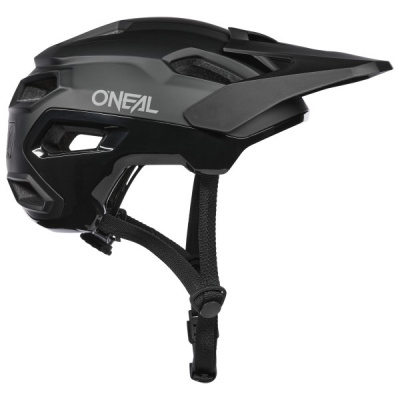
O'Neal MTB helmets have been knocking about at the sharp end of off-road protection for decades, and the trail and enduro open-face range carries that experience forward without the bulk you might expect. These are lids designed for riders who want serious coverage on technical descents but still need to breathe on the grind back up.
The range centres on open-face helmets that pair a robust ABS shell and EPS liner with O'Neal's IPX® ACells rotational impact technology - a system that addresses the kind of angled, twisting impacts that a straight drop test simply doesn't replicate. Alongside that, the Fidlock® magnetic buckle makes clipping in and out genuinely one-handed, which matters more than you'd think when you're standing in a cold car park with gloves on.
Ventilation is tuned for movement rather than looks, the moisture-wicking liners are removable and washable, and the adjustable visors are shaped to hold goggle straps without the strap creeping up mid-descent. Whether you're picking lines on steep, rooty singletrack or grinding up a humid woodland climb in the Peaks, these helmets are calibrated for the kind of riding UK trails actually demand - not the kind that looks good in a product film.
Prices and availability can change quickly. Delivery charges are not always included in listed prices.
Final price, stock status and delivery terms are set by retailer. We may receive a commission on purchases made.
Protection Tech That Does the Work
The foundation of every O'Neal trail and enduro lid is a polycarbonate or ABS outer shell sitting over an EPS liner - a proven pairing that manages direct impacts efficiently and keeps overall weight reasonable. But the part worth understanding in more detail is the IPX® ACells system integrated into that liner.
Real crashes rarely happen straight down. They involve a glancing blow to a root, a shoulder-first dig into a berm, a rotational force that a standard EPS liner transmits almost directly to your skull. IPX® ACells places strategically positioned polymer cells within the liner construction that compress and flex on impact, absorbing a portion of that rotational energy before it reaches your head. It's not a marketing layer - it's a structural one, and it positions O'Neal helmets alongside the kind of rotational mitigation tech you'd find on lids from Fox or Bell at comparable price points.
Then there's the Fidlock® magnetic buckle. Cold hands, winter gloves, post-crash adrenaline - standard clip buckles become a minor ordeal in any of those situations. The Fidlock system uses a magnetic guide to locate the two halves automatically; you press once and it's locked. Getting it off is equally quick. It sounds like a small thing until you've fumbled with a standard buckle at the top of a descent in February.
Getting the Fit Right Across the Range
O'Neal helmets are built around an intermediate oval head shape - not as round as some Asian-fit lids, not as narrow as certain European performance-focused options. For most UK riders, that puts them broadly true to size, but head shape varies enough that it's worth measuring your circumference before committing.
The O'Neal micro-adjust dial fit system at the rear does the fine-tuning. It's a simple retention cradle with a ratchet dial that lets you dial in the fit incrementally - tighter for rough, chattery descents where you want zero helmet movement, slightly looser for long climbs where you need airflow and comfort. Getting this right is the difference between a helmet that feels planted and one that rocks forward over your eyes on steep terrain. Set it at home, then check it again after your first trail - liners compress slightly with use and warmth.
The open-face range covers a spread of price points and feature levels, from entry lids suited to riders getting into trail riding through to more spec'd-out enduro options with deeper coverage at the rear and more aggressive visor geometry. If you're unsure which model suits your riding, think about how much time you spend on genuinely technical descents versus flowing trail riding - that split tends to dictate how much rear-head coverage you'll want.
One important note on scope: this page covers O'Neal's open-face trail and enduro helmets only. Looking for maximum protection for downhill or bike park laps? Head over to our dedicated O'Neal Full Face Helmets page for the gravity-focused lids. Alternatively, if you're comparing open-face options across brands, Giro's trail range is worth a look for riders who prioritise a narrower fit profile.
Staying Comfortable on UK Trails Year-Round
UK riding doesn't do consistent weather. A summer ride in the Brecon Beacons can start with mist and end with 22 degrees and full sun, and a Peak District day in October will cycle through drizzle, mud, and occasionally blinding low light within a single loop. O'Neal's ventilation ports are sized and channelled for movement-based airflow - they work best once you're actually rolling, which suits trail and enduro pacing well. At slow-speed technical sections or on long fireroad slogs, airflow reduces, but the moisture-wicking liner picks up the slack by pulling sweat away from your skin rather than letting it pool.
Those liners are removable and washable, which matters more than most people account for when buying a helmet. UK mud has a way of finding its way into liner foam, and the smell that follows a season of unwashed padding is something you only tolerate once. Pull the liner, stick it in a cold wash, let it air dry - takes minutes and your helmet stays genuinely fresh.
Visor adjustment deserves a mention too. The adjustable visors on O'Neal trail lids are designed with goggle compatibility in mind - the geometry at the rear of the shell keeps strap position stable, so your goggles don't shift when the going gets rough. If you're riding anything exposed or technical in wet conditions, pairing your lid with O'Neal goggles gives you a confirmed fit with no gap between goggle foam and helmet rim that lets in cold air or grit. For wet, rooty woodland riding - think Surrey Hills in November - that integration is worth having sorted before you head out, not adjusted on the trail.
Rounding out the kit, O'Neal body armour and O'Neal jerseys are built to the same sizing references, so if you're building a head-to-toe setup there's no guesswork on layering compatibility.
Oneal Helmets FAQs
How do O'Neal helmets fit compared to other brands?
O'Neal helmets are shaped around an intermediate oval last, which fits true to size for the majority of riders. The rear micro-adjust dial lets you fine-tune retention for a locked-down feel on rough descents - measure your head circumference first and go from there.
What is O'Neal IPX ACells technology?
IPX® ACells is O'Neal's rotational impact absorption system, built into the EPS liner itself. Polymer cells positioned through the liner compress and flex during an angled impact, reducing the rotational forces transmitted to the brain - the kind of forces a straight drop test doesn't capture.
Are O'Neal helmets goggle compatible?
Yes. Most O'Neal trail and enduro open-face helmets feature adjustable visors and rear shell shaping designed to hold goggle straps securely without creep. They integrate cleanly with O'Neal's own goggle range for a consistent fit with no gap at the foam seal.