
On Running Socks
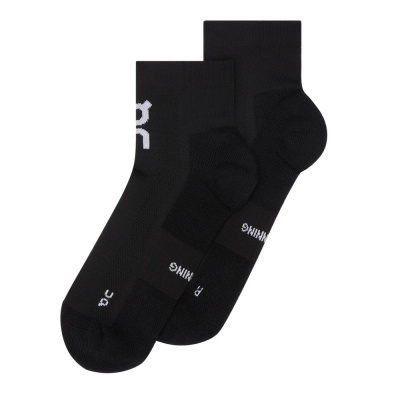
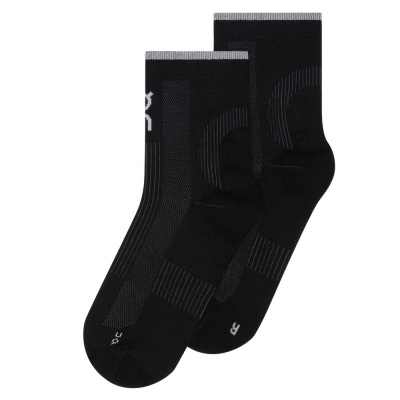
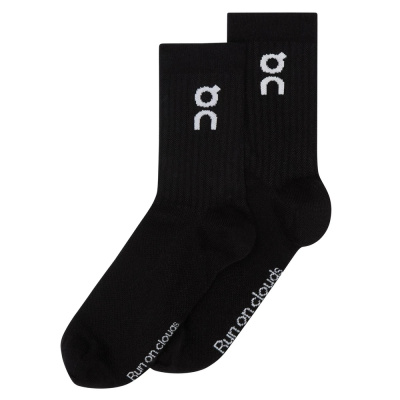
On Running socks bring Swiss engineering precision to the one piece of kit most riders and athletes treat as an afterthought. That's a mistake worth correcting. Built around anatomical left/right specific shaping, these aren't socks you grab at random from the drawer - each one is shaped to the foot it belongs on, with targeted sensory arch support that keeps everything locked in place from the first mile to the last.
Flat-locked toe seams sit flush against the skin with no ridge to rub against, which matters a lot when you're deep into a long effort and your feet are starting to talk back. Technical mesh panelling moves moisture away from the skin quickly, so a sudden shower on a Welsh hillside or a sweaty August climb doesn't turn into a blister situation by the time you're back at the car.
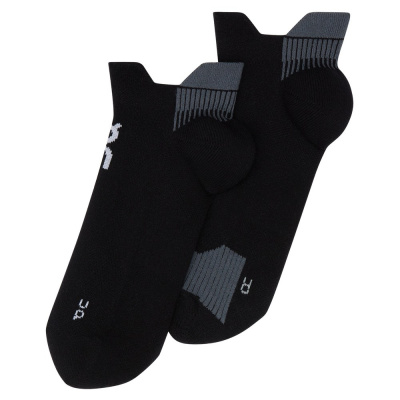
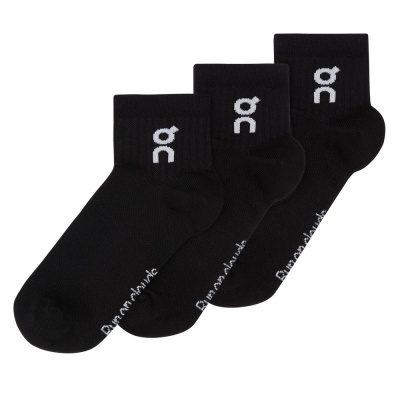
The recycled polyamide and elastane blend gives you stretch without sag - they hold their shape wash after wash, which puts them well ahead of standard athletic socks that go baggy after a few outings. Available in Low, Mid, and High profiles, there's a cut for every condition and discipline. If you've been treating socks as an afterthought, On will change your mind fairly quickly.
Prices and availability can change quickly. Delivery charges are not always included in listed prices.
Final price, stock status and delivery terms are set by retailer. We may receive a commission on purchases made.
Fabric Tech and How It Handles UK Weather
The core of what makes On Running performance socks stand apart is the recycled polyamide and elastane blend. Polyamide is tough, abrasion-resistant, and dries fast - exactly what you want when you've clipped a puddle on a Peaks bridleway or pushed through a humid August effort in the South Downs. The elastane keeps the sock snug without constricting, so the structure doesn't collapse after a handful of washes.
Technical mesh panelling is placed where heat and moisture build up fastest - across the top of the foot and around the toe box. These panels act almost like vents, drawing sweat away from the skin and letting air circulate. On a warm, close day when the humidity makes everything feel twice as hard, that ventilation is worth more than most people expect from a sock.
The flat-locked toe seams are genuinely useful rather than just a spec-sheet bullet point. A standard sewn seam creates a small ridge across the toes - fine for a short effort, quietly destructive over two hours. On's flat construction eliminates that entirely, sitting flush with the fabric so there's nothing to rub. Blister prevention starts here, long before you think about footwear choice or lacing technique. If you're comparing to something like DeFeet socks, which also take construction seriously, On's anatomical shaping gives it a measurable edge in fit precision.
The Range: Low, Mid, and High - What Actually Suits You
Understanding the On Running mid vs high sock difference is simpler than it sounds once you think about what you're doing and when. The Low cut sits below the ankle - minimal, cool, and clean inside a low-profile trainer or road shoe. It's the right call for warm weather efforts where you want as little coverage as possible without going sockless and regretting it.
The Mid profile covers the ankle without climbing the calf, which makes it a solid all-rounder. You get a bit more protection from trail debris, a touch more warmth on a cool morning, and the ankle coverage stops your shoe collar rubbing directly on skin. For most riders and runners using On footwear across mixed conditions - the kind of shifting forecast you get across much of the UK from September through April - Mid is the sensible default.
High socks give you full lower-leg coverage and are worth considering if you're heading into long grass, loose grit, or colder conditions where a bit of insulation around the ankle makes a real difference to comfort. They're not just for cold weather, either - on a dusty summer trail, the extra coverage keeps debris out of your shoe collar.
Whichever height you pick, the anatomical left/right specific fit applies across the range. Each sock is shaped to its foot, with the arch support positioned precisely rather than centred generically. In practice, the sock sits snugly without bunching under the ball of the foot - the kind of subtle bunching that you don't notice until kilometre eight and then can't stop noticing. Stick to your standard shoe size; On's sizing runs true and the elastane blend accommodates normal half-size variation without issue. Brands like Fingers Crossed socks and Ashmei socks also offer precision construction, but On's left/right shaping is notably specific for a performance sock at this level.
Washing, Care, and Building a Full Kit Around Them
Lightweight running socks On builds are only as good as how you look after them. The elastane that gives the sock its structure is also the part that suffers most from heat - tumble drying is the quickest way to kill the stretch and leave you with a sock that fits like it belongs to someone else. Wash at 30 degrees on a gentle cycle, reshape while damp, and air dry. That's it. Follow that and they'll hold their shape and wicking performance for a long time.
Avoid fabric softener. It coats the fibres and degrades the moisture-wicking properties over time - you won't notice immediately, but after several washes the sock starts to feel clammy rather than dry. It's a small thing that makes a real difference to how the sock performs when it matters.
If you're building out a full On kit for variable UK conditions, the socks pair naturally with On Running jackets for wind and light rain protection, and On Running trousers when the temperature drops and you need coverage from ankle to waist. For colder mornings where a hat makes the difference between a comfortable effort and a miserable one, On Running headwear completes the picture. On's range is designed to work as a system, and the socks - often the last thing people spec - are genuinely part of that.
On Running weather socks, particularly the Mid and High profiles, are well-suited to the kind of conditions British riders deal with regularly: not extreme cold, not extreme heat, but that persistent damp cool that sits somewhere in between and demands kit that responds quickly to changes in output and temperature. The mesh panelling and fast-drying polyamide blend handle that range without needing you to overthink it.
On Running Socks FAQs
Are On Running socks worth the investment?
Yes, and the anatomical fit is the main reason. The left/right specific shaping and flat toe seams meaningfully reduce blister risk on longer efforts, and the recycled polyamide blend holds its structure far longer than standard athletic socks. You're paying for construction that actually does what it claims.
How do On Running socks fit?
Snugly, with purpose. The anatomical left/right design and targeted arch support stop the sock shifting or bunching inside the shoe. Size to your standard shoe size - On's sizing runs true and the elastane blend handles normal variation without the sock feeling either loose or restrictive.
Should I choose the Low, Mid, or High On socks?
Low for warm weather and a minimal feel. Mid for most conditions - it's the practical all-rounder that suits mixed UK forecasts well. High when you want ankle protection from trail debris or a bit of extra insulation on colder mornings. Activity and season are your guide.