
On Running Jackets
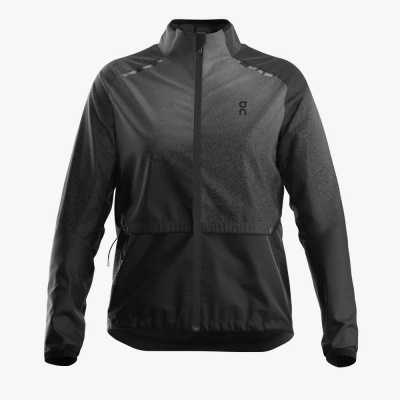
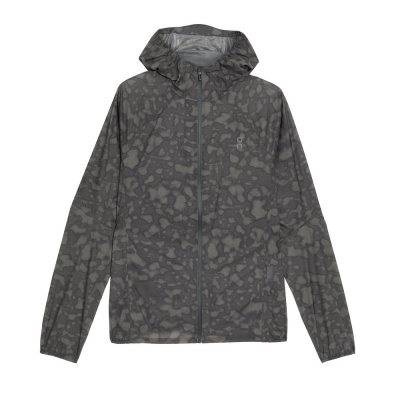
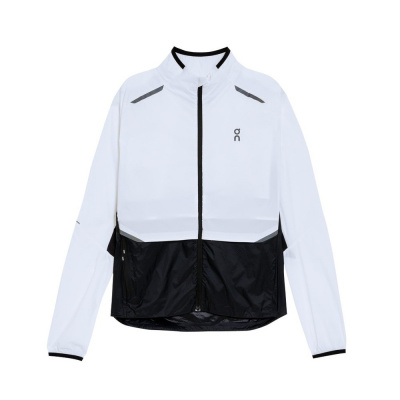
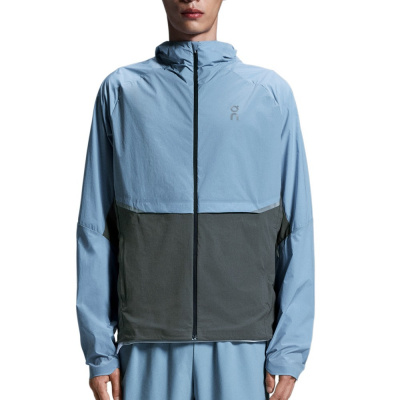
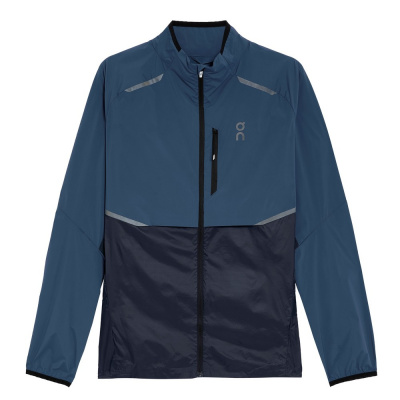
On Running jackets bring Swiss-engineered precision to the problem every UK rider and runner knows too well: weather that can go from crisp to soaking in the time it takes to climb a hill. Built around ultralight ripstop fabrics and PFC-free DWR coatings, these jackets shed wind and light rain without trapping the heat that builds up the moment you push the pace. That breathability is the thing. On has built active ventilation zones - caped backs, laser-cut panels - into the construction so moisture escapes before it becomes a problem, not after.
The range spans highly water-resistant windproof shells through to fully waterproof membrane jackets, so there's a logical answer for everything from a damp commute to a proper Welsh hill day. Packability is taken seriously too: the lightest models compress small enough to live in a jersey pocket or the lid pocket of a pack, which matters when the forecast is optimistic and you're not convinced. Reflective detailing is woven in subtly for low-light visibility - useful through the short afternoons of a UK winter. Precise cuts, smart details, no unnecessary weight. That's the On approach.
Prices and availability can change quickly. Delivery charges are not always included in listed prices.
Final price, stock status and delivery terms are set by retailer. We may receive a commission on purchases made.
Fabric Tech & Weather Performance
On's weather protection story starts with Swiss-engineered ultralight ripstop fabrics - tight, tear-resistant weaves that stay light without sacrificing durability. The ripstop structure means the fabric resists snagging on pack straps or brambles without adding meaningful weight, which keeps the jacket from feeling like armour when you're moving hard.
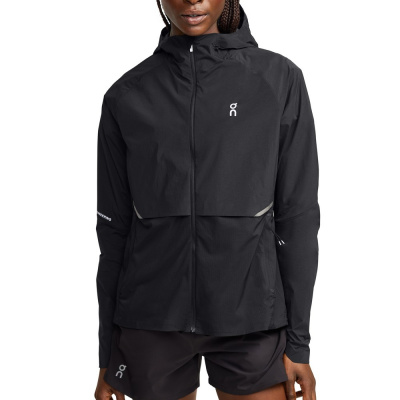
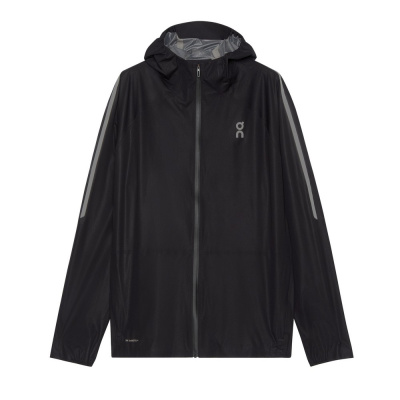
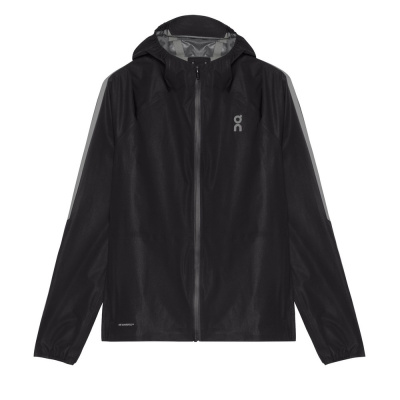
Not every On jacket works the same way in the rain, and that distinction matters. Models built around PFC-free DWR coatings - the Weather Jacket being the clearest example - are highly water-resistant rather than fully waterproof. The DWR treatment causes water to bead and roll off the face fabric, handling UK showers and damp mornings without issue. In a sustained downpour, though, face fabric will eventually wet out and the jacket will feel heavier. For heavy, persistent rain - think a Scottish October or a Lake District slog - the Waterproof Anorak steps in with a fully waterproof breathable membrane that blocks water at the fabric level rather than relying on surface chemistry alone.
Where On genuinely pulls ahead is ventilation. High humidity on mild, wet days is the quiet enemy of any waterproof layer - you stay dry from the rain but soak through from sweat. On addresses this with mechanical ventilation: caped back panels that funnel rising heat away from the body, and laser-cut perforations that let air move without creating obvious weak points for water ingress. It's a more considered solution than a single underarm zip, and it keeps the jacket useful across a wider range of effort levels. Reflective detailing is integrated into the construction rather than applied as an afterthought, which matters on January commutes or early-morning rides when visibility drops fast.
Understanding the On Running Fit & Range
On cuts its jackets with an athletic, tailored profile. The intention is to eliminate the wind-catching excess fabric you get with more relaxed fits - no billowing at the back when you're riding into a headwind, no excess pooling at the waist when you're bent over the bars. Articulated sleeve construction follows the natural forward position of the arms, so reaching for the drops or the handlebar doesn't pull the back of the jacket up and expose your lower back to the cold.
Sizing runs true for most people wearing a single base layer or mid-layer beneath. If you're planning to run the jacket over a heavier winter mid-layer - a thick fleece or an insulated gilet - go up a size. The tailored cut doesn't leave a huge amount of room for bulk underneath, and a jacket that's pulling across the shoulders will both restrict movement and compromise how the hood sits. If you're unsure, On's size guides lean on chest and height measurements rather than just chest alone, which gives a more reliable fit result for taller or longer-armed riders.
The range focuses on sleeved jackets across different weather ratings, but if core warmth without sleeves is what you're after - useful for regulating temperature mid-ride without losing arm mobility - our dedicated On Running Gilets page covers those options in full. The two categories solve different problems, and it's worth knowing which one you actually need before committing.
For riders comparing On against other performance-focused brands at a similar level, Ashmei jackets offer a comparable precision-fit philosophy with a British-made merino-blend angle, while 7mesh jackets go deeper on Gore-Tex membrane technology for riders who prioritise maximum waterproofing over packability. Castelli jackets are worth a look if you're coming from a pure road cycling background and want a more race-oriented cut. On sits in a space that bridges running and cycling functionality, which makes it particularly well-suited to riders who mix disciplines or commute as well as train.
Layering & Care for UK Conditions
Getting the layering right is straightforward once you know the logic. On a crisp autumn morning in the Peaks or the Surrey Hills, a lightweight windproof On jacket over a merino base layer is often all you need - the base layer handles moisture, the jacket handles wind, and you stay warm without cooking. Add a thin mid-layer if the temperature drops below five degrees or the wind is properly cutting. The jacket goes on last, and because the packable models compress so small, there's no reason not to carry one even when you set off in sunshine.
For wetter, colder conditions - the kind of ride where you're not sure whether it's drizzle or just mist - pair the jacket with On Running trousers that share the same weather-resistant ethos, and think about what's happening on your head. On Running headwear designed to sit under a hood keeps heat in without adding bulk, which matters when you want the hood to actually function rather than just sit there.
Care is where a lot of people undo good kit. DWR coatings degrade over time, but washing and drying correctly extends their life significantly. Use a technical apparel wash - standard detergents leave residues that clog the DWR and reduce breathability. Once washed, either tumble dry on low heat or apply a warm iron through a cloth: the heat reactivates the DWR chemistry and restores beading performance. Don't skip this step; a jacket that feels like it's stopped working after a season is often just one wash cycle away from performing properly again. On Running socks follow similar care logic for technical fibres if you're doing a kit wash together.
On Running Jackets FAQs
Are On Running jackets fully waterproof?
Not all of them. The Waterproof Anorak uses a fully waterproof breathable membrane built to handle sustained heavy rain, while the Weather Jacket relies on a PFC-free DWR coating that handles showers and wind effectively but will eventually wet out in a prolonged downpour. Choose based on how serious the conditions are likely to get.
How do On Running jackets fit?
On jackets run with an athletic, tailored cut - close enough to prevent wind flap but not restrictive. They're sized to fit well over a single base or mid-layer; if you're planning to wear a heavier winter mid-layer underneath, go up one size to keep the sleeves and hood sitting correctly.
Can I pack an On Running jacket into its own pocket?
Yes - most of On's lightweight shells are designed with this in mind. The Weather Jacket, for instance, stuffs entirely into its own breast pocket, compressing small enough to sit in a jersey back pocket or the top compartment of a hydration pack without any fuss.