
Ashmei Socks
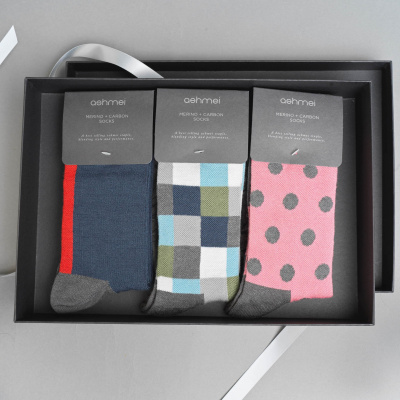
Few riders give socks much thought until their feet are either soaked, blistered, or mysteriously boiling at mile forty - and that's exactly where ashmei cycling socks make their case. Built around the brand's long-standing focus on Merino wool blends, these socks do something most pure synthetics can't: regulate temperature in both directions. Cool on a muggy August climb out of the valley, insulated when November drizzle has soaked through everything else on a long base-miles slog.
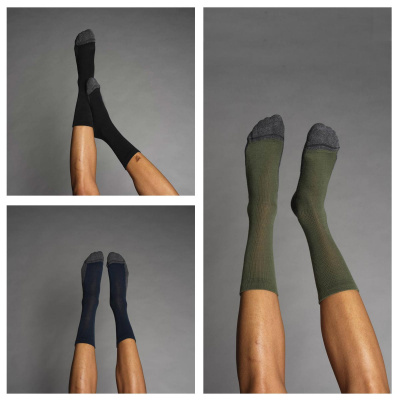
The fibre choice is deliberate. Merino's natural thermoregulation keeps your feet from turning into swamps or ice blocks depending on the season, while its inherent odour resistance makes it a sensible pick for back-to-back riding days or multi-day bikepacking trips where a washing machine is a distant dream. Pair that with seamless toe construction to prevent chafing inside tight cycling shoes, targeted mid-foot compression for arch support over long hours in the saddle, and high-wicking microfibre reinforcements at the heel and toe, and you've got a sock that earns its price tag across every ride type. Whether you're racing crits, grinding out winter miles, or heading off-grid, these are socks designed around what UK riding actually demands.
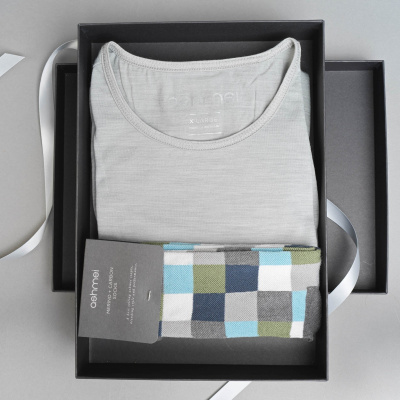
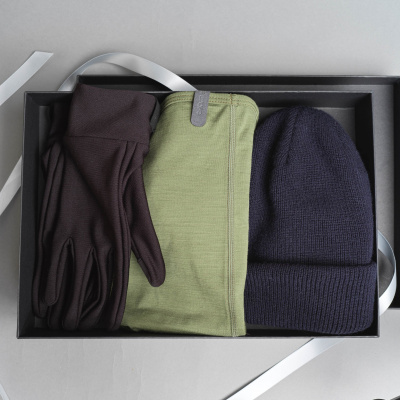
Prices and availability can change quickly. Delivery charges are not always included in listed prices.
Final price, stock status and delivery terms are set by retailer. We may receive a commission on purchases made.
Why Merino Wool Outperforms Plain Synthetics in British Weather
The core of every ashmei merino cycling sock is a bespoke Merino wool and carbon blend - not a token percentage of wool tacked onto a polyester base, but a fabric built around what Merino actually does well. Thermoregulation is the headline. Natural wool fibres respond to your body's heat and moisture output, dumping warmth when you're working hard and holding onto it when you've stopped or the temperature drops. That's not marketing copy; it's basic fibre science, and it matters when a ride in the Peaks can swing from humid valley climbs to exposed ridgeline cold inside twenty minutes.
The moisture-wicking performance comes partly from those high-wicking microfibre heel and toe reinforcements, which pull sweat away from the skin before it pools and causes friction. Critically, Merino keeps doing this even when it's damp - unlike some synthetics that feel clammy the moment they absorb water. If you've been caught out by a summer storm on a Welsh back road, you'll know how fast wet socks become a misery. ashmei's construction resists that slide into discomfort by maintaining its insulating properties when soaked. For bikepacking or multi-day audax riding, the natural odour resistance is genuinely useful - Merino doesn't hold onto the smell of hard effort the way synthetic fibres tend to.
If you're comparing options, DeFeet socks offer strong synthetic performance at a range of price points, while Fingers Crossed socks take a similarly premium approach with their own merino blends - worth a look if you want to weigh up the feel differences before committing.
How the ashmei Range Breaks Down
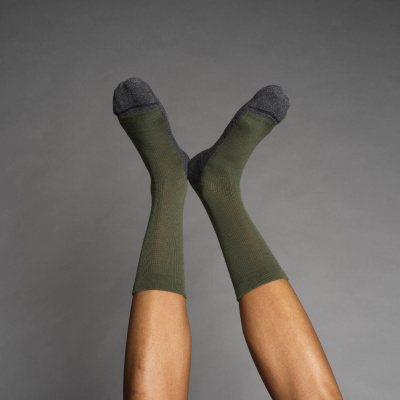
ashmei don't produce a single catch-all sock and call it done. The range covers distinct use cases, and knowing which profile suits your riding makes a real difference to how the sock performs. The classic ashmei merino cycling sock is the workhorse - a mid-cuff design with enough insulation for year-round riding in most UK conditions. It suits riders who want one sock that handles the widest spread of weather without overthinking it.
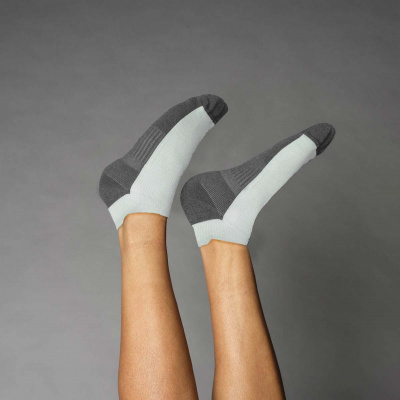
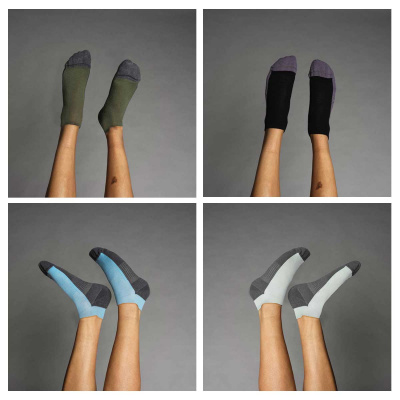
For summer riding, the lighter-weight options prioritise breathability. The Merino content is still present for its moisture management properties, but the weave is more open, reducing heat retention on humid days when you're pushing through long climbs. These sit closer to what you'd expect from an ashmei aero sock in terms of profile - lower-cut, minimal bulk, shaped to fit neatly inside road shoes without bunching. The aerodynamic designs are cut specifically to work with tighter-fitting road shoes and are worth considering if you're racing or doing structured training where marginal details accumulate.
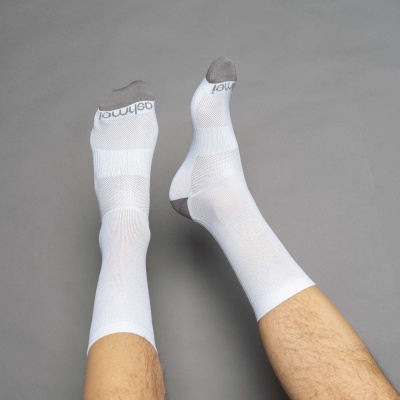
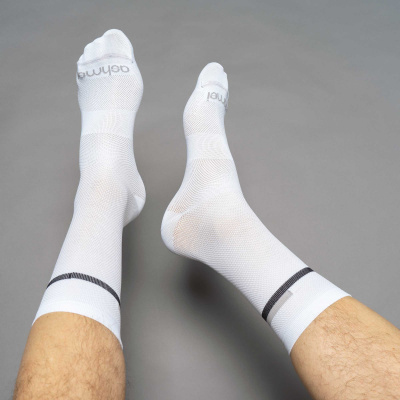
Across the range, two fit features stand out. The seamless toe box eliminates the ridge that causes hot spots and blistering in cycling shoes - particularly relevant if you run a narrow last or have any history of toe-box irritation on longer rides. The targeted mid-foot compression band is the other one: it wraps the arch firmly enough to keep the sock from shifting during pedalling, which reduces the micro-friction that causes fatigue and skin irritation over four or five hours. Do ashmei socks offer arch support? Yes - that compression band is specifically engineered to support the mid-foot, not just keep the sock in place. It's a subtle thing, but you notice its absence in cheaper socks by the end of a long day.
Cuff height varies across the range too. If you're racing or prefer a clean aesthetic, the lower profiles work well. For winter riding or simply personal preference, the taller cuff gives slightly more coverage and pairs more naturally with bib tights.
Fitting ashmei Socks Into Your Kit for UK Riding
A good sock only takes you so far in a British winter - layering is where the system works. Pairing ashmei socks with ashmei bib tights gives you a coherent thermal approach from foot to hip, and adding neoprene or softshell overshoes on top keeps wind and road spray away from the sock itself. In genuinely cold conditions, the Merino blend in the sock holds heat even if your overshoe lets in a bit of moisture - which they all do eventually on a three-hour winter ride.
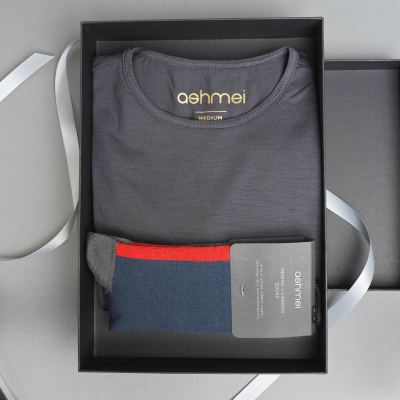
For summer or mixed-season riding, a lightweight base layer from the ashmei base layer range alongside these socks gives your whole contact-point system a consistent moisture-management approach. It's not about brand matching for its own sake; it's that the same Merino logic that keeps your feet from sweating into misery applies across the body. If you're building out a bikepacking kit or heading somewhere remote for a few days, ashmei bib shorts round out the lower-body side of that equation.
On care: Merino is worth looking after properly. Wash ashmei socks on a cool 30°C gentle cycle with a mild detergent, skip the fabric softener entirely (it degrades the wool's natural crimp and kills the thermoregulating properties), and air dry flat rather than tumble drying. Heat is Merino's main enemy - even a short spin in a warm dryer can cause the fibres to shrink and the sock to lose its shape and compression. It takes thirty seconds longer than chucking everything in together, and the socks will last significantly longer for it. GripGrab socks are another option if you want something more straightforwardly machine-washable with less care overhead, though you trade the Merino performance for that convenience.
One more thing worth knowing: thermoregulating bike socks like these aren't a one-season item. The same sock that handles a damp spring ride will work on a cool October morning with the right layering around it. Buying on a per-season basis is how you end up with a drawer full of mediocre socks.
Ashmei Socks FAQs
Are ashmei Merino socks too warm for summer cycling?
Not at all. Merino wool is naturally thermoregulating - it wicks sweat away from the skin and breathes actively rather than trapping heat. On humid summer climbs, that moisture management keeps your feet drier and cooler than most synthetics. The lightweight summer options in the ashmei range are cut for exactly this, with a more open weave for added airflow.
How should I wash my ashmei cycling socks?
Use a cool, gentle 30°C machine cycle with a mild detergent. Skip fabric softener - it breaks down the Merino fibre's natural structure and strips the thermoregulating properties over time. Never tumble dry them; heat causes the wool to shrink and the sock to lose its compression and shape. Air dry flat and they'll stay in good condition for a long time.
Do ashmei socks offer arch support?
Yes. ashmei build a targeted mid-foot compression band into the sock construction, which wraps the arch firmly enough to reduce foot fatigue and stop the sock from shifting during pedalling. It's the kind of detail that doesn't shout for attention but makes a real difference across four or five hours in the saddle.