
On Running Headwear
On Running headwear is where Swiss engineering meets the kind of unpredictable British weather that changes three times before you've hit the first climb. The range covers everything from featherweight running caps for humid summer intervals to Merino wool beanies for dark January base miles - and the design logic is consistent throughout: nothing that gets in your way, nothing that lets the elements in when you don't want them to.
Each piece centres on a low-profile fit that stays put in a headwind without the bulk that makes a hat feel like a liability under a helmet. Laser-cut ventilation dumps heat fast during hard efforts, DWR coatings handle the drizzle and road spray that are essentially a permanent feature of UK riding, and fast-drying internal sweatbands mean you're not carrying a soggy sponge on your head by kilometre thirty.
Whether you're cross-training between rides, deep into a gravel ultra across the Dales, or just trying to stay functional on a wet commute, On's caps and beanies are designed to regulate temperature without fuss. Reflective detailing adds low-light visibility - useful given how quickly the days close in from October onwards. This is a focused, technically considered collection.
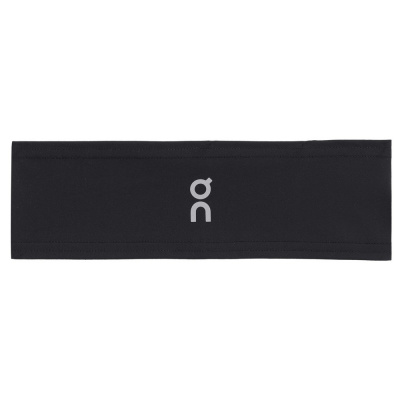
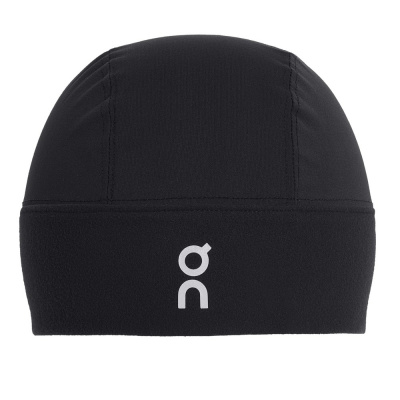
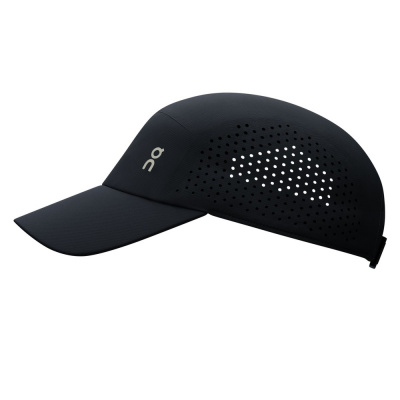
Prices and availability can change quickly. Delivery charges are not always included in listed prices.
Final price, stock status and delivery terms are set by retailer. We may receive a commission on purchases made.
Fabric Tech & Weather Performance
On Running's material choices are deliberate rather than decorative. The standout feature across the cap range is laser-cut ventilation - small, precisely positioned perforations that open airflow directly where heat builds fastest during intense efforts. Unlike woven mesh panels, laser-cut holes don't fray or distort over time, so the ventilation stays consistent wash after wash. On a humid August morning when the air feels thick before you've even reached the top of the first drag, that kind of structured heat exhaust makes a tangible difference.
The outer fabrics themselves are tear-proof woven constructions - light but robust enough to handle being stuffed into a jersey pocket without pilling or losing shape. Most models carry a DWR (Durable Water Repellent) coating that sheds light rain and road spray rather than absorbing it. It won't hold up in a sustained Scottish downpour, but for the typical UK shower that appears without warning and clears in fifteen minutes, it does exactly what you need. Worth noting: DWR performance degrades with repeated washing if you use the wrong detergent - more on that below.
Internally, the fast-drying sweatbands are the detail that separates a hat you'll reach for every ride from one that sits in the drawer. Moisture-wicking construction pulls sweat away from your forehead rather than letting it pool, and the drying time is quick enough that hanging the cap post-ride means it's ready by morning. For winter pieces, On uses Merino wool blends in the beanies - a natural thermoregulator that stays warm when damp and doesn't develop the synthetic odour that plagues cheaper fleece options after a few hard efforts. If you're comparing options, Ciele headwear and Rapha headwear operate in a similar technical space, though On's aesthetic skews cleaner and more minimal.
Understanding the On Running Fit & Range
The range breaks broadly into three categories, each with a distinct use case. At the lightest end sits the Zero Cap - barely-there construction aimed at runners and cyclists who want sun protection and minimal wind resistance without any sensation of wearing a hat at all. It's the one you forget is on your head. Step up to the Lightweight Cap and you get slightly more structure, a firmer peak that holds its shape into a headwind, and broader weather versatility. Both use an anatomical, low-profile fit that sits close to the skull - which matters if you're wearing it under a helmet or just don't want a cap that lifts at speed.
Rear adjustment is handled via a strap or toggle system depending on the model, giving enough range to fit comfortably across different head sizes without the cap feeling either pinched or loose. The fit runs true for most riders; the low-profile design means those with larger heads should check individual sizing guides before ordering.
Then there are the Merino Beanies - a different product logic entirely. These are about retention and thermoregulation during cold-weather efforts, using Merino wool's natural temperature-buffering properties to keep things comfortable across a wider range of intensities than a standard acrylic beanie manages. They sit close without compressing, which matters when you're wearing one under a helmet for a winter road ride.
For cold-weather lower-face and neck protection, that's a separate conversation. You can find everything you need in the On Running neck warmers range - it's worth pairing a beanie with one of those for proper winter coverage.
Layering & Care for UK Conditions
A Merino beanie on its own handles a lot - but pair it with a windproof On Running jacket and you've covered the core of a functional winter layering system without overcomplicating things. The beanie regulates heat from the top, the jacket deals with wind and precipitation at the body, and you can strip or add a gilet in the middle depending on whether the forecast is lying to you again. For spring and autumn crossover days, a lightweight cap under a helmet keeps the sun and light rain off without creating the kind of sweat build-up that makes you regret wearing a hat at all by the second hour.
One practical point worth making before your first wash: don't put these in the machine. Hand washing in cold water with a mild, sports-specific detergent is the right method - it protects the DWR coating from the detergent residue that kills water repellency, and it keeps the peak from warping out of shape. Heat is the enemy here; tumble drying will distort the brim and degrade the technical fabrics faster than anything else. Reshape the cap while damp and let it air dry. It takes ten minutes of effort and meaningfully extends the lifespan of the product. Pair your kit out with On Running socks if you want the same material philosophy applied from the ground up - the moisture management approach is consistent across the range.
If you're weighing On against alternatives, Pas Normal Studios headwear offers a similarly refined aesthetic with strong technical credentials - useful comparison if the On range doesn't have the colourway you're after.
On Running Headwear FAQs
Are On Running caps waterproof?
Most On Running caps use a DWR (Durable Water Repellent) coating that handles light rain and road spray well - the kind of shower that catches you mid-ride and clears in ten minutes. For sustained, heavy downpours, look specifically for models with fully taped seams and dedicated waterproof construction; the standard DWR caps aren't designed for that level of exposure.
How should I wash my On Running cap?
Hand wash in cold water using a mild, sports-specific detergent. Machine washing and tumble drying both cause problems - heat warps the peak and agitation degrades the DWR coating over time. Reshape the cap while it's still damp, then leave it to air dry. That's genuinely all it takes to keep it performing properly.
How do On Running hats fit?
On Running caps use a low-profile, anatomical shape that sits close to the skull and stays secure at pace or in a headwind. Most models include a rear adjustment strap or toggle that covers a decent range of head sizes. The fit runs true for most riders, though those with larger heads should cross-check the sizing details on individual product pages before ordering.