
Northwave Overshoes
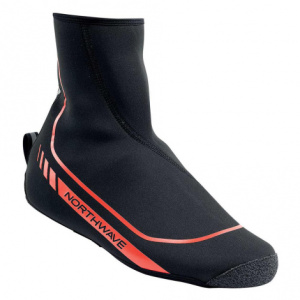
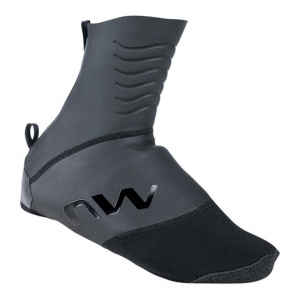
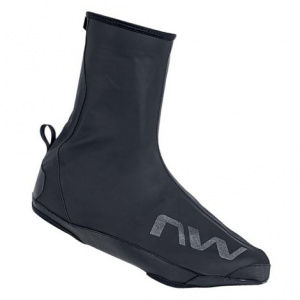
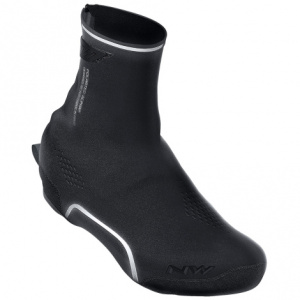
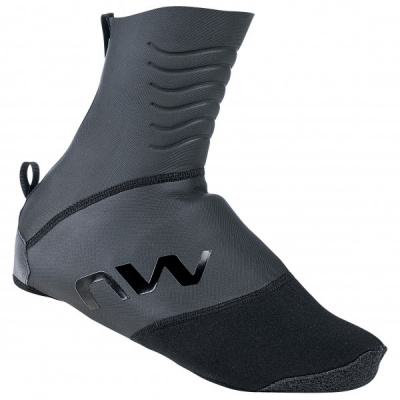
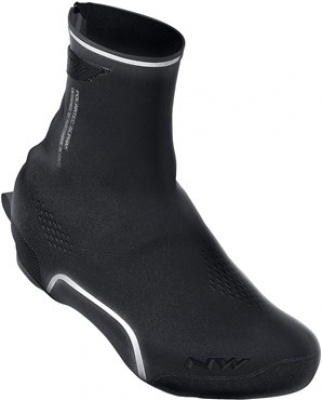
Northwave overshoes exist for one reason: to stop freezing toes from ending your ride early. Whether you're grinding out base miles through a sodden January or rolling a crisp October morning where the temperature hasn't decided what season it is yet, there's a Northwave cover built for exactly that situation. The range spans thick neoprene winter boots for full-on foul weather, PU-coated waterproof covers for relentless road spray, lightweight windproof options for cool-but-dry shoulder-season riding, and sleek aero booties when you're chasing time on a TT course. What ties them together is BioMap construction - Northwave's approach to pattern-cutting that wraps the overshoe around your foot without excess material bunching at the ankle or catching your crank arm. That matters more than it sounds when you're deep in a wet slog through the Peaks and the last thing you want is a flapping bootie snagging every pedal stroke. Italian design, proper weather fabrics, reinforced soles: these are purposeful bits of kit rather than an afterthought bolted onto a shoe purchase.
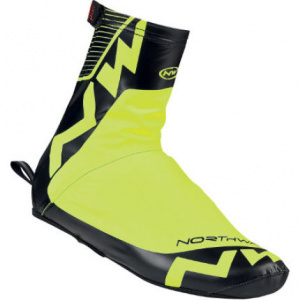
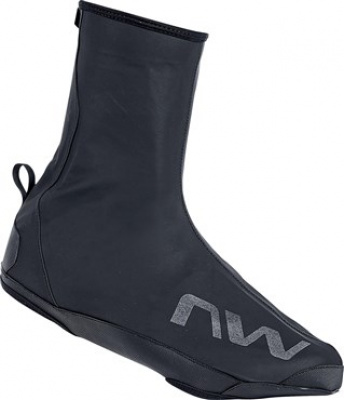
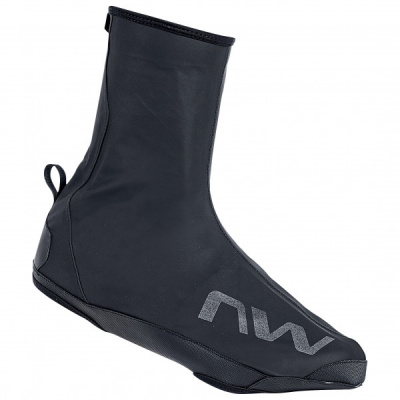
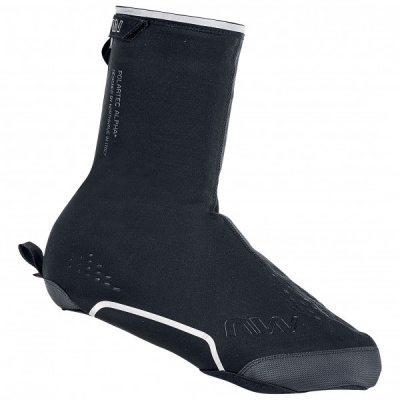
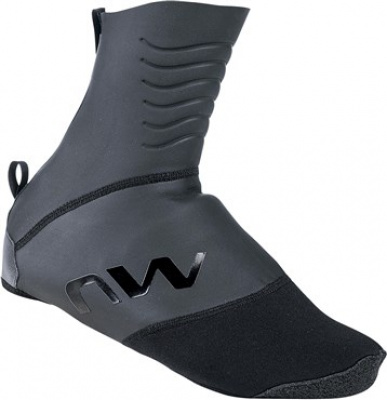
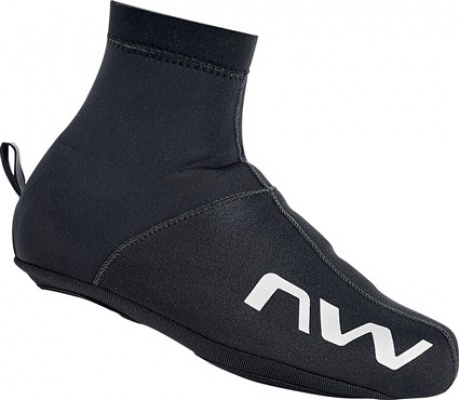
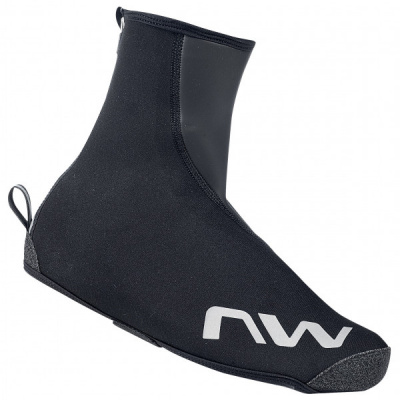
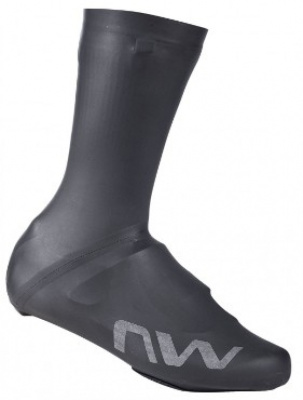
Prices and availability can change quickly. Delivery charges are not always included in listed prices.
Final price, stock status and delivery terms are set by retailer. We may receive a commission on purchases made.
Fabric Tech & Weather Performance
The material your overshoe is made from dictates everything - warmth, waterproofing, packability, and how long it survives before the sole wears through. Northwave leans heavily on closed-cell neoprene for their winter-focused covers. Neoprene is the same logic as a wetsuit: even when water works its way in, the material traps a thin layer of warmth against your foot. On a four-hour winter road ride with road spray hitting you from every angle, that distinction between neoprene and a thin windproof is significant.
For waterproofing, Northwave applies a PU (Polyurethane) coating to the outer fabric. PU coating creates a surface that sheds water rather than absorbing it, and when combined with taped seams - where the stitching is sealed from the inside - you block the main routes water uses to penetrate the cover. No overshoe is indefinitely waterproof in prolonged downpours, but taped seams combined with a PU outer gets you considerably further into a wet ride before moisture becomes a problem.
Sole durability is the part most people overlook when buying. Northwave reinforce the underside of their winter covers with Kevlar or rubberised panels. Walk across a car park, clip in and out a dozen times, or scrape your foot along tarmac at a junction - without reinforcement, the sole wears through fast. The reinforced panels extend the working life meaningfully, particularly if you're commuting or doing back-to-back winter days. Reflective details on several models add low-light visibility without being garish - useful on early morning or late afternoon rides when the light drops quickly. If you're weighing up Northwave against alternatives, Castelli overshoes and Endura overshoes sit in the same bracket for serious waterproofing, though each brand takes a slightly different approach to seam construction and sole protection.
Understanding the Northwave Fit and Range
Northwave's overshoe range splits roughly into three tiers by intended use. Aero booties - typically thin, water-resistant rather than waterproof, and cut close to the shoe - are designed for road racing and time trials where aerodynamics justify the reduced weather protection. Windproof covers sit in the middle: enough insulation for cool mornings without the bulk of a full neoprene boot, and they pack down small enough to stuff in a jersey pocket if conditions improve mid-ride. Full winter covers with thick neoprene and taped seams are the serious end of the range - heavier and less svelte, but genuinely capable when the weather turns ugly.
BioMap construction runs through the range as Northwave's fit philosophy. The idea is that each panel is shaped to follow the natural contours of a foot rather than cut flat and pulled into shape, which reduces creasing and improves power transfer - a crease pressing against the side of your shoe across four hours adds up to discomfort you don't need. In practice, it means Northwave covers tend to sit neatly over the shoe without excess material.
Sizing is straightforward for most road set-ups: Northwave overshoes generally run true to size when pulled over Northwave road shoes. Go up one size if you're fitting them over Northwave MTB and gravel shoes with chunkier soles and more aggressive lugs - the extra volume underneath means a standard size will be tighter than intended, and forcing it risks tearing the sole panel at the cleat cut-out. When in doubt, size up rather than wrestle with a cover that's half a centimetre too short. Tight is fine; a cover that won't pull over the heel at the trailhead is not.
Putting on a tight overshoe is less of a fight if you do it in the right order. Pull the overshoe over your foot and up your ankle before your shoe goes on. Once the shoe is fastened, pull the cover down over the heel and toe box, then secure whatever closure the model uses - rear zip, Velcro closure, or under-sole strap. Trying to squeeze a tight bootie over a laced or buckled shoe is how the zip pulls get damaged. GripGrab overshoes and Spatzwear overshoes follow a similar fitting logic, so if you've used either brand before, the process will feel familiar.
Layering and Care for UK Riding
The overshoe is only part of the system. Start with a good thermal sock - Northwave merino socks work well here because merino regulates temperature as conditions shift and retains warmth even if moisture gets in. Thin socks under a thick neoprene cover leave dead air space; a proper thermal sock fills that gap and keeps your foot warmer at pace.
The other thing worth doing - and it makes a real difference on a long wet ride - is pulling your bib tights over the top of the overshoe cuff rather than tucking them inside. Water running down your leg channels straight into the shoe when the tight sits inside the cuff. Pull the tight leg over the top and you break that channel. Simple, but it's the difference between dry feet at three hours and soaked feet at ninety minutes.
Care is where overshoes age badly if you're not paying attention. PU coatings and taped seams are degraded by heat and harsh detergents. Hand wash in cool water with a mild soap, or machine wash on a delicate cycle at no more than 30°C. Skip fabric softener entirely - it clogs the coating and reduces water-shedding performance. Never tumble dry. Let them air dry away from direct heat sources. A neoprene overshoe that's been through the tumble dryer once often loses its shape and the seam tape starts to peel. It takes minutes to hang them up properly and it extends their working life considerably.
In high-mud or high-grit conditions - Peak District lanes in November, for instance - rinse off the soles after each ride. Grit works into the reinforced sole panels and accelerates wear at the edges. A quick rinse takes thirty seconds and keeps the sole lasting through a full season rather than wearing through by February.
Northwave Overshoes FAQs
How do I choose the right size Northwave overshoes?
For standard road shoes, Northwave overshoes fit true to size. If you're pulling them over MTB or gravel shoes with chunkier soles and pronounced lugs, go up one size. The extra sole volume means a standard size will be uncomfortably tight and risks tearing the cleat cut-out when you force them on.
Are Northwave overshoes fully waterproof?
Models with PU coating and taped seams handle rain and road spray well and will keep your feet dry across most UK rides. In extended heavy downpours, water can eventually work in through the top cuff or the cleat opening on the sole - no overshoe eliminates that entirely, but overlapping your bib tights over the cuff helps.
How do you put on tight cycling overshoes?
Pull the overshoe over your bare or socked foot and up your ankle before putting your cycling shoe on. Once the shoe is fastened, work the cover down over the heel and toe, then secure the zip, Velcro, or under-sole strap. Trying to stretch a tight bootie over an already-fastened shoe is how zips and seams get damaged.