
Northwave Bib Tights
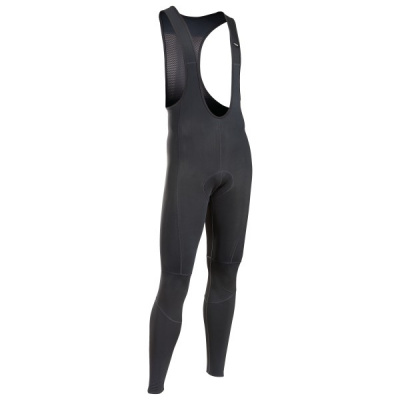
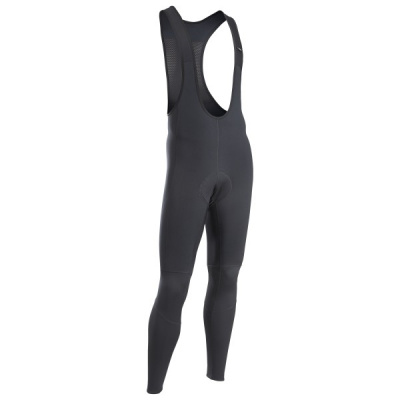
Northwave bib tights are one of the more serious answers to the question of how to keep riding through a British winter without suffering for it. The range draws on Italian construction know-how and pairs it with weather-resistant tech that's genuinely relevant here - think persistent drizzle, road spray off wet tarmac, and that particular bite you get descending an exposed moorland road in January.
Across the lineup you'll find brushed fleece linings that trap warmth without feeling slab-like against the skin, windproof membranes for days when the headwind is the real enemy, and chamois pads shaped around the demands of long base miles rather than a quick spin. Reflective calf detailing picks up car headlights during the low-light months, which matters more than it sounds when you're rolling home after a four-hour winter ride.
Whether you're grinding out fitness on the Norfolk flatlands or ticking off climbs in the Brecon Beacons, the core idea is the same: stay warm enough to pedal well, dry enough to stay comfortable, and protected enough that the weather doesn't cut your ride short. That's what this range is built around.
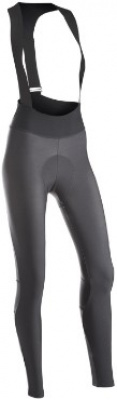
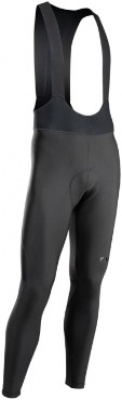
Prices and availability can change quickly. Delivery charges are not always included in listed prices.
Final price, stock status and delivery terms are set by retailer. We may receive a commission on purchases made.
Fabric Tech and Weather Performance
The fabric doing most of the work in Northwave's thermal tights is Carvico Vuelta® - a napped, brushed-fleece construction that generates meaningful warmth without the stiff, padded feeling you sometimes get from budget thermal tights. It moves with you, which matters when you're putting in three or four hours of base miles and your legs are turning over continuously rather than just standing around in the cold.
For their deeper winter models, Northwave layers in an H2O Flex membrane across the front panels. This is the bit that deals with a biting headwind on a long descent - the kind that cuts straight through unprotected fabric and turns your quads to ice. The membrane is bonded in a way that keeps stretch in the equation, so you're not fighting the tights through the pedal stroke. It's a meaningful distinction from tights that use a rigid windblock and leave you feeling like you're pedalling in drainpipes.
The Acquazero DWR treatment applied to the outer face handles the other classic UK problem: persistent light rain and road spray that isn't heavy enough to justify a full waterproof layer but is relentless enough to soak through untreated fabric. DWR causes water to bead and roll off rather than saturating the outer. It won't keep you dry in a sustained downpour, but for the drizzle-and-spray conditions that make up the bulk of British winter riding, it does the job well. Worth knowing: DWR performance degrades over time, particularly if you use fabric softener - more on that in the care section below.
Breathability is present throughout, which is easy to overlook when you're shopping for warmth. Climb anything steep in heavy, unventilated tights and you'll generate enough heat and moisture to feel clammy well before the top. The Carvico construction manages that moisture reasonably well, keeping you warmer and drier on the kind of mixed-effort rides - flat stretches, punchy climbs, long descents - that define most UK winter routes.
Fit, Construction, and the Pad Range
Northwave uses a BioMap anatomical construction across the range, which is essentially their approach to pattern-cutting the tights around how a rider actually sits on a bike. The practical result is that the fabric doesn't bunch behind the knee - a minor irritation on a short ride that becomes genuinely fatiguing over several hours. Panel seams are mapped to sit away from high-pressure points, and the bib straps are cut to stay flat across the chest without twisting under a jersey.
The fit runs close, as you'd expect from an Italian-designed road garment. It's not restrictive, but it's not generous either. If you're between sizes or planning to layer a thermal base layer underneath on deep winter days, sizing up is the sensible call. The European sizing tends to be accurate in terms of leg length, which is a genuine plus if you've ever ended up with tights that stop two inches short of your ankle.
On pads: the K130 chamois is the one to look at if your rides regularly push past four hours. It uses high-density foam with a contoured profile shaped for road geometry - that forward-rotated, relatively static position you're holding for the duration. The density gives it longevity under sustained pressure, and the moisture management keeps things reasonable even when you're working hard. For riders mixing road with gravel or riding more varied positions, the Explorer pad brings more vibration dampening into the equation, which pays dividends on rougher surfaces where road buzz accumulates over time.
Looking for warmer-weather riding gear? Our Northwave Bib Shorts page covers the warm-weather range in full. Prefer riding without bib straps? Head over to our Northwave Jackets collection to complete your winter kit.
If you're comparing options across brands, Castelli bib tights offer similarly close Italian fits with their own membrane tech, while Endura bib tights tend to run a touch roomier and are worth a look if the Northwave sizing feels too snug. Gore bib tights sit at the more waterproof end of the spectrum if your rides regularly involve sustained rain rather than just spray.
Layering These Into a Winter Kit
The tights do a solid job on their own in the 5 - 12°C range, but pairing them with the right kit above and below the knee makes a real difference once temperatures drop further. A merino or synthetic thermal base layer underneath handles moisture from your skin outward, letting the tights' fleece layer do what it's designed for. Above the waist, Northwave's winter jackets are a logical match - the fit proportions align, and you avoid the gaps and bunching that come from mixing brands with different cut philosophies.
At the extremes, your feet and hands are typically where the cold wins first. Pairing the tights with Northwave overshoes closes the gap at the ankle and keeps wind off the top of your foot, while Northwave gloves handle the other end. It sounds obvious, but getting the full system right means you're not over-insulating your core to compensate for cold extremities - you ride more comfortably and sweat less.
On washing: keep it at 30 degrees, use a technical detergent designed for performance fabrics, and avoid fabric softener entirely. Softener clogs the DWR treatment and degrades the elastane over time - two things that will shorten the useful life of the tights noticeably. After washing, a low-heat tumble dry or hanging them near (not on) a radiator helps reactivate the DWR. If the coating starts beading less effectively after a season, a DWR re-treatment spray applied after washing can bring it back up.
Northwave Bib Tights FAQs
Are Northwave bib tights true to size?
They run close to a European anatomical fit, so they're accurate rather than generous. If you're between sizes or planning to layer a thermal base underneath, go up one. Leg length tends to be well-judged, which isn't always the case with European sizing.
What temperature are Northwave winter bib tights good for?
Standard thermal models with Carvico Vuelta fleece work well from around 5°C to 15°C. The deeper winter versions with H2O Flex windproof membranes are built to handle sub-zero conditions down to around -5°C, particularly on exposed descents where wind chill is the real issue.
Which Northwave chamois pad is best for long rides?
The K130 pad is the one for road-focused endurance riding - high-density foam, strong moisture management, and a profile shaped for the sustained forward position of a long road ride. If your rides mix surfaces or involve more varied geometry, the Explorer pad's extra vibration dampening becomes worthwhile.