
Northwave Socks
Northwave cycling socks sit at an interesting crossroads: Italian construction precision married to the kind of weather-proofing that actually matters when you're grinding out a three-hour November loop in the Peaks. Your feet are the one contact point that never gets a rest, and the wrong sock turns a decent ride into a friction-fest before you've hit the first climb.
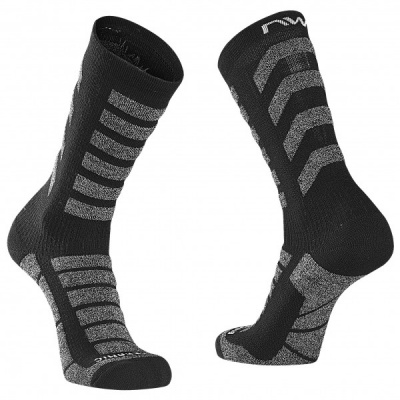
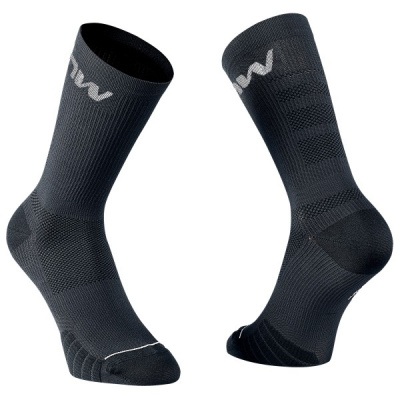
Northwave's range covers the full seasonal spread. For hot, humid days - think a sweaty August road race or a muggy Welsh trail centre session - their open-mesh summer options use Meryl Skinlife yarn, an antibacterial fibre that actively manages sweat and keeps odour in check ride after ride. Flip to the winter end of the catalogue and you'll find PrimaLoft and Merino wool blends that hold heat even when road spray has worked its way past your overshoes. Running through much of the range is Biomap construction - left and right specific shaping that maps the sock to your foot's actual anatomy, cutting out the bunching and pressure points that plague generic designs inside a stiff carbon shoe. Road or MTB, summer criterium or bleak midwinter base miles, there's a Northwave sock built to the job.
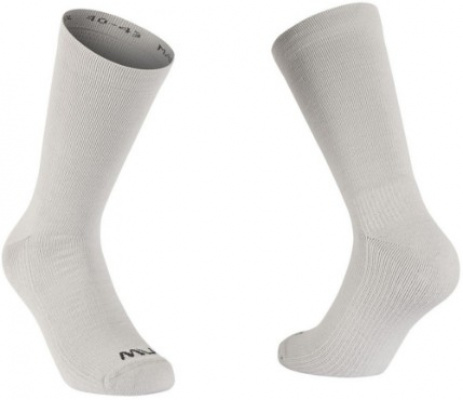
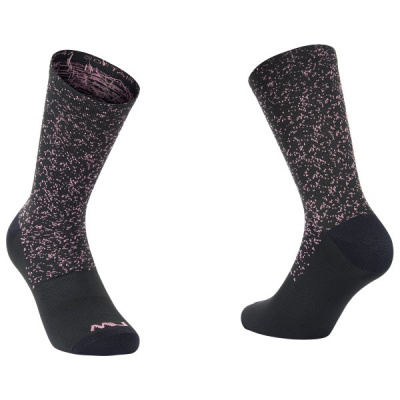
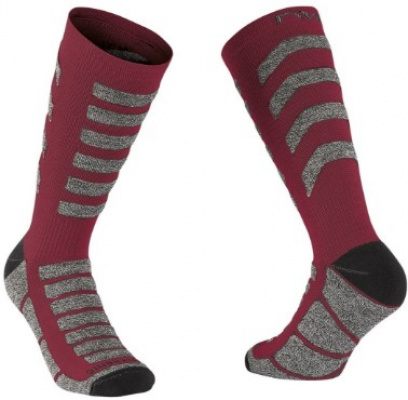
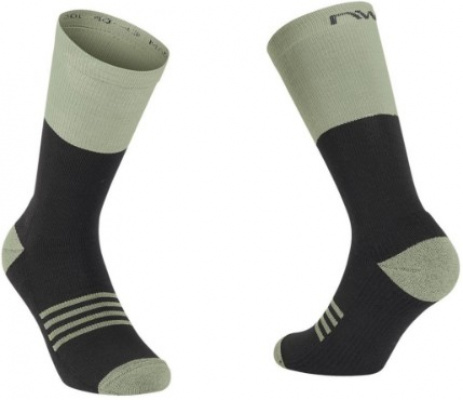
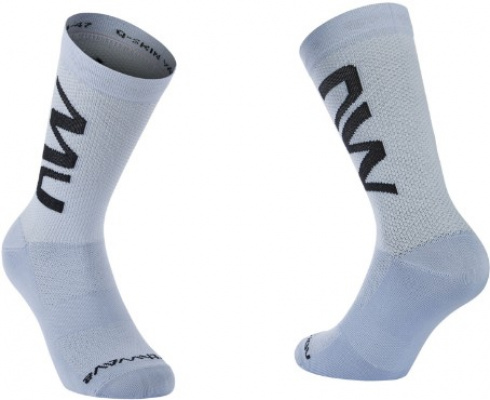
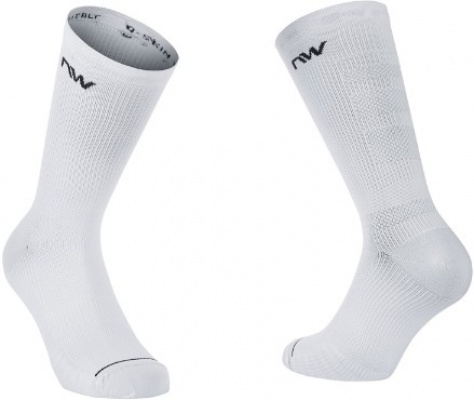
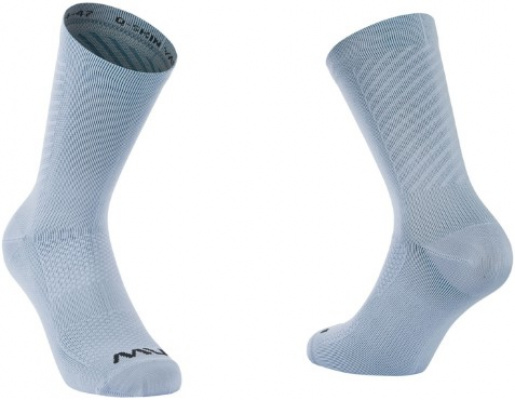
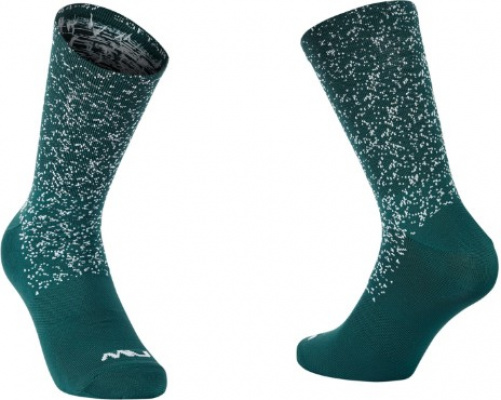
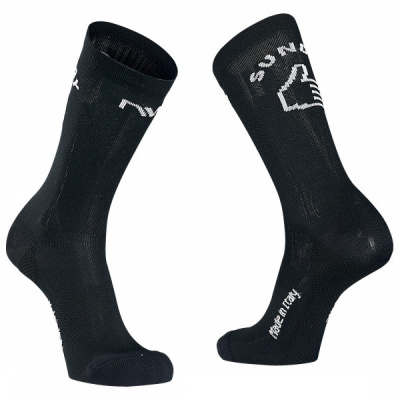
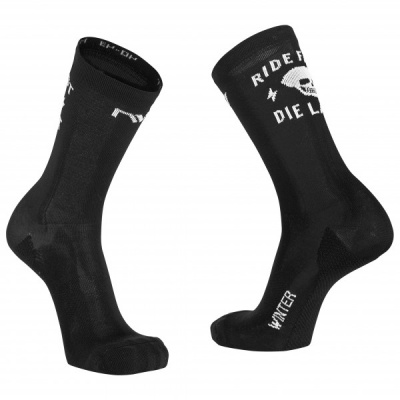
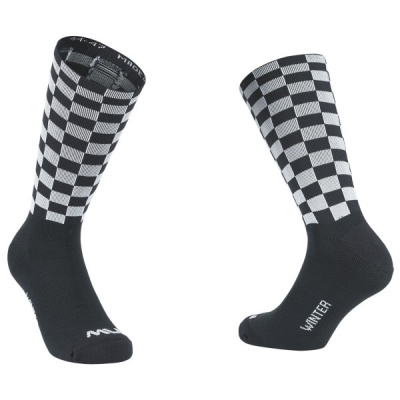
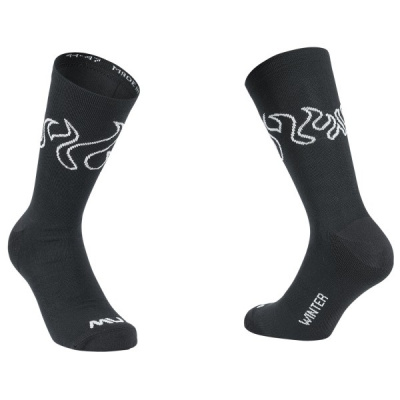
Prices and availability can change quickly. Delivery charges are not always included in listed prices.
Final price, stock status and delivery terms are set by retailer. We may receive a commission on purchases made.
Fabric Tech and Weather Performance, From August to January
Start with the summer range and the key material is Meryl Skinlife yarn. It's a treated nylon fibre with built-in antibacterial properties, which means it actively disrupts the bacteria that cause odour rather than just masking it. On a long, humid road ride - the kind where your carbon-soled shoes trap heat and your feet are sweating before the first café stop - that matters more than any marketing headline. The open-mesh knitting used across the footbed and upper pulls moisture away from the skin and disperses it quickly, reducing the friction that leads to hot spots and blisters. If you're comparing to something like Castelli's summer options, both brands chase similar ventilation goals, but Northwave leans hard on the Meryl yarn's antibacterial angle as a meaningful differentiator for multi-day riding.
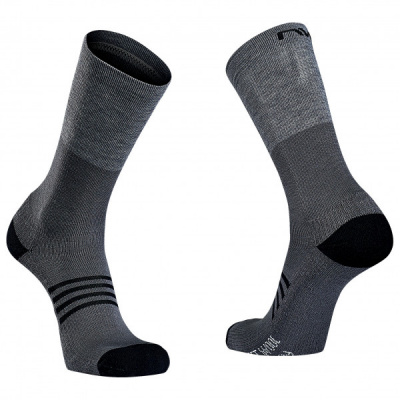
The winter story is a different conversation entirely. UK winters are rarely clean - you get damp rather than dry cold, and a sock that insulates well when bone-dry but collapses the moment road spray hits it is useless by November. Northwave's cold-weather socks use Merino wool blends, sometimes in combination with PrimaLoft synthetic insulation. Merino retains warmth when wet, which is exactly the property you need when puddle spray is inevitable. PrimaLoft adds a compressible loft that doesn't feel like a slab of foam - the sock still fits inside your shoe without distorting the fit. For shoulder-season riding, where you genuinely don't know whether you'll need one layer or three by the time you're back at the car, a mid-weight Merino blend sock sits in a sensible middle ground - warm enough for a cold morning, breathable enough that you're not cooking by midday.
How the Fit System Works Across the Range
The Biomap construction is the detail worth understanding before you buy. Most socks are symmetrical tubes - you can put them on either foot without any difference. Biomap shapes each sock to a specific foot, with the heel cup, arch channel, and toe box all mapped to the left or right anatomy. Inside a tight road shoe, that precision means the fabric sits flat against your skin rather than gathering at the heel or bunching across the bridge. Bunching is what causes hot spots on long rides; eliminate it and you've solved most of the comfort complaints that come with high-performance shoes. It's the same principle that makes anatomic gloves better than generic ones - the geometry just fits better.
Cuff height is the other variable that shapes the range. Low-cut ankle socks suit MTB riders who want minimal bulk inside trail shoes, and Northwave's MTB options pair that lower profile with reinforced heel and toe zones that handle the abrasion from clipless mechanisms and rocky landings. For road use, the modern preference has shifted toward taller cuffs - partly for the aero advantage, partly because the look has moved on from the ankle-length '90s style. Northwave's taller road socks feature a ribbed upper section that smooths airflow over the lower leg, which is genuinely relevant if you're doing time trials or racing where every marginal matters. If you pair these with Northwave road shoes, the fit integration is notably clean - same brand, same last philosophy. MTB riders pairing with Northwave MTB and gravel shoes will find similar logic applies. Brands like DeFeet and Endura offer strong alternatives across cuff heights if you're weighing options, but neither leans as fully into the anatomic shaping angle.
The compressive fit across the range deserves a mention, too. It's not compression in the medical-grade sense, but the snug wrap holds the sock in place during the pedal stroke and supports the arch across long efforts. You notice it most on the descent side of a four-hour ride when cheaper socks have started to sag and shift.
Layering Northwave Socks Into a UK Kit Setup
For deep winter riding, the sock is only one part of the system. Pair a Northwave Merino or PrimaLoft-blend sock with Northwave overshoes and you've got a genuinely solid barrier against the cold and wet. The overshoe handles wind and standing water; the sock manages the residual damp that gets through. Without a quality sock underneath, even a good overshoe can't prevent cold feet once you're an hour from home in January rain.
On wash care: Merino blends need a bit of attention if you want them to last. Wash at 30°C, use a wool-safe detergent, and skip the fabric softener entirely. Softener coats the Merino fibres and gradually kills their natural moisture-wicking and antibacterial properties - you won't notice it immediately, but after a few washes the sock starts to feel different and smell worse sooner. Turn them inside out before washing to protect the outer surface, and dry flat rather than tumble drying. It's a small discipline that extends the life of a quality sock significantly. The open-mesh summer socks are more forgiving - a standard 30°C wash is fine - but the same no-softener rule applies to protect the Meryl Skinlife yarn's antibacterial treatment.
If you're building out a full kit around these socks, Northwave bib shorts are worth a look - the brand's fit philosophy carries through the whole clothing range. Alternatively, Assos and GripGrab both produce strong seasonal sock ranges if you want to compare before committing.
Northwave Socks FAQs
Are Northwave cycling socks true to size?
Yes, Northwave socks run true to their stated European sizing and align with standard shoe sizes. The Biomap anatomic construction means they already deliver a close, compressive fit without needing to size down - buying your normal size is the right call.
Which Northwave socks are best for winter riding?
Look for models featuring Merino wool or PrimaLoft blends - the Extreme Winter and Husky models are the ones to focus on. Both materials retain heat when damp, which is exactly what you need on wet UK roads where road spray is unavoidable. Pair with overshoes for the coldest days.
Do Northwave make aero socks for road cycling?
Yes. Their taller-cuff road socks feature a ribbed upper section designed to smooth airflow over the lower leg - relevant for time trials and road racing where drag at ankle level is a real factor. The footbed stays breathable, so aero performance doesn't come at the cost of a sweaty ride.