
Natural Fit Saddles
Natural Fit Saddles bridge the gap between human anatomy and cycling hardware, bringing medical ergonomics into the real world of road miles and gravel tracks. Developed by CUBE as their premium component arm, these saddles don't just pad your sit bones - they flex, channel pressure, and move with your pedal stroke. The headline tech is FlexMotionSplit: split-shell zones that reduce road vibration and prevent the numbness that creeps in after an hour in the saddle. You'll find two main series. The Natural Fit Nuance saddle targets road and performance riders with a flatter profile and firmer foam. The Natural Fit Sequence saddle leans toward touring and comfort, with a slightly more upright shape and extra give. Both come in Regular and Large widths, matched to your sit bone measurement - get that right and you'll notice the difference on the first ride. Natural Fit saddles are engineered in Germany with input from medical professionals, so the pressure relief channel and Hammock Cuts aren't marketing gimmicks; they're shaped to keep blood flowing and nerves happy over long distances.
Prices and availability can change quickly. Delivery charges are not always included in listed prices.
Final price, stock status and delivery terms are set by retailer. We may receive a commission on purchases made.
Inside FlexMotionSplit and Deep Shell Construction
FlexMotionSplit is the core of every Natural Fit saddle. The shell is divided into independent zones that move with your legs as you pedal, rather than forcing your pelvis to rock against a rigid platform. It's subtle, but the effect is real: less vibration transfer from rough tarmac or gravel, and less friction where your thighs meet the saddle nose. The Deep Shell technology adds a pressure relief channel that runs the length of the saddle, carving out space for soft tissue and reducing nerve compression. Hammock Cuts - strategic cutouts in the shell under your sit bones - let the padding compress more naturally, so your ischial tuberosities sit into the saddle rather than perching on top of it.
Rail options split between CrMo and carbon. CrMo rails are standard across the Comfort and Regular models: tough, affordable, and plenty stiff for riders up to 100 kg. Carbon rails appear on the Lite variants, shaving around 30 - 40 g and adding a touch of vertical compliance, though the difference in ride feel is marginal compared to the shell flex itself. Foam density varies by model. The Nuance uses a firmer dual-density foam to support an aggressive position and higher power output. The Sequence opts for memory foam padding with more give, ideal for upright touring positions where you're sitting deeper into the saddle for hours at a time. The shock absorber rail pockets - small elastomer inserts where the rails meet the shell - dampen high-frequency buzz without adding noticeable weight.
Which Discipline, Which Model
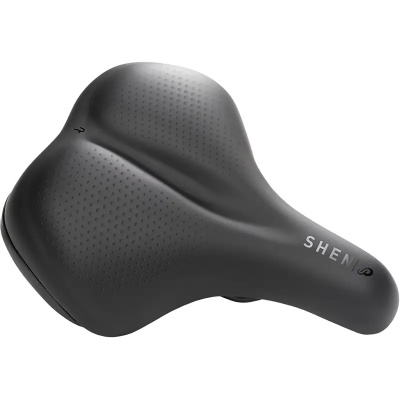
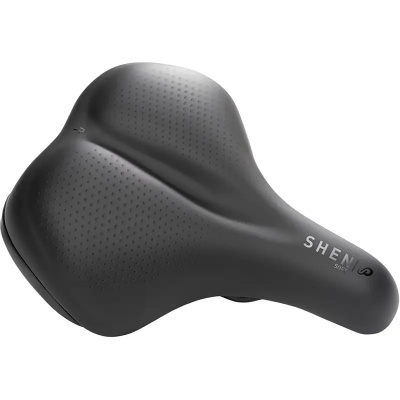
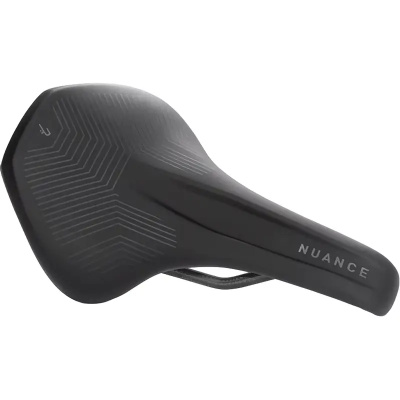
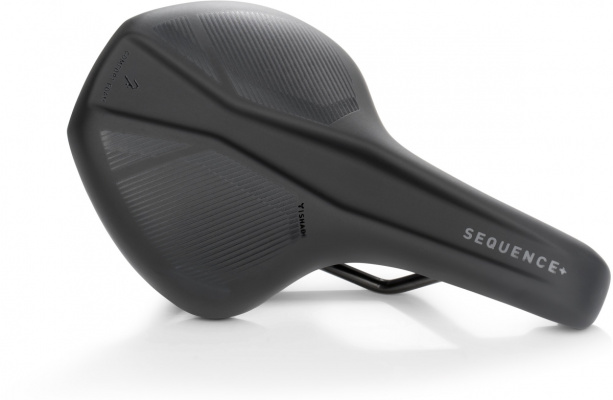
The Nuance series suits road, gravel, and XC riders who spend time in the drops or a forward position. Flatter profile, firmer foam, narrower nose. If you're hammering out chain gangs in the Chilterns or racing gravel in the Peak District, this is your starting point. The Sequence is built for touring, bikepacking, and leisure rides where comfort trumps aero. Wider rear, softer padding, slightly more padding depth. Think audax through the Scottish Borders or loaded weekend trips along the South Downs Way.
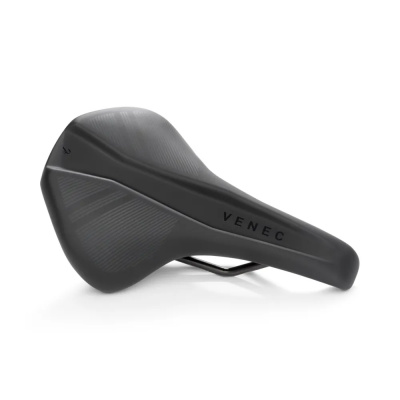
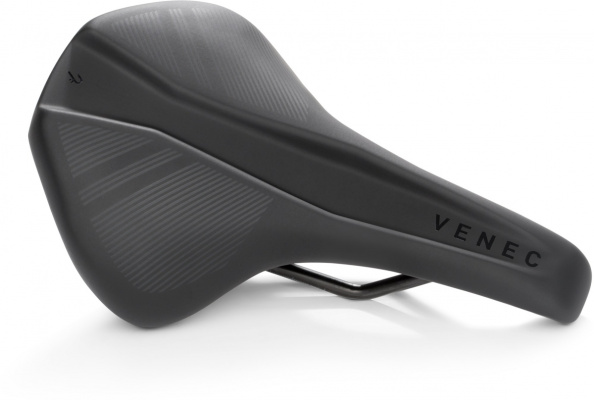
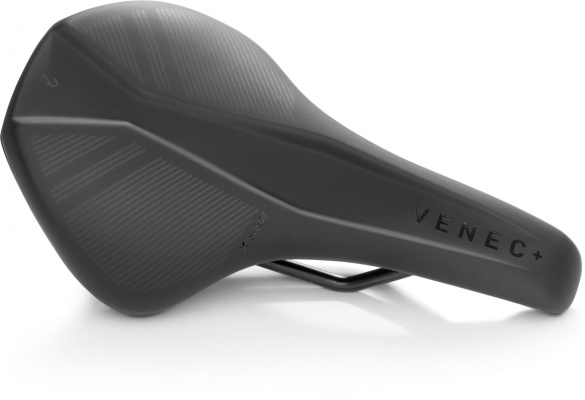
Natural Fit saddles use standard round 7 mm rails, so they'll fit any seatpost clamp designed for conventional saddles - no proprietary hardware required. The carbon-railed Lite models use the same diameter, just a different material. If you're running a Cube bike saddle setup, Natural Fit saddles are a direct swap with no compatibility worries. They also play nicely with most aftermarket posts, from alloy to carbon layback designs. The Natural Fit Venec - a newer model aimed squarely at gravel and adventure - adds a slightly wider 145 mm profile and reinforced nose for bikepacking bag mounts, though it's less common in UK stock at the moment.
For MTB riders, the Nuance MTB variant shortens the nose and toughens the cover material to handle trail abuse. It's not as plush as a dedicated enduro saddle, but it works well for XC and marathon racing where you're moving on and off the saddle frequently. If you're after something with more give for all-mountain riding, Ergon saddles might be worth a look alongside Natural Fit.
Weatherproofing and Looking After Your Saddle
The PU covering on Natural Fit saddles shrugs off rain and mud without much fuss. It's not as bombproof as the synthetic covers on Fabric saddles, but it'll handle a wet winter commute or a muddy gravel loop without soaking through. The pressure relief channel can collect grit and road spray, so a quick wipe-down after wet rides keeps the foam from getting waterlogged. If you're storing your bike outside or in a damp shed, a saddle cover is a good shout - the foam can absorb moisture over time, which adds weight and reduces rebound.
CrMo rails need a thin layer of grease where they clamp into the seatpost to prevent corrosion, especially if you ride through winter salt. Carbon rails don't rust, but they're more sensitive to over-torquing - stick to the manufacturer's torque spec (usually 5 - 6 Nm) and use a torque wrench. The shell itself is tough, but avoid leaning the bike against sharp edges or dropping it nose-first; the FlexMotionSplit zones can crack if you hit them hard enough. If the cover starts to lift at the edges after a few seasons, a dab of contact adhesive will keep it in place - don't let it peel back or it'll catch on your shorts.
Medical Ergonomics Meets German Engineering
Natural Fit emerged from CUBE's in-house component development, designed to complement their bike range with saddles that matched the same fit philosophy. The brand worked with sports medicine specialists to map pressure points and nerve pathways, then translated that data into saddle shapes that actively reduce numbness and improve blood flow. It's not just about padding thickness - it's about where the padding sits, how the shell flexes, and how the cutouts align with your anatomy. Who manufactures Natural Fit saddles? CUBE does, under their premium component label, engineered in Germany and produced to the same standards as their frame hardware.
The result is a range that prioritises function over fashion. Natural Fit saddles don't chase the lightest weight or the most aggressive aero profile. They're built for riders who've tried the usual suspects - Fizik, Bontrager, Brooks - and still end up with numb spots or saddle sores after long rides. The medical ergonomics approach means the shapes are less about personal preference and more about matching your sit bone width and riding position to a proven template. How to measure sit bone width for Natural Fit saddles? Sit on a piece of corrugated cardboard or memory foam for a minute, then measure the distance between the two deepest impressions - that's your sit bone width. Natural Fit typically offers Regular (around 135 mm) and Large (145 mm and up) to match.
What is the difference between Natural Fit Nuance and Sequence? The Nuance is flatter, firmer, and narrower - optimised for forward, aggressive positions on road and gravel bikes. The Sequence is wider, softer, and slightly curved - designed for upright touring and leisure riding where you sit deeper into the saddle. Both use the same FlexMotionSplit and Deep Shell tech, so the core comfort features are identical; the difference is in profile and foam density.