
Cube Saddles
Cube saddles are built around a simple premise: your contact points should work with your body, not against it. Cube's proprietary Natural Fit ergonomics - developed alongside medical experts - uses specific foam densities, Ergo-Relief channels, and Deep Shell technology to take pressure off soft tissue and route it through your sit bones where it belongs. The difference on a two-hour ride is noticeable. Not marketing-noticeable. Actually noticeable.
The range covers everything from aggressive road positioning to upright urban commuting, with dedicated MTB shapes sitting in between. Rail options run from alloy through CrMo to carbon, so there's a weight and budget entry point for most riders. PU covers handle the UK's persistent damp without soaking through, and the side panels are robust enough to survive the inevitable lean against a brick wall or rack at the station. Whether you're after a Cube mountain bike saddle for the trails or a tougher perch for the daily grind, the range has genuine depth. Use the comparison grid below to filter by discipline, sit bone width, and rail material - and make sure you check seatpost compatibility before you buy.
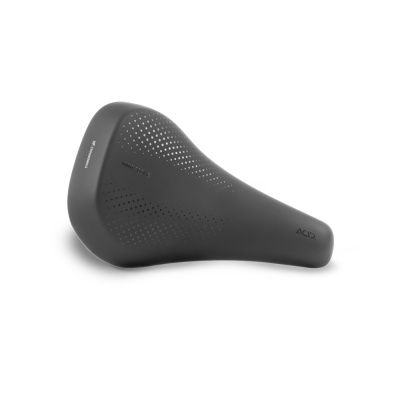
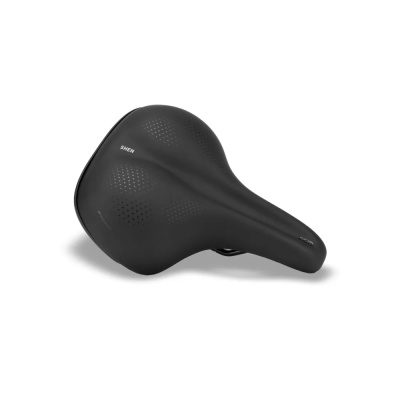
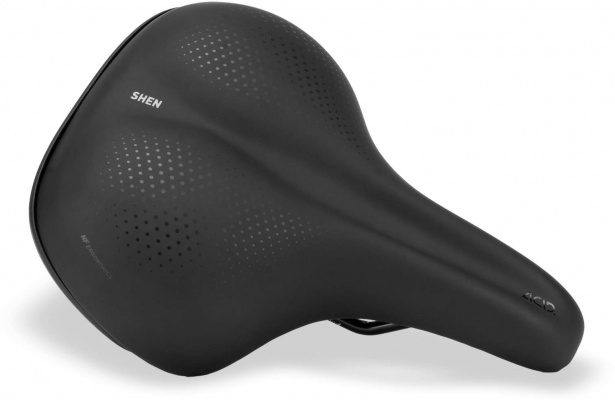
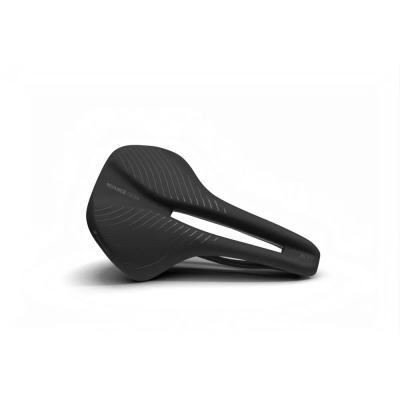
Prices and availability can change quickly. Delivery charges are not always included in listed prices.
Final price, stock status and delivery terms are set by retailer. We may receive a commission on purchases made.
Rail Standards and What Fits Your Seatpost
Before you get drawn into foam densities and channel shapes, check your seatpost clamp. Most Cube saddles run standard 7×7mm round rails - CrMo or alloy depending on the tier - and these slot straight into virtually any seatpost on the market, including most inline and layback designs. No adapter needed, no faff. If your current saddle already uses round rails, you're almost certainly fine.
Step up to a carbon-railed model, though, and things change. Carbon rails on Cube's higher-spec saddles are typically 7×9mm oval in cross-section. That shape demands a clamp designed to match it - round-jaw clamps will either damage the rail or fail to hold the saddle securely. Check your seatpost manufacturer's spec sheet before ordering. It's a five-minute job that saves a frustrating return.
Seatpost clamp compatibility applies equally whether you're running a standard round post, a dropper, or an aero profile. If you're unsure, the safe move is to stick with a CrMo-railed variant and save carbon for when you've confirmed the pairing. For saddle covers and replacement rail hardware, head to the dedicated saddle covers and saddle spares pages - those specifics are covered in full there rather than here.
Venec, Nuance, and Sequence: Picking the Right Line
Cube organises its saddle range into three clear lines, and knowing which one suits your riding style saves a lot of second-guessing.
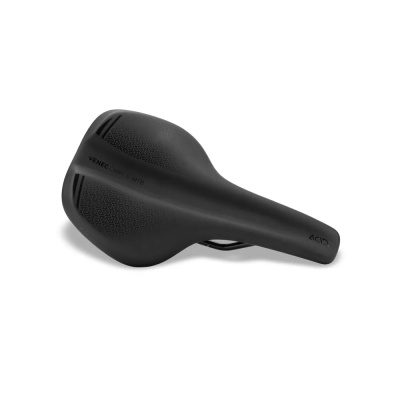
The Venec is the trail and MTB-focused shape. It's wider at the rear for support when you're seated and climbing, but the Flex Motion Cut - a feature that removes material at the thigh contact zone - stops the nose pinching into your leg when you're driving hard out of corners or dropping your weight behind the saddle on steep descents. Deep Shell technology adds hidden flex points within the shell itself, so the saddle absorbs trail chatter rather than transmitting every root and rock straight up through your sit bones. If you spend time on Peak District grit lanes or Welsh trail centre blue runs, this is the line worth looking at. For a frame of reference on how it sits against dedicated MTB-focused designs, Ergon saddles offer a useful comparison point - particularly for longer enduro efforts.
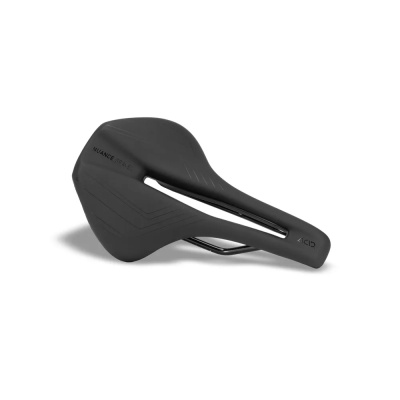
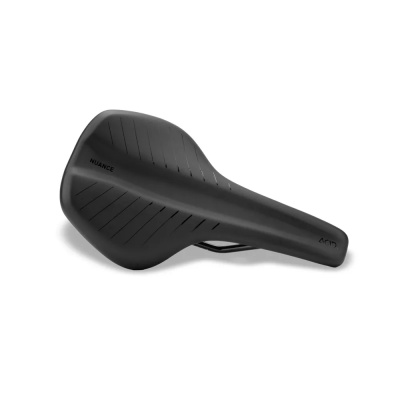
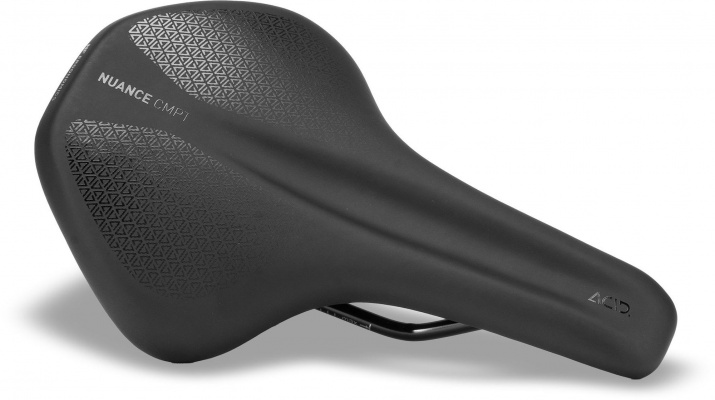
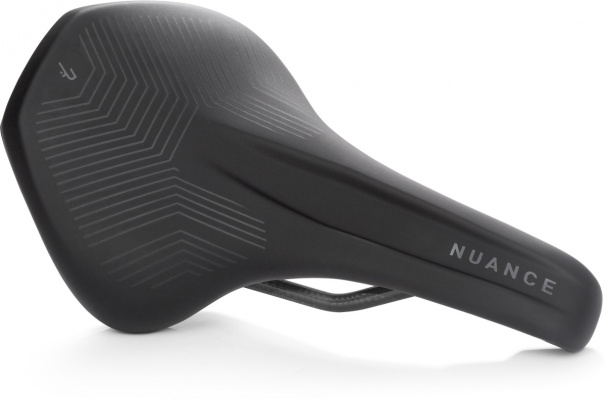
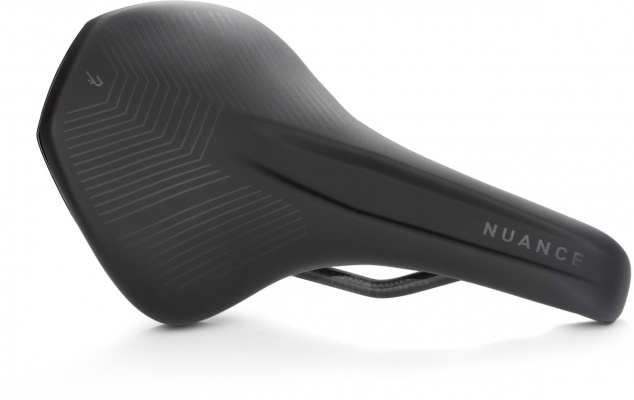
The Nuance targets road and gravel riders running a more aggressive, forward-rotated position. It's narrower, lower-profile, and the carbon-railed variants shed meaningful weight for riders counting grams. The Ergo-Relief channel runs the full length of the centre, which matters when you're locked into a stretched position for hours rather than shifting around on the bike. Think Dales sportive or a long gravel loop - the kind of ride where a flat saddle with no central relief starts to cause problems well before the halfway point. Fizik saddles sit in a similar space if you want to compare profiles and flex characteristics.
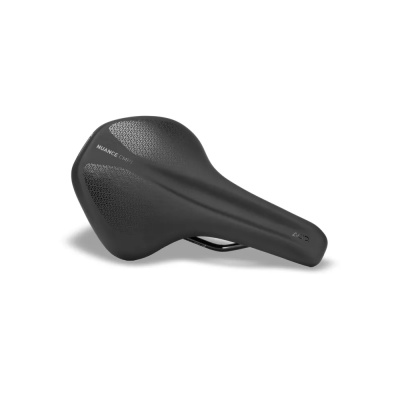
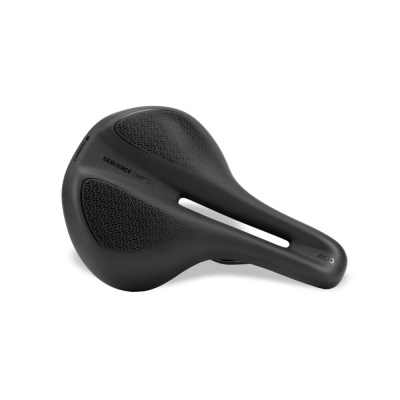
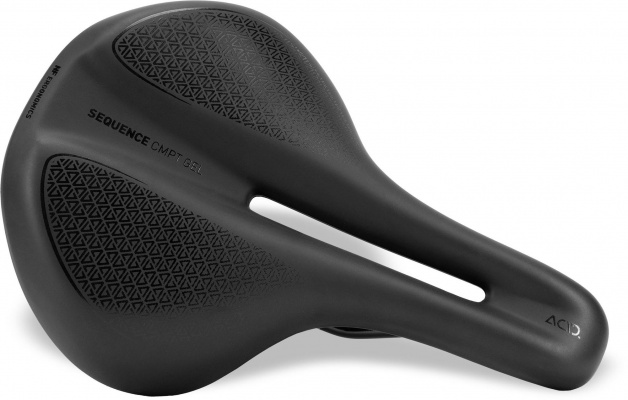
The Sequence is built for hybrid and urban riders - wider rear platform, more padding, and a geometry that suits a relaxed, upright position. It's the practical choice for commuting, and the PU cover handles wet saddle bags and rack straps without deteriorating. Pairing it with a Cube saddle bag keeps the aesthetics consistent too, which matters more than some people admit.
On rail materials: CrMo rails add a small amount of weight but offer a degree of natural compliance that alloy rails don't, and they're significantly more forgiving if you over-torque the clamp slightly. Carbon rails are lighter and stiff enough to improve power transfer to the pedals on a road bike, but they need careful installation - check the manufacturer's torque spec and use carbon assembly paste if specified. Fabric saddles handle a similar CrMo-versus-carbon split if you're weighing up alternatives.
Keeping Things Quiet: UK Conditions and Maintenance
That creak. You know the one - rhythmic, maddening, and somehow always loudest when you're trying to enjoy a quiet morning ride. Nine times out of ten on a UK bike, it's grit working its way between the saddle rails and the seatpost clamp jaws. Road paste and trail mud are abrasive enough to score the rail surface and introduce just enough movement to create noise under load.
The fix is straightforward. Remove the saddle, clean the rail contact points with a dry cloth, and apply a small amount of dry lube to CrMo or alloy rails before re-clamping. For carbon rails, skip the lube and use carbon assembly paste instead - it prevents slip without adding the fluid contamination that can degrade carbon over time. Recheck torque to spec once it's back together. This takes ten minutes and is worth doing at the start of every winter.
Cleaning the PU cover is equally simple. Warm water and a soft cloth is all you need. Avoid solvent-based cleaners - they break down the foam bonding beneath the cover and shorten the saddle's life noticeably. If there's memory foam in the padding stack, heat is also the enemy, so keep the bike out of direct car boot storage in summer if you can. For winter commuting specifically, scuff damage to the side panels is mostly cosmetic, but it's worth wiping off grit regularly rather than letting it abrade the stitching over months. Check the Cube bib shorts range while you're at it - chamois quality has a significant effect on how any saddle actually feels in use.
Cube Saddles FAQs
How do I choose the right size Cube saddle?
Sit on a piece of corrugated cardboard on a hard chair, stand up, and measure the distance between the two indentations - that's your sit bone width. Cube saddles come in Regular and Large to match different measurements, so your skeletal structure takes the load rather than soft tissue. Getting this right matters more than any other spec on the saddle.
Are Cube saddles compatible with all seatposts?
Most Cube saddles use standard 7×7mm round rails - CrMo or alloy - which fit virtually any seatpost clamp without adapters. Higher-spec models with carbon rails use 7×9mm oval rails, so you'll need to confirm your seatpost clamp is designed to accept that shape before buying, otherwise you risk damaging the rail or losing clamp security.
What is Cube Natural Fit technology?
Natural Fit is Cube's ergonomic design system developed with medical input. It combines targeted foam densities, an Ergo-Relief pressure channel, and Deep Shell flex points to reduce nerve compression under the perineal area and distribute load through your sit bones. The practical result is less numbness on longer rides and better pedalling efficiency over time.