
Most Frame Bags
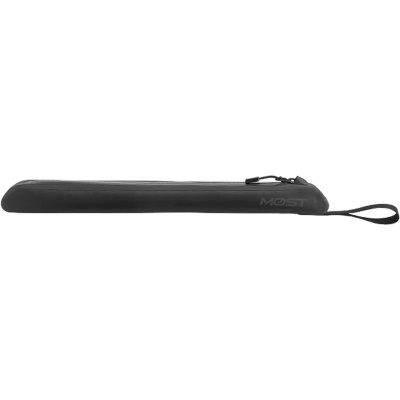
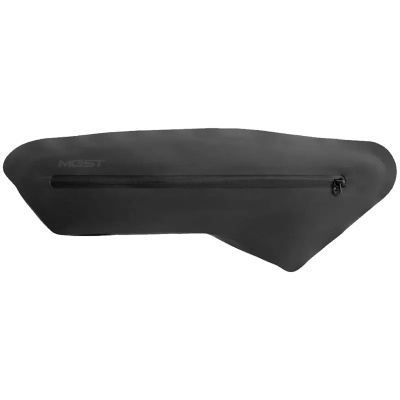
Most frame bags are engineered to sit flush against aero tube profiles where a generic bag would gap, flap, and generally make a nuisance of itself. Born from the same design house as Pinarello, Most brings that obsessive attention to shape into its bikepacking storage - so you're not just strapping a sack to an expensive frame and hoping for the best.
The range covers direct-mount top tube bags for quick-grab nutrition on long road days, through to larger triangle bags that swallow a spare layer, mini pump, and a handful of tubes without argument. Sealed, water-resistant zippers handle the persistent UK drizzle and road spray you'd expect from November in the Peaks or a February sportive through the Surrey lanes. Nylon ripstop construction keeps weight down while shrugging off the kind of casual abuse bikepacking storage tends to attract.
Most bikepacking bags are shaped first for Pinarello Dogma and Grevil riders who want storage that doesn't look like an afterthought, but the strap-on models are flexible enough for most road and gravel frames. If you want carrying capacity that doesn't cost you aerodynamics or aesthetics, this is where to start looking.
Prices and availability can change quickly. Delivery charges are not always included in listed prices.
Final price, stock status and delivery terms are set by retailer. We may receive a commission on purchases made.
Direct Mount vs. Strap-On: Which Fits Your Frame?
The key split in the Most range is between direct-mount and strap-on designs, and it matters more than it might first appear. The direct-mount top tube bag bolts straight onto standard top tube bento bosses - the threaded inserts you'll find on most modern gravel bikes, including the Pinarello Grevil. No straps, no sway, no creaking on a fast descent. The bag sits locked in position, which is exactly what you want when you're reaching for a gel at 30mph without taking your eyes off the road.
Strap-on models use adjustable velcro straps and are compatible with a much wider range of frames, including round and oversized tube profiles. That said, aero frame compatibility is something to check carefully. On deeply profiled aero tubes, wide straps can sit proud rather than flat, which introduces movement. Measure your tube circumference before ordering, and if the frame is particularly sculpted, the direct-mount route is cleaner if your frame supports it.
One practical note: check knee clearance before your first ride, especially with larger top tube bags on compact frame geometries. Stand out of the saddle and pedal through the motion - you want at least a finger's width between your knee and the bag at the top of the stroke. It sounds obvious until you're three hours into a ride and your inner thigh is telling you about it.
Top Tube vs. Triangle: Matching Storage to the Ride
Most's top tube bags are the compact, accessible option - think gels, a multi-tool, your phone, and maybe a emergency flapjack. Capacity sits in the smaller litre range, but the internal organisation is smarter than the size suggests. Mesh pockets inside keep small items from disappearing into the corners, and the magnetic or sealed zip closures mean one-handed access is actually achievable while moving. Weather-resistant sealed zippers with ergonomic pullers are standard across the range, so you're not fumbling with stiff hardware mid-ride.
The triangle bags are a different proposition. They use the frame's main triangle to carry proper volume - enough for a packable waterproof, a tube or two, a mini pump, and snacks for a multi-day gravel epic. If you're planning anything longer than a day ride on the Pinarello Grevil or a similar gravel setup, the triangle bag is where the carrying capacity actually lives. The aero-optimised profiles are designed to sit flush behind the head tube, keeping the bag's leading edge tidy rather than acting as a sail.
For road riders doing century sportives, the top tube bag paired with a Most saddle and a compact saddlebag covers most bases without meaningfully affecting the bike's handling. For gravel missions, the triangle bag is worth the extra faff of fitting properly. You might also want to look at a Most computer mount to free up top tube real estate if you're running both storage and a head unit.
If Most's range doesn't quite match your capacity needs, Apidura frame bags and Ortlieb frame bags offer alternative sizing ladders - Ortlieb in particular goes larger for genuine multi-day loads. Miss Grape frame bags are worth a look if custom fit to a specific frame is the priority.
Keeping It Clean: Surviving UK Grit and Rain
Here's the thing about UK riding that bikepacking content doesn't always say plainly: wet grit is abrasive. Trapped under velcro straps against a carbon frame, it acts like sandpaper every time the bag shifts even fractionally. Over a wet winter's riding in the Peak District or on the Welsh lanes, that will work through your clear coat. Always apply frame protection tape to every contact point before the bag goes on - not just the obvious strap positions, but anywhere the bag body sits directly against the frame.
Clean the contact points and the tape regularly. Mud dries, hardens, and gets ground in. A quick rinse after a dirty ride takes thirty seconds and keeps the nylon ripstop fabric in good shape too. Don't use pressure washers directly on the zippers - the water-resistant sealed zippers on Most bags are robust, but sustained high-pressure water will eventually compromise the sealing. A gentle hose and a soft brush is enough.
For the zippers specifically, a light application of silicone spray after cleaning keeps them running freely through winter. Zippers that jam on cold, muddy mornings are a known irritation with any bikepacking storage - a small maintenance habit prevents it entirely. Avoid petroleum-based lubricants, which can degrade the zipper fabric over time. If you're doing serious mileage in foul conditions, consider a secondary internal dry bag for anything genuinely sensitive - waterproof ripstop and sealed zippers handle typical UK showers comfortably, but sustained torrential rain is a different ask.
It's also worth pairing Most frame bags with Most pannier racks if you're building out a longer touring setup - keeping the frame triangle bag for lighter, more accessible items while heavier loads go over the rear axle keeps the handling balanced. Carbon frame protection under any mounting hardware isn't optional on a quality build; treat it as standard prep before any bag goes on.
Most Frame Bags FAQs
Do Most frame bags fit non-Pinarello bikes?
Yes. The aero profiles are optimised for Pinarello geometry, but Most strap-on bags use adjustable velcro that fits most standard road and gravel frames. Direct-mount top tube bags will bolt straight onto any frame with standard bento bosses. Just check tube circumference before ordering if your frame runs oversized or deeply sculpted tubes.
Are Most frame bags fully waterproof?
They're highly water-resistant rather than fully waterproof - waterproof ripstop fabric and sealed zippers handle everyday UK rain and road spray without issue. For prolonged downpours or full-immersion conditions, pack anything genuinely sensitive in a secondary dry bag inside. Regular silicone spray on the zippers keeps them running freely after muddy rides.
How do I prevent a frame bag from scratching my carbon frame?
Apply frame protection tape to every contact point before fitting the bag - straps, body contact areas, all of it. UK road grit gets trapped under velcro and acts as sandpaper against your clear coat as the bag moves. Clean the contact points after every dirty ride and replace the tape if it starts to lift or wear through.