
Most Saddles
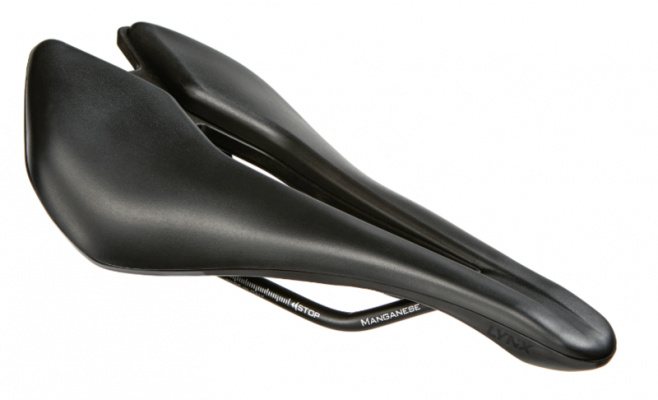
Most saddles sit at the sharp end of road cycling ergonomics - engineered by Pinarello's in-house component division and designed around one core idea: supporting an aggressive pelvic rotation without punishing you for it. The Lynx series is the headline act, built around a short-nose geometry that takes pressure off the front of the saddle when you're pitched forward on the drops, letting your hips rotate freely and your power go where it belongs - into the pedals.
The range splits broadly into two camps. Carbon-railed models use CarboKeramic 7x9mm oval rails and a stiff shell to shed grams and lock in your position. Manganese-railed variants bring Aircross light padding into the mix, softening longer days in the saddle without going full armchair. And across the lineup, the Superflow central relief channel does the quiet work of reducing soft-tissue pressure on rides that go on well past the point where a flat saddle would make you regret your life choices.
They're not Pinarello-only kit - we'll cover compatibility below - and they're not just for race day. Whether you're grinding out winter base miles on wet Suffolk lanes or trying to keep your sit bones happy over a long sportive, there's a Most saddle worth considering. Compare UK prices across the range in the grid above.
Prices and availability can change quickly. Delivery charges are not always included in listed prices.
Final price, stock status and delivery terms are set by retailer. We may receive a commission on purchases made.
Fitting Your Most Saddle: Rail Dimensions and Clamp Compatibility
Get the rail spec wrong and you'll either strip a carbon rail or spend a ride slowly sliding backwards. Most saddles come in two distinct rail standards, and it matters more than most brands make clear.
Manganese models run standard 7x7mm round rails - the same round-section profile you'll find on the majority of road seatposts, so compatibility is rarely an issue. Carbon models are a different story. The CarboKeramic rails on the Lynx Ultrafast Superflow and similar top-tier variants are 7x9mm oval in cross-section. That oval profile is what gives them their high strength-to-weight ratio, but it also means your seatpost clamp has to be specifically designed to accept it. A standard round-rail clamp sitting on an oval rail concentrates load on two small points - that's how carbon rails crack.
Look for a seatpost with a top-and-bottom clamping mechanism that matches the 7x9mm profile. Side-clamping designs are a known risk here. If you're unsure whether your current post is compatible, check the manufacturer's spec sheet before you buy. It's the kind of thing that takes two minutes to verify and potentially saves an expensive mistake.
Looking for replacement rail clamps, bolts, or specific mounting hardware? Head over to our Most Saddle Spares page to find the exact small parts to keep your setup secure. And if you're building out a full cockpit around a Most saddle, Most handlebars and Most bar tape are worth pairing in - consistent flex characteristics across the contact points make a noticeable difference on longer days.
Lynx Carbon vs. Lynx Aircross Manganese: What You Actually Get for the Money
The Most saddle lineup isn't enormous, but it's deliberately tiered. Understanding where your money goes is the key to picking the right model rather than just the most expensive one.
At the top sits the Lynx Ultrafast Superflow - carbon shell, CarboKeramic 7x9mm rails, minimal padding, and a weight that makes your scales do a double take. The carbon shell doesn't flex under load, which means every watt of force you push through your hips goes into the drivetrain rather than being absorbed by the saddle. For riders with a well-dialled aggressive position and a fit that's confirmed their sit bone width, this is a serious piece of kit. The Superflow central relief channel runs the length of the saddle's centre, cutting perineal pressure on long efforts. That's not a cosmetic groove - it's a functional design decision that makes a real difference over a four-hour ride.
The Lynx Aircross Manganese takes a different approach. Aircross padding technology adds a layer of structured foam that takes the edge off road buzz and rough chip-seal surfaces - the kind you get grinding up a wet Welsh valley road in February. The manganese alloy rails are heavier than CarboKeramic, but they're also more forgiving of over-tightening and less sensitive to clamp compatibility issues. The short-nose geometry is identical, so you don't give up the ergonomic advantage. You do give up some stiffness and a few grams, but for winter training or sportive riding where comfort compounds over hours, that's a reasonable exchange.
If you're weighing Most against the broader market, Fizik saddles offer a comparable tiered approach with their Argo short-nose range, while Fabric saddles lean harder into flat profiles and varied width options. Most's strength is the integration of short-nose geometry with the Superflow channel across both tiers - that combination is harder to find at the same price point.
Keeping Most Saddles in Good Shape on UK Roads
British roads are not kind to saddle covers. Fine grit from wet lanes works its way into the edges of the cover material and acts like low-grade sandpaper every time you shift position. It's gradual, but over a winter it adds up - particularly on the lateral edges where the cover meets the shell.
A quick wipe-down with a damp cloth after muddy or wet rides makes a real difference. The Aircross cover material on manganese models is non-absorbent and easy to clean, which helps, but grit still accumulates in the seams. Don't use solvent-based cleaners - they degrade the adhesive bonding the cover to the shell over time.
On the mechanical side, torque is everything with carbon rails. Most stamp a maximum Nm figure directly onto the CarboKeramic rails - treat that number as an absolute limit, not a suggestion. Carbon assembly paste on the rail contact points is worth using: it increases grip at lower clamp forces, so you can stop the saddle from slipping rearward without bearing down on the clamp past the safe limit. A small tube of paste is cheap insurance against a cracked rail mid-ride.
For winter base miles where you're logging big hours and soft-tissue pressure becomes a real concern, the Aircross Manganese's padding absorbs enough vibration to keep discomfort manageable. If you're doing back-to-back long days, consider whether your sit bone width has been properly measured - Most saddles come in different widths, and a mismatch there will undermine the Superflow channel's pressure relief before you've even left the car park. Bontrager saddles are worth a look if you want a brand with an in-store sit bone measurement service as part of the buying process.
Most Saddles FAQs
Are Most saddles only compatible with Pinarello bikes?
Not at all. Most saddles use standard rail profiles - 7x7mm round on manganese models, 7x9mm oval on carbon variants. Any road, gravel, or touring bike with a seatpost clamp that matches those dimensions will accept them. The Pinarello connection is about ownership, not a proprietary fitting standard.
What is the difference between Most Lynx Carbon and Manganese?
Carbon models - like the Lynx Ultrafast Superflow - use a stiff carbon shell and CarboKeramic 7x9mm oval rails for maximum weight reduction and power transfer. Manganese models add Aircross padding and run standard 7x7mm alloy rails, making them heavier but more comfortable over long distances and more forgiving of standard seatpost clamps.
Do I need a special seatpost clamp for Most carbon saddles?
Yes. The 7x9mm oval CarboKeramic rails on Most carbon saddles require a seatpost clamp specifically designed for oval rails - typically a top-and-bottom clamping design. Standard side-clamping mechanisms concentrate load incorrectly on the rail and can crack the carbon. Always check your seatpost's rail compatibility before fitting.