
Miche Gravel Wheels
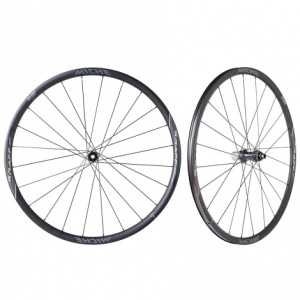
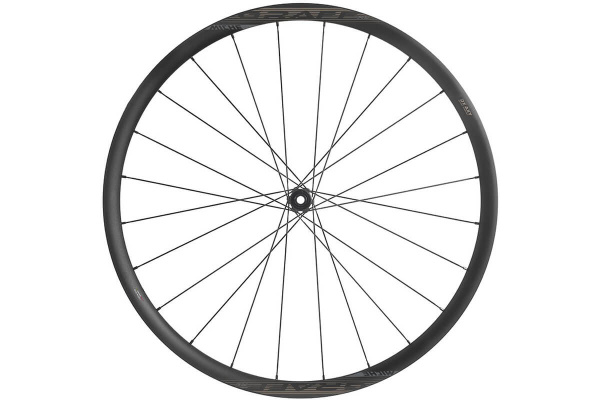
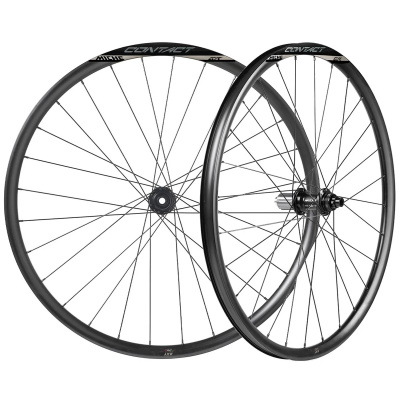
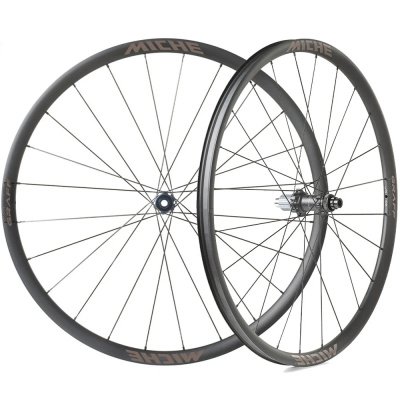
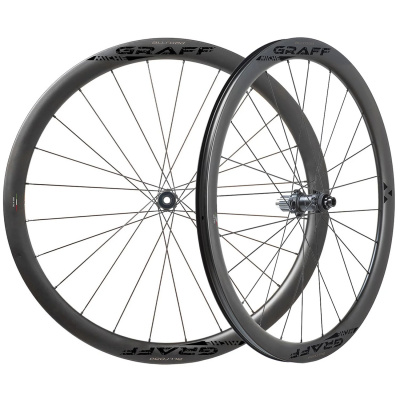
Miche gravel wheels span a range broad enough to cover everything from a muddy Lincolnshire bridleway on a wet Tuesday to a loaded bikepacking circuit through the Cairngorms - and the engineering behind them is more considered than the price tags might suggest. Built around CNC-machined AL7075-T6 hubs and asymmetric rim profiles, the Graff series is designed with lateral stiffness and spoke tension balance at its core, not as an afterthought. That asymmetric geometry matters: it distributes spoke tension more evenly across the non-drive and drive sides, which translates to a wheel that tracks predictably when you're pushing hard through a loose corner.
The range runs from the alloy Miche Graff SP - a robust, no-nonsense workhorse suited to winter miles and heavier bikepacking loads - up to the Miche Carbo Graff, where carbon construction sheds meaningful weight and adds vibration compliance over longer days in the saddle. Both ends of the range come tubeless ready, which matters when you're running lower pressures through deep, wet mud and need confidence that the tyre bead will stay seated. Whether you're speccing a fresh build or replacing wheels that have taken a battering, compare the best UK prices on Miche gravel wheelsets below.
Prices and availability can change quickly. Delivery charges are not always included in listed prices.
Final price, stock status and delivery terms are set by retailer. We may receive a commission on purchases made.
Will They Fit Your Bike? Axle Standards and Freehub Compatibility
Modern Miche gravel wheels follow the current disc-specific standards: 12x100mm thru-axle at the front, 12x142mm at the rear. If your gravel bike uses these dimensions - and most frames sold in the UK over the last five years do - fitment is straightforward. Rotor mounting is centerlock across the disc-specific Graff models, so if your calipers use six-bolt rotors, factor in an adapter before you buy. Centerlock is the cleaner system anyway, and torque installation is quicker once you're used to it.
Freehub compatibility is where Miche genuinely earns points for flexibility. The hubs use interchangeable freehub bodies, covering Shimano HG for 9, 10, and 11-speed drivetrains, SRAM XDR for 12-speed setups, and Campagnolo N3W. Swapping bodies is a workshop job rather than roadside surgery, but it does mean a single wheelset can follow your drivetrain if you upgrade later - useful if you're running an older Shimano HG groupset now but eyeing a 12-speed SRAM move down the line. If you're pairing new wheels with a cassette upgrade, our Miche 11 speed cassettes and Miche 12 speed cassettes are worth a look to keep things matched.
One practical check: confirm your frame's ETRTO clearance before sizing up tyres. The wider internal rim widths on the Carbo Graff open up high-volume tyre options, but clearance at the chainstay and fork crown is ultimately what limits you, not the rim.
Graff SP, Graff Route, Carbo Graff: What You Actually Get at Each Level
The Miche Graff SP is the alloy foundation of the range. Internal rim width sits in the 22 - 23mm range depending on the build, which is wide enough to run a 40c tubeless tyre at sensible pressures without the bead squirming. It's the wheel you'd pick for winter use, loaded touring, or anywhere that a rim ding from a hidden pothole on the North York Moors would ruin your day - alloy is far more forgiving to repair or replace. Weight is higher than carbon, obviously, but the trade-off is real-world toughness and a lower entry cost.
Step up to the Miche Graff Route and you're still in alloy, but the profile geometry shifts toward a more aero-optimised shape. It's aimed at riders who spend more time on gravel tracks and fireroads than technical singletrack - the kind of riding where rolling efficiency over distance matters more than absorbing sharp impacts. Think a long day across the South Downs Way rather than a Hebridean island-hopping adventure with a full framebag.
The Miche Carbo Graff is the top of the stack. Carbon construction brings a genuine weight reduction and, arguably more relevantly for long days, a degree of vibration damping that alloy simply can't replicate - carbon's natural compliance takes the edge off relentless gravel chatter in a way that your handlebar tape can only partially compensate for. Internal rim width is wider here too, which supports lower tyre pressures through deep mud without the burping that narrower rims can produce. Miche uses their Resitex compound resin in the carbon layup, which manages heat build-up and structural stress - relevant if you're braking on long descents in the Brecon Beacons, where sustained heat can degrade lesser carbon rims over time.
Compared to similarly positioned options from Fulcrum gravel wheels or DT Swiss gravel wheels, Miche sits competitively in terms of hub quality and rim engineering. Mavic gravel wheels and Campagnolo gravel wheels occupy similar price territory at the upper end - the choice often comes down to drivetrain ecosystem and personal preference for hub feel rather than objective performance gaps.
Keeping Miche Wheels Spinning Through a UK Winter
UK winters are hard on bearings. Road grit, salt, and standing water work into hub internals faster than most riders expect - it's not dramatic failure, just a gradual increase in drag and play that compounds over months. Miche's CNC-machined AL7075-T6 hubs use sealed cartridge bearings across the range, which provides meaningful protection against contamination. That said, double-sealed bearings on the rear hub face a tougher job given the proximity to tyre spray and drivetrain muck, so it's worth checking for play every few months through winter by gripping the rim and rocking it laterally. A little play is normal; anything that feels like movement in the axle itself means the bearings need attention.
Cartridge bearing replacement is a bench job: you'll need a bearing press or a careful improvised equivalent, and the right bearing dimensions for your specific hub model. Check the hub shell markings before ordering. If you're sourcing replacement parts, our Miche hubs page lists current stock, and Miche skewers are worth having on hand if you're doing a full refresh.
Tubeless setup on Miche rims is reliable when done carefully. Clean the rim bed thoroughly - any residual oil or dust from the manufacturing process will stop the tape bonding properly. Two layers of tubeless tape, pulled tight and overlapping the valve hole by a couple of centimetres, is the right approach. A standard tubeless valve with a removable core makes sealant injection easier once the tyre bead is seated. Use a high-volume track pump or a blast from a compressor to seat the bead; don't fight it with a floor pump if the bead won't pop. With the wider internal rim widths on the Carbo Graff in particular, you can drop pressures meaningfully on wet, rooty descents without risking a burp - which is exactly the point of the design.
Miche Gravel Wheels FAQs
Are Miche wheels good for gravel riding?
The Graff series is engineered specifically for gravel use, with asymmetric rim profiles that balance spoke tension for lateral stiffness and CNC-machined AL7075-T6 hubs that hold up well under repeated abuse. They're a solid choice whether you're hammering out winter miles on a local bridle path or taking on something more ambitious.
How do I set up Miche Graff wheels tubeless?
Clean the rim bed properly first, then apply two tight layers of tubeless tape, covering the valve hole before punching through for the valve. Seat the tyre bead with a high-volume pump or compressor, then inject sealant through the valve core - Miche's rim beds are well-suited to tubeless when the prep work is done right.
What freehub bodies are compatible with Miche gravel wheels?
Miche gravel hubs use interchangeable freehub bodies, covering Shimano HG (9/10/11-speed), SRAM XDR (12-speed), and Campagnolo N3W. It's a workshop swap rather than a quick trailside job, but the modularity means your wheels can follow you across drivetrain upgrades without needing a full replacement.