
Magene Power Meters
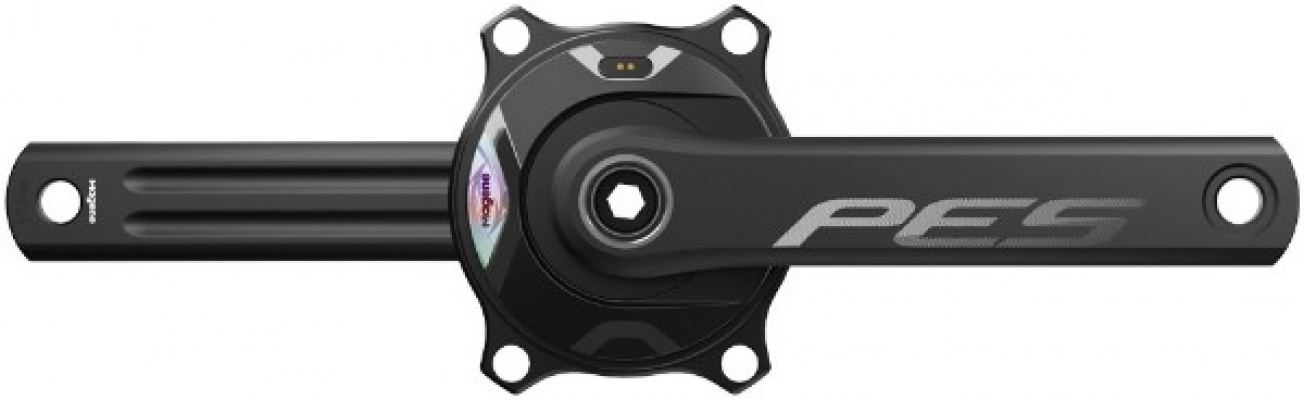
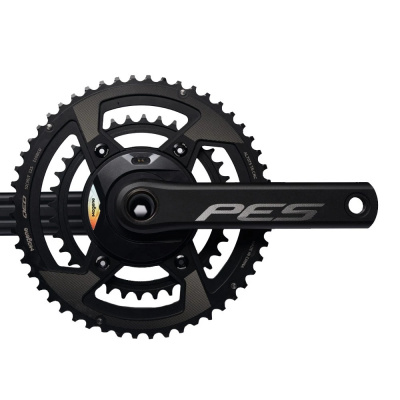
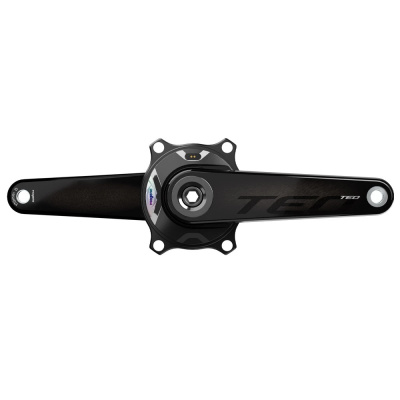
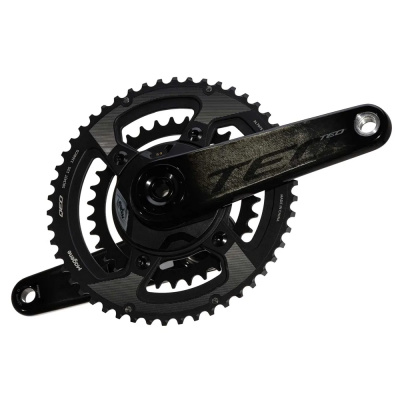
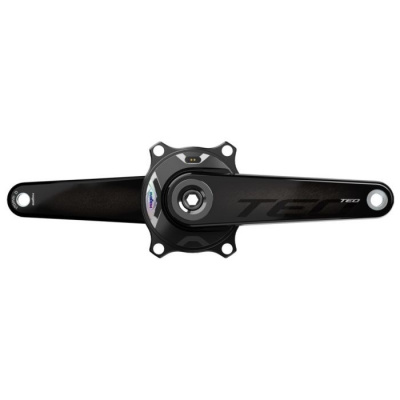
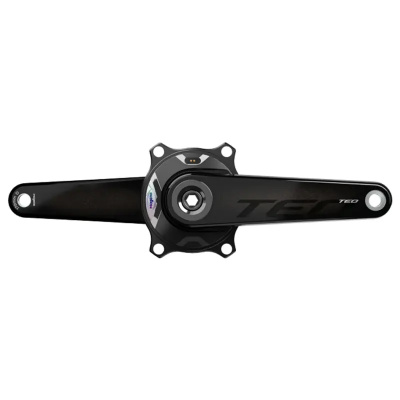
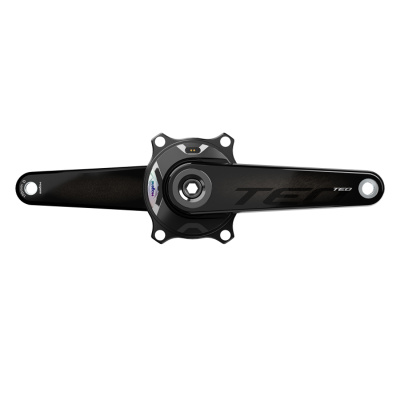
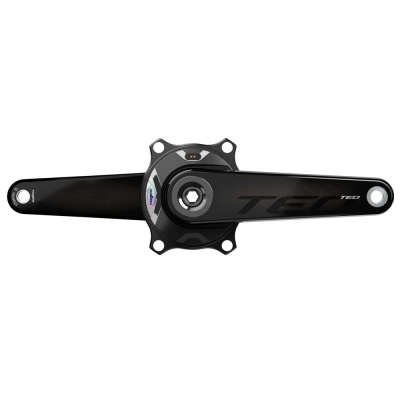
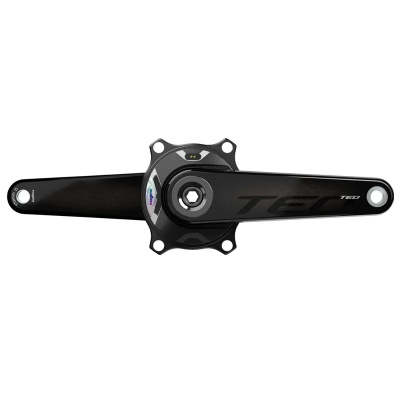
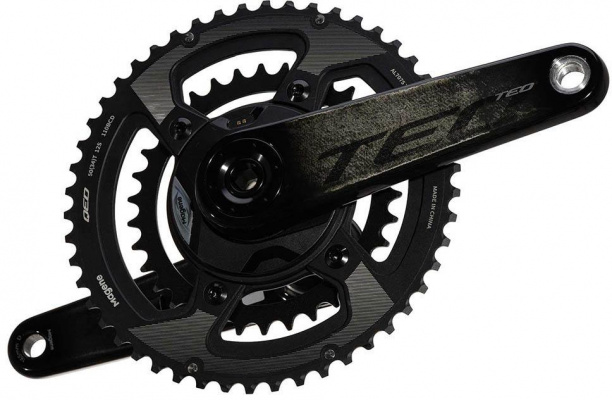
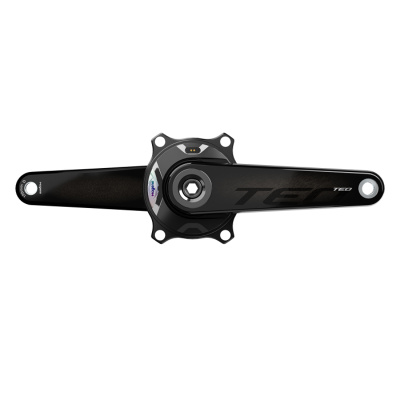
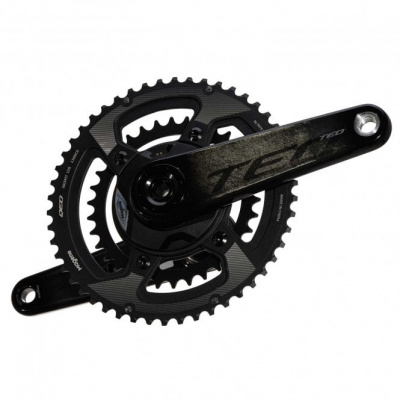
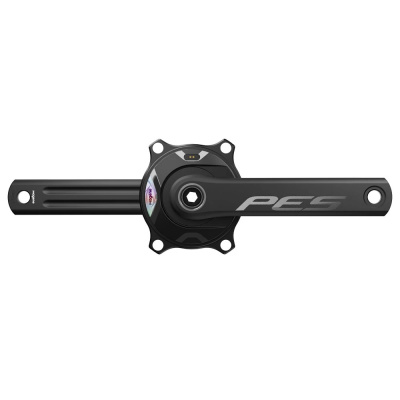
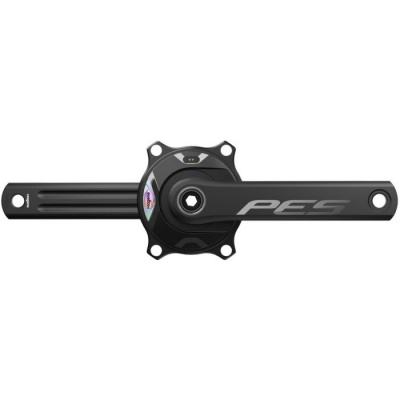
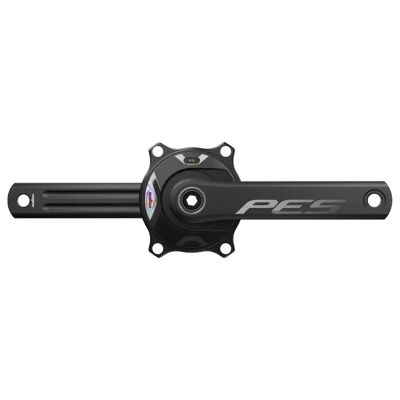
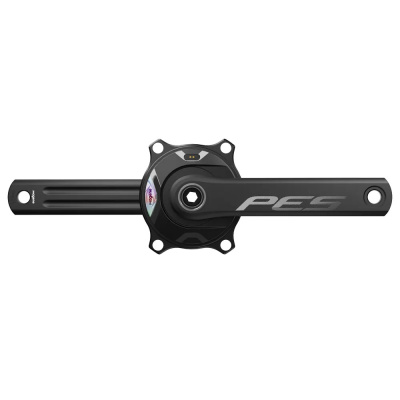
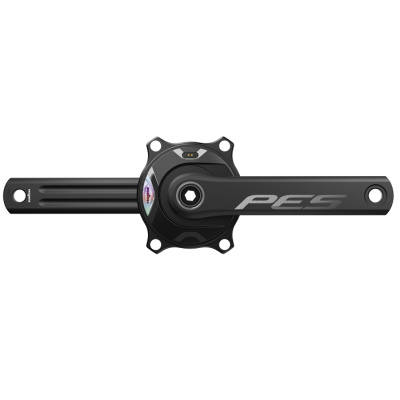
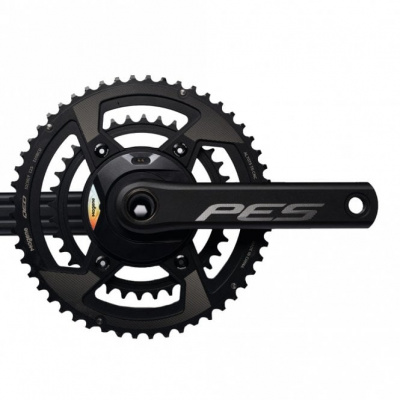
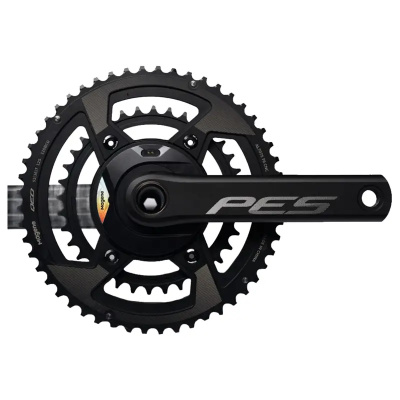
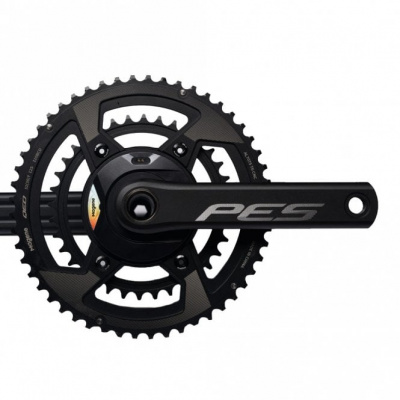
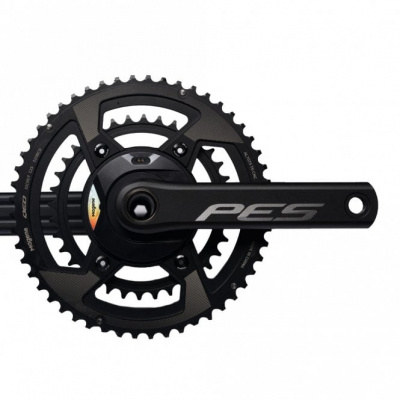
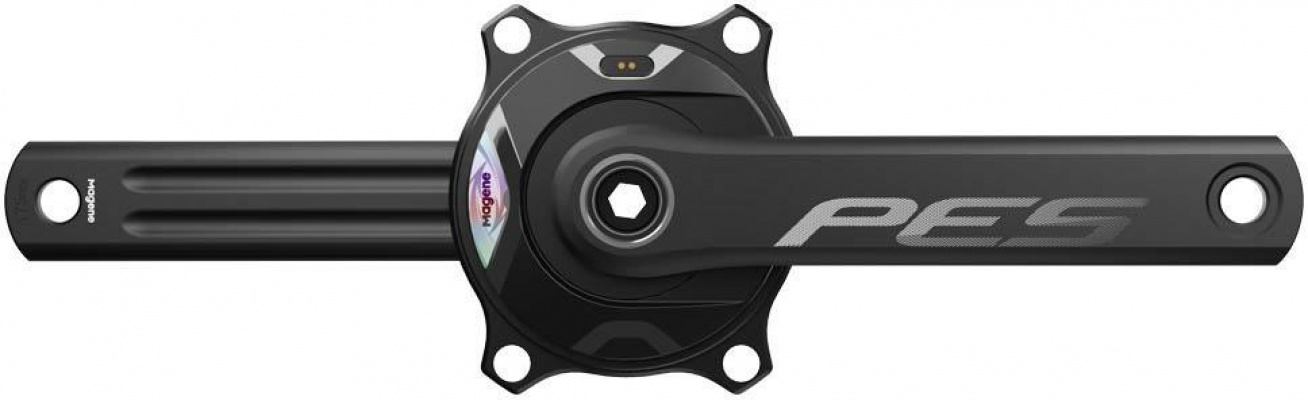
Magene Power Meters have quietly shaken up the training tech market, delivering the kind of data accuracy that used to cost significantly more. Built around spider-based designs like the PES P505, these units hit ±1.5% power accuracy - tight enough to build serious interval and pacing work around. That's not marketing copy; it's strain gauge engineering backed by an active temperature compensation algorithm that keeps your numbers honest even as temperatures swing between a grey Yorkshire morning and a rare sunny afternoon.
Dual ANT+ and Bluetooth BLE connectivity means one unit can feed your Garmin and Zwift simultaneously, no faff. The 200-hour battery life with magnetic charging removes that nagging worry mid-block, and the IPX7 waterproof rating means British winters - road spray, grit, salt, the works - aren't a concern. Whether you're building your FTP through January on a dedicated training bike or dialling race-day pacing on your summer rig, Magene gives you reliable, actionable data without the premium price tag that usually comes with it. Honest numbers. Solid build. Worth a proper look.


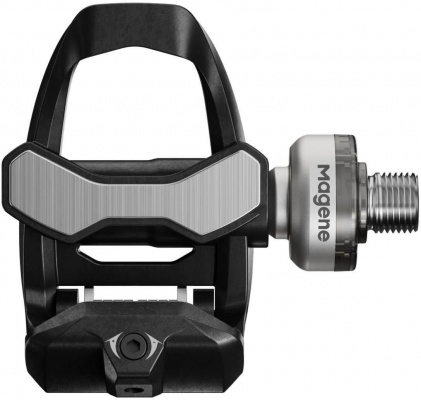

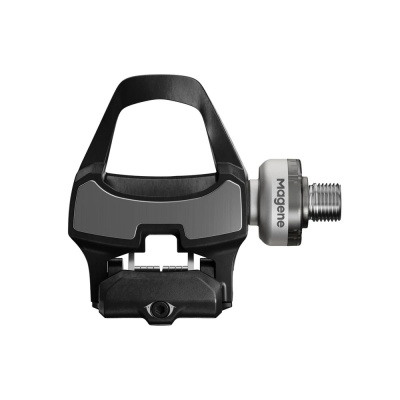
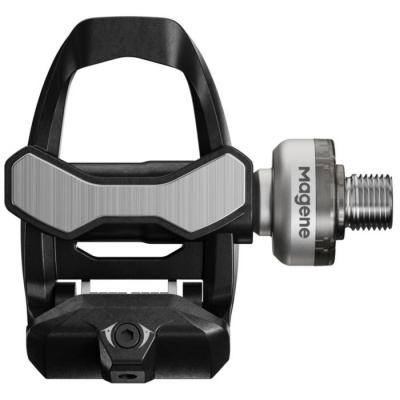
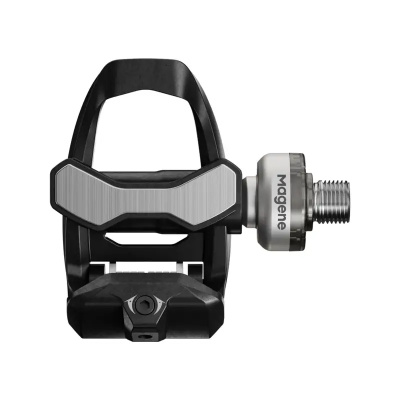
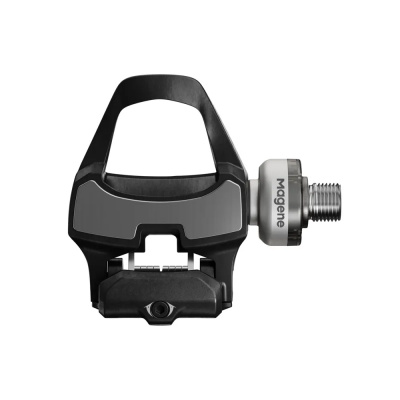
Prices and availability can change quickly. Delivery charges are not always included in listed prices.
Final price, stock status and delivery terms are set by retailer. We may receive a commission on purchases made.
Connectivity and the Data Ecosystem
The dual-protocol setup on Magene power meters is genuinely useful day-to-day. ANT+ handles your GPS head unit - a Garmin, Wahoo, or a Magene GPS Computer - while Bluetooth BLE runs simultaneously to your training app of choice, whether that's Zwift, TrainerRoad, or Systm. No switching, no pairing and unpairing between sessions. It just works.
The Magene Utility app handles firmware updates, diagnostics, and zero-offset calibration from your phone. It's clean and straightforward - useful for checking sensor health and keeping the unit current without needing to dig into a head unit menu. Pair that with a Magene HRM strap and you've got power, heart rate, and GPS all talking to each other through a single ecosystem, which tidies up your training data considerably.
If you're coming from something like Stages or 4iiii, the dual-protocol simultaneous broadcast is a step up in everyday convenience, particularly for riders who split time between outdoor rides and indoor training blocks.
Accuracy, Battery Life, and What the Numbers Actually Mean
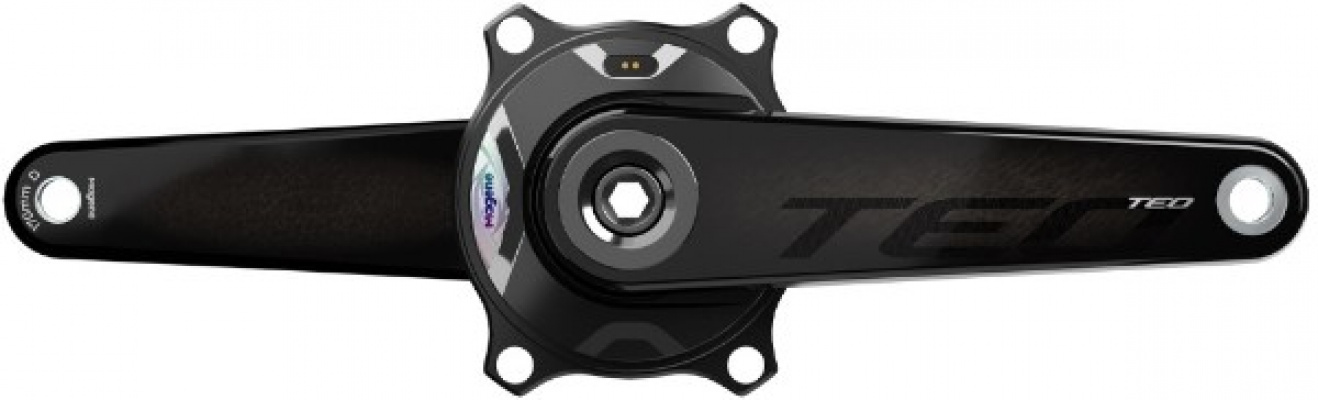
The ±1.5% accuracy figure comes from high-precision strain gauges embedded in the spider - the measurement point sits right at the crankset where force transfer happens, giving you whole-power data rather than a single-leg estimate. The active temperature compensation algorithm is the bit that matters most for UK riding. Cold morning starts - think a 6am Peak District loop in February - can cause thermal drift in less sophisticated units, quietly corrupting your power data. Magene's compensation keeps the readings stable as temperatures shift during a ride.
Two hundred hours of battery life is substantial. Fitted with the magnetic charging cable, you're looking at weeks between charges for most riders, and the magnetic port itself solves a genuinely irritating problem: the rubber flaps covering micro-USB ports on other units eventually fail, letting moisture in. Magnetic charging leaves no exposed port to degrade. Useful when you're parking a bike in a wet garage every other day through winter.
For context against the broader market, Quarq and Garmin spider-based units offer comparable accuracy but typically at a higher price point. Magene closes that gap meaningfully.
Fitting the PES P505 and Riding Through British Winters
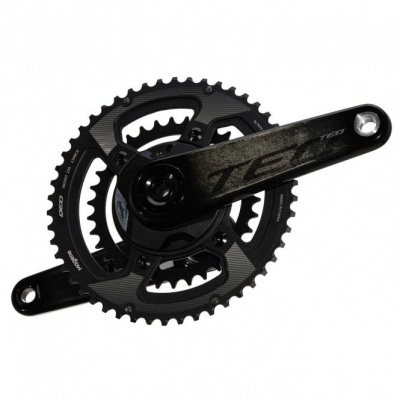
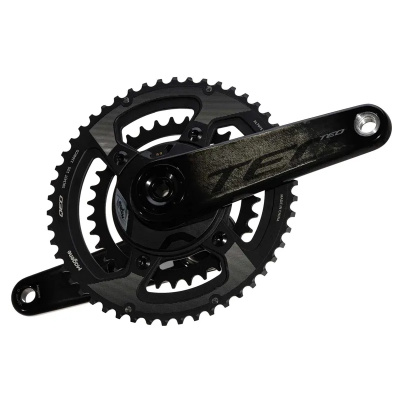
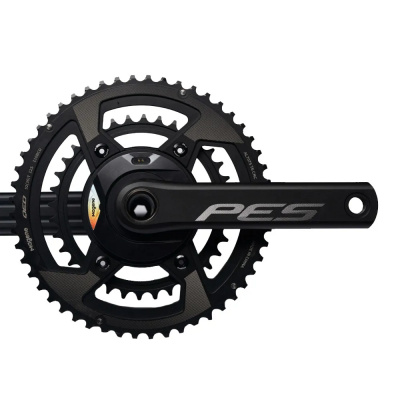
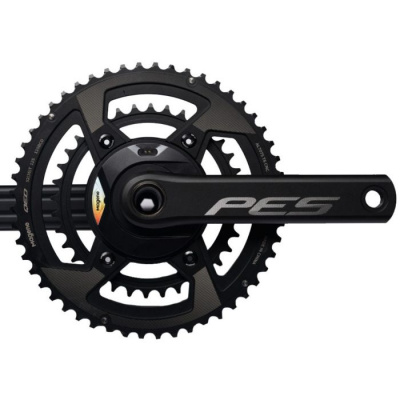
The PES P505 uses a standard 110 BCD 4-bolt pattern, which makes it a direct swap for most modern Shimano road cranksets - 11-speed and 12-speed users can bolt it straight on without adapters or fuss. Torque the spider to spec (it's in the manual and the Utility app has a reminder), drop your chain back on, and you're done. It's a genuinely approachable install for anyone who's comfortable with basic workshop tasks.
For compatible chainrings, head over to the Magene Chainrings page - there's a full range matched to the 110 BCD standard with the right offsets for road use.
The IPX7 waterproof rating means the unit can handle submersion to a metre for 30 minutes, so road spray, puddles, and sustained heavy rain - the kind of riding you get through November lanes in the Cotswolds or along a flooded Welsh valley road - won't cause grief. Road salt and grit are the longer-term concern; a rinse after filthy winter rides is good practice regardless of IP rating, but the sealed construction gives you real confidence that moisture isn't working its way into the strain gauge assembly.
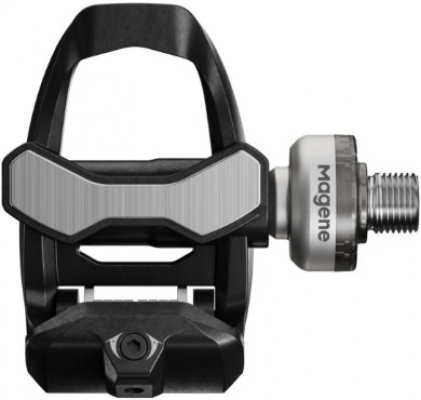
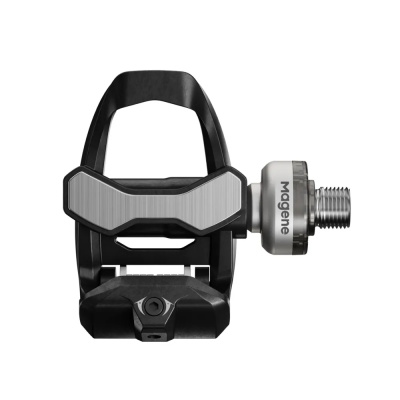
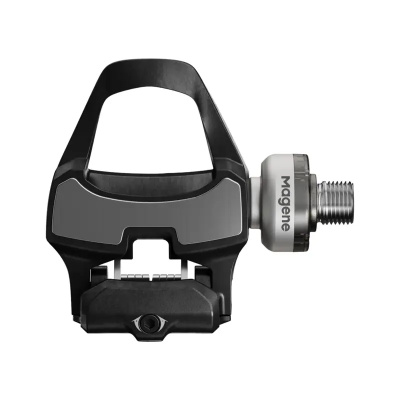
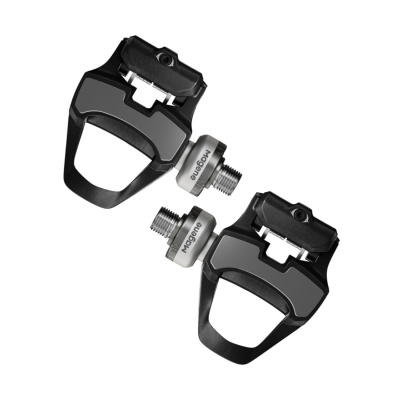
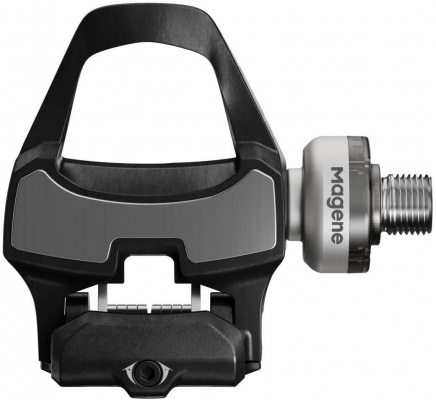
If you're comparing installation complexity, Favero pedal-based units are easier to swap between bikes, but you trade off the whole-power, spider-based measurement for that convenience. Different tools for different setups - worth knowing before you commit.
Magene Power Meters FAQs
How accurate is the Magene power meter?
Magene power meters like the PES P505 are rated at ±1.5% accuracy, achieved through high-precision strain gauges built into the spider. The active temperature compensation algorithm keeps that figure stable as conditions change during a ride, so your wattage data stays reliable from a cold start through to the end of the session.
How do I calibrate my Magene power meter?
Zero-offset calibration can be done through the Magene Utility app on your phone or directly via your paired GPS head unit - either works. Do it before each ride with the crank arms vertical (6 and 12 o'clock position) for the most consistent baseline, especially on cold mornings when temperature shifts can affect the initial offset.
Is the Magene P505 compatible with Shimano chainrings?
Yes. The PES P505 uses a standard 110 BCD 4-bolt spider pattern, which fits most modern Shimano 11-speed and 12-speed road chainrings directly. For the full list of compatible rings and offset options, the Magene Chainrings page has everything you need to spec it correctly.