
Quarq Power Meters
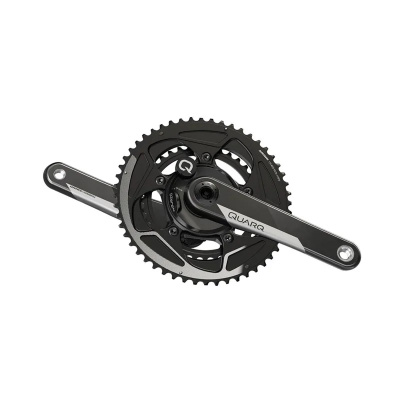
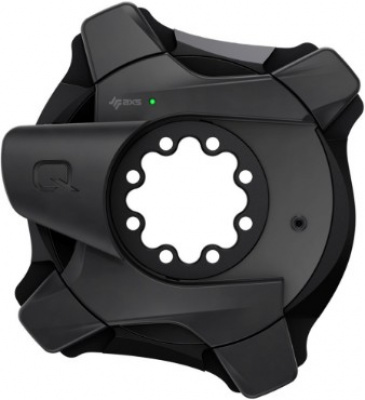
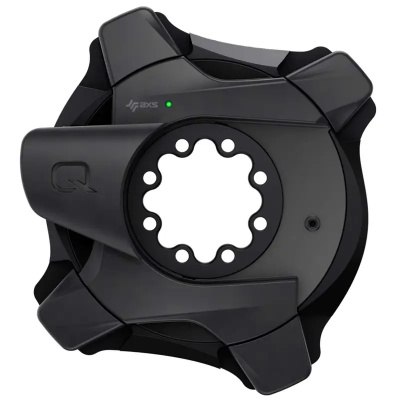
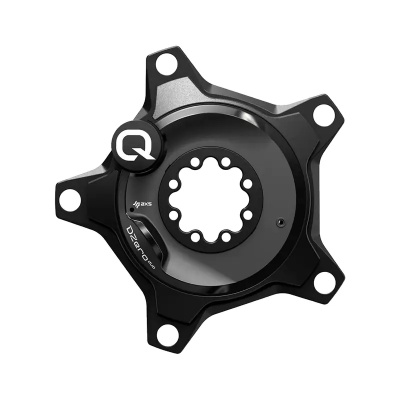
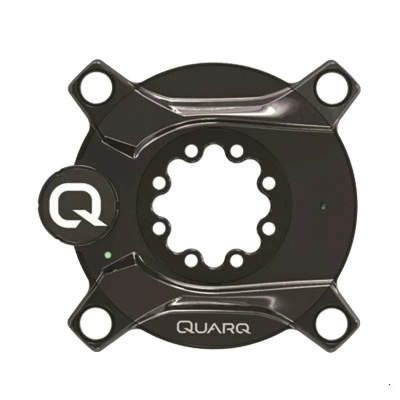
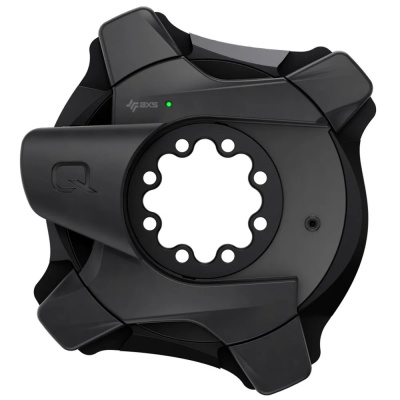
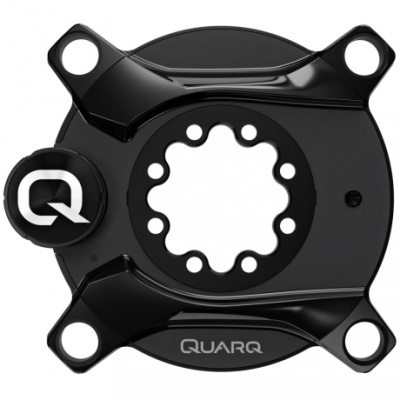
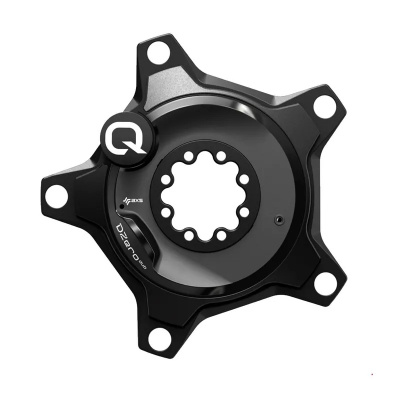
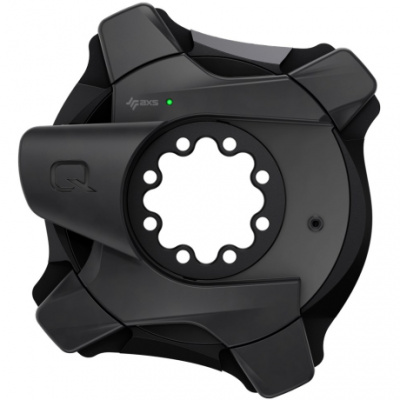
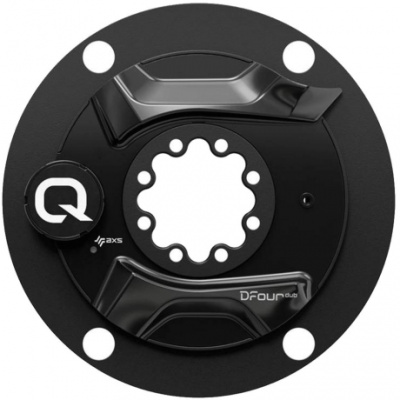
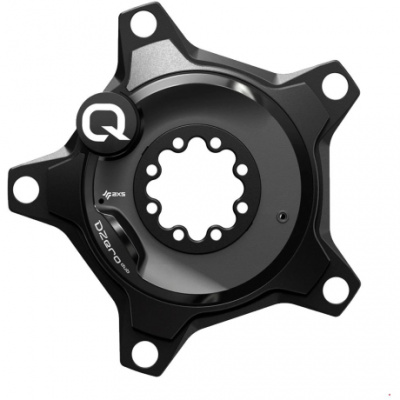
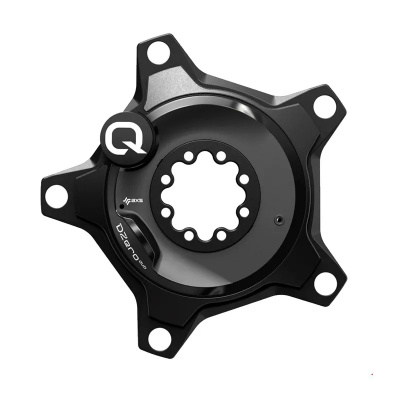
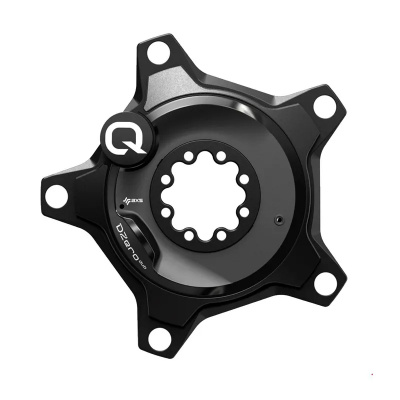
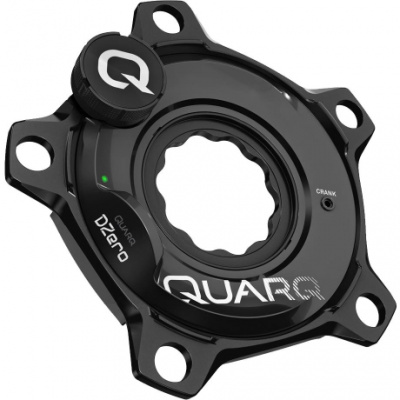
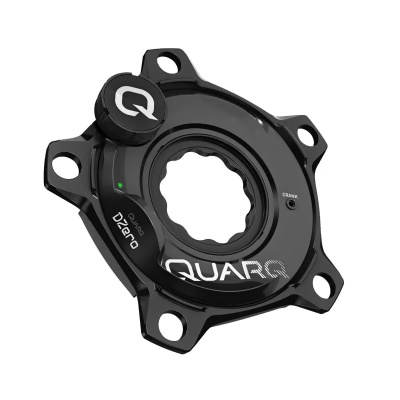
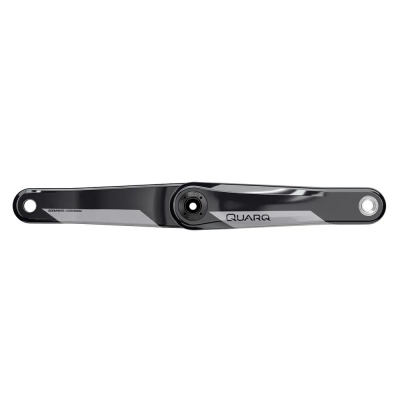
Quarq power meters have built a reputation around one simple idea: accurate, reliable power data that you never have to babysit. Spider-based in design, they measure your effort at the crank - precisely where the watts are generated - and deliver +/- 1.5% accuracy to your head unit without asking much in return. No fussing with calibration rituals before every ride. No data drift when a cold Yorkshire morning turns into a muggy afternoon climb. Just consistent numbers you can actually train from.
Whether you're pacing a club 10 or grinding out a long Sunday chain-gang effort, knowing your power output removes the guesswork from effort management. That's genuinely useful. Quarq integrates cleanly into the SRAM AXS ecosystem, so firmware updates, battery checks, and metric analysis all live in one app. Dual ANT+ and Bluetooth Low Energy (BLE) broadcasting means pairing with Garmin, Wahoo, or Hammerhead takes seconds. The MagicZero automatic calibration handles zero-offsets on the fly, and the tool-free CR2032 battery swap takes less time than finding your bidons. Fit it, pair it, ride.
Prices and availability can change quickly. Delivery charges are not always included in listed prices.
Final price, stock status and delivery terms are set by retailer. We may receive a commission on purchases made.
Connectivity and the SRAM Ecosystem
Quarq broadcasts simultaneously over both ANT+ and Bluetooth Low Energy (BLE), which means it'll talk to virtually any modern cycling computer without configuration headaches. Garmin Edge, Wahoo ELEMNT, Hammerhead Karoo - all pair instantly and hold a stable connection even in a bunch where wireless signals are fighting for space. You're not locked into one protocol or one brand of head unit. That flexibility matters if you change computers or share data across devices.
The SRAM AXS app is where Quarq really shows its depth. Connect over BLE and you get firmware updates pushed directly to the power meter, live battery status so a flat mid-ride isn't a surprise, and access to advanced metrics beyond the basics. If you're running a full SRAM AXS groupset, everything talks to the same app - shifting, power, component health. Tidy. For riders who want an equally capable alternative at a different price point, Stages power meters and 4iiii power meters are worth a look, though neither integrates as tightly with SRAM's own drivetrain ecosystem.
Battery Life and Accuracy in the Real World
A single CR2032 coin cell gives you around 200 hours of riding time. For most cyclists that's several months between changes - probably longer than it takes you to remember where you left the battery cap. When the time comes, there's no tool required: unscrew the cap, swap the battery, done. Keep a spare CR2032 in your saddle bag and you'll never be caught short.
Accuracy is where Quarq separates itself from cheaper options. The 10K Active Temperature Compensation system samples temperature every ten seconds and adjusts the strain gauge readings accordingly. On a UK winter ride - frosty at the start line in the Peak District, noticeably warmer by the time you're grinding back up the valley two hours later - temperature swing is real and it genuinely affects less sophisticated power meters. Quarq's compensation keeps the numbers honest throughout.
MagicZero works alongside this by automatically applying zero-offsets as you ride, compensating for any drift without you touching the head unit. Manual zero-offset is still available via your cycling computer or the SRAM AXS app if you want to trigger it before a key effort, but most riders will find they rarely need to bother. The combination of these two systems is what earns Quarq its +/- 1.5% accuracy claim across real conditions rather than just lab ones.
If you're comparing against pedal-based systems, the Favero power meter range offers dual-sided data with easy bike-to-bike transfers - a genuine trade-off worth considering if you swap bikes regularly. Quarq's spider-based approach means the meter stays with the crank, which suits riders with a single dedicated training or race bike.
Installation, Chainring Swaps, and Surviving a UK Winter
Installation centres on the DUB bottom bracket standard - Quarq's cranks use SRAM's DUB spindle, which is widely compatible and straightforward to fit with basic workshop tools. If you're already running a SRAM groupset, the swap is clean. Worth checking your frame's BB shell type before purchasing: threaded, PF30, BB86, and T47 shells all have corresponding DUB adapters available, so compatibility is rarely a problem, just something to confirm early.
OmniCal technology is a genuinely practical feature. Change your chainring - say, swapping to a compact for a hilly sportive or fitting a lighter ring for race day - and OmniCal recalibrates automatically to account for the new ring's dimensional variations. No re-zeroing, no recalibration process. Most spider-based meters require at least a manual zero after a chainring change; Quarq handles it without prompting. Useful if you run different setups across the year.
UK winters are hard on components. Quarq's IPX7 waterproof rating means submersion to one metre for up to 30 minutes won't damage the unit - deep puddles, flooded lanes, and the kind of sustained Welsh rain that doesn't really count as weather so much as a lifestyle are all within its remit. The electronics are sealed, the battery cap threads are robust, and the unit doesn't need any special post-ride care. Rinse it down, put the bike away.
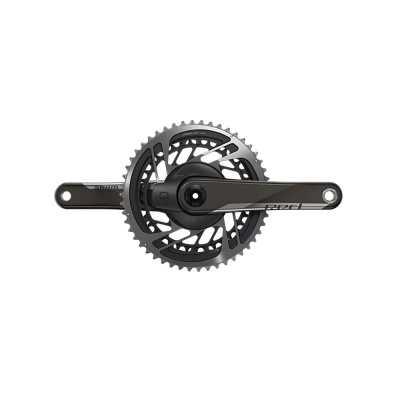
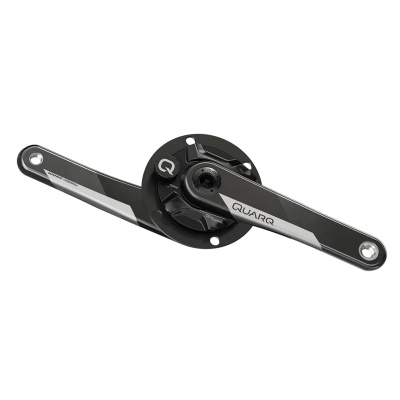
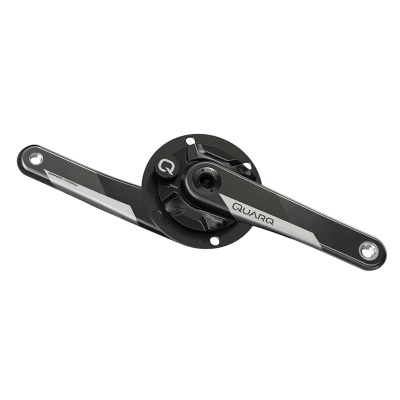
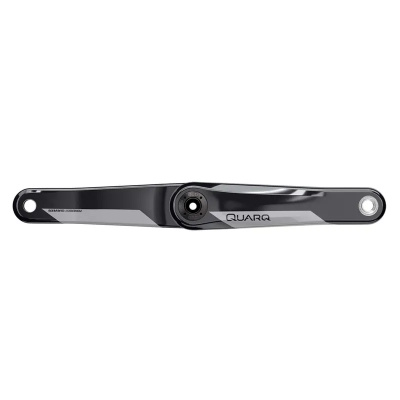
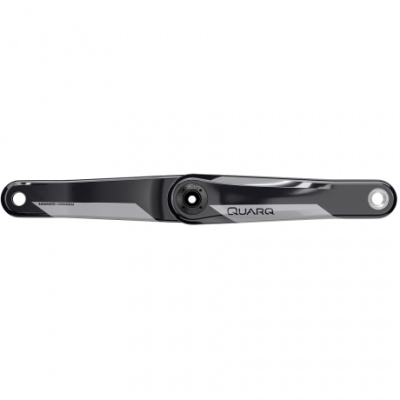
If you need the complete crank arm assembly rather than the power meter unit alone, our Quarq chainsets and cranks page covers the full options. For replacement battery caps, spider hardware, or other components, the Quarq spare parts section has you covered.
Compared to the broader market, SRAM power meters sit in the same ecosystem and share some of the same connectivity advantages, while Garmin power meters offer strong head unit integration if you're already deep in the Garmin ecosystem. Quarq's edge is in the combination of spider-based accuracy, automatic temperature compensation, and tight AXS app integration - few rivals offer all three at this level.
Quarq Power Meters FAQs
How do I calibrate my Quarq power meter?
Quarq uses MagicZero technology to apply zero-offsets automatically as you ride, so manual calibration isn't usually necessary. If you want to trigger it manually - before a time trial or key test effort, for example - you can do so through your cycling computer's calibration menu or via the SRAM AXS app before you set off.
How long does the battery last on a Quarq power meter?
Expect around 200 hours from a single CR2032 coin cell - that's several months of regular riding for most people. Swapping it is tool-free: unscrew the battery cap on the spider, drop in a new CR2032, and you're back up and running. The SRAM AXS app shows battery status so you're not caught out mid-ride.
Do Quarq power meters work with Garmin and Wahoo?
Yes. Quarq broadcasts over both ANT+ and Bluetooth Low Energy simultaneously, so it pairs with Garmin Edge, Wahoo ELEMNT, Hammerhead Karoo, and virtually any other modern cycling computer without any workarounds. The dual-protocol setup also means you can feed data to two devices at once if needed.