
Magene Gps Computers
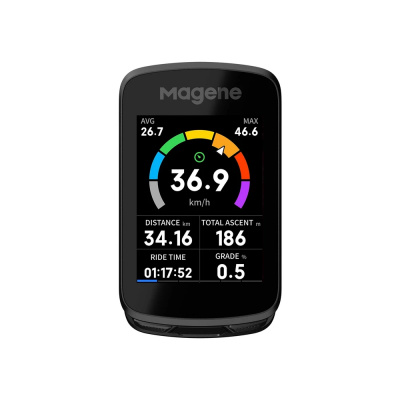
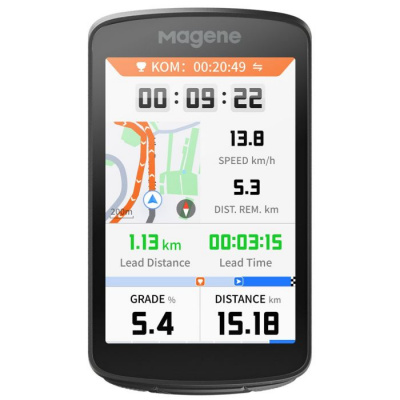
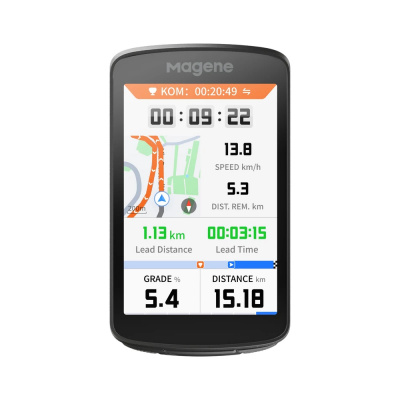
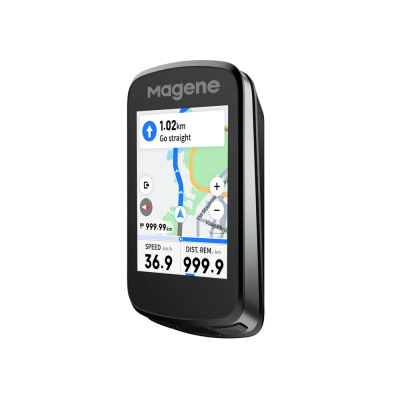
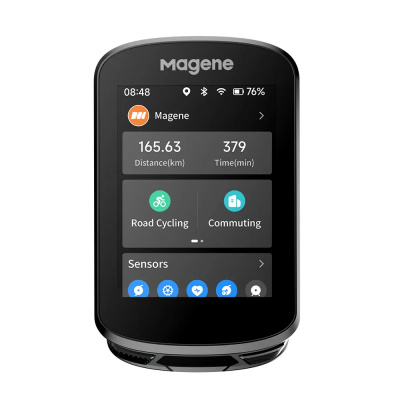
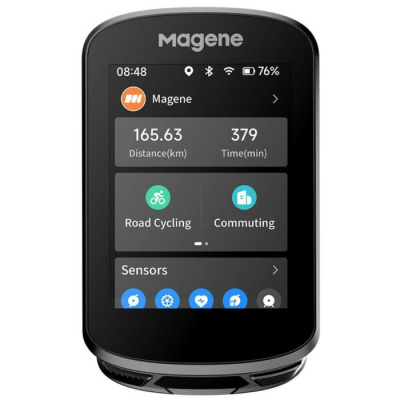
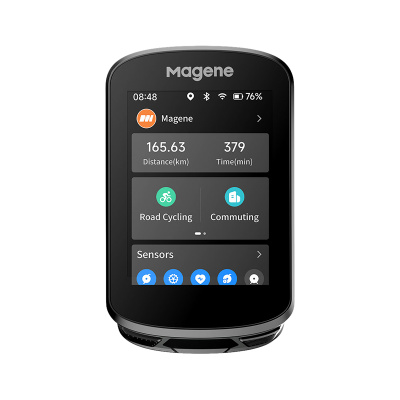
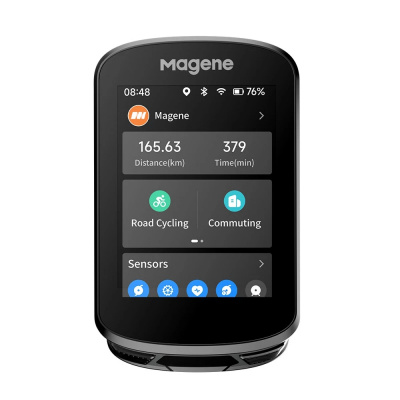
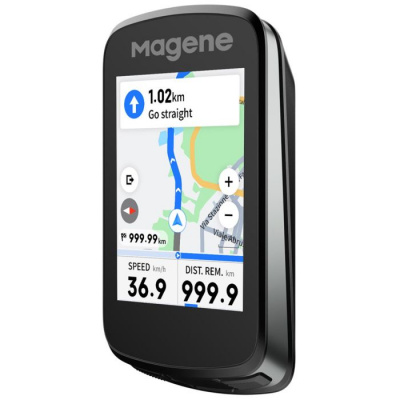
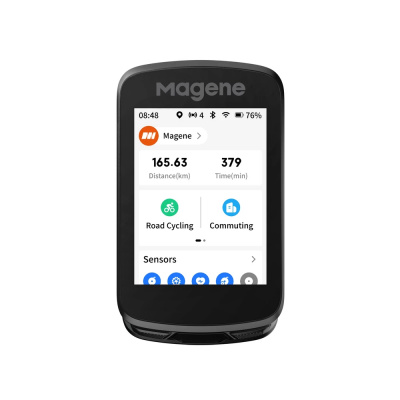
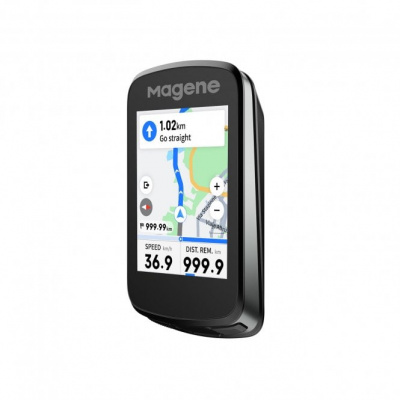
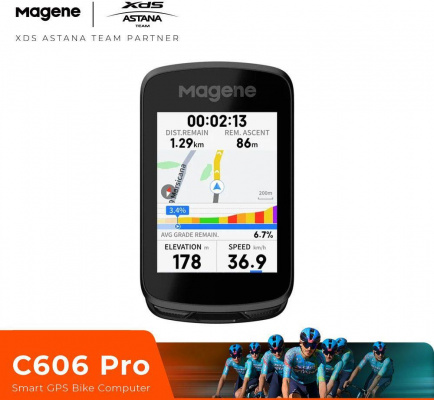
Magene GPS computers punch well above their price bracket, giving you multi-system GPS accuracy, dual-protocol sensor connectivity, and automatic Strava uploads without the eye-watering outlay of the market leaders. Whether you're logging your first century sportive or chasing power and heart rate data across every climb, these head units cover the full spread of cycling telemetry in a compact, road-ready package.
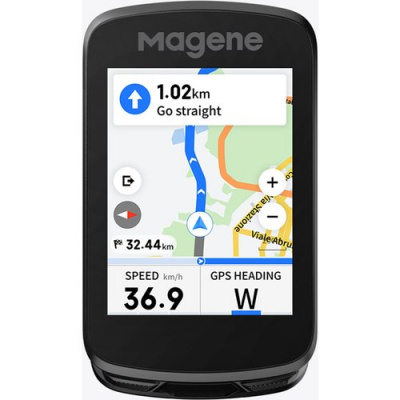
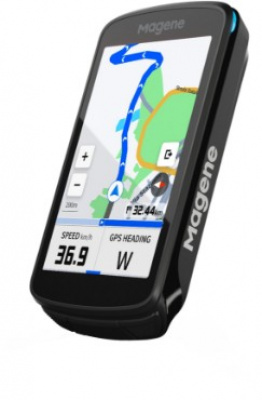
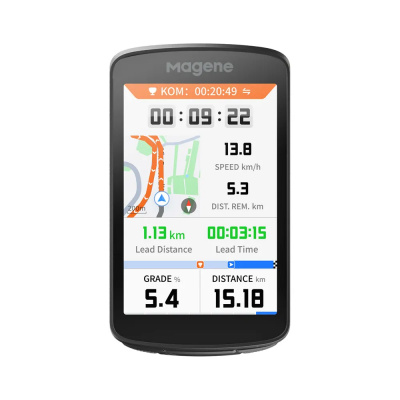
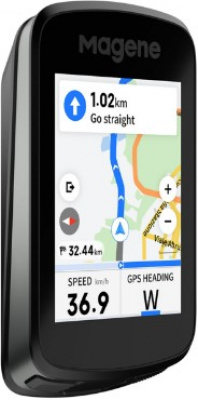
The range spans entry-level units for riders who want clean speed and distance data, right up to feature-rich computers that rival Garmin GPS computers and Wahoo GPS computers on paper. All models lean on multi-constellation GPS - pulling from GPS, Beidou, Galileo, and Glonass - so signal acquisition is quick and position tracking holds firm through wooded valleys and deep lanes alike.
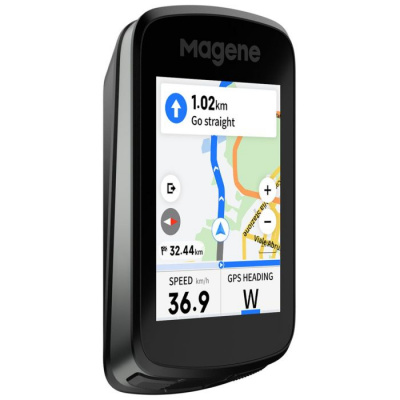
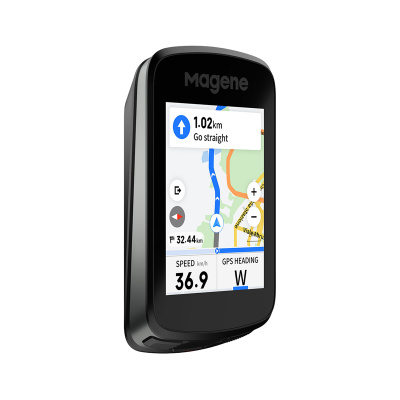
Connectivity runs on both ANT+ and Bluetooth BLE, meaning your existing sensors - power meters, heart rate straps, speed and cadence pods - pair without fuss. The FSTN LCD screens are high-contrast and glare-resistant, which matters on a bright April morning or a grey February slog. IPX6 and IPX7 waterproofing ratings mean these units don't flinch at a British downpour. If you want serious data at a sensible price, Magene deserves a proper look.
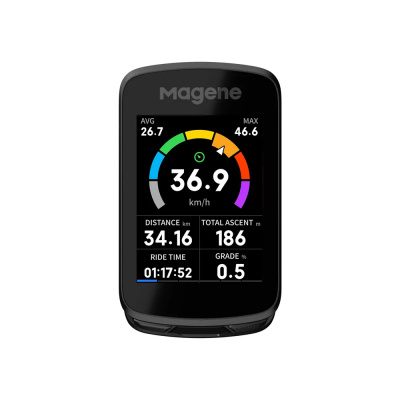
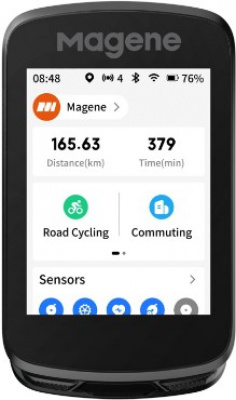
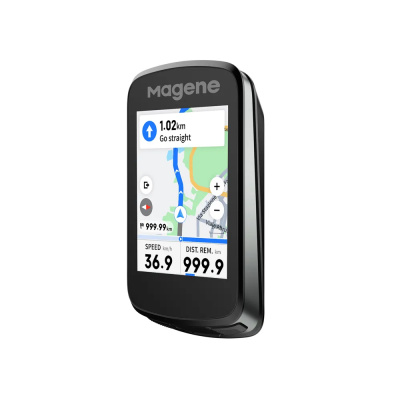

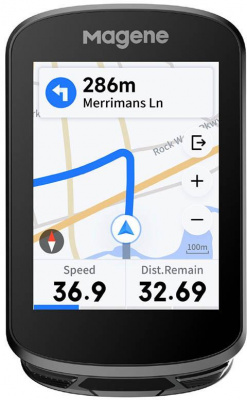
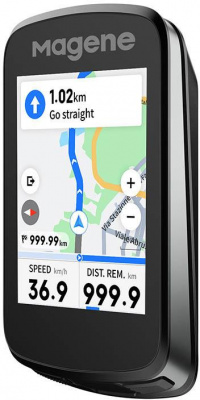
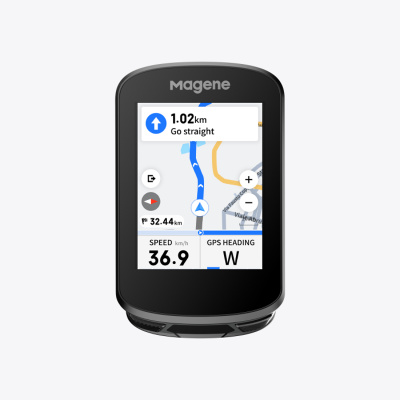
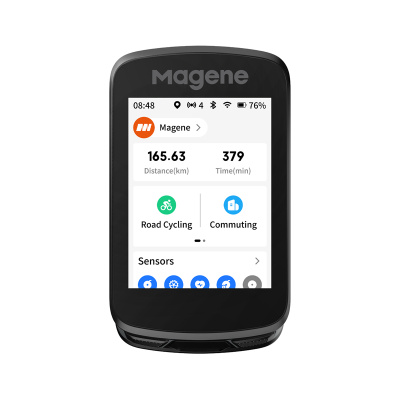
Prices and availability can change quickly. Delivery charges are not always included in listed prices.
Final price, stock status and delivery terms are set by retailer. We may receive a commission on purchases made.
Tech Ecosystem and Connectivity
Dual-protocol support is where Magene earns its credibility. Every unit in the range handles both ANT+ and Bluetooth BLE simultaneously, so you can run a power meter on ANT+ while your phone pulls live data over BLE - no choosing one or the other. That matters when you've already invested in a sensor ecosystem and don't want to rebuild it around a new computer. Pair a Magene power meter or a Magene HRM strap and the pairing process is straightforward: open the sensor menu, scan, done.
The OnelapFit app sits at the centre of Magene's data management setup. It handles firmware updates, device configuration, and ride syncing - and it's where you authorise third-party platform connections. Strava integration runs automatically once you've linked the accounts: finish a ride, save it on the computer, and it pushes to Strava via the app without you touching anything. TrainingPeaks sync works along the same lines. The app interface is functional rather than flashy, but it does the job reliably and the update cadence has been consistent.
Not after GPS at all? If you're looking for something simpler - a basic wired or wireless cycle computer without navigation - head over to our Magene basic computers category, where you'll find straightforward options better suited to that use case.
Battery Life and Screen Performance in the Real World
The C406's headline 30-hour battery claim is the number most riders ask about, and in practice it holds up well under normal riding conditions. Run the backlight continuously, push multi-system GPS hard, and stream data to your phone simultaneously, and you'll trim that figure - realistically, expect 22 to 26 hours in active use with backlight on. For most UK riders doing long audax events, back-to-back days in the Peaks, or multi-day touring, that's still comfortably ahead of a single charge cycle.
Cold weather is worth flagging honestly. Sub-zero temperatures - the kind you hit on a January morning in the Scottish Borders or a frosty Yorkshire commute - can reduce battery efficiency by around 10 to 15 percent. That's not unique to Magene; it's a lithium cell characteristic. The practical fix is to keep the unit in a jacket pocket during extended stops rather than leaving it mounted in the cold.
The FSTN LCD screens handle low light and direct glare better than backlit TFT displays at this price point. In freezing conditions, FSTN doesn't suffer the ghosting or sluggish refresh you sometimes get with other screen technologies - the display stays crisp and readable whether you're descending into a shadowed valley or squinting into low winter sun on an exposed ridge. It's not a full-colour touchscreen, but for data legibility at a glance, it's genuinely effective.
How does Magene sit relative to the competition? Bryton GPS computers occupy a similar price bracket and are the most direct comparison. Bryton has wider brand recognition in UK cycling shops, but Magene matches or exceeds it on connectivity specs and battery runtime at comparable price points. The trade-off is a smaller UK user community and fewer third-party accessory options - worth knowing before you commit.
Getting Set Up, Mounting, and Wet-Weather Durability
Out of the box, setup takes around ten minutes if you've done it before and maybe twenty if you haven't. Charge the unit fully first - don't skip this. Download OnelapFit, create an account, and pair the computer via Bluetooth. The app walks you through data field configuration and will prompt you to install any available firmware updates before your first ride. Do the update on Wi-Fi and don't let the battery drop mid-install; that's the one thing to avoid.
Out-front mounts are the most practical choice for most handlebars - they position the screen in your eyeline without requiring you to drop your chin. The C406 ships with a mount, and it clicks in securely. Stem mounts work fine too if you prefer a lower profile. Check the mount interface is properly seated before heading out; a loose computer rattling on a rough road surface is an irritation you don't need.
IPX7 waterproofing on the C406 means it's rated for submersion up to one metre for 30 minutes - well beyond what any UK road spray or cloudburst will throw at it. IPX6-rated models in the range handle high-pressure water jets without issue, which covers even the grimiest winter miles on exposed lanes. The port covers are the weak point on most GPS computers; keep them seated properly and they hold up fine. Riding in persistent rain - the kind that parks itself over the Dales for three hours - isn't a concern with either rating.
If you need replacement mounts, a silicone protective case, or a spare charging cable, our Magene computer spares page has what you're after - we don't list individual parts here, but that's the right place to look. And if you're building out a complete night-riding or commuting setup, Magene lights pair neatly with the computer ecosystem.
Magene Gps Computers FAQs
How do I connect my Magene computer to Strava?
Download the OnelapFit app and pair your Magene computer via Bluetooth. Go into the app's account settings, find the third-party integrations section, and authorise Strava. Once linked, rides sync to Strava automatically each time you save an activity on the computer - no manual uploading needed.
Is the Magene C406 waterproof?
Yes. The C406 carries an IPX6 waterproof rating, making it resistant to heavy rain, road spray, and high-pressure water. Some sources also reference IPX7 compliance, which covers brief submersion. Either way, it's more than adequate for UK riding conditions year-round.
How long does the Magene GPS battery last?
The C406 claims up to 30 hours on a single charge. In practice, expect 22 to 26 hours with backlight use and active sensor connections. Cold temperatures - sub-zero UK winter conditions - can shave a further 10 to 15 percent off that, so plan accordingly on long winter days.