
Bryton Gps Computers
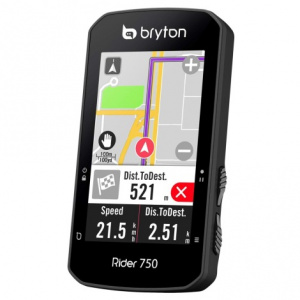
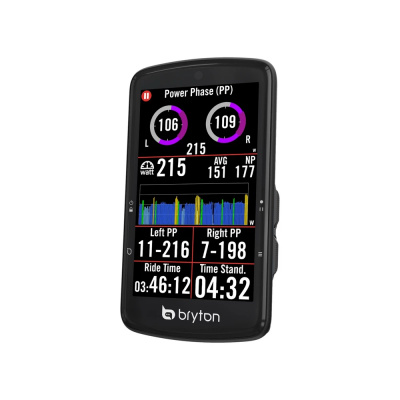
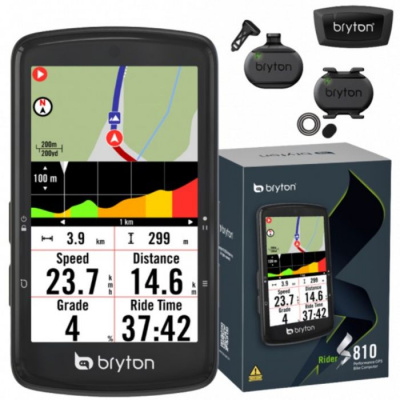
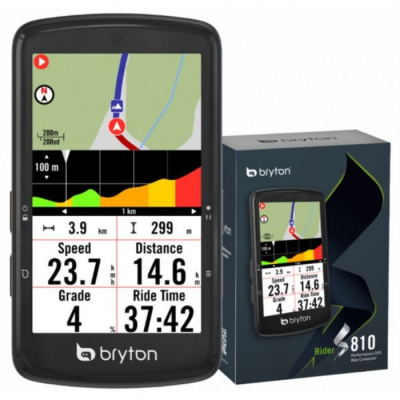
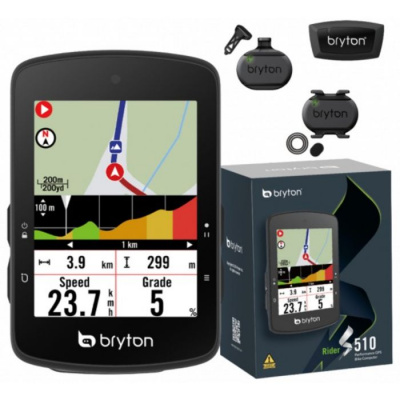
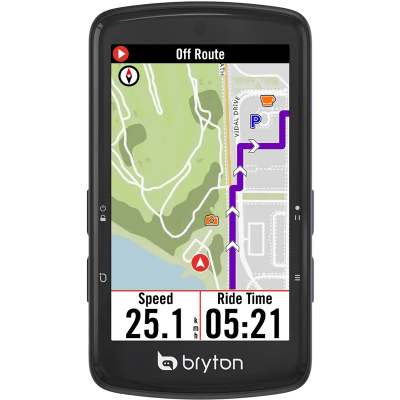
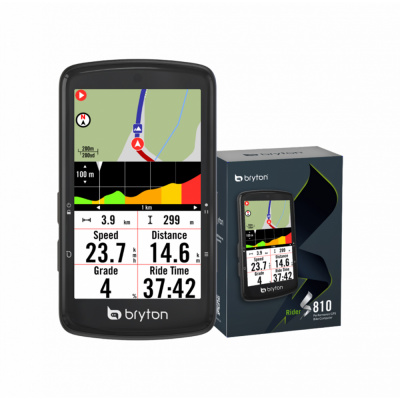
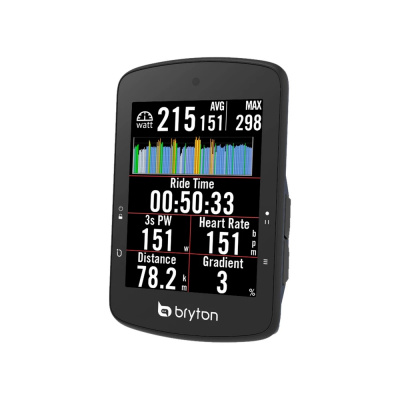
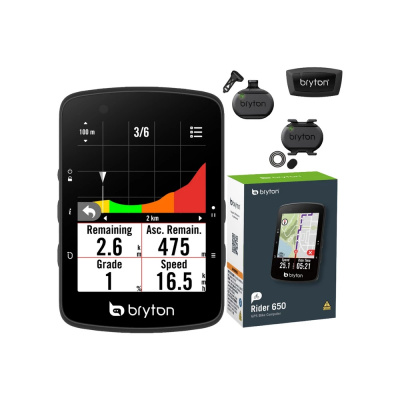
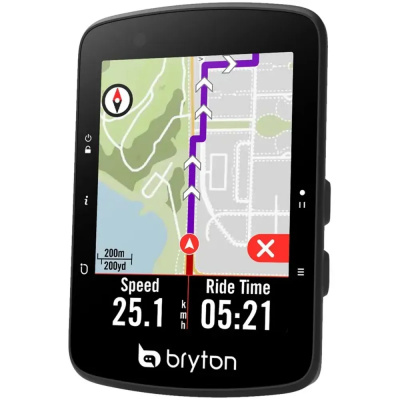
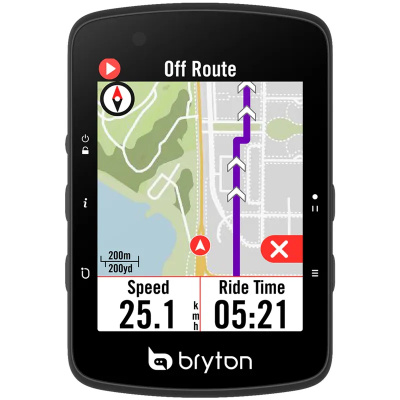
Bryton GPS computers sit in a curious place in the market: genuinely capable head units that don't ask you to remortgage the bike to afford them. The Rider series covers everything from entry-level data logging to full turn-by-turn navigation with multi-system GNSS, dual ANT+/Bluetooth BLE sensor support, and battery life that puts several well-known rivals to shame. If you're riding audaxes, multi-day routes, or simply can't face charging your computer every other evening, that runtime alone is worth your attention.
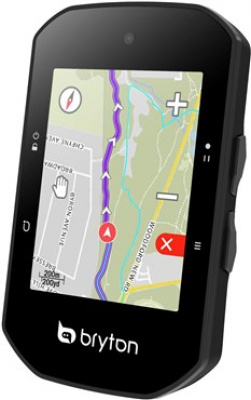
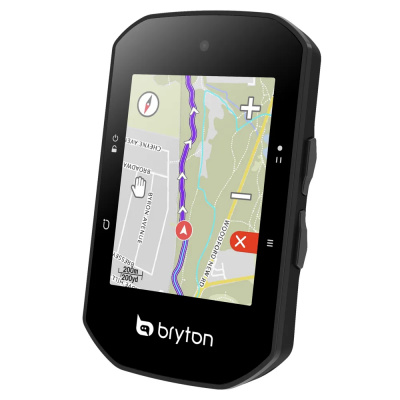
The range spans compact, button-operated units suited to riders who want clean metrics without fuss, right through to touchscreen models like the S500 and S800 for those who prefer swiping through data pages the way you would a phone. All of them connect to the Bryton Active App, which handles route planning, sensor pairing, and auto-sync to third-party platforms without requiring you to wrestle with menus on a two-inch screen in a car park at 7am. IPX7 waterproofing is standard across the core range, which matters far more in Britain than the brochures let on - a sudden soaking on the Pennines or persistent spray off the A-roads in November won't trouble any of them.
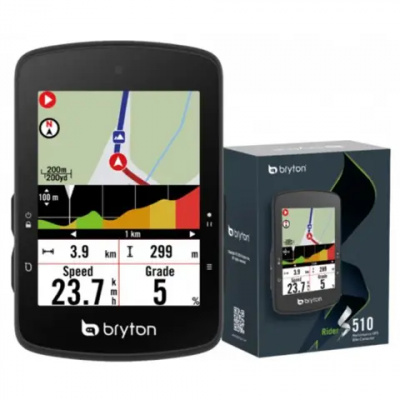
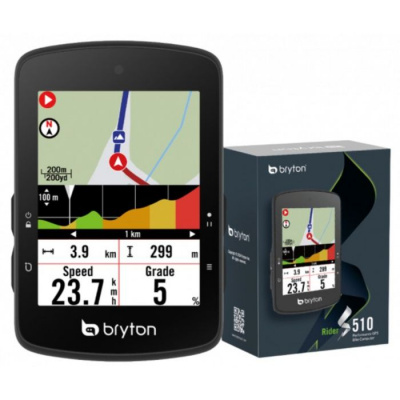
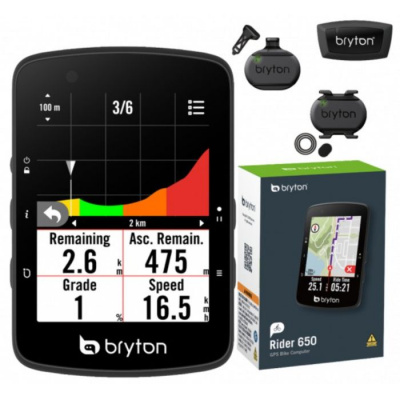
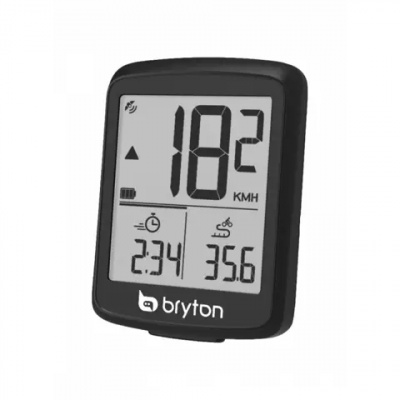
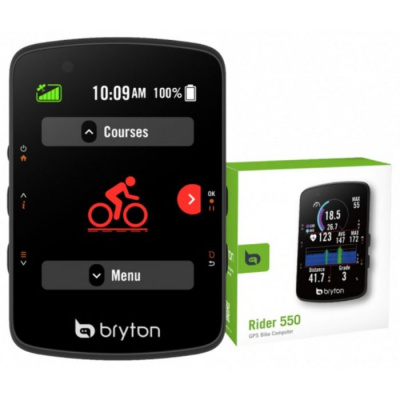
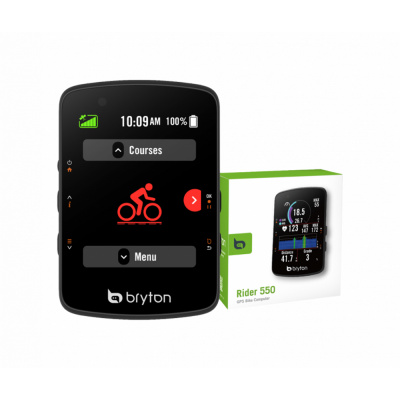
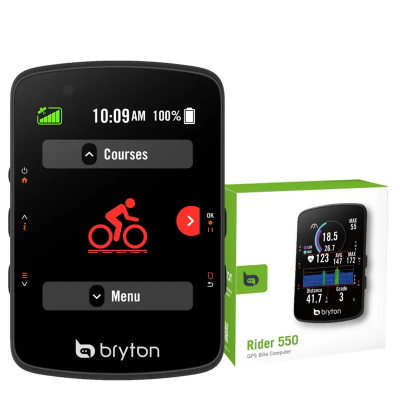
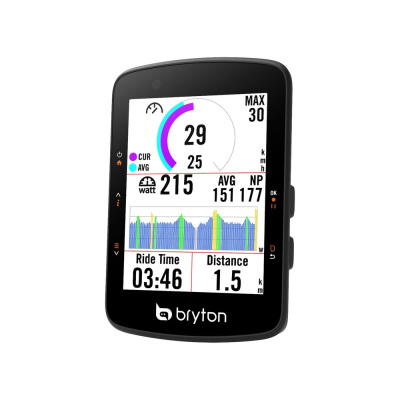
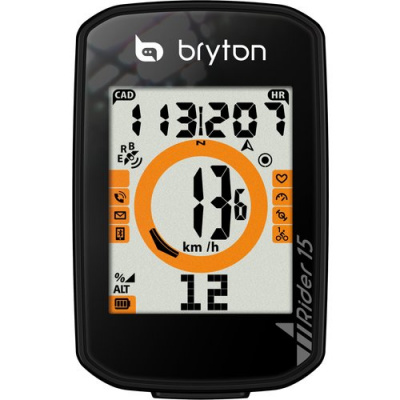
Prices and availability can change quickly. Delivery charges are not always included in listed prices.
Final price, stock status and delivery terms are set by retailer. We may receive a commission on purchases made.
Connectivity, Sensors, and the App Ecosystem
Dual ANT+ and Bluetooth BLE support means your Bryton will talk to virtually any sensor you already own. Power meters, speed and cadence sensors, electronic shifting systems from Shimano Di2 or SRAM eTap - pair them once via the Bryton Active App and the computer remembers the lot. That's genuinely useful when you're swapping the unit between bikes, because you're not re-pairing everything from scratch on the device itself.
The Bryton Active App is where the real workflow lives. Route planning pulls in Komoot data cleanly, and auto-sync covers Strava and TrainingPeaks without any manual file shuffling. Once your accounts are linked, rides upload the moment the computer reconnects to your phone. No cables, no faff. For riders building a structured training block, having Strava and TrainingPeaks talking to each other through one app removes a surprising amount of friction. Compared to what Garmin GPS computers offer through Connect IQ, Bryton's ecosystem is leaner - fewer third-party apps, fewer data fields from niche developers - but the core integrations most riders actually use are all present.
To complete your data ecosystem, pair your head unit with a compatible heart rate monitor. Browse our dedicated Bryton HRM Straps page for reliable biometric tracking.
Battery Life and How It Holds Up in Practice
This is where Bryton GPS computers make their strongest case. The Rider 420 and Rider 750 are both rated beyond 30 hours, with some configurations pushing past 40. Those aren't numbers to dismiss - most comparable Wahoo GPS computers sit noticeably lower, and even premium units from other brands ask you to dial back features to hit similar runtimes.
Real-world figures do drop when you lean on navigation heavily. Running turn-by-turn navigation with the screen at full brightness in direct sunlight costs you time on the clock, as it does on any device. A reasonable working assumption: budget for around 25 - 30 hours of navigation use on models rated at 35-plus hours, and you'll never be caught short. Cold weather is the other variable. British winter rides - anything persistently near freezing - accelerate battery drain across all electronics, and Bryton units aren't immune. That said, the headroom built into these batteries means you're still finishing a long winter sportive with charge to spare, where a rival with a smaller cell might already be flashing warnings.
Screen readability is genuinely good in direct sun on the colour-display models, which isn't always a given at this price. The touchscreens on the S500 and S800 respond acceptably with full-finger gloves, though like most capacitive screens they prefer thin gloves or a bare fingertip for precise input. Button-operated units sidestep that entirely, which is worth considering if your hands rarely see the sun between October and April.
Getting Set Up, Mounting, and Handling UK Weather
Skip configuring data screens on the device. Do it in the Bryton Active App before you leave the house - you can arrange fields, set alert thresholds, and load routes in a couple of minutes on your phone, then let the computer just get on with it. The app's layout is logical enough that most riders won't need to consult a manual, which is not something you can say about every GPS computer on the market.
Bryton's multi-system GNSS pulls from GPS, Glonass, Galileo, Beidou, and QZSS simultaneously. In practice, that means faster satellite acquisition at the start of a ride and more reliable position tracking under heavy tree cover - the kind of dense canopy you get through stretches of the Forest of Dean or on shaded valley lanes in the Lake District where single-constellation units can wander. It won't make navigation infallible, but it's a meaningful improvement over older GPS-only hardware.
IPX7 waterproofing covers submersion up to one metre for thirty minutes, which is well beyond anything British weather will realistically throw at it. Road spray, driving rain on exposed moorland, the occasional puddle splash - none of it is a concern. The rating applies across the core Rider range, so you're not having to seek out a specific model for wet-weather confidence. For comparison, some rivals in this bracket carry only IPX6, which handles jets of water but isn't rated for submersion. It's a small distinction that rarely matters, but Bryton's rating gives you the fuller coverage.
Securing your device correctly is vital for screen visibility and safety. Find out-front and stem options on our Bryton Computer Mounts and Bryton Computer Spares pages.
If you're weighing Bryton against the full field, it's also worth looking at what Hammerhead GPS computers offer at the top end - the Karoo range has a more polished software experience, but costs considerably more and can't match Bryton's battery runtime. For riders who prioritise longevity over screen polish, the maths tends to favour Bryton. Rounding out a longer ride setup, Bryton lights integrate neatly with compatible head units for automatic mode switching, which is a handy detail on unpredictable autumn afternoons.
Bryton Gps Computers FAQs
How do I connect my Bryton computer to Strava?
Open the Bryton Active App, go to Settings, then Auto Sync, and link your Strava account from there. Once connected, every ride uploads to Strava automatically as soon as your computer syncs with your phone - no manual exports needed.
Are Bryton GPS computers fully waterproof?
Core Rider models carry an IPX7 rating, meaning they're tested for submersion up to one metre for thirty minutes. Heavy British downpours, persistent road spray, and damp winter commutes are well within spec. It's a more thorough rating than the IPX6 found on some rivals.
How long does the battery last on a Bryton Rider?
Most core models run between 30 and 40 hours on a single charge. Expect that to trim back to roughly 25 - 30 hours with full navigation and bright screen settings active. Cold weather accelerates drain, but even in winter the headroom is generous compared to many competitors.