
Favero Power Meters
Favero Power Meters have earned their reputation as the go-to pedal-based option for riders who want lab-grade accuracy without a lab-grade installation headache. The Assioma range centres on the IAV Power system, which measures force directly in the pedal spindle and delivers ±1% accuracy across your full pedal stroke. That matters whether you're pacing yourself through a lumpy sportive in the Cotswolds or holding a precise wattage target on a Tuesday night club run.
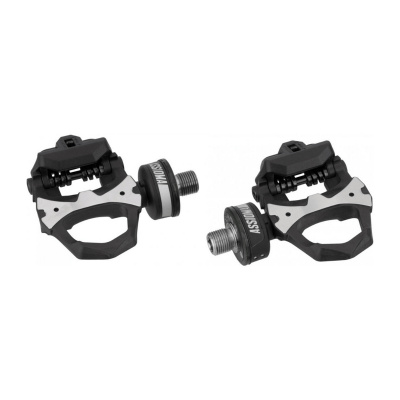
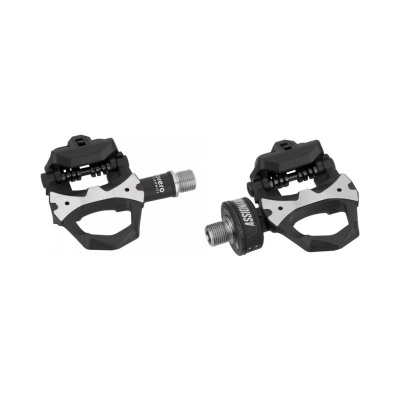
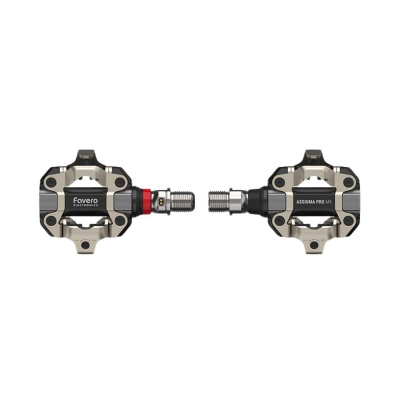
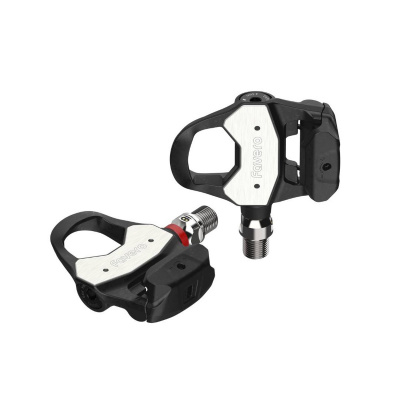
The case for going pedal-based is simple: the sensors live in the spindle, so swapping them between your race bike and your winter trainer takes under two minutes and an 8mm hex key. No crank arms to remove, no spider installations to wrestle with. Fit them, set your crank length in the app, and you're done. The electronics are sealed in a resin block behind an IP67 waterproof rating, so British road spray and standing water aren't a concern. Active Temperature Compensation keeps readings honest when you roll out of a warm garage into freezing January air. If you're weighing up the Favero Assioma Duo vs Uno decision, both share the same core platform - the choice really comes down to whether you want bilateral data or a lighter price of entry.
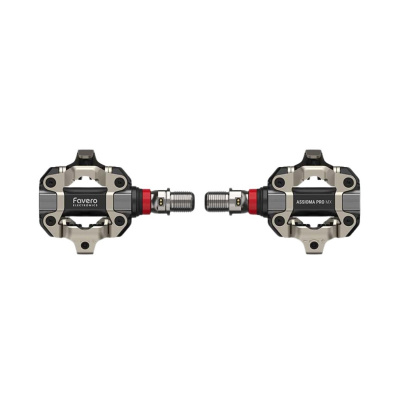
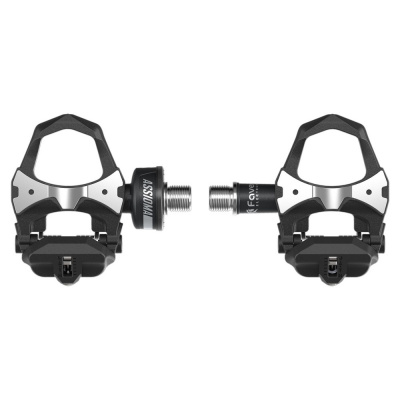
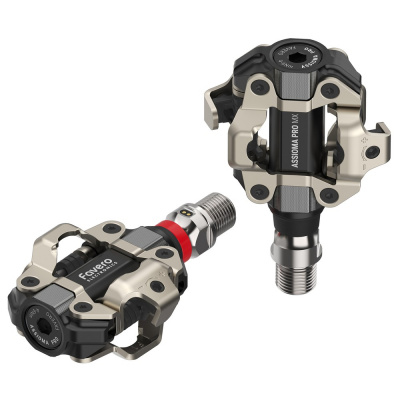
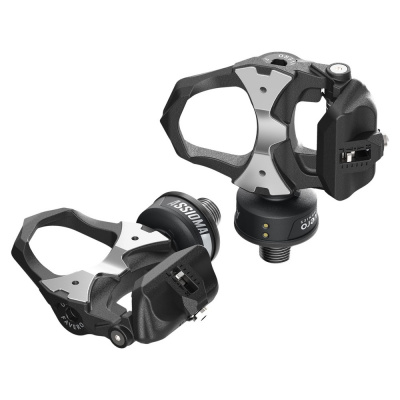
Prices and availability can change quickly. Delivery charges are not always included in listed prices.
Final price, stock status and delivery terms are set by retailer. We may receive a commission on purchases made.
Connectivity and Cycling Dynamics
Favero Assioma pedals broadcast simultaneously over ANT+ and Bluetooth Smart, which means you're covered regardless of which head unit is on your bars. Garmin, Wahoo and Hammerhead all pair instantly via the ANT+ PWR profile; Bluetooth v4.0 handles direct connection to your phone or a second device running an app like Zwift or TrainerRoad. No adapter dongles, no fiddling with priority settings mid-ride. Both channels stay active at the same time, so your indoor trainer app and your Garmin can read the same power figure concurrently.
Where the Assioma platform goes further than basic wattage is in its IAV Cycling Dynamics suite. The integrated gyroscope tracks Left/Right power balance, Torque Effectiveness, and Pedal Smoothness in real time - metrics that used to require a fitting studio visit. If you've ever wondered whether one leg is doing more of the work on long climbs, or whether your pedal stroke loses efficiency when fatigue sets in, these figures give you something concrete to act on. Compatible head units and apps display the data natively, and the Favero app lets you dig into the detail post-ride. For riders already invested in a Garmin power meter ecosystem, the Assioma's full Cycling Dynamics compatibility means the transition is seamless.
Battery Life and Ride-Ready Reliability
The integrated rechargeable lithium-ion battery is one of the most practical things about the Assioma system. Fifty hours of actual ride time per charge is the headline figure - and unlike coin-cell systems that degrade with every replacement, the sealed unit doesn't invite water ingress or stripped battery caps. Charging is via a proprietary magnetic USB cable that clicks onto the pod housing with no threading involved. Top it up overnight, and you're good for several weeks of regular riding before you need to think about it again.
Favero power meter battery life holds up consistently in real-world use because there's no mechanical contact to corrode or wear. The magnetic charger is the one accessory worth keeping a spare of, particularly if you're heading to a training camp - it won't fit a generic cable. For day-to-day UK riding, the 50-hour figure means most riders charge once a month at most.
Active Temperature Compensation is worth understanding rather than glossing over. Power meters that lack ATC can drift several watts when the ambient temperature swings sharply - a genuine issue when you leave a warm café stop and head back into a cold Yorkshire dale. The Assioma's ATC adjusts the calibration reference automatically, keeping your numbers consistent across the ride rather than inflated or suppressed by temperature shift. Riders comparing options against a Stages power meter will find the temperature handling particularly relevant for winter training blocks.
Getting Set Up and Staying Watertight
Installation is genuinely straightforward. Thread the spindles into your crank arms (standard 9/16" thread), torque to the specified value, connect the pod wire, and you're most of the way there. The step riders most often skip is entering their exact crank length in both the head unit and the Favero app before the first ride - get that wrong and your power figures will be consistently off. Do a few hard efforts out of the saddle on the first outing to fully settle the threads, then perform your first zero-offset calibration. After that, a manual zero-offset before each ride is all the maintenance the system needs.
Setting up Favero Assioma pedals takes around ten minutes the first time; subsequent bikes take two. The Favero app handles firmware updates, calibration, and data review in one place, and it's cleaner than most cycling apps you'll use. For riders coming from a Look-based cleat system, the standard Assioma Duo and Uno use Look Keo cleats directly. If you're on Shimano SPD-SL - Ultegra or XT pedal bodies, for instance - Favero Assioma Shimano compatibility is handled through the DUO-Shi spindles, which drop into compatible Shimano pedal bodies and let you keep the cleat standard you're already used to.
The IP67 rating means the electronics are fully sealed - not just splash-resistant. Deep puddles, pressure washing the bike, riding through prolonged downpours on the A roads around Manchester in October: none of it should trouble the sensor pods. The resin encapsulation isn't a coating; it's a complete enclosure. That puts Favero ahead of some competitors that rely on gaskets and seals which can degrade over time. Riders looking at Look power meters or Wahoo power meters will find the IP67 standard a meaningful differentiator for year-round UK use.
If you need replacement pedal bodies, bearings, or magnetic chargers to keep your setup running smoothly, check out our dedicated Favero Pedal Spares and Favero Power Meter Spares pages.
Favero Power Meters FAQs
How long does the Favero Assioma battery last?
The Assioma delivers up to 50 hours of ride time on a single charge. The battery is fully sealed inside the pod - no coin cells to replace. Charging is via the magnetic USB cable, and a full charge typically takes around two and a half hours. For most UK riders, that means charging once every few weeks.
Are Favero Assioma pedals compatible with Shimano?
Yes. The standard Assioma Uno and Duo use Look Keo cleats. If you ride Shimano SPD-SL, the Assioma DUO-Shi uses replacement spindles that fit into compatible Shimano pedal bodies - including Ultegra and XT - so you keep your existing cleat stack without compromise.
How do I calibrate my Favero Assioma power meter?
Perform a zero-offset before every ride. Stand your bike upright, position the cranks vertically, make sure your shoes are unclipped and no weight is on the pedals, then trigger the calibration from your head unit or the Favero app. The process takes around five seconds and keeps readings accurate across changing conditions.