
Garmin Power Meters
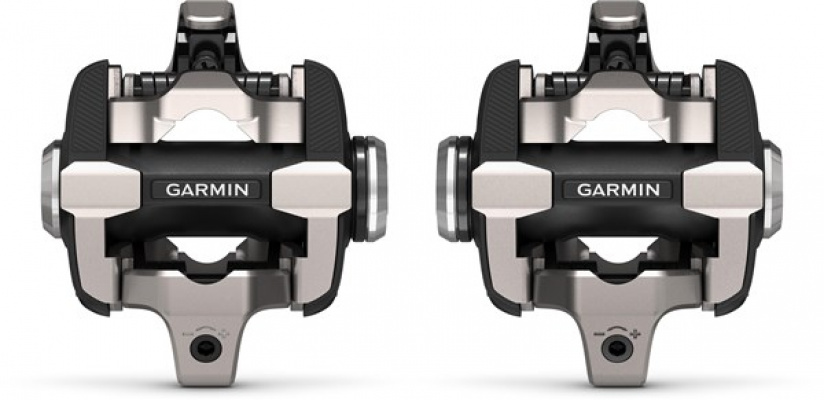
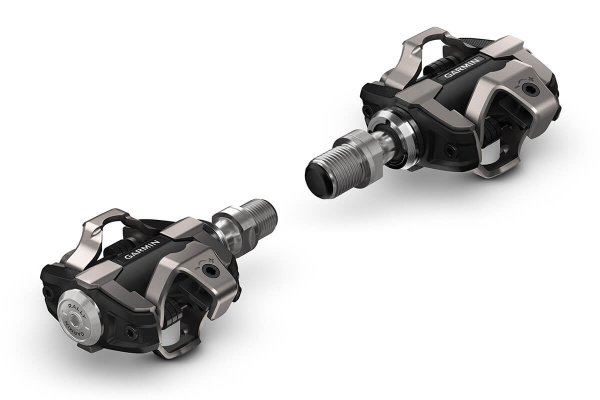
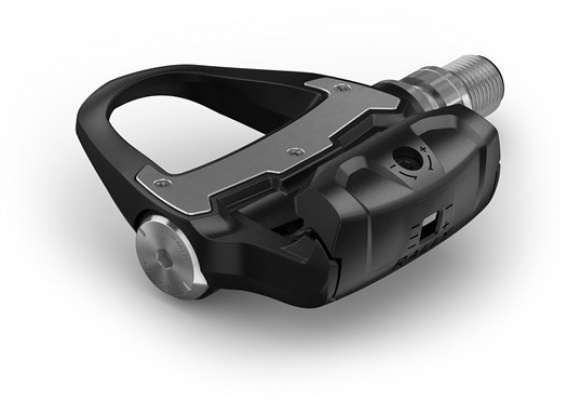
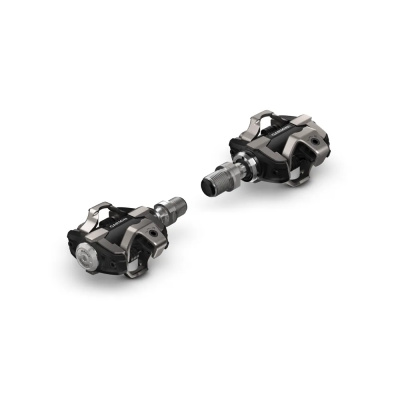
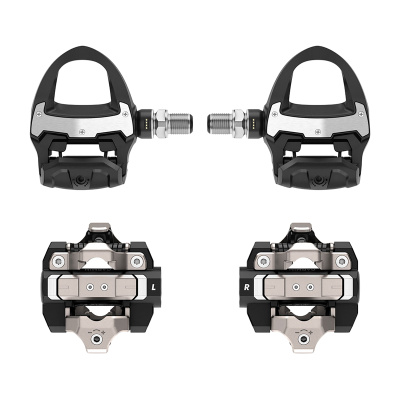
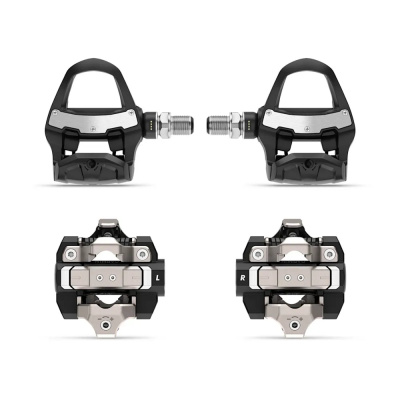
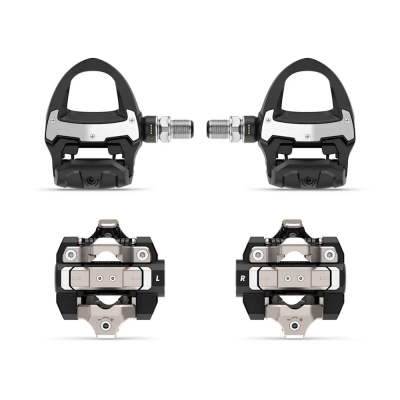
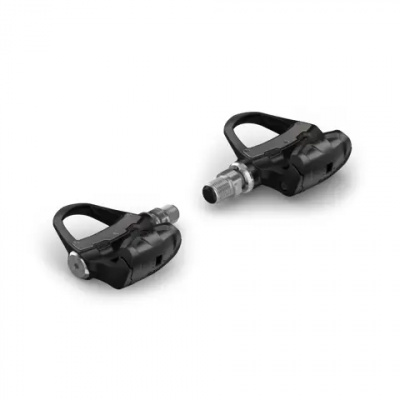
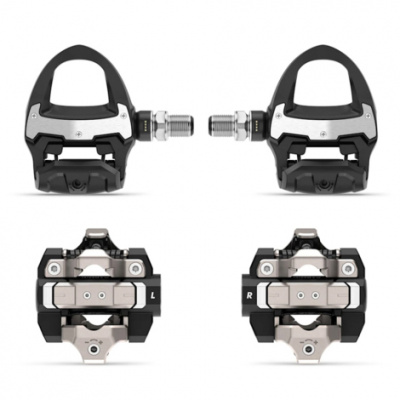
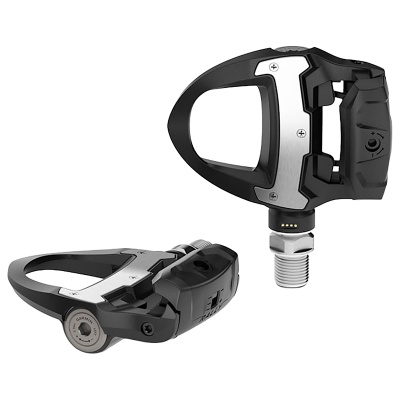
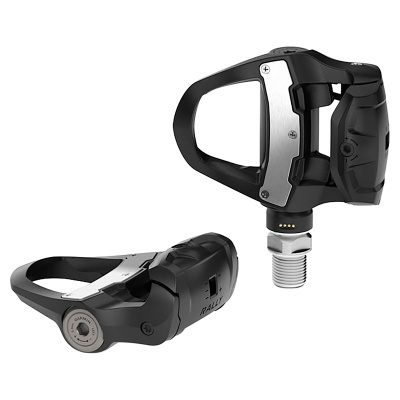
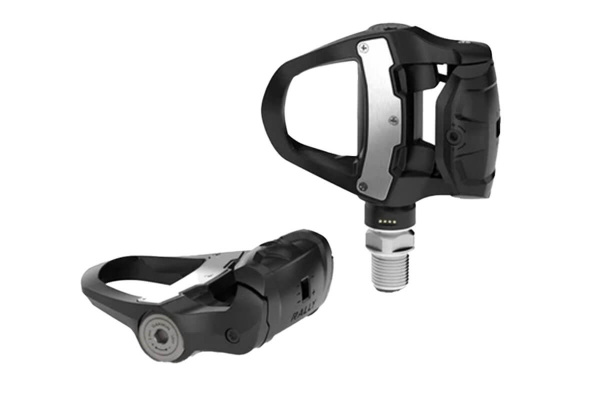
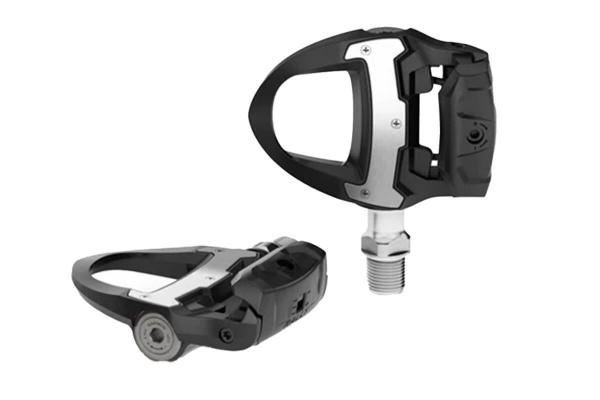
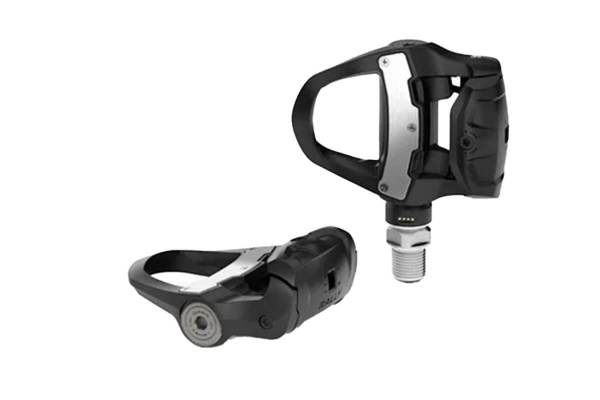
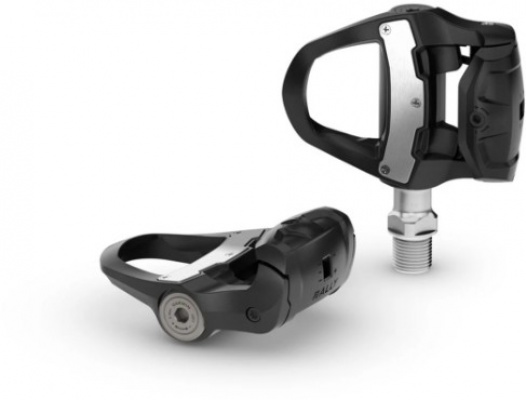
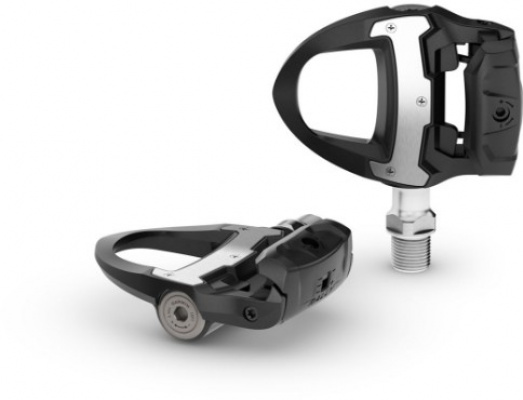
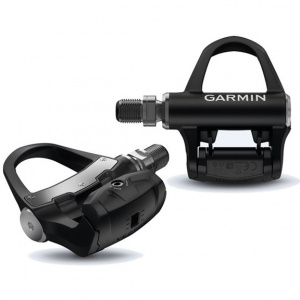
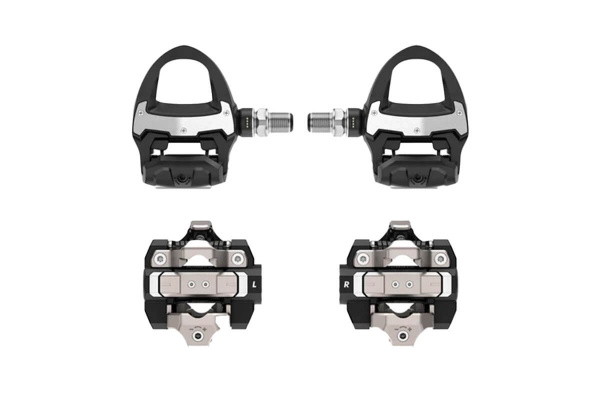
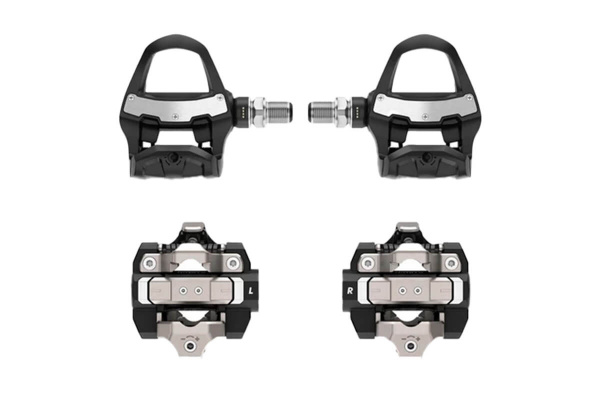
Garmin power meters are built around one genuinely clever idea: put all the measurement tech inside the spindle, and the rest of the pedal becomes interchangeable. The Rally system is the heart of Garmin's power meter range, available in single-sided 100 series and dual-sensing 200 series versions. Single-sided suits riders who want accurate, affordable wattage data without the full analytical picture. Dual-sided gives you left-right balance and the complete Cycling Dynamics breakdown - useful if you're chasing efficiency gains or working through an injury that's affecting your pedal stroke.
Accuracy sits at +/- 1%, which puts Rally on level terms with the best crank-based options. Both versions transmit via ANT+ and Bluetooth simultaneously, so they'll talk to your Garmin Edge, a Fenix watch, or a tablet running Zwift without any fiddling. IPX7 waterproofing means British winter riding - the kind where the road spray never really stops - isn't a concern. And because the spindle carries the tech, moving your power meter between your training bike and race bike takes a pedal wrench and about five minutes. For riders running multiple builds, that transferability alone makes the Rally a strong choice.
Prices and availability can change quickly. Delivery charges are not always included in listed prices.
Final price, stock status and delivery terms are set by retailer. We may receive a commission on purchases made.
ANT+, Bluetooth, and Getting the Most from Garmin Connect
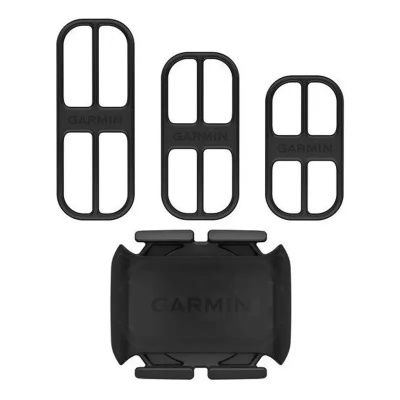
Rally pedals broadcast on both ANT+ and Bluetooth simultaneously - you don't have to choose, and you don't have to re-pair when you switch between devices. Spin up the cranks before a ride and your Garmin Edge computer picks them up automatically. The same signal reaches a Garmin Fenix or Forerunner watch on your wrist, or a phone running Zwift on the turbo. That dual-protocol setup is genuinely practical rather than a spec-sheet tick.
Where the 200 series pulls ahead is Cycling Dynamics. This is data that goes well beyond raw watts: left-right power balance, time spent seated versus standing, power phase (the arc of your pedal stroke where you're actually producing force), and peak power phase angle. All of it flows into Garmin Connect, where you can track trends over weeks and months. It's the kind of information a coach would previously have needed a lab session to gather. For riders training with structure - or anyone trying to identify why one leg always fades on long climbs out of the Peak District - it's worth having.
If you're already invested in the Garmin ecosystem, integration is seamless. If you're coming from a different head unit, ANT+ keeps your options open. Rival options like Wahoo power meters and Stages power meters share the same protocols, but neither offers the same depth of Cycling Dynamics data feeding directly into a matched platform.
Battery Life in Practice - and Why Your Choice of Cell Matters
Garmin quotes up to 120 hours of ride time per battery change. In warm conditions and with normal usage, that figure is realistic. The Rally uses either two LR44/SR44 batteries or a single CR1/3N lithium cell per pedal - and this is where it's worth paying attention. Alkaline LR44 cells suffer noticeable voltage drops when the temperature falls, which in a UK winter means false low-battery warnings mid-ride or, worse, unexpected dropouts on a long sportive day in the Brecon Beacons. Switch to CR1/3N lithium batteries and cold-weather performance is significantly more reliable. It's a small detail that makes a real difference between October and March.
The +/- 1% accuracy claim holds up across varying conditions because Rally uses temperature compensation - the system adjusts its calibration as the spindle temperature changes during a ride. You're not getting skewed numbers just because it was cold at the start and you've warmed up an hour in. That's important for any rider using power data to pace efforts accurately rather than just as a rough guide.
Pairing Rally data with a Garmin HRM strap lets you cross-reference heart rate and power in Garmin Connect, which adds another layer to understanding your fitness and fatigue - particularly useful during block training through the winter months.
Installing Rally Pedals and Keeping Them Road-Ready
Installation is straightforward. Rally pedals go in with a standard 15mm pedal wrench - no specialist tools, no adapters. Left pedal is reverse-threaded as normal, so the usual rule applies: righty-tighty on the right, lefty-tighty on the left. Where people occasionally go wrong is under-torquing: Garmin specifies a torque value, and hitting it properly matters for accurate readings. A torque wrench is the sensible call, especially if you're swapping pedals between bikes regularly.
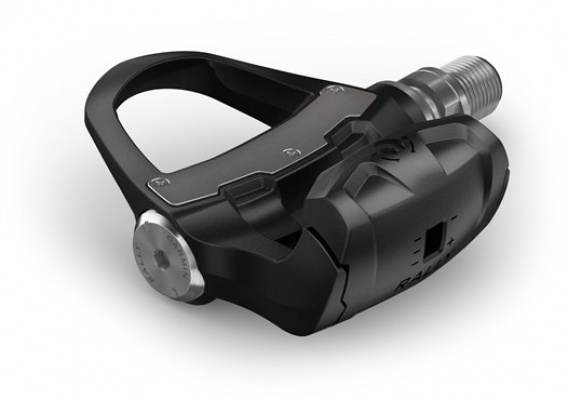
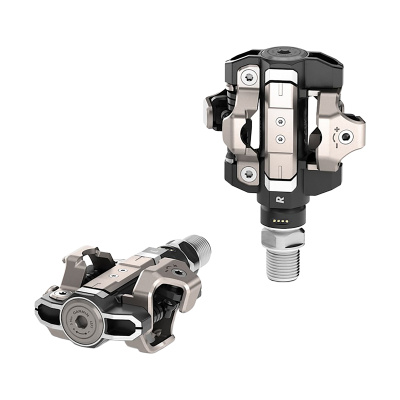
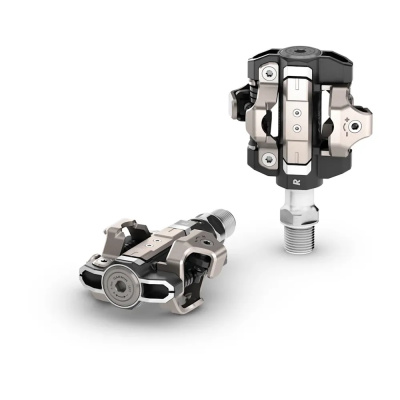
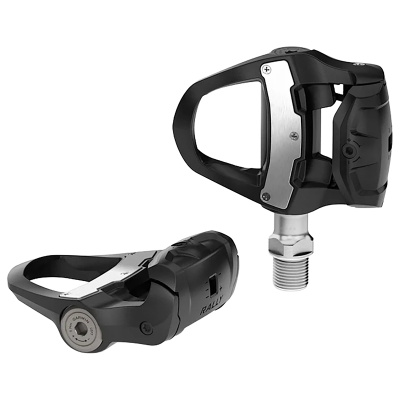
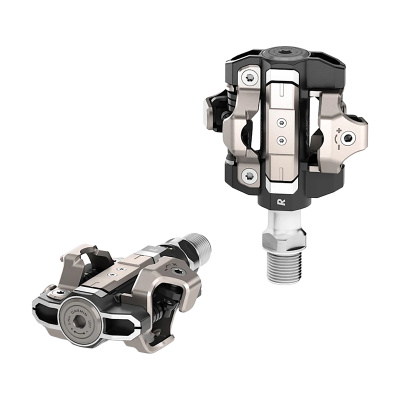
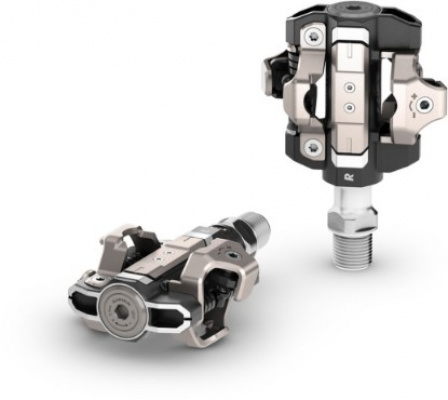
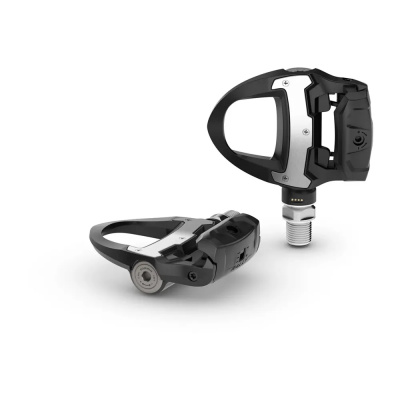
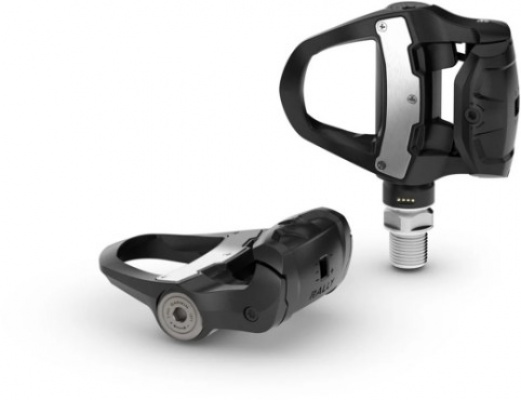
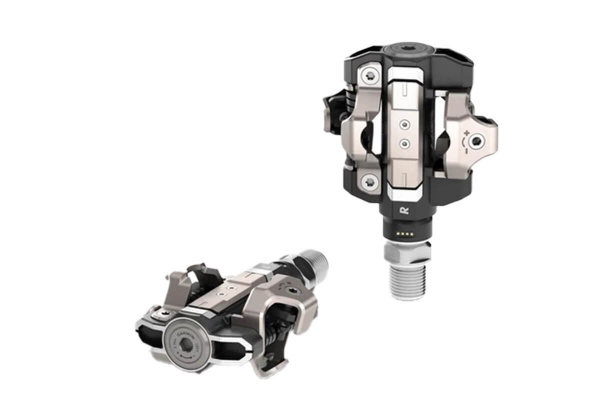
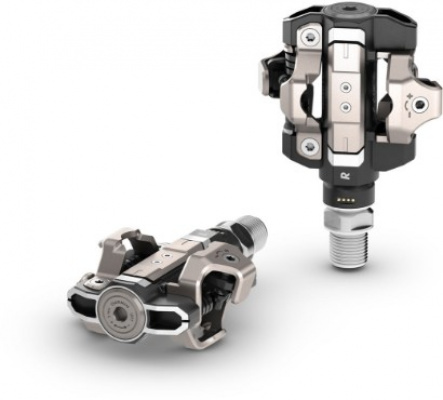
The modular spindle design is one of Rally's most practical features. The power-measuring unit stays in the spindle, and conversion kits let you swap between Shimano SPD-SL (RS), Look Keo (RK), and off-road Shimano SPD (XC) pedal bodies. One set of spindles can follow you across your road bike, gravel bike, and MTB - you're buying new pedal bodies rather than a whole new power meter each time. Against crank-based systems from 4iiii or Favero, that cross-bike flexibility is a genuine differentiator.
IPX7 waterproofing means submersion to one metre for up to 30 minutes - more than enough for riding through standing water or getting caught in a proper Welsh downpour. British road spray and puddle depth aren't a concern. What you should keep on top of is the battery compartment seal: check it's seated correctly after every battery change and you'll have no issues.
For cleat selection and float options across the RS, RK, and XC systems, the Garmin cleats page covers the full range - degrees of float, replacement intervals, and compatibility notes are all there.
Garmin Power Meters FAQs
How do you calibrate a Garmin power meter?
Give the cranks a quick spin to wake the pedals, then find the 'Calibrate' option on your paired Garmin Edge or watch. Do it before every ride with the bike upright and cranks in a vertical position - that's when the zero-offset reading is most accurate. It takes about ten seconds and keeps your data clean.
How long does the battery last on Garmin Rally pedals?
Garmin rates Rally pedals at up to 120 hours per battery change, which is achievable in normal conditions. For UK winter riding, use a single CR1/3N lithium battery per pedal rather than two LR44 alkaline cells. Lithium handles cold temperatures far better - you won't get false low-battery warnings halfway through a frosty morning ride.
Can you change the pedal body on Garmin Rally?
Yes. The spindle - which is where all the measurement tech lives - is modular. Conversion kits let you move between Shimano SPD-SL (RS), Look Keo (RK), and off-road Shimano SPD (XC) pedal bodies. It means one set of spindles can serve across multiple bikes in different cleat systems without buying a completely new power meter.