
Stages Power Meters
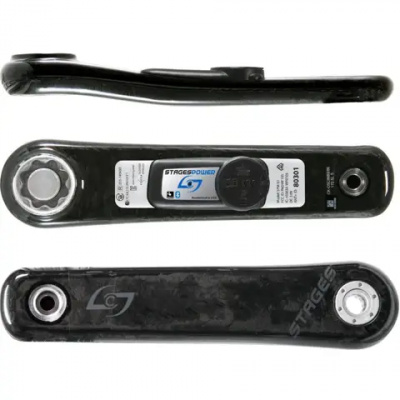
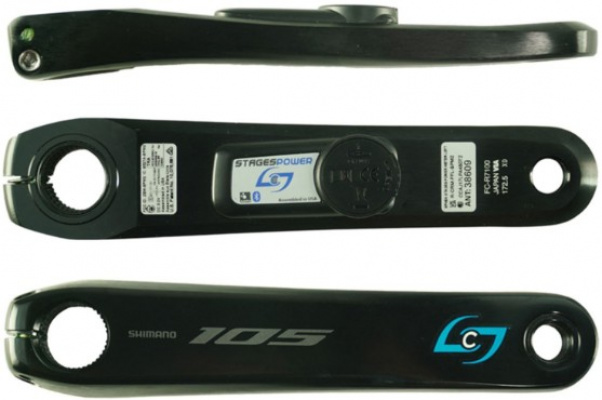
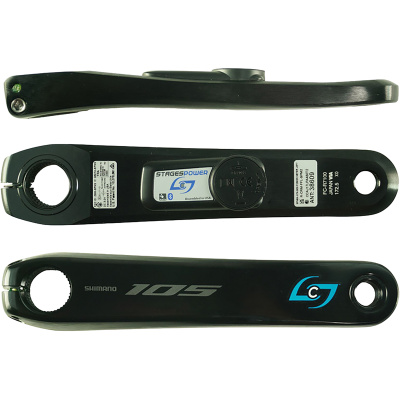
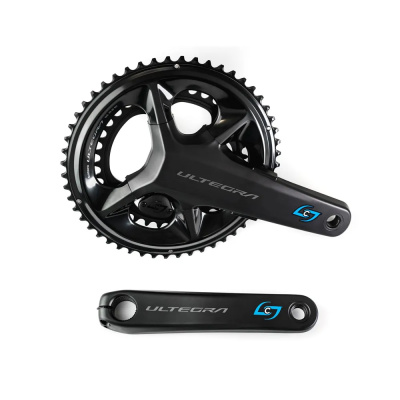
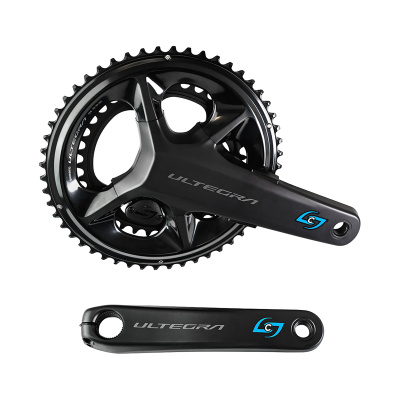
Stages Power Meters turned the idea that power training was only for the pros completely on its head - and they've been refining that accessible, crank-based approach ever since. Whether you're chasing a personal best on a flat sportive or trying to pace yourself sensibly over a long climb without blowing up, knowing your actual wattage changes how you train and race. Stages offers both Stages left sided power meter options and Stages dual sided power meter models, so there's a logical entry point regardless of your budget or ambitions.
Accuracy sits at +/- 1.5% - that's tight enough to trust, and consistent enough to track meaningful fitness changes over a season. The units carry an IPX7 water resistance rating, which matters when you're rolling out of Sheffield on a November morning into horizontal sleet. Active temperature compensation keeps the readings honest when the temperature swings sharply between a warm garage and the cold air outside - a real issue with UK winters that cheaper meters simply ignore. These aren't fragile lab instruments. They're built to live on a bike that actually gets used.
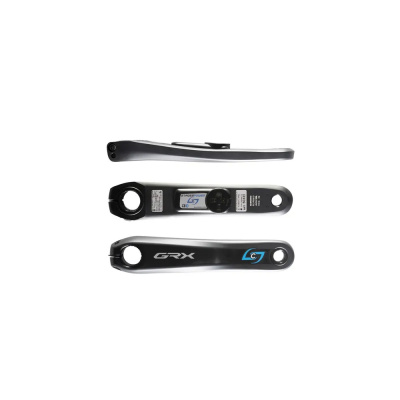
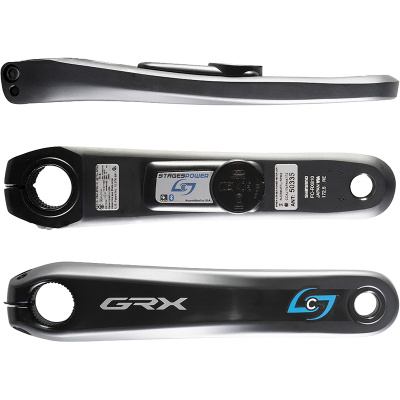
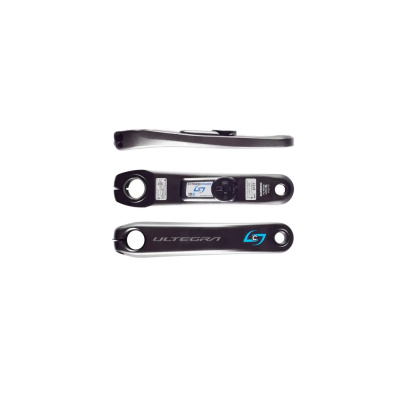
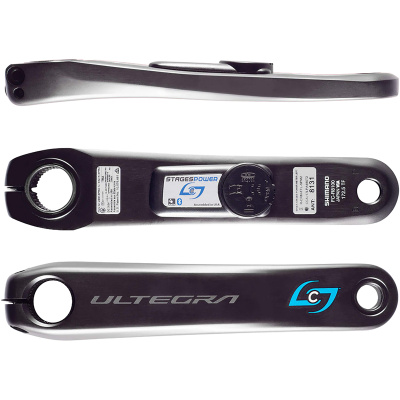
Prices and availability can change quickly. Delivery charges are not always included in listed prices.
Final price, stock status and delivery terms are set by retailer. We may receive a commission on purchases made.
Connectivity and Your Data Ecosystem
Stages power meters broadcast simultaneously over ANT+ and Bluetooth Smart, which means they'll talk to virtually any modern head unit, training app, or smart trainer without fuss. Garmin, Wahoo, Hammerhead - pair once and forget about it. The dual transmission isn't just a spec-sheet bonus; it means you can run your phone via Bluetooth for Zwift while your head unit picks up the ANT+ signal at the same time. No compromises, no choosing.
The Stages Cycling app handles firmware updates and diagnostics from your phone, and it's genuinely straightforward - no laptop required, no hunting through obscure menus. If you want a clean, integrated setup, pairing your meter with Stages GPS Computers keeps everything within one ecosystem, and adding Stages Computer Mounts ties the whole cockpit together neatly. Worth considering if you're building a system from scratch rather than bolting on individual bits.
If connection drops do occur mid-ride, the culprit is almost always a flagging CR2032 battery or firmware that needs updating. Swap the battery, open the app, and nine times out of ten you're sorted.
Accuracy, Temperature, and What 200 Hours Actually Means
The +/- 1.5% accuracy figure is the one that gets quoted most, and it holds up in independent testing. For training purposes - threshold work, VO2 intervals, long aerobic rides - that margin is genuinely negligible. You're not going to be misled by it.
What's less often discussed is how much active temperature compensation matters for British riding specifically. Strain gauges bonded to a crank arm are sensitive to temperature changes; as metal expands and contracts, uncorrected meters can drift noticeably. ATC continuously corrects for this, so the reading you get on a damp Welsh morning after stepping out of a warm café is the same calibre of data you'd get mid-summer. That's not a trivial detail if you're tracking fitness trends over months.
Battery life comes in at over 200 hours on a single CR2032 - a coin cell you can buy at any supermarket or petrol station for a pound or two. No proprietary charging cables, no remembering to plug it in the night before a big ride. When it does eventually need replacing, it takes about thirty seconds. That's a genuine practical advantage over rechargeable competitors, particularly when you're travelling or away at a training camp.
Compared with alternatives like 4iiii Power Meters - which take a broadly similar left-arm approach - Stages tends to offer slightly broader crank compatibility and the benefit of a more developed app ecosystem. Favero Power Meters go the pedal-based route if you swap bikes regularly, which is a different trade-off worth considering.
Fitting It to Your Bike and Keeping It There
Left-sided Stages models replace your existing non-drive crank arm - the one without the chainrings. It's a direct swap, but do use a torque wrench to set the preload correctly on the crank bolt. Under-torque it and you'll get creaking or movement; over-torque and you risk damage. The spec is printed in the manual and also available in the Stages Cycling app. Get it right once and you won't need to touch it again.
The IPX7 rating means the unit can be submerged in up to a metre of water for thirty minutes - more than enough for any road spray, power-wash, or British downpour you'll realistically encounter. The battery door seal is designed to keep grit and moisture out during winter grit-road riding, which is exactly the kind of sustained damp exposure that causes problems with lesser units. You don't need to bubble-wrap it or avoid bad weather; just ride.
Dual-sided models add a right-side pod to give you true left/right power balance - useful if you're coming back from an injury, working with a coach on pedalling mechanics, or simply want the complete picture. They cost more, and for most riders training to a number rather than analysing technique, the left-sided option is entirely sufficient. If you're undecided, Garmin Power Meters and Quarq Power Meters offer their own takes on dual-sided measurement at varying price points - worth a comparison if balance data is a priority for you.
One thing to know before you buy: check your crank arm length and bottom bracket standard against Stages' compatibility list. Most modern road and gravel cranks are covered, but it's worth five minutes of checking rather than an awkward return.
Stages Power Meters FAQs
How do I calibrate my Stages power meter?
Do a zero reset before every ride - either through your head unit's calibration menu or via the Stages Cycling app. Position the crank arm straight down at 6 o'clock, make sure there's no weight on the pedals, then trigger the reset. It takes a few seconds and keeps your readings consistent, especially after temperature changes.
What battery does a Stages power meter use and how long does it last?
Stages power meters run on a standard CR2032 coin cell, rated for around 200 hours of riding. When it needs replacing - no tools required, just unscrew the battery door - you can pick one up at any supermarket. No proprietary cables, no charging routine to manage.
Why is my Stages power meter dropping connection?
Usually it's a low CR2032 battery or firmware that's fallen behind. Swap in a fresh battery first - that fixes it most of the time. If the problem persists, open the Stages Cycling app and check for firmware updates. Outdated firmware is a common cause of unstable ANT+ or Bluetooth Smart connections.