
M Part Pedals
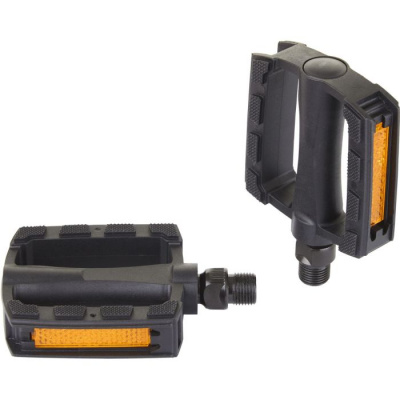
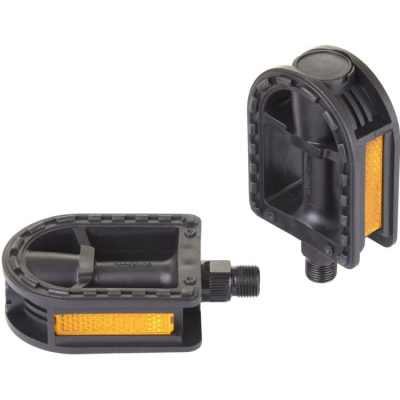
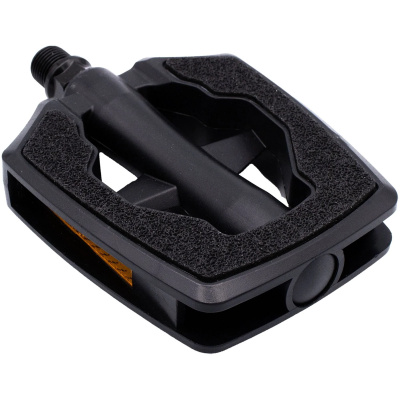
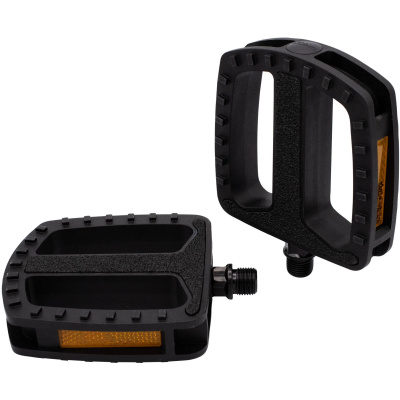
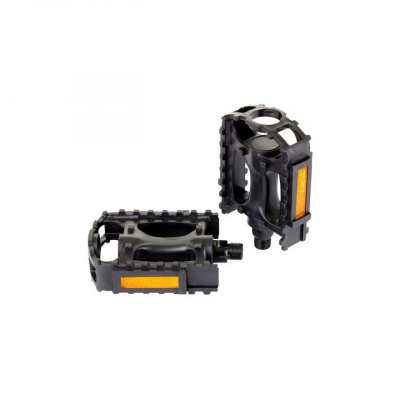
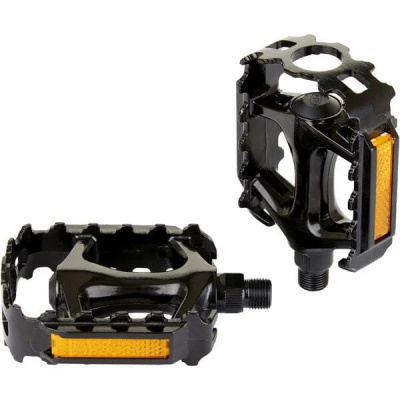
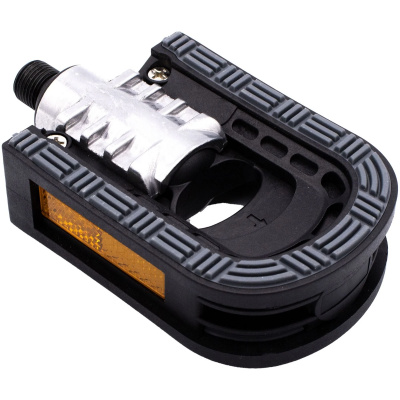
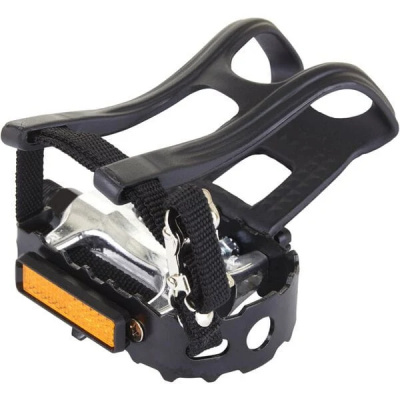
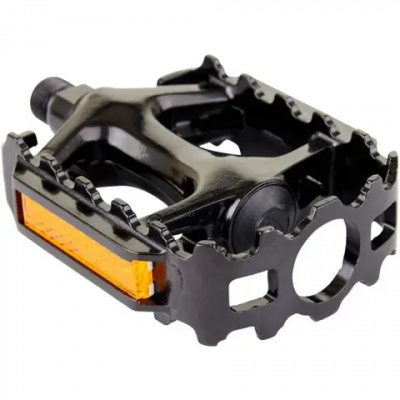
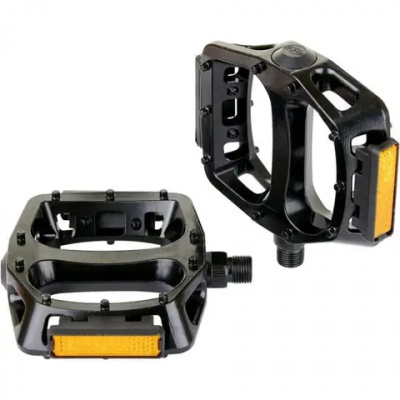
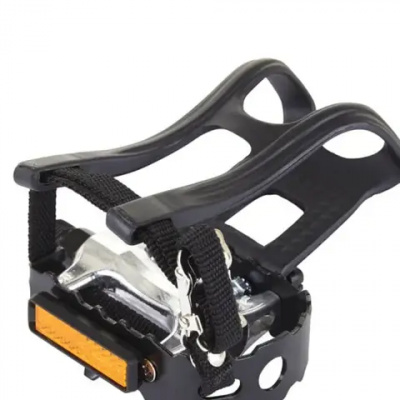
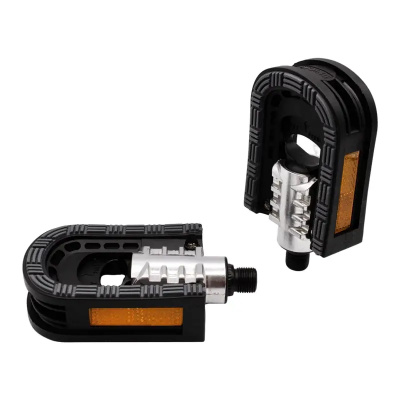
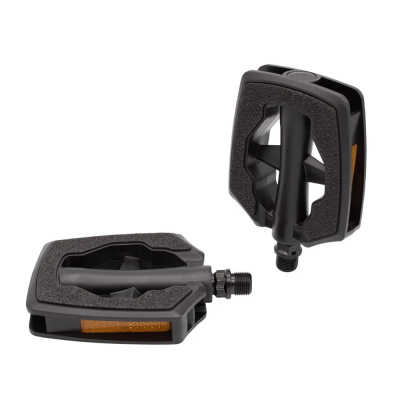
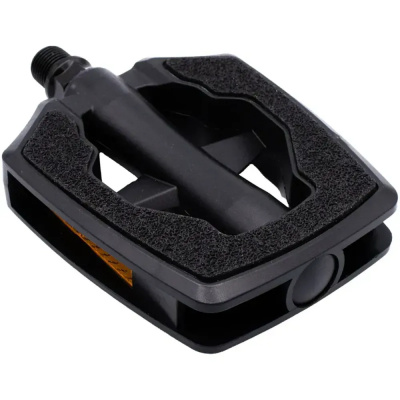
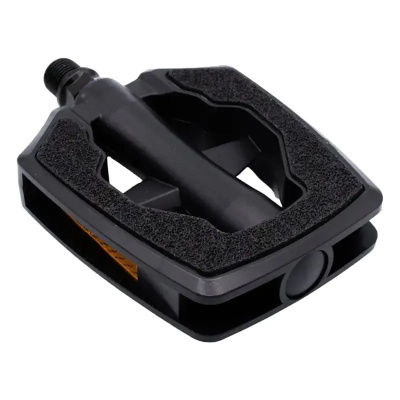
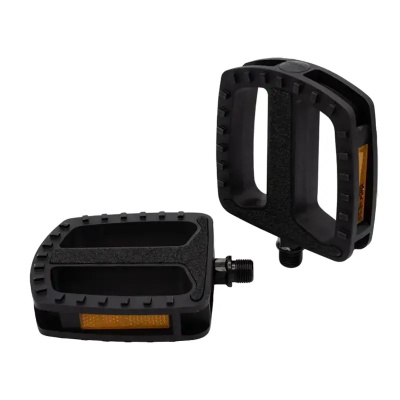
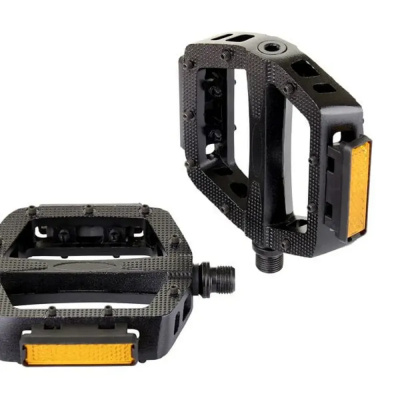
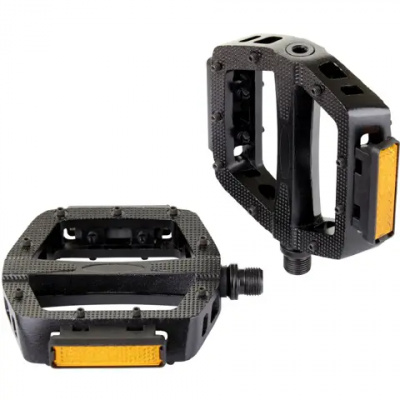
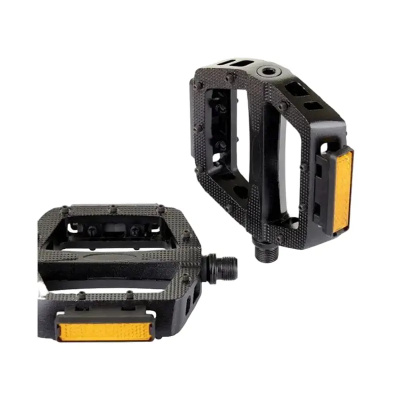
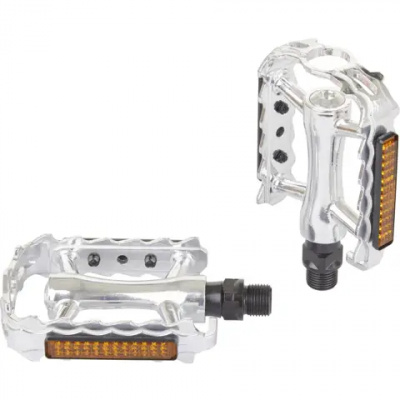
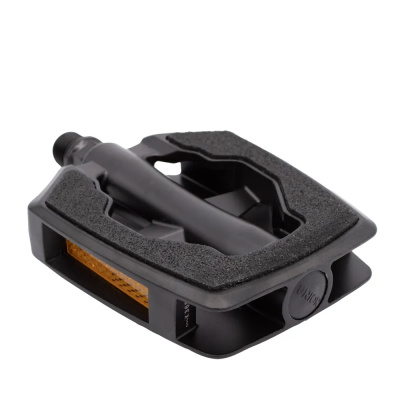
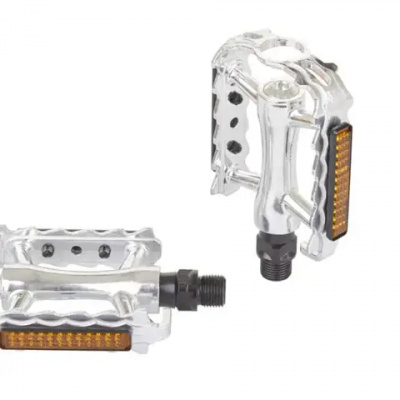
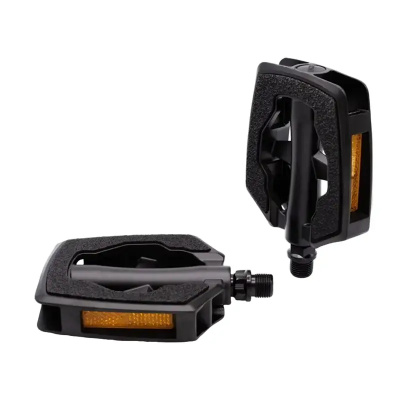
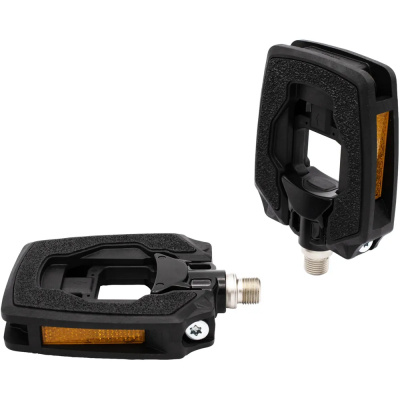
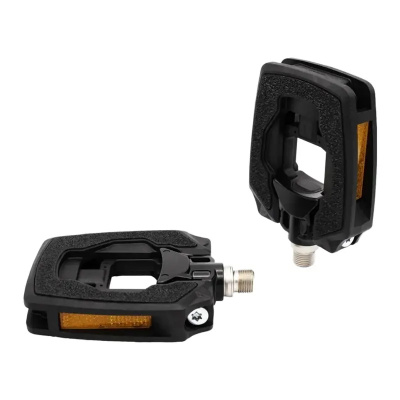
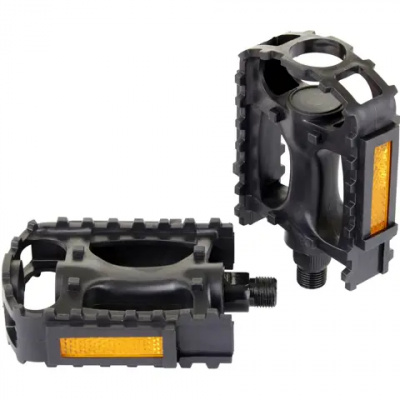
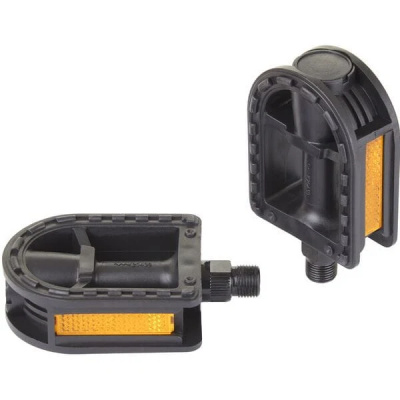
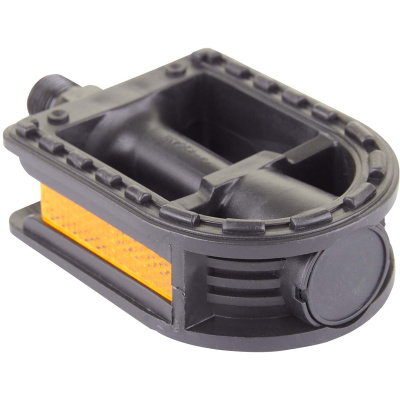
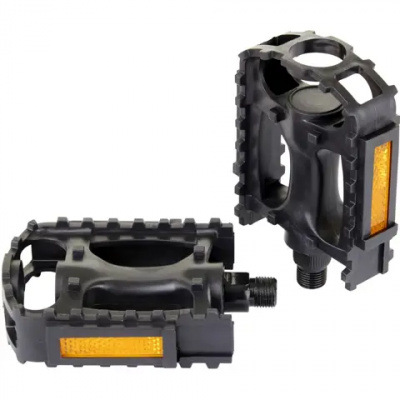
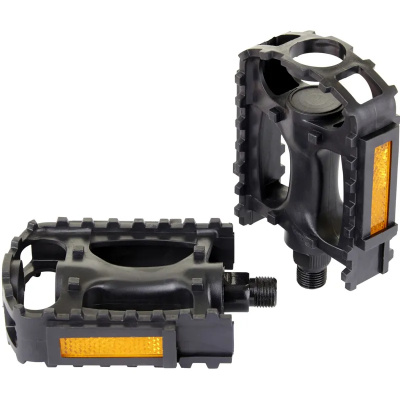
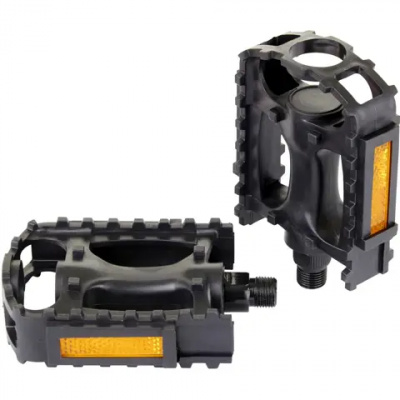
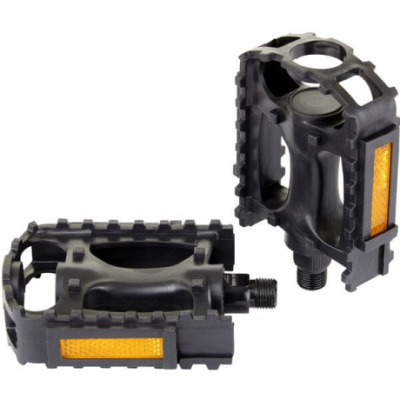
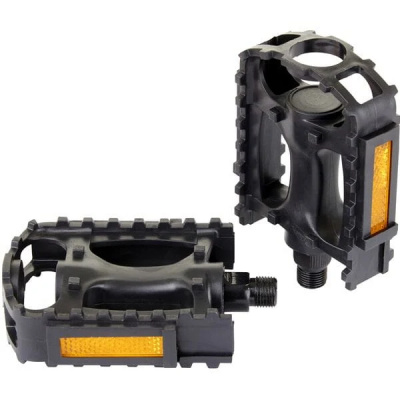
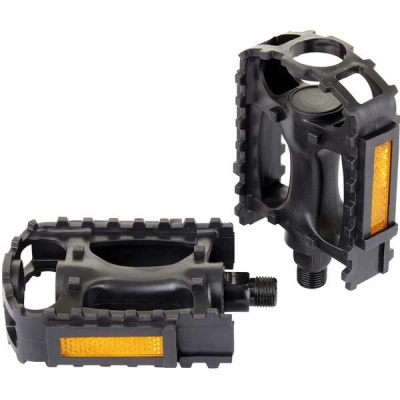
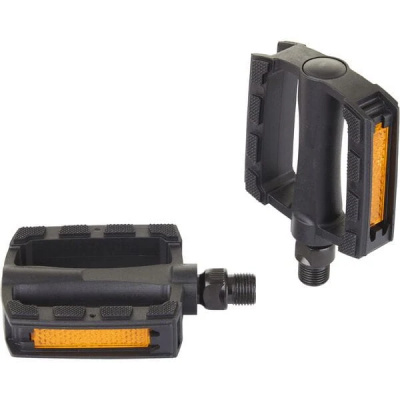
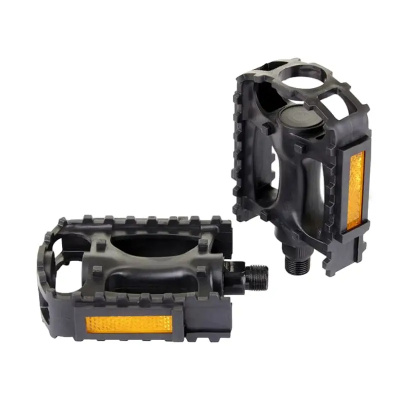
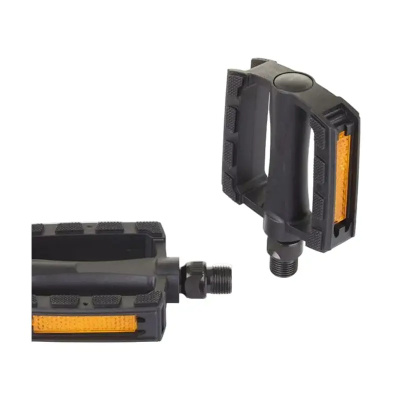
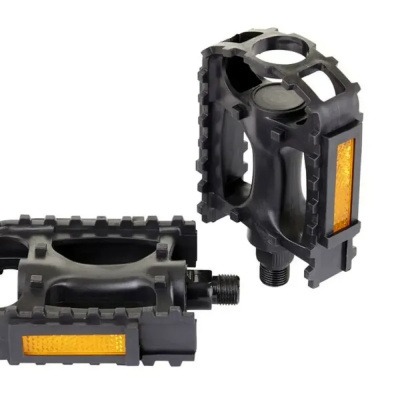
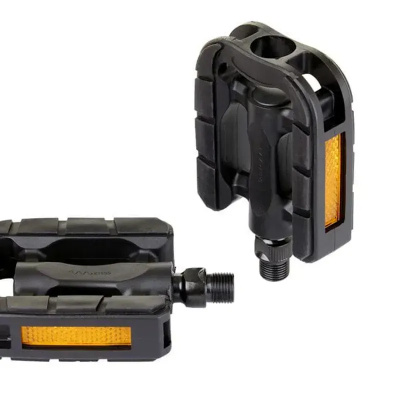
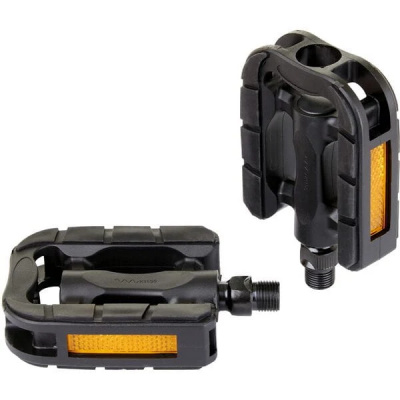
M Part Pedals sit at the sensible end of the upgrade spectrum - not flashy, but dependably solid where it counts. If your stock pedals are creaking, wobbling, or simply giving up after a winter of wet commutes, this is the range worth looking at first. M Part builds around two clear briefs: lightweight high-impact resin flats for everyday city use, and die-cast alloy options for riders who need real grip on muddy, slippery ground. Both lines run on Boron or Chromoly steel axles that handle load without flexing, and the sealed cartridge bearing models in the range are genuinely worth seeking out if you ride through autumn grit and road salt on a regular basis. Integrated reflectors on the commuter models tick the UK road legality box without any extra faff. These are replacement and upgrade pedals that do exactly what they promise - smooth, consistent platform feel, sensible construction, and pricing that doesn't sting. Whether you're clipping into a city hybrid every morning or looking for a dependable flat pedal for trail riding at the weekend, M Part covers both without asking you to compromise on build quality to hit a budget.
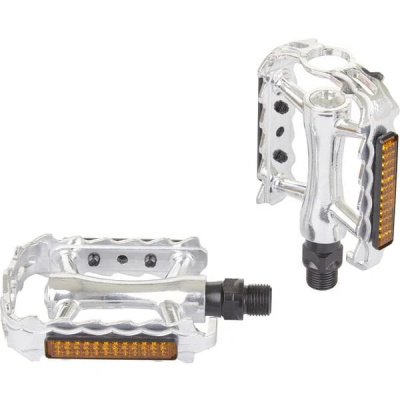
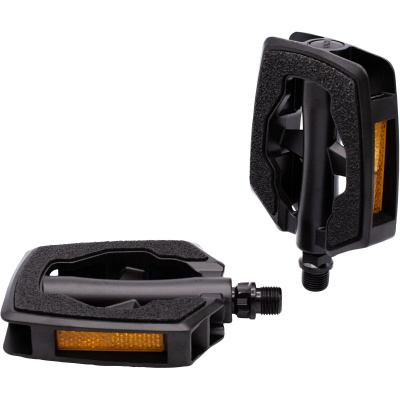
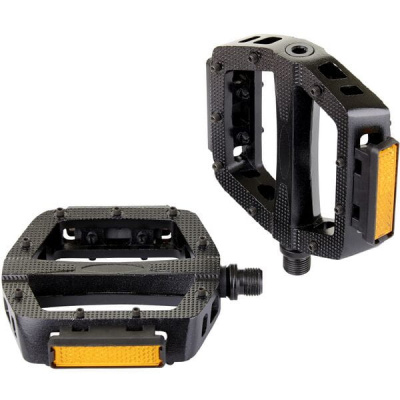
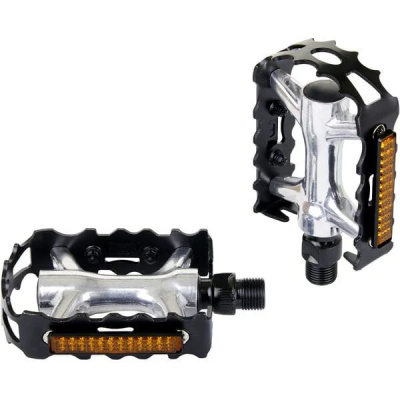
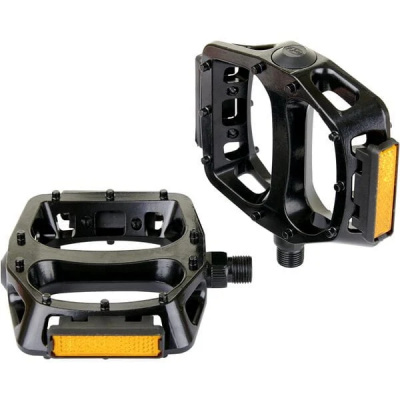
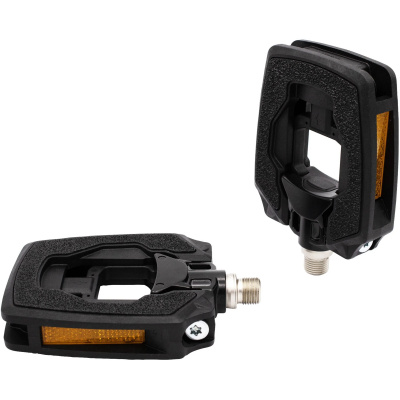
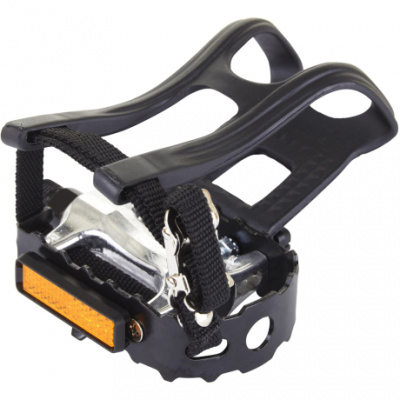
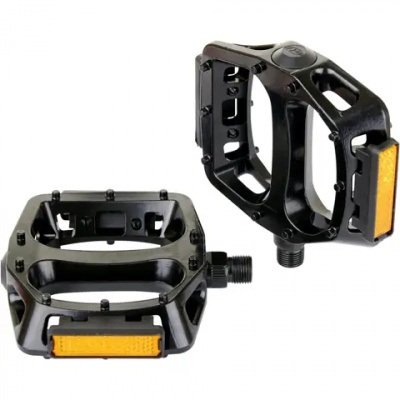
Prices and availability can change quickly. Delivery charges are not always included in listed prices.
Final price, stock status and delivery terms are set by retailer. We may receive a commission on purchases made.
Thread Standards and What Fits What
M Part pedals use the industry-standard 9/16 inch thread, which fits the vast majority of modern adult cranks - road, hybrid, gravel, and mountain bike alike. If you're replacing pedals on a standard two-piece or three-piece crankset, you're almost certainly good to go straight out of the box. The only exception worth flagging is older BMX bikes or children's bikes with one-piece cranks, which use a narrower 1/2 inch thread. Fitting a 9/16 inch pedal to those will strip the crank immediately, so double-check before you order.
Left and right thread is the other thing that catches people out. The left pedal - non-drive side - runs a reverse (left-hand) thread, meaning it tightens counter-clockwise. This is deliberate; it stops the pedal unscrewing itself as you pedal forward. M Part stamps an L or R on each axle near the threaded section, so there's no guesswork involved. Get them the wrong way round and you'll feel resistance immediately - stop, back out, and swap sides.
Resin Commuter vs Alloy MTB: Choosing the Right Model
The M Part range splits cleanly into two camps, and picking the right one comes down to how and where you ride. The resin commuter pedals use a high-impact resin body that keeps weight down and stays kind to everyday shoes - trainers, work boots, anything flat-soled. They're not going to chew through your soles the way aggressive pin platforms do. Built-in integrated reflectors mean they meet UK road requirements without needing to bolt anything on separately, which is a small but genuinely useful detail for anyone doing early morning or evening commutes. Compared to something like Crank Brothers' entry-level flats, M Part's resin options are a more pragmatic daily-use choice - less oriented toward off-road performance, more focused on reliability and practicality.
Step up to the alloy MTB flats and the construction changes noticeably. Die-cast alloy bodies are stiffer and more impact-resistant than resin, and the grip pins - replaceable on most models - give your shoes something real to bite into when conditions get greasy. Chromoly axles handle the higher loads that come with trail riding, hopping kerbs, or just being heavier on the pedals in general. If you want a benchmark for what spending more gets you, DMR's alloy flat range and Burgtec's platform pedals sit above M Part in terms of platform size and bearing refinement - but at a meaningful price difference. M Part alloy flats are the sensible starting point for riders who want proper trail performance without going full boutique.
On bearings: the jump from loose-ball to sealed cartridge bearing models is worth understanding. Loose-ball bearings are serviceable and functional when kept clean, but in real UK riding conditions - grit, puddles, road salt - they degrade faster and need more attention. Sealed cartridge bearings keep contamination out far more effectively, which means longer service intervals and smoother spin over the life of the pedal. If you're only replacing pedals once and want to forget about them, go sealed.
Fitting, Maintenance, and Surviving a British Winter
One thing that doesn't get said enough: always apply anti-seize compound or copper grease to the pedal threads before you fit them. Skip this step on an aluminium crank arm and after a wet winter the steel axle and alloy crank can effectively weld together through galvanic corrosion. Getting seized pedals off without damaging a crank is miserable work. Thirty seconds with a tube of grease saves that entire situation. You can find appropriate M Part workshop tools and compounds to sort this alongside the pedals themselves.
For fitting, you'll need either a 15mm pedal spanner - a proper thin-profile one, not a standard open-ended wrench - or a 6mm or 8mm hex key through the back of the crank arm, depending on the model. Most M Part pedals are straightforward on this front; check the specific model's axle end before you start. Torque them to around 35Nm if you have a torque wrench, or firm and snug by feel if you don't. Tighter isn't better - you'll just make them harder to remove next time.
Sealed cartridge bearing models are low-maintenance by design, but it's still worth spinning the pedal body every few months and checking for any lateral play in the axle. A small amount of drag is fine; noticeable side-to-side movement means the bearings are worn and it's time to replace or rebuild. M Part's bearing range covers common replacement sizes if you want to rebuild rather than replace the whole pedal. Unsealed models benefit from a periodic strip-down, regrease, and reassembly - especially after a particularly grim winter. Road salt is aggressive on loose-ball bearing surfaces, and ignoring it means the pedals will feel notchy well before their time.
A note on grip pins for the alloy models: they're threaded, so they can be replaced individually if one strips or snaps. Keeping a few spares is sensible - they're cheap and small enough to lose in a workshop drawer. Swapping worn pins out is the easiest way to restore grip on an otherwise solid pedal body. If you're also looking at contact points further up the bike, M Part's grip range pairs well with their pedal lineup for a consistent feel across both hands and feet. For riders considering alternatives at a higher performance level, Nukeproof's platform pedals and Hope's flat pedals are worth comparing if your riding demands more from the platform.
M Part Pedals FAQs
What thread size are M Part pedals?
M Part pedals use the standard 9/16 inch thread, which fits virtually all modern adult bike cranks. The only exception is older one-piece BMX or children's cranks, which need the smaller 1/2 inch thread - fitting 9/16 inch pedals to those will damage the crank, so check before ordering.
How do I know which M Part pedal is left or right?
Each axle is stamped with an L or R near the threaded end. The left (non-drive side) pedal is reverse-threaded - turn it counter-clockwise to tighten. Get them swapped and you'll feel resistance straight away. Stop, back out, and fit the correct side before you force anything.
Are M Part pedals fully sealed against UK weather?
M Part offers both loose-ball and sealed cartridge bearing models. For year-round riding in wet, gritty UK conditions - road salt, winter puddles, trail mud - the sealed cartridge bearing versions are the ones to go for. They last longer between services and handle contamination far better than loose-ball alternatives.