
Leatt Helmets
Leatt helmets take a different line on mountain bike head protection - one rooted in medical impact research rather than marketing budgets. The South African brand built its reputation by taking rotational brain injury seriously before the wider industry caught up, and that focus runs through every lid in the current range.
The centrepiece is 360 Turbine Technology: a system of energy-absorbing discs bonded into the liner that tackles both linear and rotational impact forces simultaneously. Pair that with multi-density EPS/EPO impact foam, and you've got a helmet that handles the kind of awkward, off-axis landings that catch you out on technical UK singletrack.
Ventilation matters too, especially on the long, slow grinds that characterise a lot of British riding. Leatt's MaxiFlow ventilation channels are sized and shaped to move air even when you're barely moving - useful when you're grinding up a muddy Welsh valley rather than hammering a dry Alpine descent. Fidlock magnetic closures make one-handed buckle operation straightforward with gloves on, and the rear coverage on open-face models is deeper than most comparable lids. If you want a helmet that treats safety as the main event, Leatt's range is worth a close look.
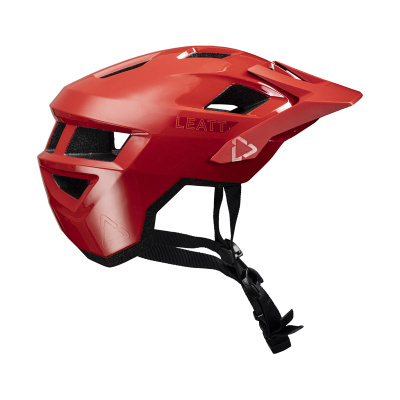
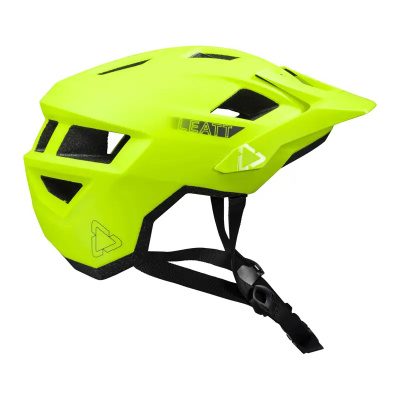
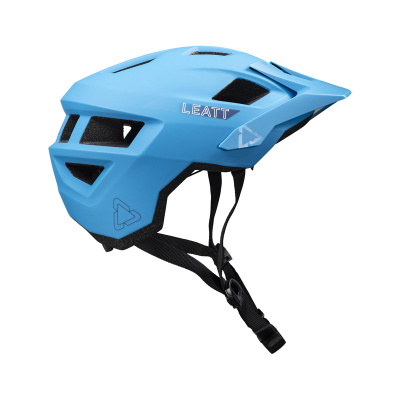
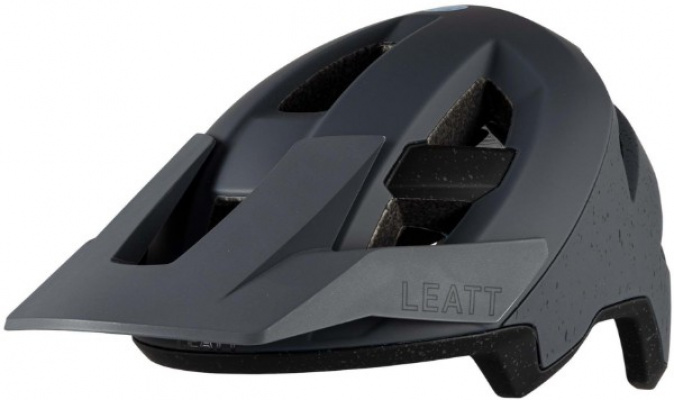
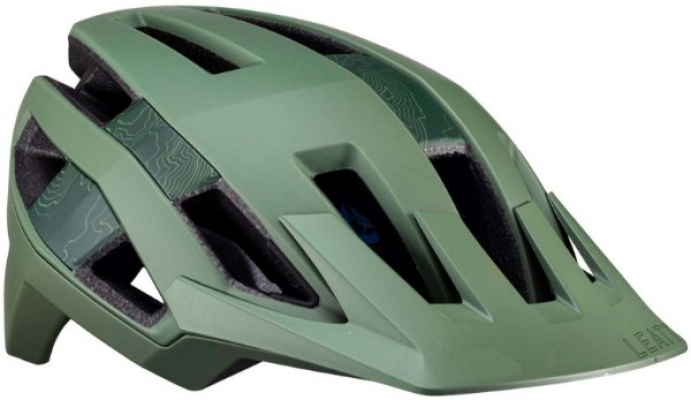
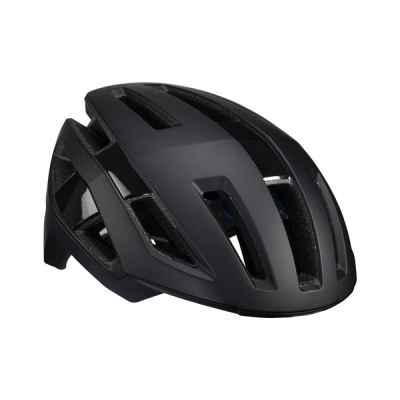
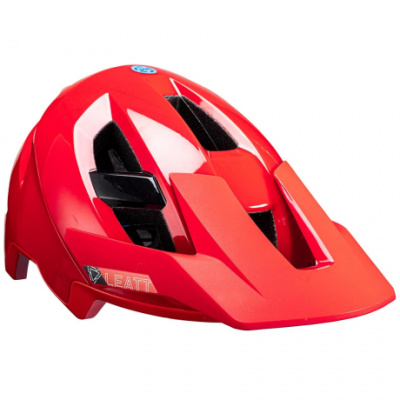
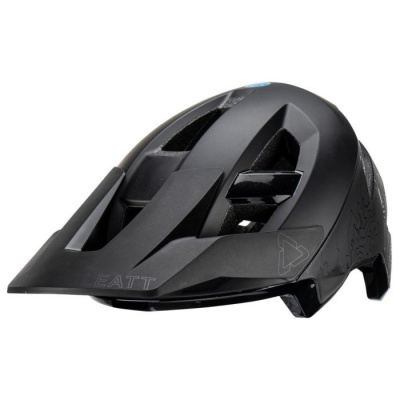
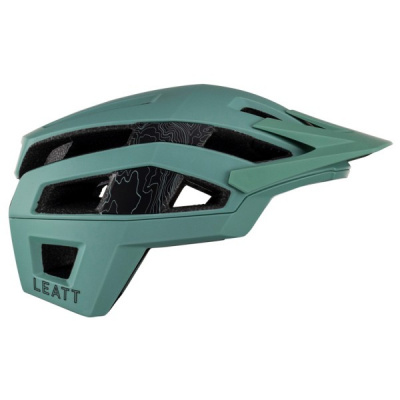
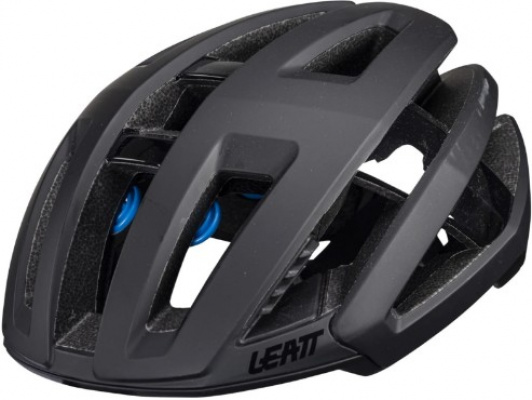
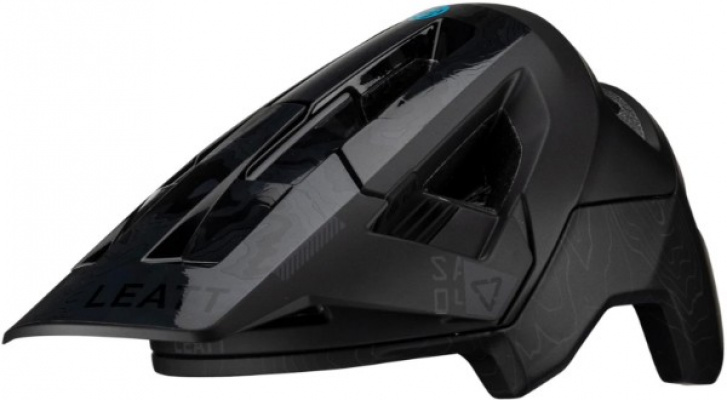
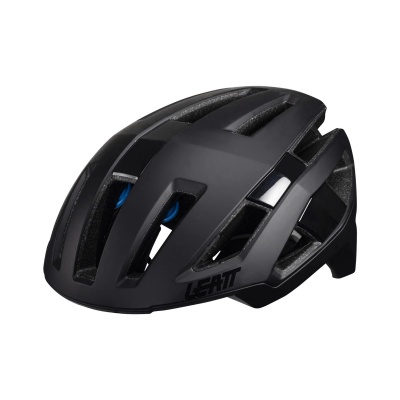
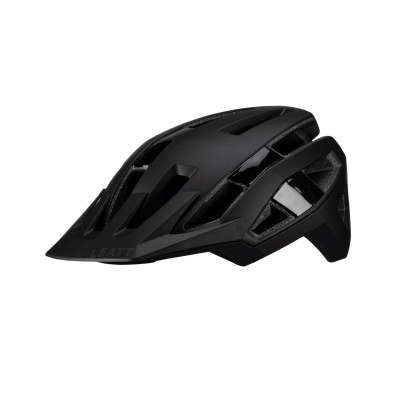
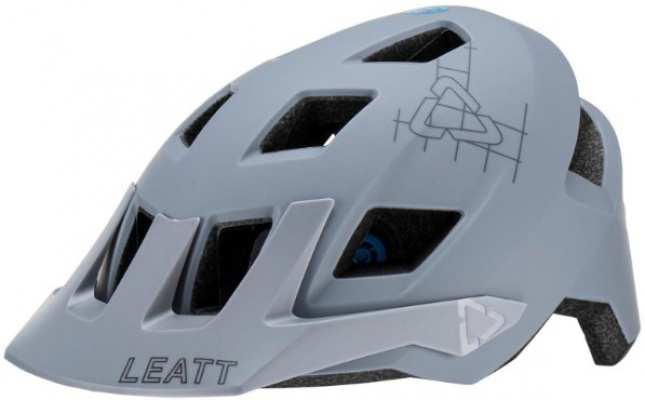
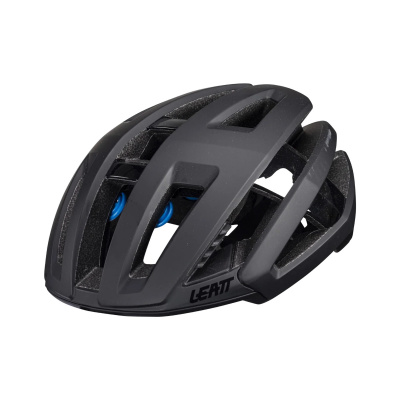
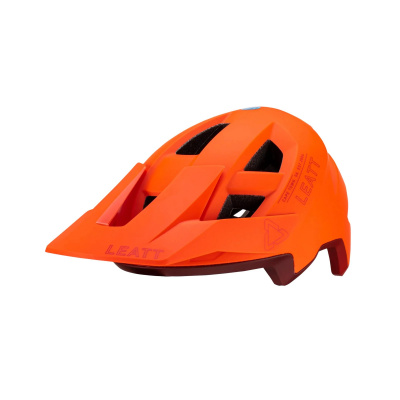
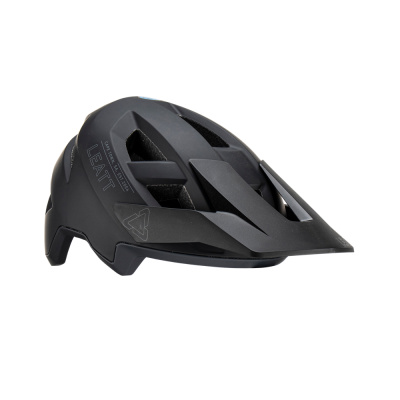
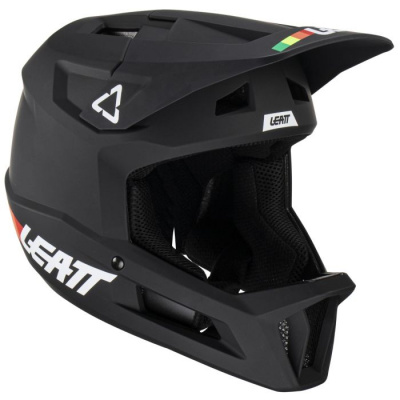
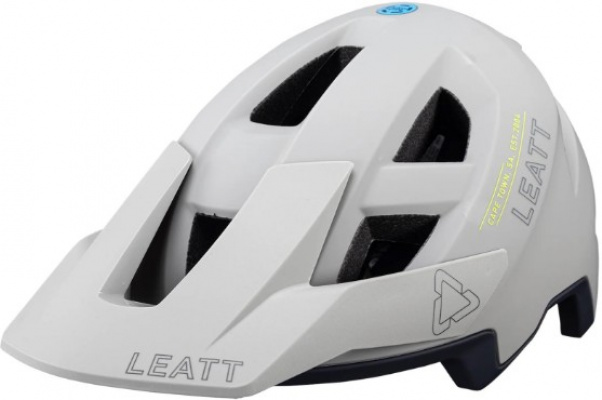
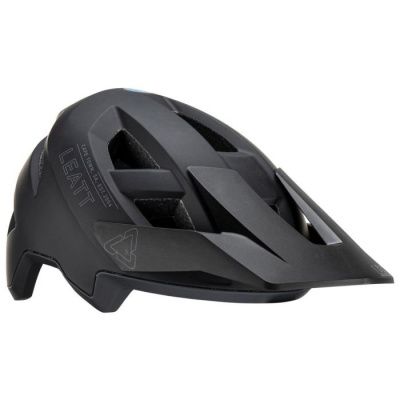
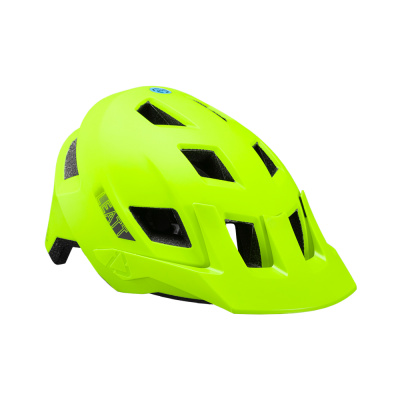
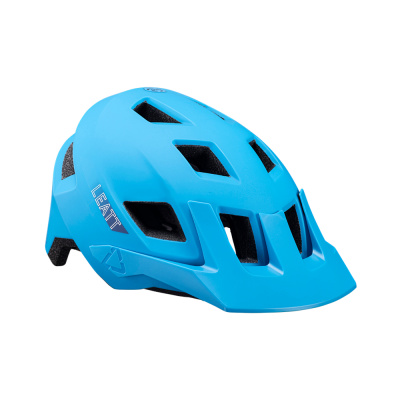
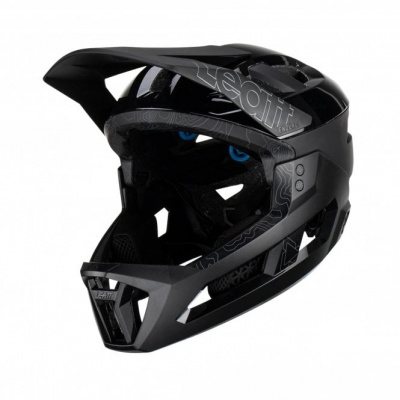
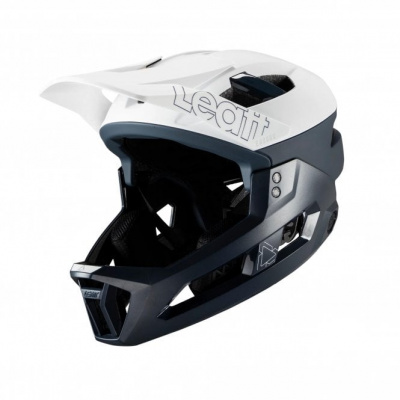
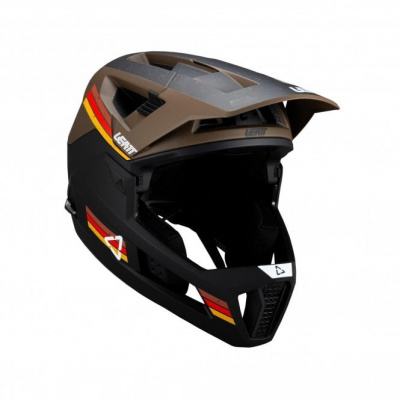
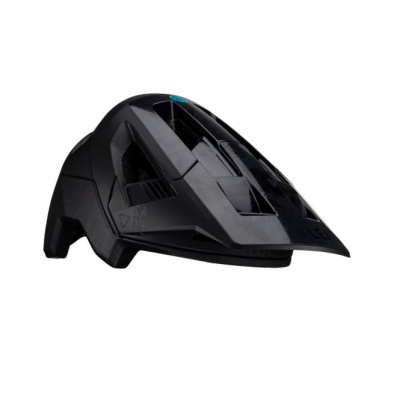
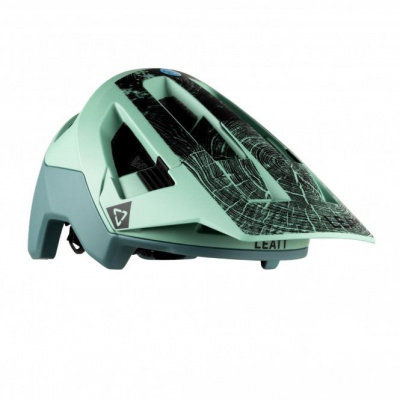
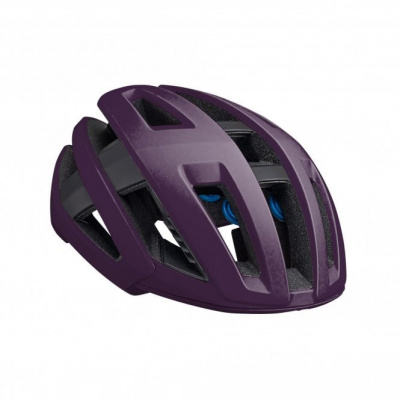
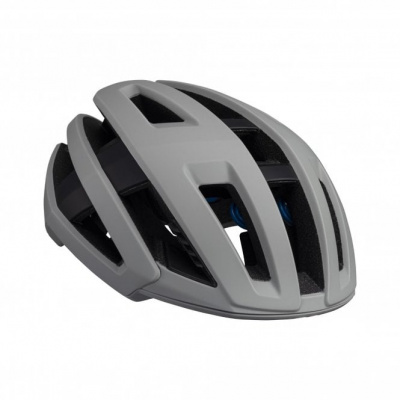
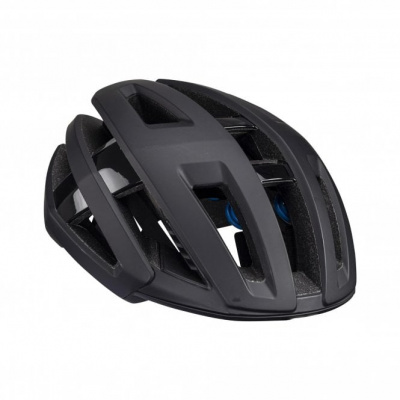
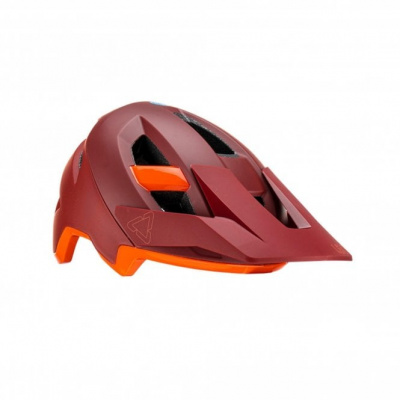
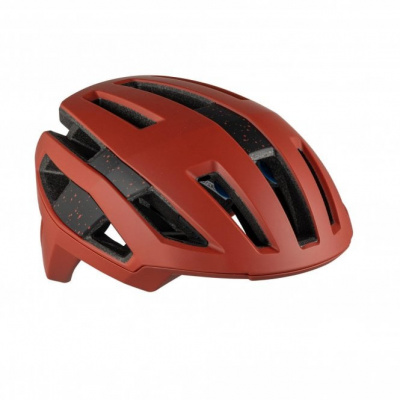
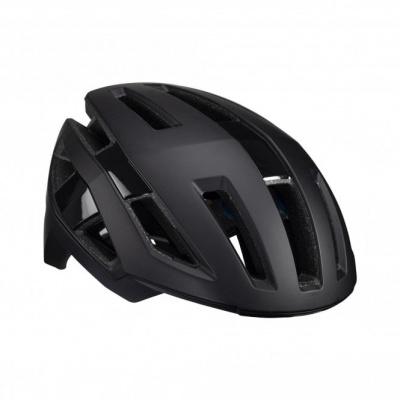
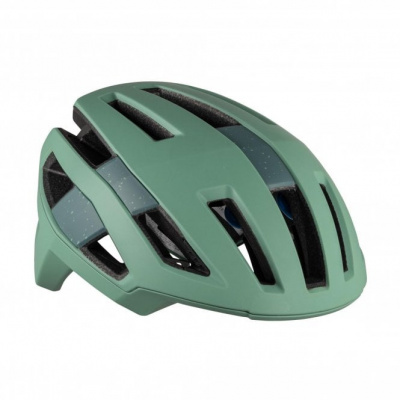
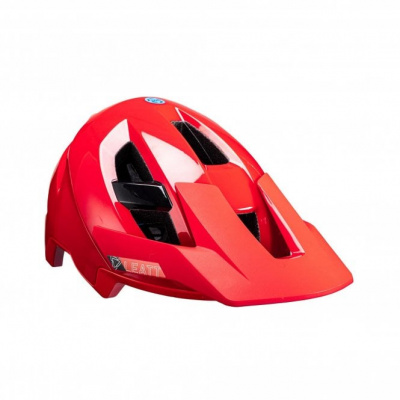
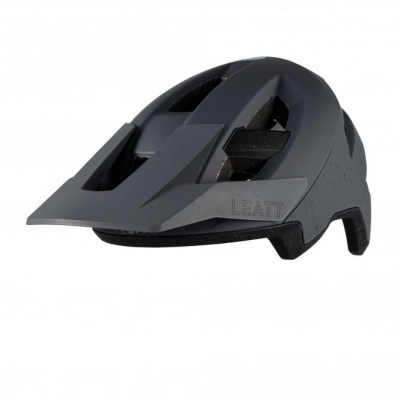
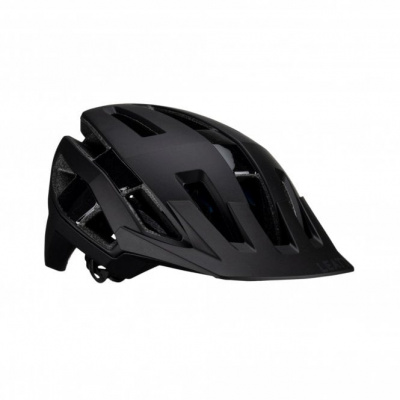
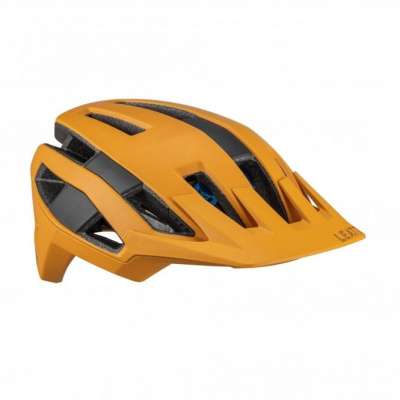
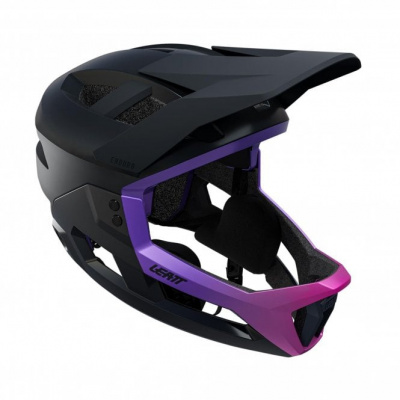
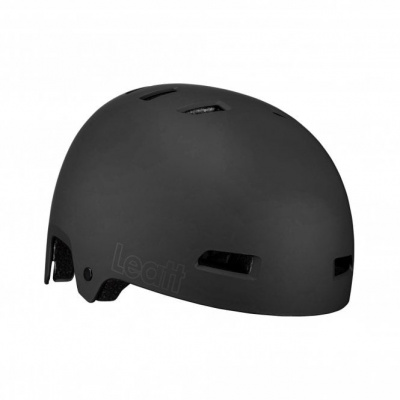
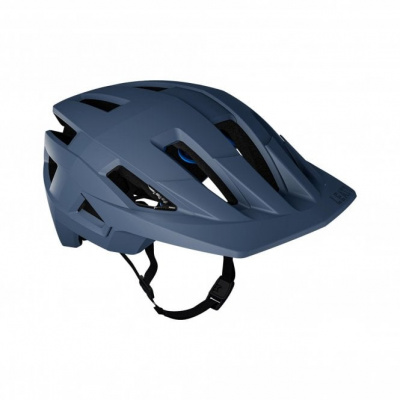
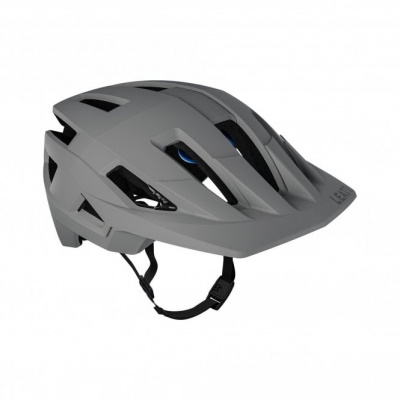
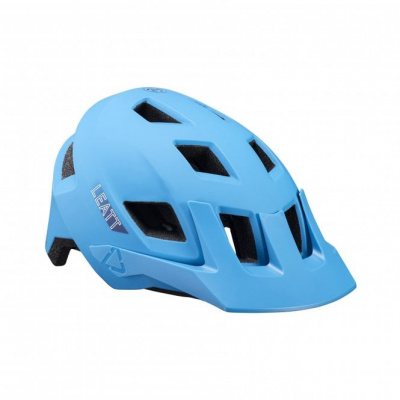
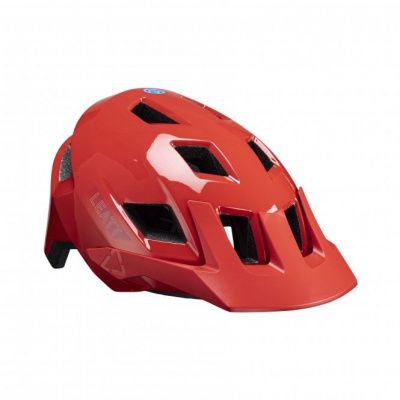
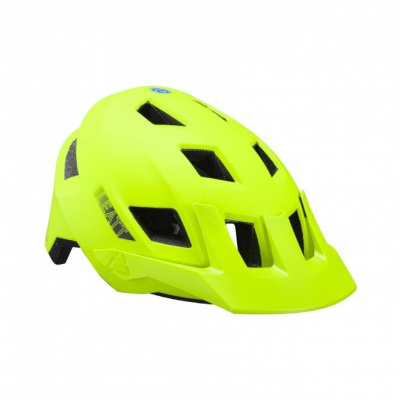
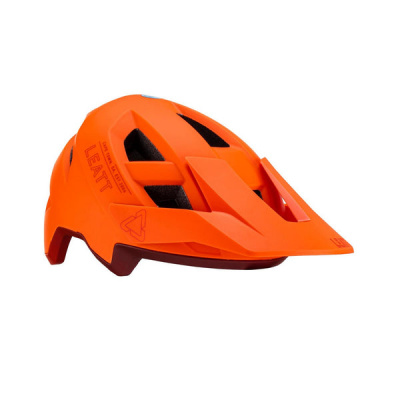
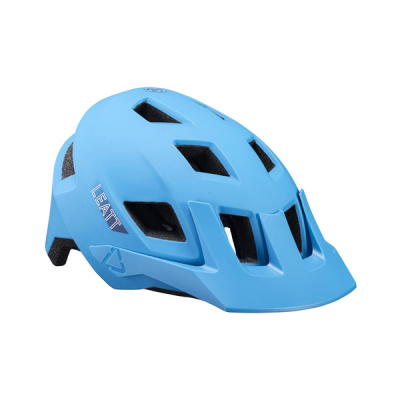
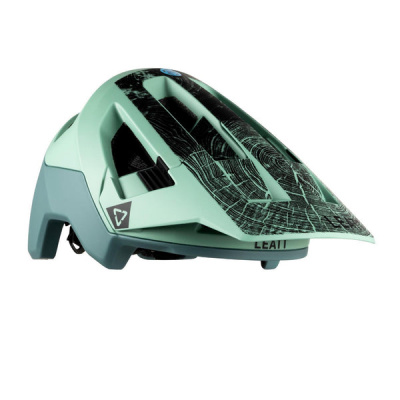
Prices and availability can change quickly. Delivery charges are not always included in listed prices.
Final price, stock status and delivery terms are set by retailer. We may receive a commission on purchases made.
Safety Tech and Ventilation: What's Actually Inside
The headline feature across Leatt MTB helmets is 360 Turbine Technology - and it's worth understanding what it actually does rather than taking the marketing summary at face value. The system uses small, polymer discs integrated into the liner. On impact, those discs compress and rotate independently of the outer shell, absorbing rotational acceleration before it reaches your brain. Leatt's own testing claims reductions of up to 40% in rotational acceleration and up to 30% in peak brain impact forces. Whether you weigh those numbers cautiously or take them at face value, the underlying principle - addressing rotational forces rather than just linear ones - is sound and increasingly accepted across the helmet industry.
Beneath the Turbine layer sits a combination of EPS and EPO impact foam. EPS (expanded polystyrene) is the industry-standard dense liner you find in most helmets; EPO (expanded polyolefin) is softer and more flexible, recovering its shape after lighter knocks. Running both in layers means the helmet can respond proportionally across a range of impact energies - a low-speed tumble on a rooty climb in the Peak District and a harder hit on a rock garden descent load the foam very differently, and a single-density liner can't optimise for both.
Then there's MaxiFlow ventilation. Traditional helmet vents need airspeed to work - fine at 30mph on a trail centre descent, less useful when you're grinding up a steep, humid climb at walking pace. Leatt's MaxiFlow channels are wider and more open than typical designs, creating enough passive airflow to make a genuine difference even at low speeds. On the kind of winch-and-plummet riding that defines a lot of UK trail days - long, sweaty climbs followed by short, fast descents - that matters more than it might elsewhere. Worth pairing your lid with Leatt goggles for full-system ventilation continuity across face and eyes.
The Open-Face Range: Tiers, Fit, and Who Each Suits
Leatt structures its open-face Leatt trail helmet and enduro range across numbered tiers - broadly 1.0, 2.0, 3.0, and 4.0 - with each step up adding features rather than changing the core protection platform. The 1.0 is the accessible entry point: full Turbine Technology, solid construction, fewer adjustability options. The 2.0 introduces more refined fit systems and liner details. The 3.0 moves into more considered ventilation geometry and additional coverage. The 4.0 represents the top of the open-face tree - refined weight distribution, premium liner materials, and the most developed Fidlock magnetic closure implementation, which snaps and releases cleanly with one hand whether you're wearing gloves or not.
Fit is intermediate oval - neither particularly round nor noticeably narrow. If you're between a Giro and a Bell in terms of what usually sits well on your head, Leatt will likely work for you. Use a soft tape measure to check your circumference just above the eyebrows, then cross-reference Leatt's size chart rather than guessing. Leatt helmets do run true to size in our experience of handling them at expos and trade shows - the adjusters give you a reasonable band of fine-tuning, but getting the base size right matters more. A Leatt helmet sizing guide check before you buy is time well spent.
Looking for downhill-certified protection or youth sizing? Head over to our dedicated Full Face Helmets or Kids Helmets collections for specialised gravity and junior gear.
If you're weighing up Leatt against alternatives, Fox helmets lean harder into fit customisation via their MIPS integration, while Bell helmets tend to suit slightly rounder head shapes. The choice often comes down to which system sits most naturally on your head rather than which spec sheet looks more impressive.
Goggle Fit, Winter Riding, and Keeping Your Lid in Order
Goggle compatibility is a genuine strength of the Leatt enduro helmet open-face design. The visor is shaped to create a useful gap above the lens, and the rear of the shell features channels that grip goggle straps without letting them slip during a rough descent. On a gritty winter ride - the kind where you're navigating mud-caked North York Moors bridleways and visibility drops - keeping that goggle interface sealed and stable matters. Mud finding its way between goggle and helmet at speed is genuinely distracting; Leatt's rear shell shaping is designed to prevent exactly that.
The visor itself is worth a mention: it uses a breakaway visor design, meaning it's engineered to detach under load rather than lever your neck during a forward impact. That's not a gimmick - it's a meaningful detail that contributes to the overall rotational force reduction picture.
Care is straightforward but worth doing properly. Don't submerge the helmet or use harsh solvents near the EPS foam - lukewarm water and a soft cloth for the outer shell, that's it. The inner liners are removable and machine washable on a gentle cycle, which is worth doing regularly if you're riding in warm, humid summer conditions or layering up for cold-weather sessions. Sweat salt is harder on foam and fabric than most riders realise. Check the Leatt helmet spares range for replacement liners and pads when yours are past their best - running worn pads affects both comfort and fit retention.
After any significant impact, retire the helmet. EPS foam doesn't recover its structure after a hard hit, even if the shell looks fine. And if you want to complete the kit properly, Leatt gloves and Leatt jackets are worth a look for consistent fit and system compatibility across the range.
Leatt Helmets FAQs
What is Leatt 360 Turbine Technology?
It's Leatt's in-house safety system using energy-absorbing polymer discs inside the helmet liner. On impact, the discs compress and rotate independently of the outer shell, reducing rotational acceleration by up to 40% and peak brain impact forces by up to 30%. It addresses the kind of off-axis, rotational impacts that conventional EPS liners are less equipped to handle.
Do Leatt helmets run true to size?
Generally yes. Leatt uses an intermediate oval fit profile, and the sizing tends to be accurate when you measure correctly - tape just above the eyebrows, then check Leatt's own size chart rather than relying on what you wear in other brands. The fit adjusters give you some room to fine-tune, but getting the base size right first makes a real difference.
Can I wear goggles with a Leatt open-face helmet?
Yes, and the integration is well thought through. Leatt trail and enduro open-face helmets are shaped with a pronounced visor gap and rear shell channels that hold goggle straps securely. It's a practical setup for UK winter riding where mud and low light make goggles more or less essential rather than optional.