
Leatt Kids Helmets
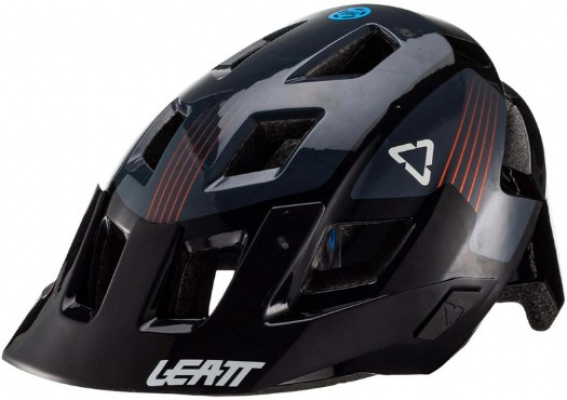
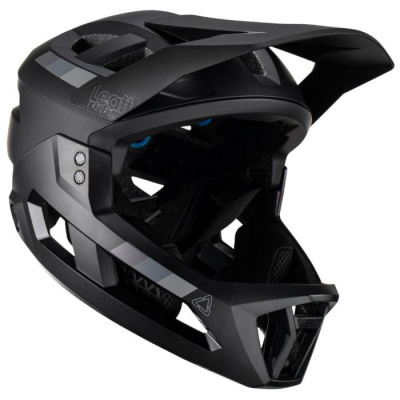
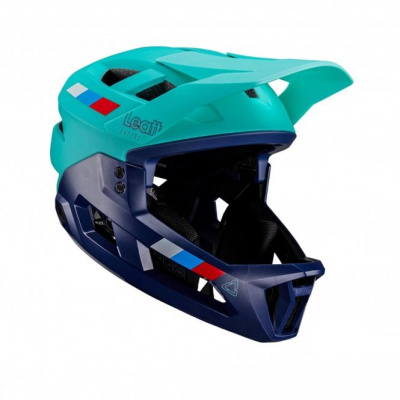
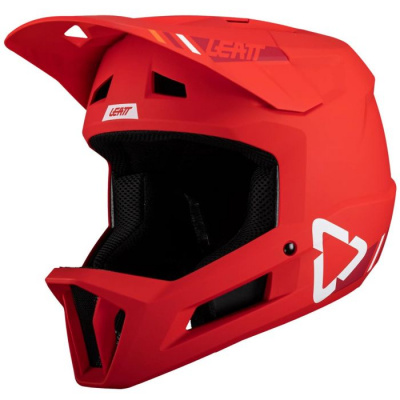
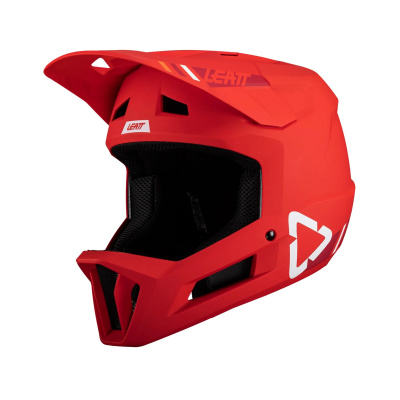
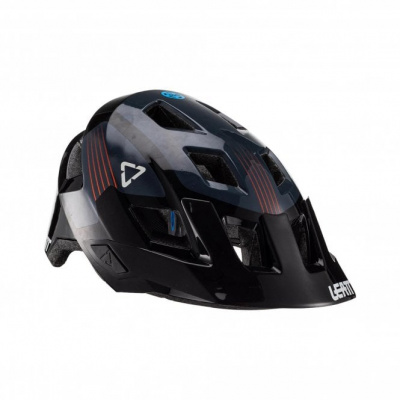
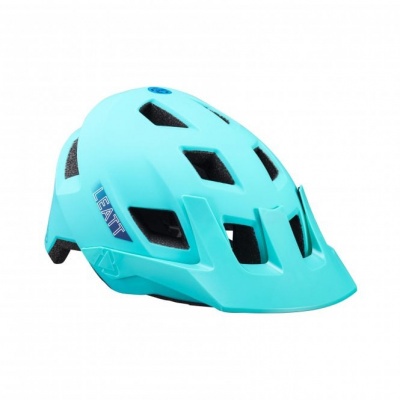
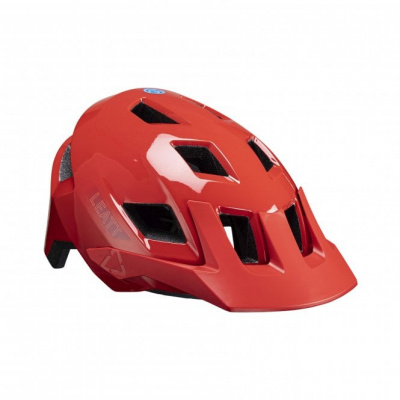
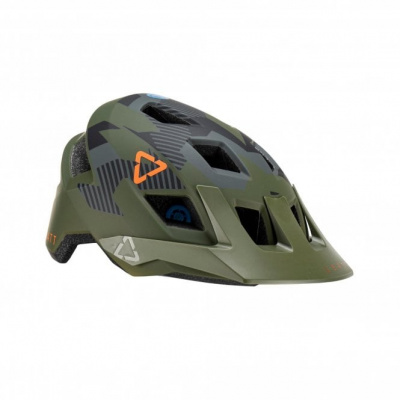
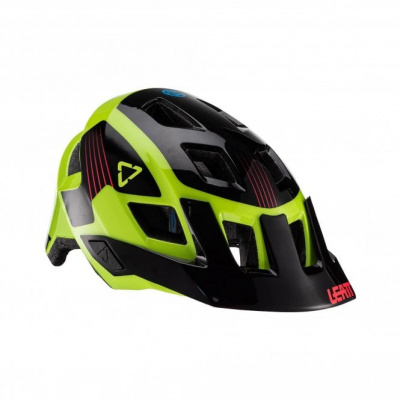
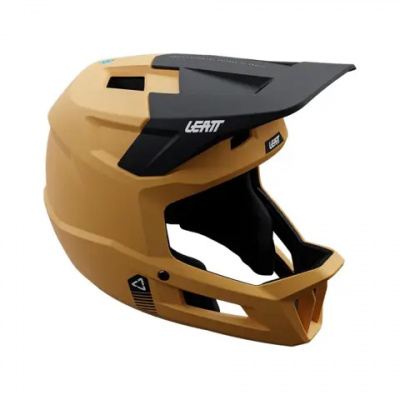
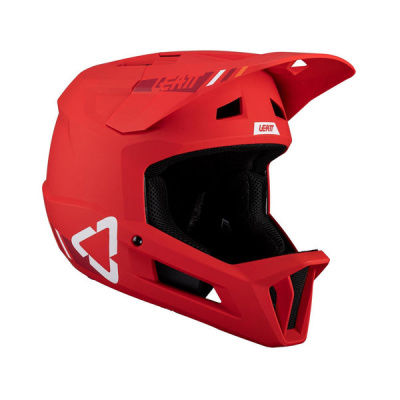
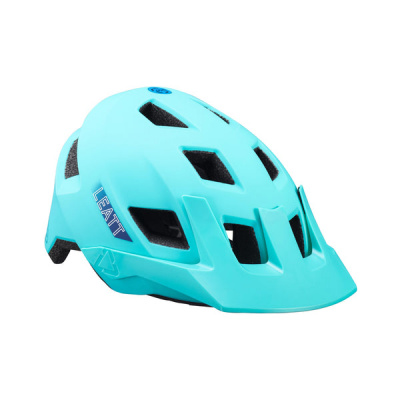
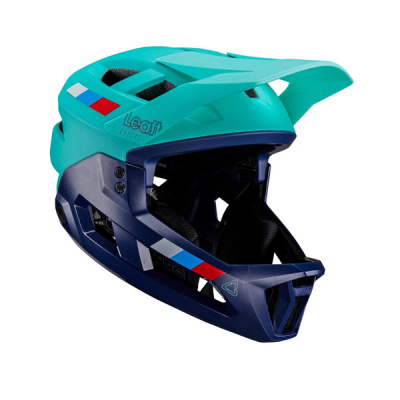
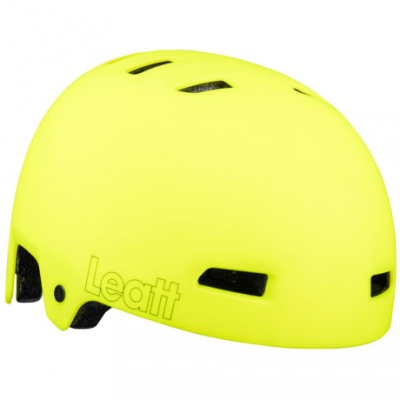
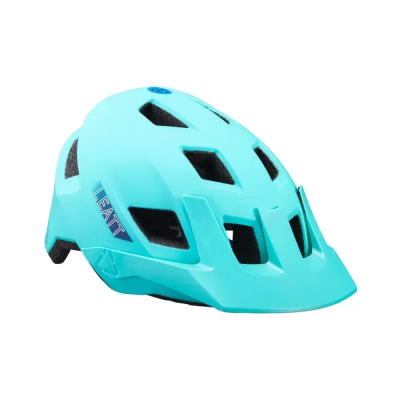
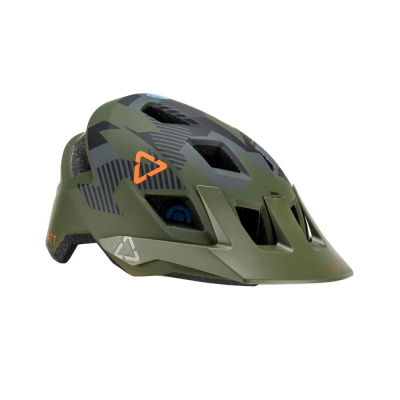
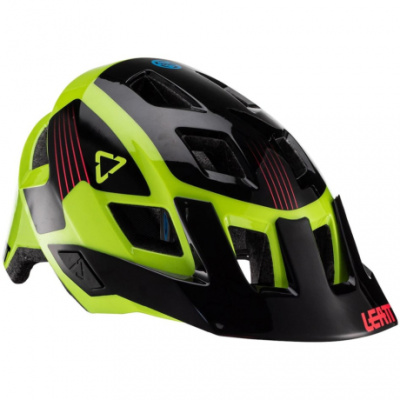
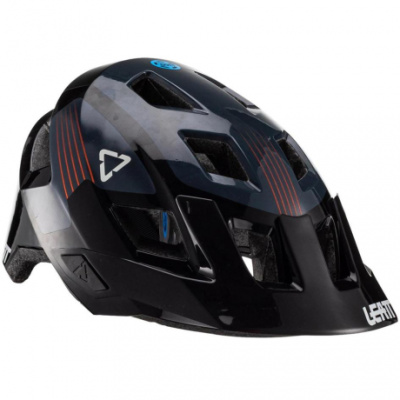
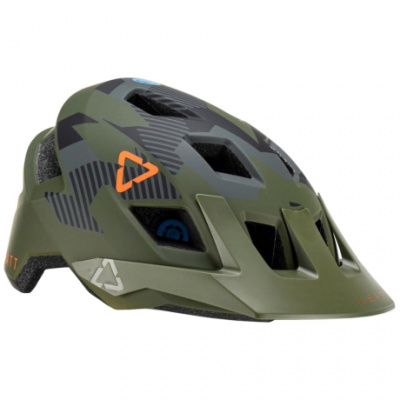
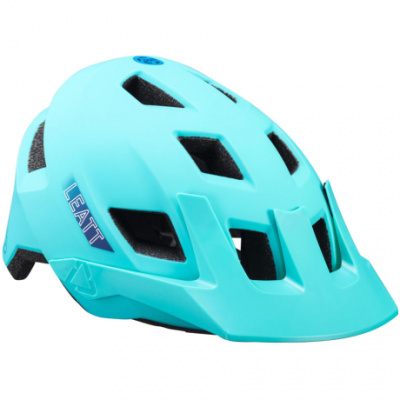
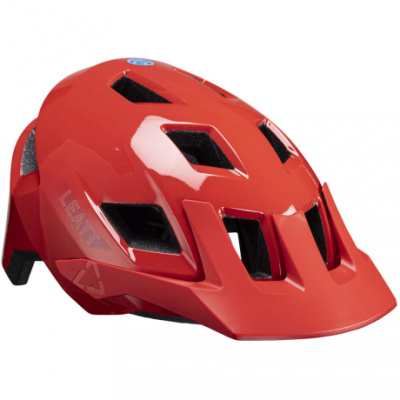
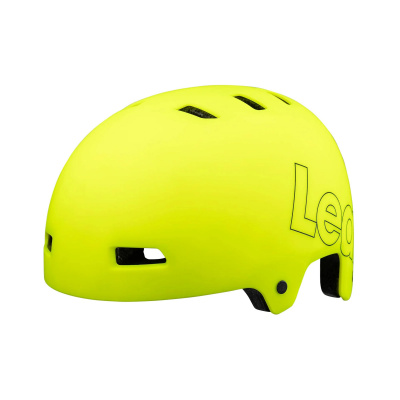
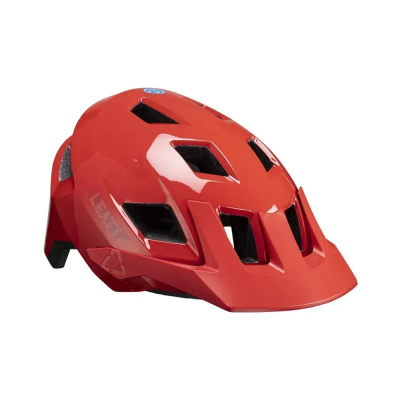
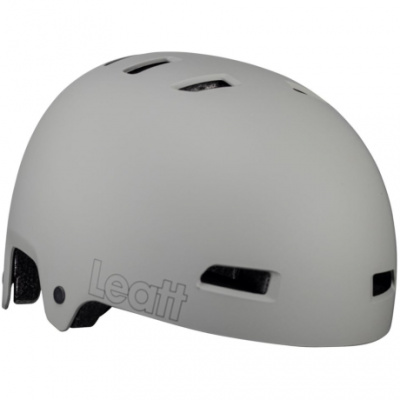
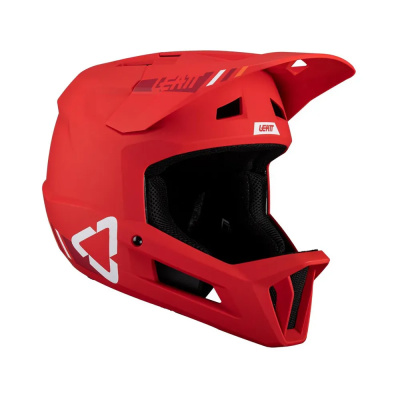
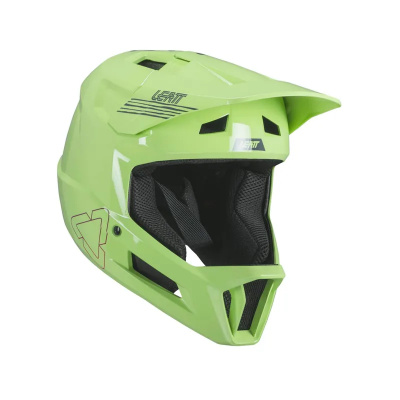
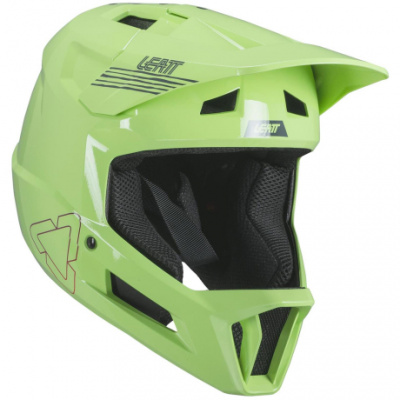
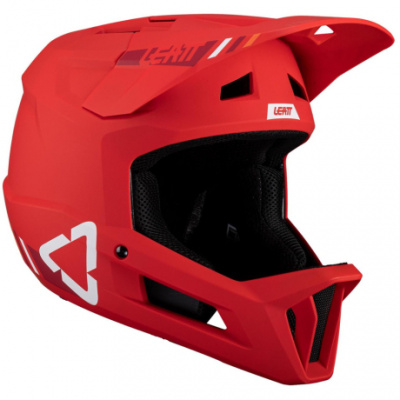
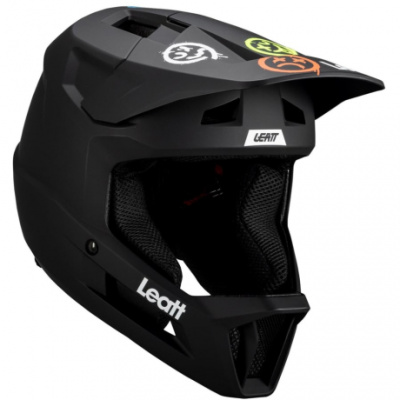
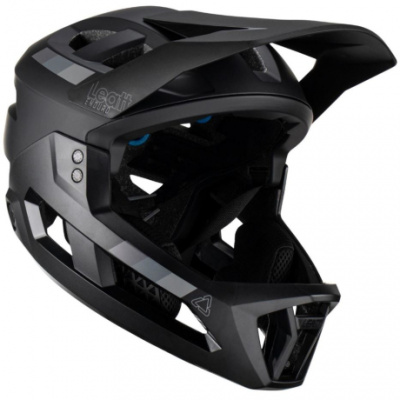
Leatt kids helmets bring the same medical-grade protection found in their adult lids, scaled precisely for younger riders who are just as serious about the trails. There's no junior compromise here. Every Leatt youth MTB helmet is built around the brand's proprietary 360 Turbine Technology - a system engineered to reduce both direct impact forces and the rotational acceleration that puts brain tissue at real risk during a fall. That matters whether your child is looping round the local woods on a Saturday morning or queuing for the uplift at BikePark Wales.
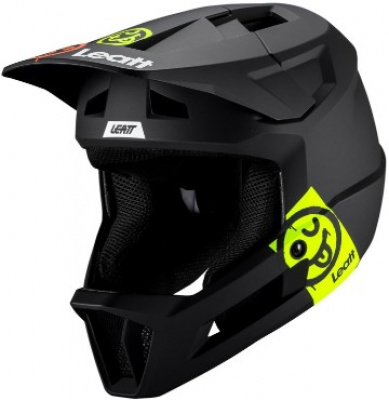
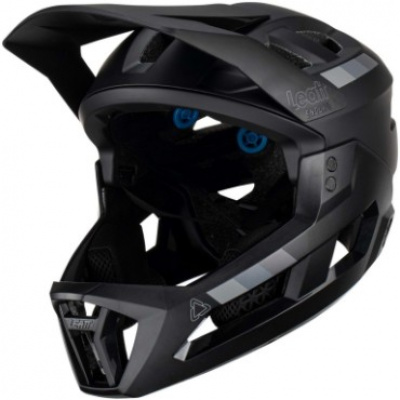
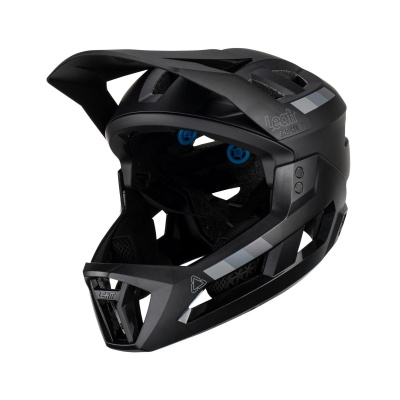
The range covers open-face trail helmets for progression-focused riding and ASTM-certified full-face options for when the consequences of a get-off are higher. Dual-density EPS and EPO foam, washable moisture-wicking liners, and a Fidlock magnetic closure system that even gloved hands can manage - these aren't details borrowed from the adult catalogue as an afterthought. Leatt have thought about what kids actually need: lightweight construction that doesn't pull a small head around on rough ground, ventilation that keeps them pedalling through a humid summer afternoon without a fuss, and fit systems that adapt as they grow. If you're after adult sizes, head to our main helmets or full-face collections. For youth riders ready to make the most of UK trails, you're in the right place.
Prices and availability can change quickly. Delivery charges are not always included in listed prices.
Final price, stock status and delivery terms are set by retailer. We may receive a commission on purchases made.
How the Safety Tech Actually Works
The headline feature across Leatt junior cycling helmets is 360 Turbine Technology, and it's worth understanding what that means beyond the marketing shorthand. Inside the shell, Leatt fit small, carefully tuned polymer turbines - blue disc-shaped inserts that sit between the outer shell and the EPS foam. On impact, they deform and rotate slightly, absorbing energy from both the direct hit and the rotational forces generated as the head twists. Rotational acceleration is now widely understood to be a significant factor in concussion and more serious brain injuries, and this is Leatt's engineering answer to that problem. It's the same system used in their adult gravity helmets, not a diluted version.
Beneath those turbines, you get dual-density foam: a stiffer EPS layer to manage the initial impact energy, and a more compliant EPO layer that handles the secondary, lower-force deformation. Together they spread and absorb energy more effectively than single-density foam alone. For full-face models aimed at downhill and bike park use, the ASTM standard certification is the benchmark you're looking for - it covers the higher-energy impacts that a trail or enduro lid isn't rated for. Many UK bike parks, including Dyfi and BikePark Wales, require full-face helmets for younger riders, and Leatt's certified models tick that box.
Ventilation matters more than you'd think on a kids' lid. Low-speed woodland climbs on a muggy August afternoon in the UK generate surprisingly high sweat output, and a poorly ventilated helmet becomes something a child actively resents wearing. Leatt's channelled ventilation keeps airflow moving even when the pace drops, and the moisture-wicking inner padding pulls sweat away from the skin rather than letting it pool. It's a practical detail that makes compliance easier - they'll want to keep the helmet on.
Understanding the Leatt Youth Fit and Range
Leatt's youth helmet range splits broadly into two camps. The open-face options - the Junior trail helmets sitting at the lower end of the range - suit riders building confidence on blue and green-graded routes, cross-country loops, and general trail centre riding where a visor and solid EPS construction are the priority. Step up to the full-face models and you're into kids full face mountain bike helmet Leatt territory: a more aggressive profile, chin bar protection, and that ASTM downhill certification that bike parks demand.
Sizing is handled through an adjustable dial fit system at the rear of the helmet. Wrap a soft tape measure horizontally around your child's head, roughly a centimetre above the eyebrows, and match the circumference in centimetres to Leatt's youth sizing chart. Don't guess - helmet safety depends on the shell sitting in exactly the right position relative to the skull. The dial system means you can fine-tune the fit as your child grows, extending the useful life of the helmet without compromising that zero-wobble security. A helmet that rocks forward or backward on impact isn't doing its job properly, regardless of what's inside it.
The visor on Leatt youth models uses breakaway pins - if it catches on the ground during a fall, it releases cleanly rather than transferring torque to the neck. A small detail, but a considered one. Compared to Fox kids helmets or Bell kids helmets, Leatt's rotational protection system is a genuine differentiator at this level - those brands offer strong certified protection, but the turbine inserts are specific to Leatt. Giro kids helmets offer MIPS as an alternative rotational system worth considering if you're weighing options.
Pairing Your Helmet and Keeping It Trail-Ready
Leatt design their youth helmets with their own protective ecosystem in mind. The eyeport on full-face models is specifically shaped to pair with Leatt goggles, giving you a flush interface without the gap that lets roost and mud in at the wrong moment. It's the kind of integration that only works properly when the same brand has engineered both pieces together. If your child is riding at a bike park or on faster descents, pairing the helmet with a compatible neck brace is worth serious consideration - Leatt's youth neck braces are sculpted to work with the helmet's collar profile.
After a proper winter ride in Wales or the Peaks, the liner will need attention. The moisture-wicking, anti-odour inner padding is fully removable on Leatt youth helmets - pop it out, hand wash it, let it dry completely before refitting. Do this regularly through the muddy months and you'll keep bacteria from building up in the foam. It also gives you a chance to inspect the EPS layer beneath for any white stress marks or cracks that suggest the helmet has taken a significant hit. If you find damage, the helmet needs replacing regardless of how it looks on the outside. EPS foam doesn't recover after a hard impact - that's how it works.
Check the visor breakaway pins periodically too. They should release under moderate force; if they feel stiff or are showing corrosion, that's worth addressing before the next ride. Rounding out the kit with Leatt kids clothing and Leatt kids shoes keeps the protective layering consistent, and Leatt's youth apparel is designed with the same attention to fit and function as the helmets.
Leatt Kids Helmets FAQs
How do I measure my child's head for a Leatt helmet?
Grab a soft tape measure and run it horizontally around your child's head, about a centimetre above the eyebrows. Note the circumference in centimetres, then check it against Leatt's youth sizing chart. Don't size up hoping they'll grow into it - a helmet that sits too loose won't protect properly in a fall.
Are Leatt kids helmets suitable for UK bike parks?
Leatt's youth full-face models carry ASTM downhill certification, which meets the requirements at most UK bike parks including BikePark Wales and Dyfi. That said, individual parks set their own rules, so check before you travel - many mandate full-face helmets for riders under a certain age regardless of what standard the lid carries.
Can I wash the padding inside a Leatt kids helmet?
Yes, and you should do it regularly, especially through the UK winter. The anti-odour inner liner pulls out cleanly and can be hand-washed with mild soap. Let it dry fully before putting it back - damp padding against EPS foam isn't doing anyone any favours and it'll smell worse next time out.