
Leatt Full Face Helmets
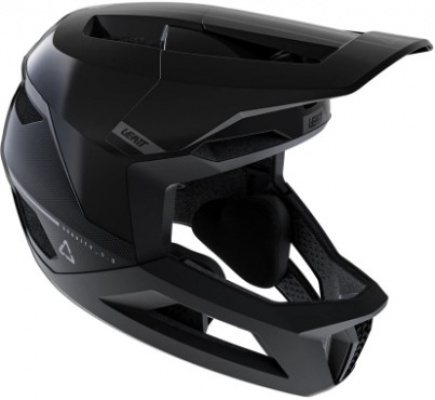
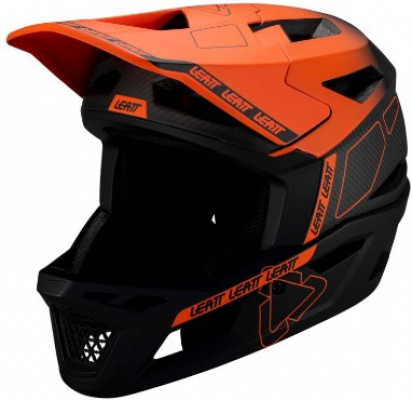
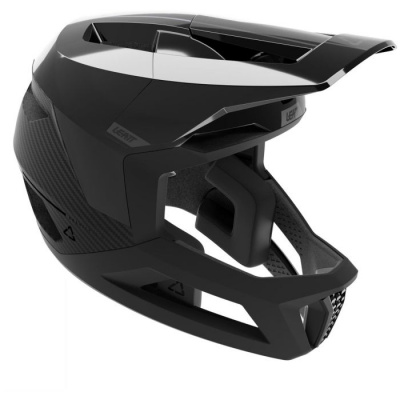
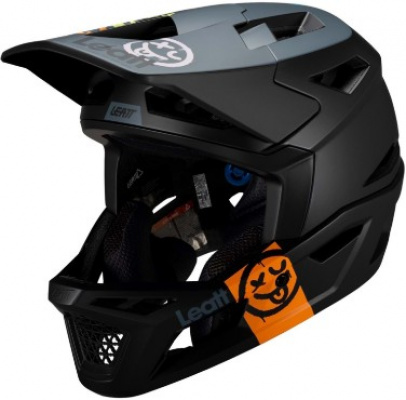
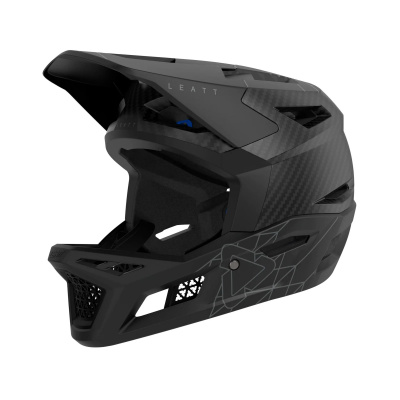
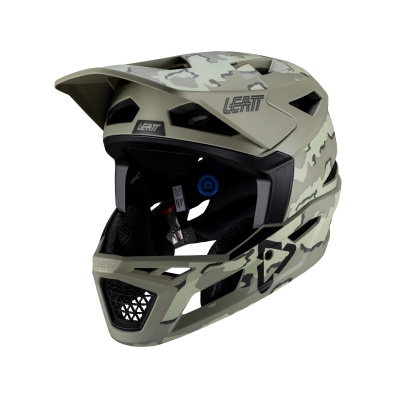
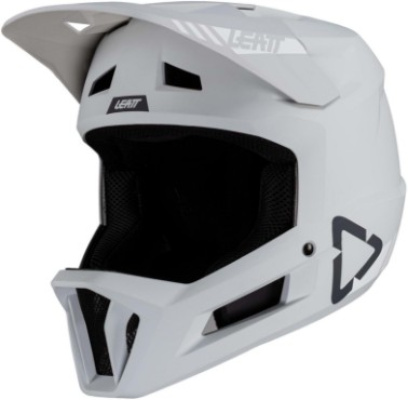
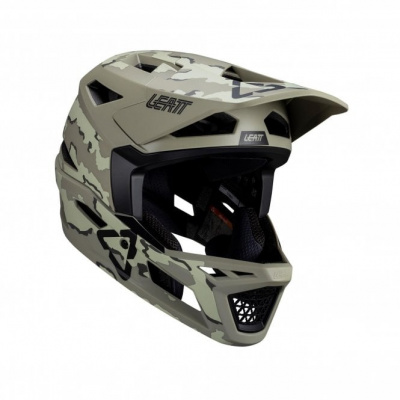
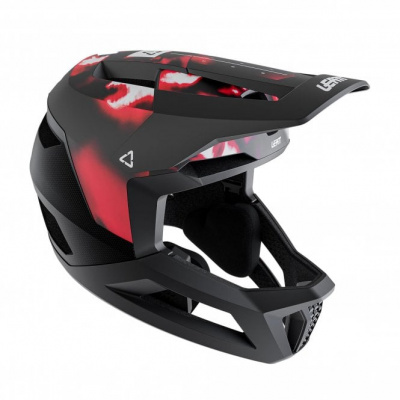
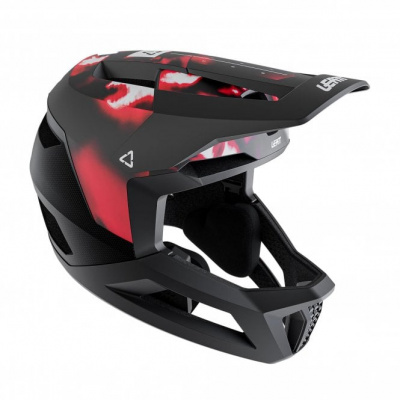
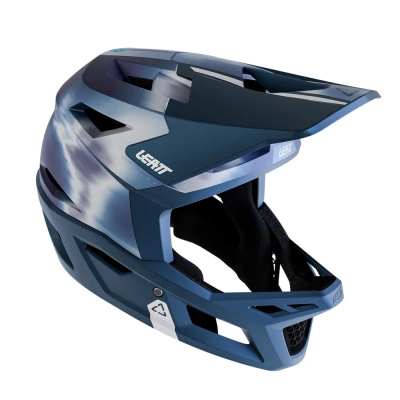
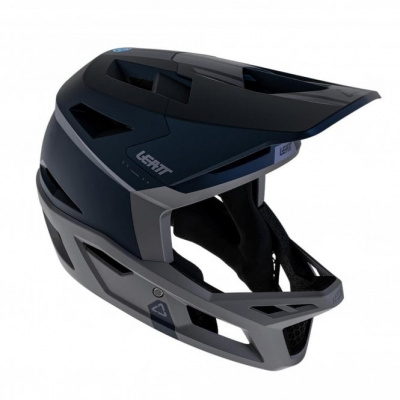
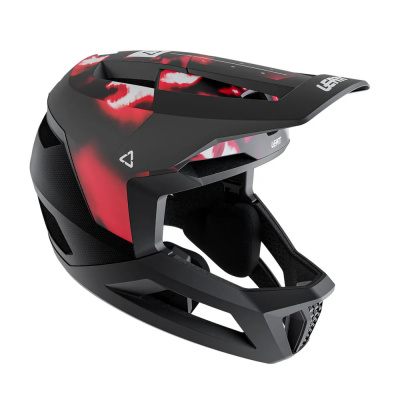
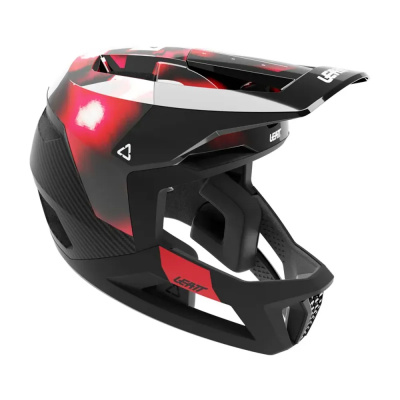
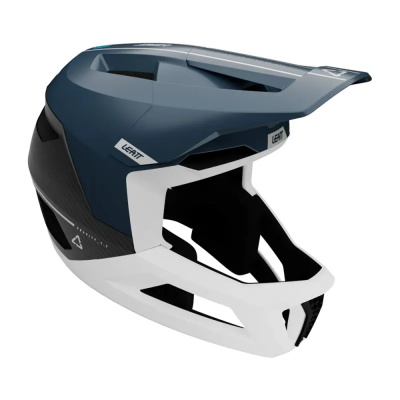
Leatt full face helmets have carved out serious credibility in a crowded market by doing something most brands talk about but few actually deliver: genuine rotational impact protection built into the helmet itself, not just bolted on as an afterthought. Leatt started in neck braces and that obsession with how forces travel through the body clearly shaped how they approach head protection. The result is a range of lids that takes ASTM DH-certified impact performance and pairs it with ventilation you'd normally only expect from an enduro half-shell.
That matters here in the UK more than most places. Whether you're grinding up a lung-busting winch climb in the Brecon Beacons before a savage descent, or lapping a wet trail centre in the Ae Forest on a grey November morning, your lid needs to breathe on the way up and protect hard on the way down. Leatt's 360° Turbine Technology addresses the rotational forces that cause the nastiest brain injuries, while the oversized ventilation ports stop you steaming up your goggles on the climb. If you want a full face that's genuinely thought through for the way UK riders actually ride, this range deserves a close look.
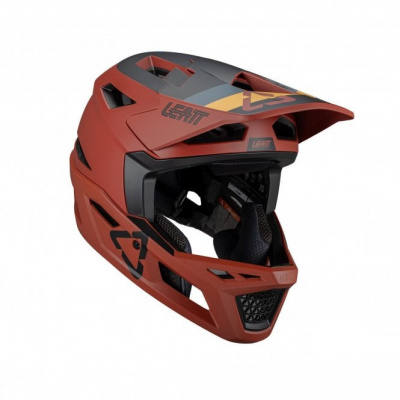
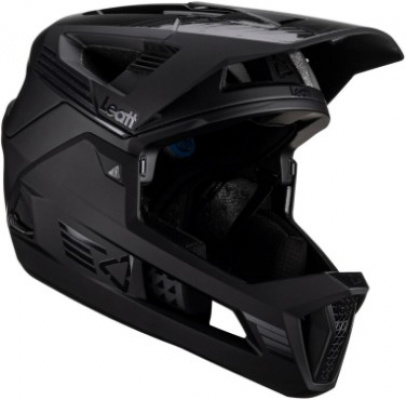
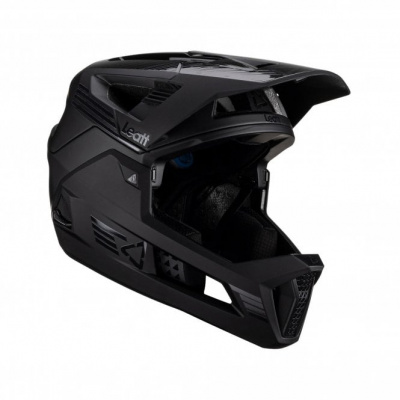
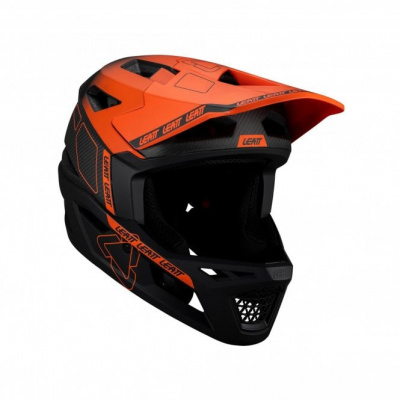
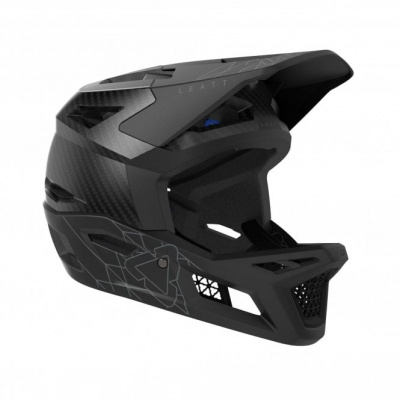
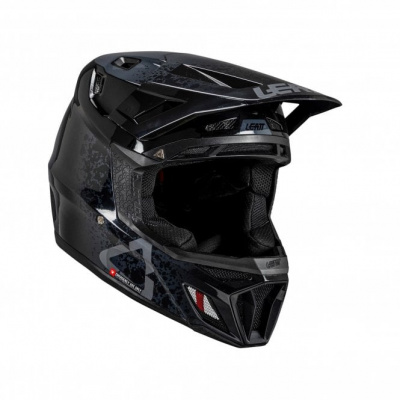
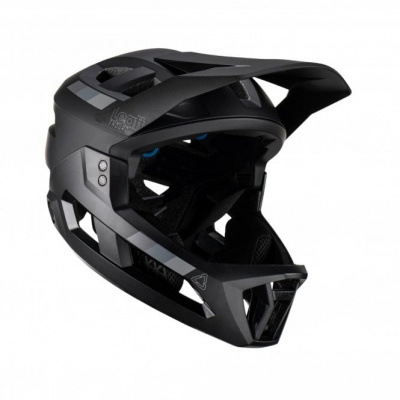
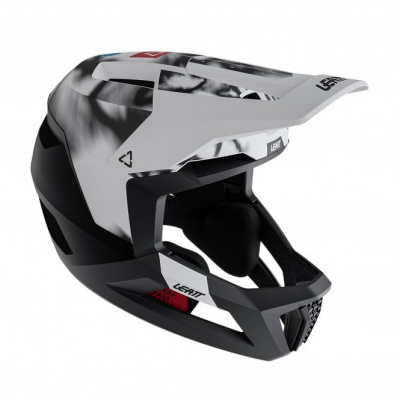
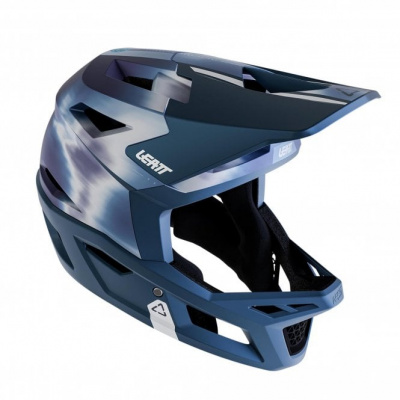
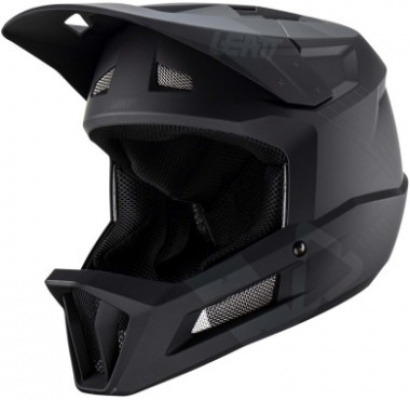
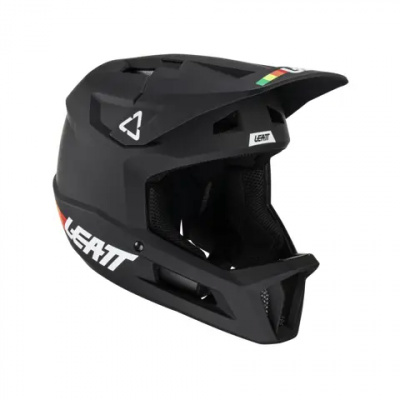
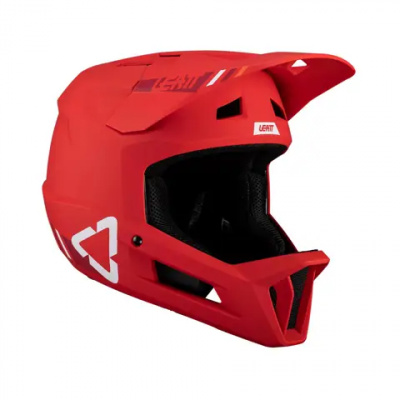
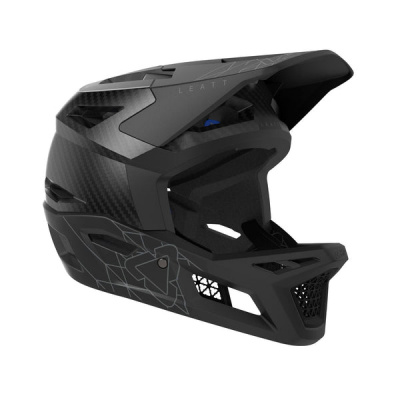
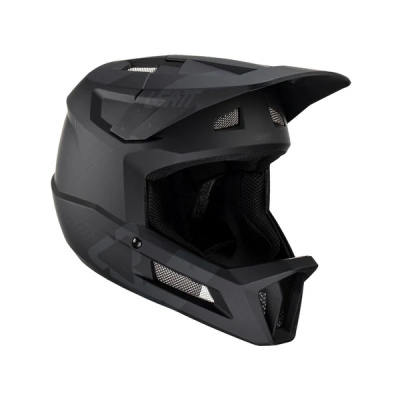
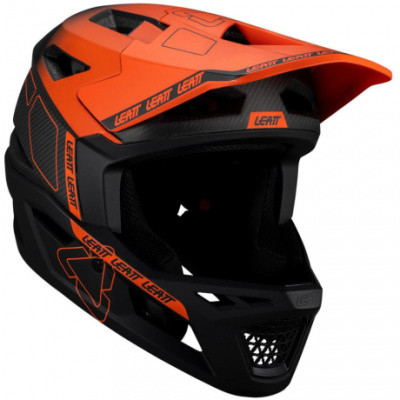
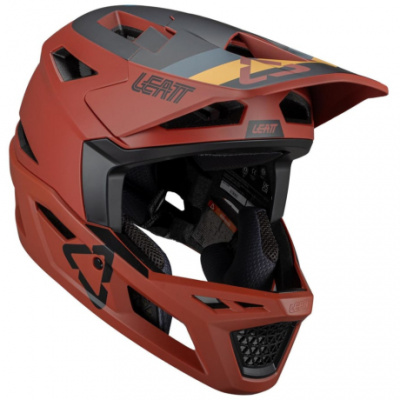
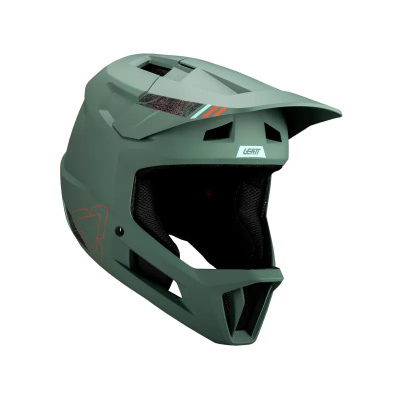
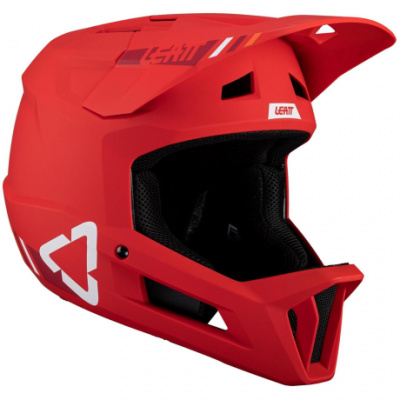
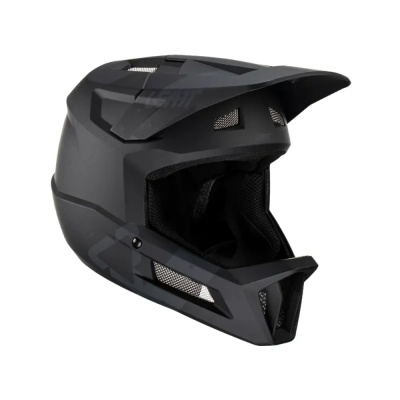
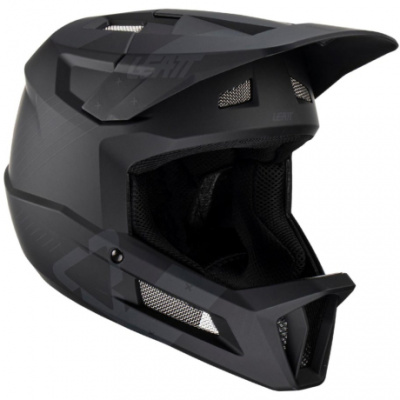
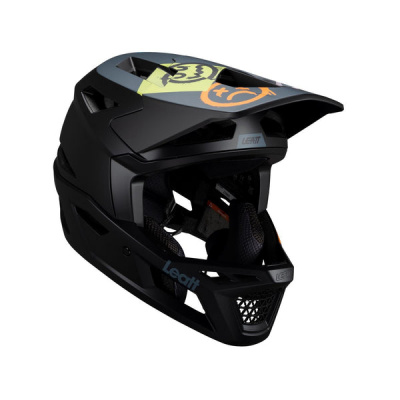
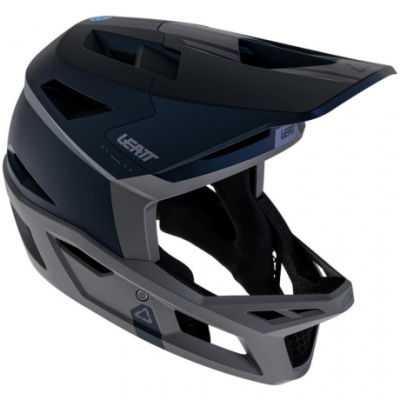
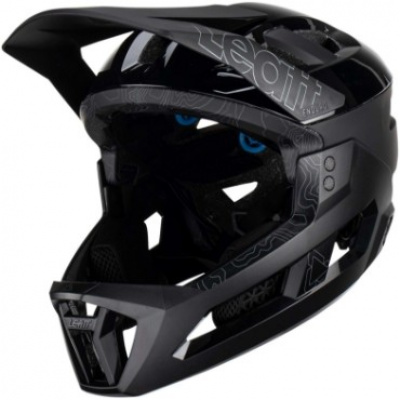
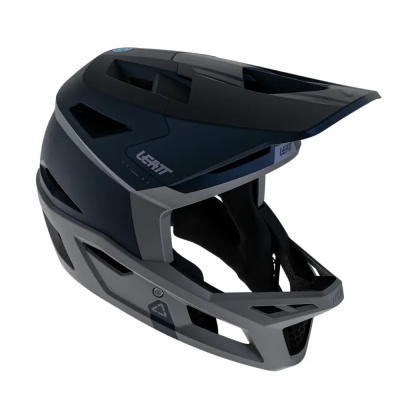
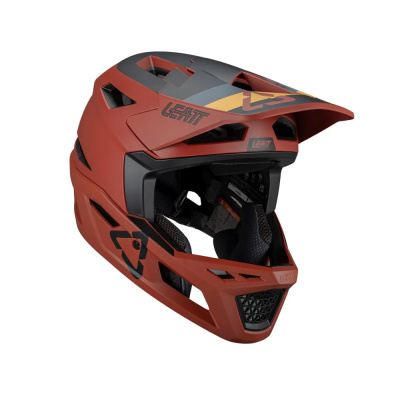
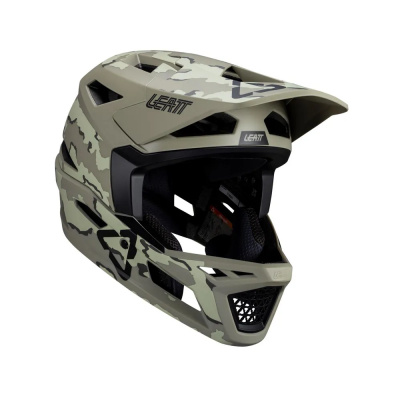
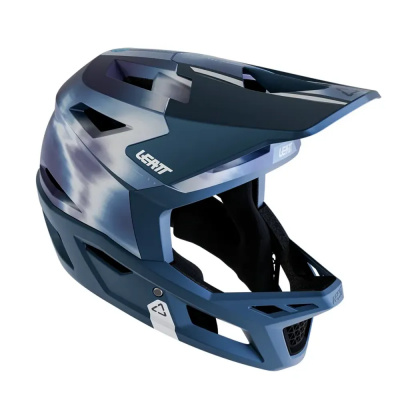
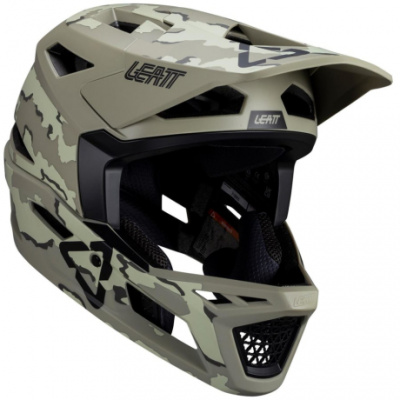
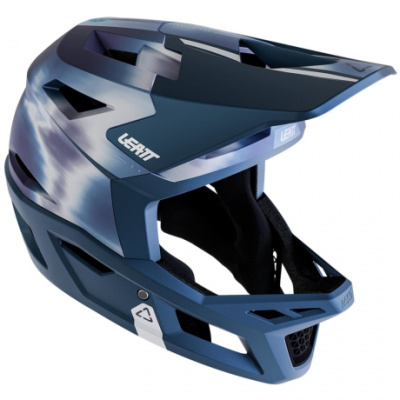
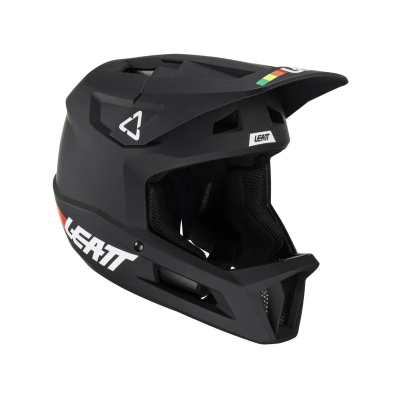
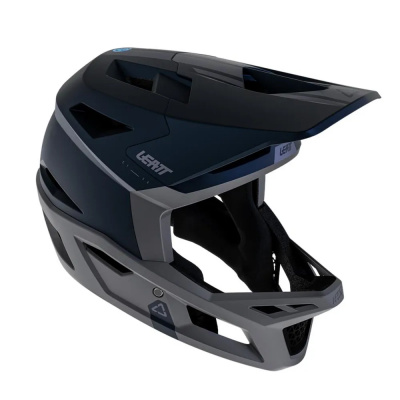
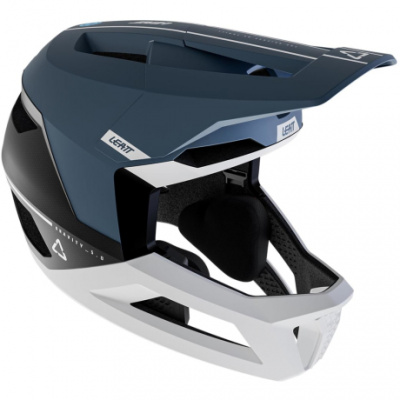
Prices and availability can change quickly. Delivery charges are not always included in listed prices.
Final price, stock status and delivery terms are set by retailer. We may receive a commission on purchases made.
How the Impact Tech Actually Works - and Why UK Weather Tests It
The centrepiece of every Leatt full face helmet is 360° Turbine Technology - a layer of small, independently moving turbines bonded inside the shell that compress and rotate on impact. In a straight hit, they absorb peak brain acceleration. In the oblique crashes that are far more common on rooty UK trails, they reduce rotational acceleration too. It's the kind of science that used to require a separate MIPS liner; Leatt bakes it into the structure itself.
Beneath those turbines sits dual-density EPS/EPO impact foam - two different densities working together so the helmet can manage both low-speed knocks (that post-lunch slide into a berm wall) and high-speed DH crashes with appropriate resistance. EPS handles the big hits; EPO's softer cell structure deals with the lower-energy impacts that a single-density foam would either absorb too aggressively or barely register. You get meaningful protection across a wider range of impacts, which is exactly what enduro riding in places like the Peak District demands.
Weather performance is where Leatt's full face range genuinely differentiates itself from older DH-specific lids that were designed for chair-lift riding in fine conditions. The oversized ventilation ports create enough airflow to keep you from overheating on the climb, even on the kind of muggy, still days you get in the Welsh valleys in late summer. The breakaway visor plays a dual role: it snaps away cleanly under rotational force to reduce leverage on the helmet during a crash, and its geometry deflects mud and spray rather than holding it across your goggles. Paired with Leatt goggles - which are designed specifically to integrate with the goggle channel on these helmets - you get a seal that sheds water rather than letting it pool at the interface. Worth pairing them up if you're riding through winter.
Choosing Your Lid: The Leatt Range Explained
Leatt runs a tiered numbering system that makes navigating the range straightforward once you understand the logic. Lower numbers mean more accessibility and value; higher numbers mean weight savings, premium materials, and features aimed at riders who want every marginal gain.
The Gravity 1.0 sits at the entry point - a solid, ASTM DH-certified shell with the core Turbine Technology and dual-density foam, but fewer ventilation ports and a heavier overall build. It's a genuinely capable lid for riders getting into downhill or enduro on a tighter budget, and it doesn't cut corners on the protection that matters. Think of it as the practical choice if you're spending more on a new bike than your head protection this season.
Step up to the Gravity 4.0 and you're into lightweight full face helmet MTB territory - reduced shell weight, more aggressive ventilation, and the Fidlock magnetic closure system that snaps shut one-handed even with gloves on. That last detail sounds small until you're fumbling with a chin strap in the Perthshire rain. The 4.0 carries full ASTM DH certification, so it's legal for lift-accessed bike parks as well as enduro stages. For most UK riders doing a mix of trail centres, enduro events, and the odd uplift day, the 4.0 is the reference point in the range.
The Gravity 8.0 is the top-end Leatt downhill helmet - carbon shell, minimum weight, maximum ventilation, and the most refined version of the Pro-Fit modulating comfort liner. The liner itself is worth understanding: it's not just padding, it's designed to flex and conform to your specific head shape over the first handful of rides, giving a custom-feeling fit without the cost of a custom shell. It's a detail that separates a long-day-in-the-saddle helmet from one you're constantly adjusting.
On fit: Leatt helmets tend to suit a mid-oval to slightly round head shape. Measure your head circumference and check their size chart before ordering - the cheek pads should contact your face without squeezing, and the crown should feel snug but not loaded with pressure. If you're between sizes, size down and let the liner bed in. If you're after an open-face trail lid rather than a full face, our Leatt helmets page covers those options, and younger riders should head to our kids' helmets section for age-appropriate sizing and certifications.
Compared to alternatives like Fox full face helmets or Bell full face helmets, Leatt's rotational protection approach is more deeply integrated rather than relying on a separate liner layer. Troy Lee Designs full face helmets compete closely on weight at the premium end, but Leatt's ventilation architecture is noticeably more aggressive for the British riding style - more climbing, less pure DH.
Keeping It Clean and Kitting It Out
UK riding is hard on kit. Muddy Gisburn trails, wet gritstone descents in the Dark Peak, greasy roots everywhere - your helmet liner is going to take a beating. The good news is that Leatt designs the Pro-Fit modulating liner to be fully removable. Unclip the cheek pads, pull the crown liner out, and hand wash both in warm water with a mild non-bio detergent. Air dry completely - away from radiators, which degrade the foam structure - before putting them back. Do this after every properly muddy session and the anti-odour treatment in the fabric will last significantly longer. It's the kind of maintenance that takes ten minutes but makes a real difference over a season of winter riding.
The Fidlock magnetic closure on mid-to-upper range models only needs the buckle channel clearing of grit occasionally - a quick rinse is enough. Don't submerge the shell itself; wipe it down with a damp cloth and check the visor mounts for any debris lodged in the breakaway mechanism.
Leatt's ecosystem works well together. Their goggles are designed to sit flush in the goggle port without a gap at the top - no cold air channelling down your forehead on fast descents. Pair the helmet with a Leatt goggles for the best integration, and if you run a neck brace, Leatt's own braces are engineered to work with the helmet's rear profile so the brace can deploy correctly without the lid interfering. If you need a replacement visor after a stack or worn cheek pads, our helmet spares section stocks Leatt-specific components so you're not replacing the whole lid after one heavy crash.
Rounding out your kit? Leatt jerseys and Leatt gloves are worth a look if you want protection that's been designed with the same underlying logic - or check out Leatt MTB baggy shorts for integrated pad options that work with their body armour system.
Leatt Full Face Helmets FAQs
How should a Leatt full face helmet fit?
It should feel snug at the cheeks and crown without creating pressure points that build into a headache on a long ride. The Pro-Fit modulating liner does most of the fine-tuning work - it conforms to your head shape over the first few sessions, so a firm-but-comfortable initial fit is what you're after. If the chin bar sits too low or high, you've got the wrong size.
Are Leatt full face helmets downhill certified?
Yes. The Gravity 4.0 and Gravity 8.0 both carry full ASTM DH certification, which is the standard required at most UK lift-accessed bike parks and DH race events. The entry-level Gravity 1.0 is also DH certified, so even the most accessible lid in the range meets the mark for serious descending.
How do I clean my Leatt helmet liner?
Pull out the cheek pads and crown liner - they unclip without tools - then hand wash in warm water with a mild, non-bio detergent. Rinse thoroughly and air dry away from direct heat. Radiators degrade the foam over time, so a cool room or airing cupboard is ideal. Reinstall only when fully dry to avoid the liner compressing unevenly.