
Kali Protectives Full Face Helmets
Kali full face helmets do something most brands still haven't cracked: they make a genuinely protective lid that doesn't feel like you're wearing a crash helmet from a skip. Founded by aerospace engineer Brad Waldron, Kali Protectives built its reputation on Composite Fusion technology - an in-moulding process that merges the outer shell directly with the EPS foam beneath it. No gap, no wasted volume, no unnecessary bulk. The result is a lower-profile helmet that absorbs impact energy more efficiently and sits closer to your head without squeezing it like a vice.
Alongside that, Kali's LDL (Low Density Layer) system uses Armourgel pads throughout the interior to manage the rotational and low-g linear forces that standard EPS alone misses. That matters whether you're sending it down a wet chute at BikePark Wales or clipping a root on a loose Peak District descent you thought you knew.
The range runs from entry-level DH and BMX use right through to carbon-shelled enduro racing. Ventilation, weight, protection rating - the trade-offs are real and worth understanding before you buy. We've broken it all down below so you can pick the right lid for how and where you actually ride.
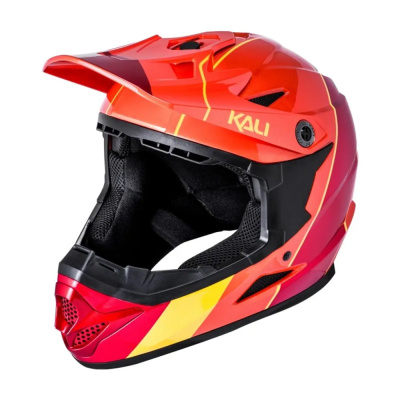
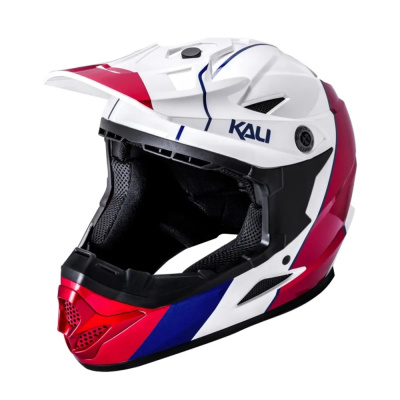
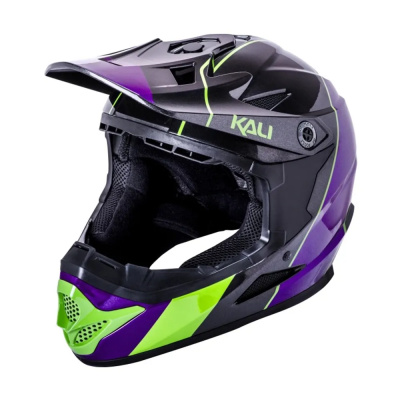
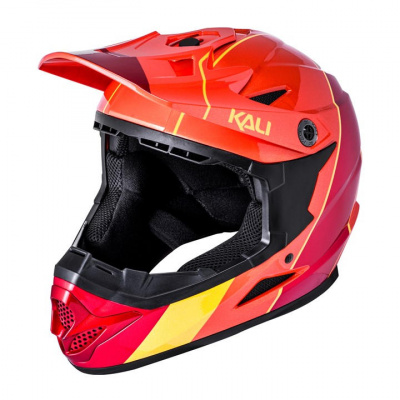
Prices and availability can change quickly. Delivery charges are not always included in listed prices.
Final price, stock status and delivery terms are set by retailer. We may receive a commission on purchases made.
How Composite Fusion and LDL Work in Practice
Most helmet construction involves bonding a separately moulded shell onto a pre-formed EPS liner. That junction is a weak point - both structurally and in terms of energy transfer during impact. Kali's Composite Fusion process eliminates it. The shell and EPS foam are formed together, which reduces overall helmet volume, trims weight without thinning the liner, and means impact forces are distributed across the whole structure rather than concentrated at the bond line.
That's the high-speed crash side covered. But a lot of real-world mountain bike impacts are slower, more oblique - the kind of sideways tumble into a dry-stone wall on a Yorkshire bridleway, or a slow-speed endo on wet roots. That's where LDL technology earns its place. The Armourgel pads placed throughout the helmet interior compress and shear on impact, reducing rotational forces by up to 25% and low-g linear forces by up to 30% compared to EPS alone. Rotational impact protection at this level used to be the preserve of much pricier lids.
For the rider, the practical payoff is twofold. Less mass sitting on your head means reduced neck fatigue on long descents - genuinely noticeable on a two-hour enduro stage day. And better energy dissipation across multiple impact types means the helmet is doing more work so your head doesn't have to absorb what's left over. It's not magic, but it's well-engineered physics.
The Kali Range: Picking the Right Lid
Kali's full face line-up covers three distinct use cases, and the differences are meaningful rather than cosmetic.
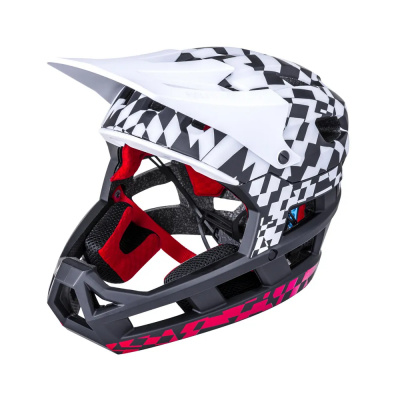
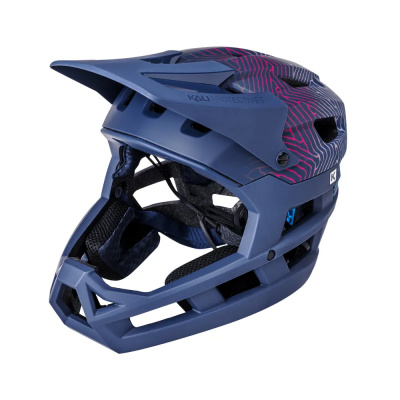
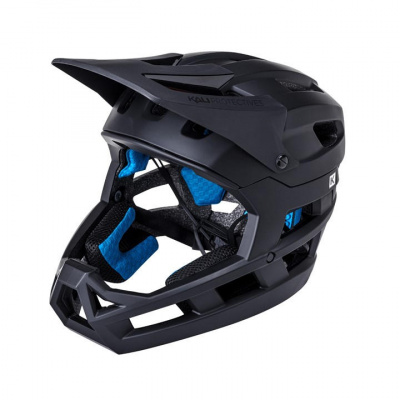
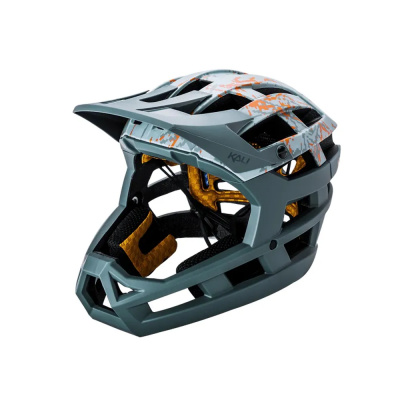
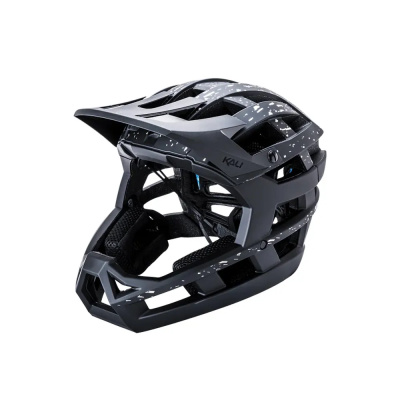
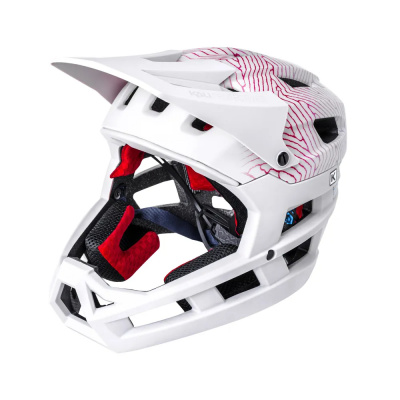
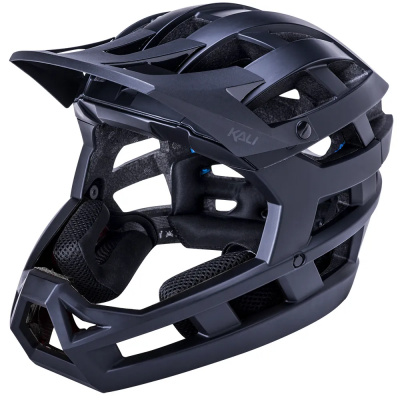
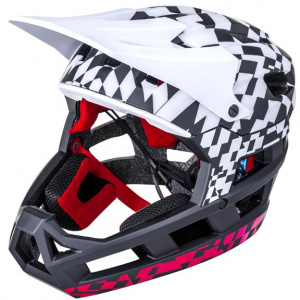
- Kali Invader - This is the one for enduro racing and aggressive trail riding. The chin bar ventilation is generous, with large exhaust ports that keep air moving on steep transition climbs. If you're doing multi-stage events or simply hate arriving at the top of a descent already soaked through, the Invader is built around that problem. It's DH certified too, so you're not trading protection for breathability.
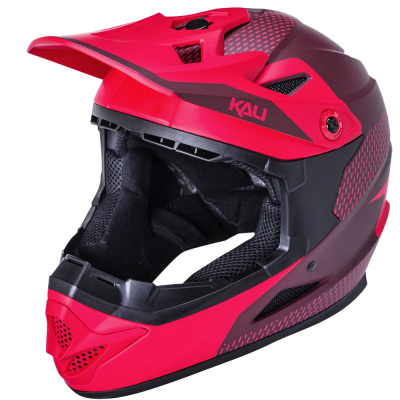
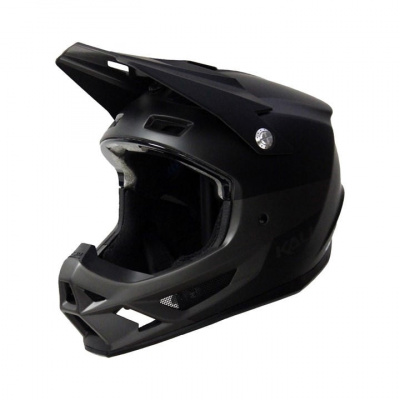
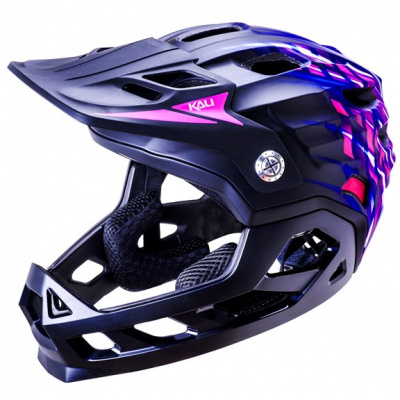
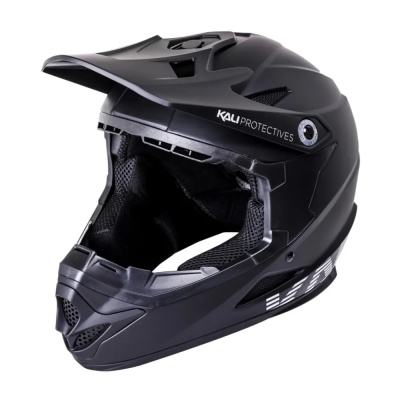
- Kali Zoka - Entry point into the Kali full face family. Solid for DH park laps and BMX, with Composite Fusion construction and LDL pads at a more accessible price. Ventilation is less aggressive than the Invader, which makes it better suited to lift-assisted riding where you're not grinding uphill between runs.
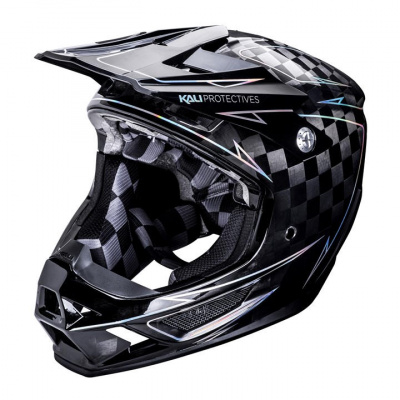
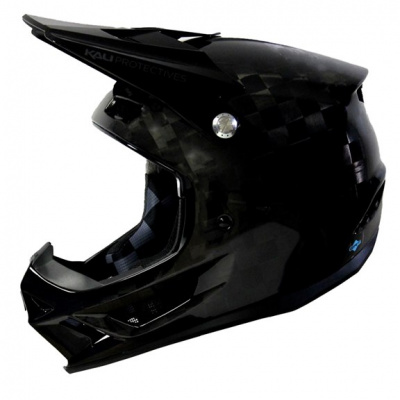
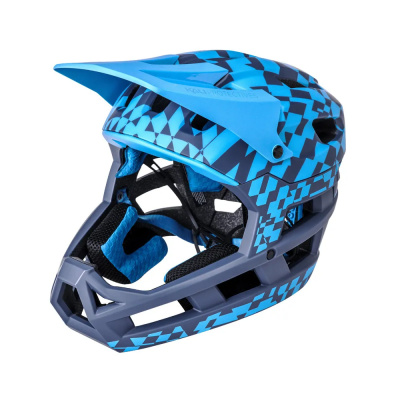
- Kali Shiva - The premium carbon option. Lighter shell, refined fit, and aimed at riders who want the least possible weight on their head during a race run without stepping away from full DH-level certification. The Kali Zoka vs Shiva question usually comes down to budget and whether gram-counting genuinely matters for how you ride.
Fit across the range runs true to size for most riders. The cheek pads are firm - they should compress your cheeks noticeably when you first try the helmet on. That's intentional. They bed in over a few rides. If the helmet rocks side to side when you shake your head, or you can push a finger between your forehead and the padding without force, go a size down or request thicker pads. Kali's sizing is consistent enough that online ordering isn't a gamble if you measure carefully.
If open-face protection is more your speed for trail days, browse our Kali Helmets range. Equipping younger riders? Our Kali Kids Helmets collection has you covered.
How does Kali sit against the broader market? Fox full face helmets tend to offer more colourways and a slightly wider fit profile, while Bell full face helmets and Troy Lee Designs full face helmets compete closely on ventilation and weight at the enduro end. Kali's edge is the LDL rotational protection tech at price points where competitors are still relying on EPS alone.
Goggle Fit, UK Conditions, and Keeping Your Lid in Shape
A full face helmet is only as good as the goggle seal in front of it. Kali designs the brow and goggle channel on helmets like the Kali Invader to sit flush with most standard MTB goggle frames - no step, no gap, no cold air funnelling in on a February descent in the Brecon Beacons. That seamless interface matters more than it sounds when you're moving fast through wet air. Fogging is almost always a ventilation problem, and a poorly fitting goggle-helmet combination restricts the airflow you need to keep lenses clear.
Post-ride care is straightforward but worth doing properly, especially through winter. The anti-microbial, washable liner pads pull out easily - do it after muddy sessions rather than letting grit and sweat work into the foam. A cold rinse and air dry is enough; machine washing degrades the materials faster than it's worth. Check the chin strap hardware and retention buckle while you're at it.
After any significant impact, inspect the EPS liner and chin bar for micro-cracks or deformation. EPS doesn't always show visible damage when it's been compressed. If you hit hard enough to feel it in your neck, the helmet has likely done its job and should be replaced. You can pick up Kali helmet spares - including replacement pads and liners - to extend the life of a helmet that's had softer knocks rather than replacing the whole thing unnecessarily.
Pair the helmet with Kali knee pads and Kali gloves for a protection setup that's been designed to work together - same impact philosophy, same brand fit logic.
Kali Protectives Full Face Helmets FAQs
How do I know my Kali full face helmet fits correctly?
The helmet should sit snugly on your crown with no pressure points, and the cheek pads should compress your cheeks firmly - they'll soften slightly over time. If the helmet shifts when you shake your head side to side, or you can slide a finger between your forehead and the padding without resistance, size down or ask about thicker pad options.
Are Kali full-face helmets suitable for enduro climbing?
The Kali Invader is specifically built for this. Its heavily vented chin bar and large exhaust ports keep airflow moving on steep, humid transition climbs - the kind you get at most UK enduro venues. You get full DH-certified protection on the way down without cooking on the way up.
What is Kali LDL technology and how does it work?
LDL stands for Low Density Layer. It's a system of Armourgel pads positioned throughout the helmet interior that compress and shear on impact, handling rotational forces and low-g linear hits that standard EPS foam doesn't address well. Kali's figures put the reduction at up to 25% for rotational forces and up to 30% for low-g linear impacts.