
Kali Protectives Helmets
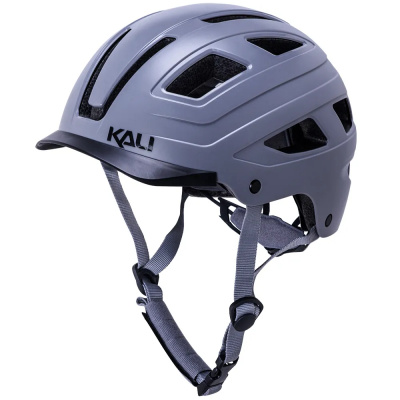
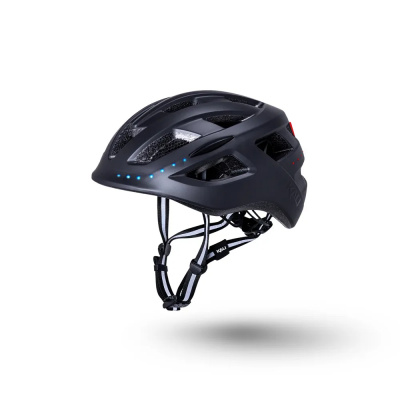
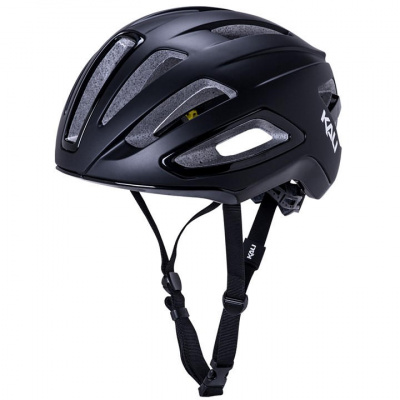
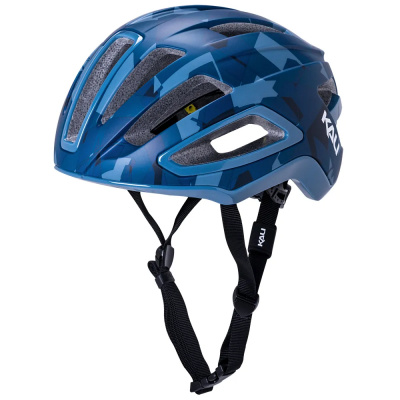
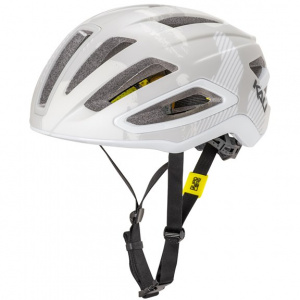
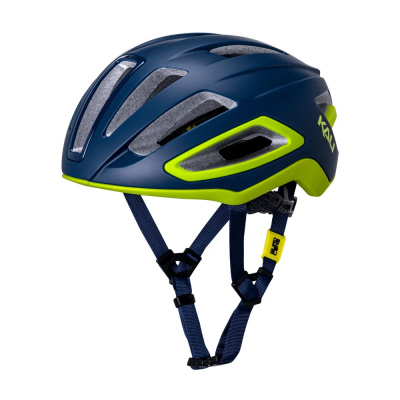
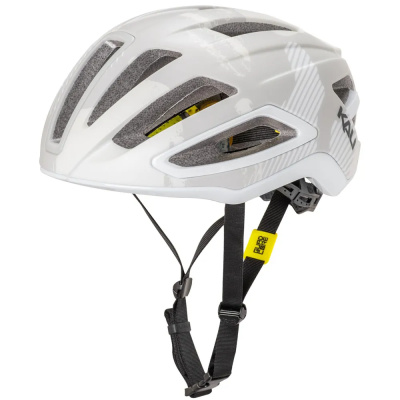
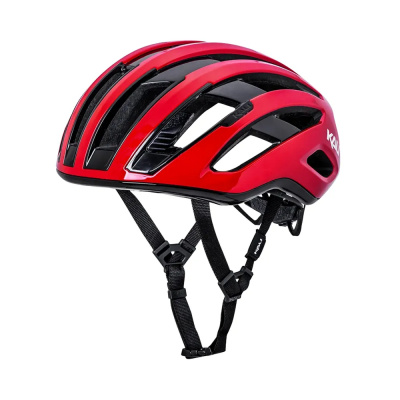
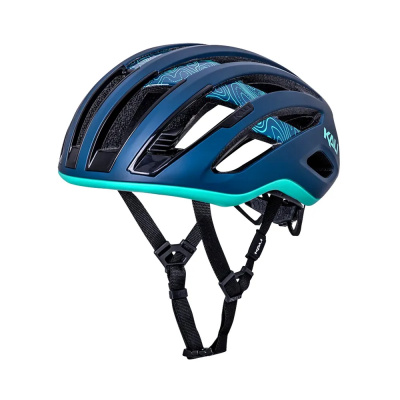
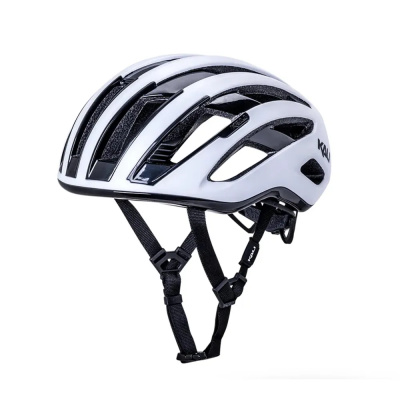
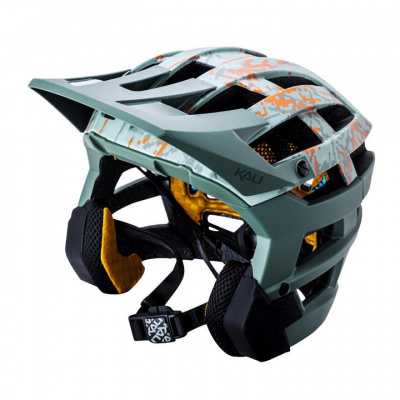
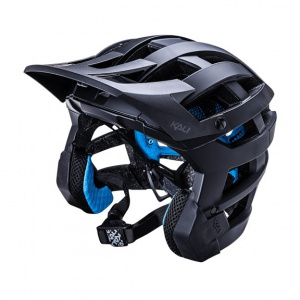
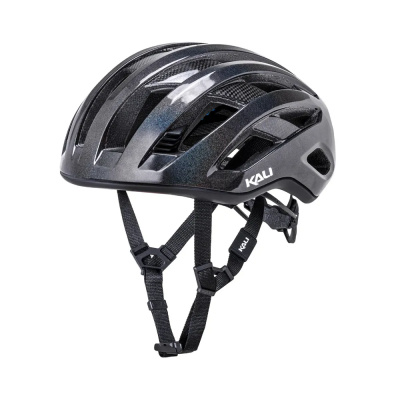
Kali Protectives helmets were built around a single idea: that the gap between a helmet's outer shell and its EPS foam wasn't just an engineering compromise - it was a safety problem. Founded by an aerospace engineer, Kali tackled that directly with their Composite Fusion technology, which bonds the shell and foam into one continuous structure. No gap, less bulk, better energy dissipation on impact. It sounds straightforward because it is.
What followed was a range of trail, enduro, and commuter lids that punch well above their weight on safety credentials. The LDL (Low Density Layer) system adds rotational impact protection via Rheon polymer strips - a meaningful addition when you consider how many real-world crashes involve your head twisting as it hits the ground. That's not a small detail.
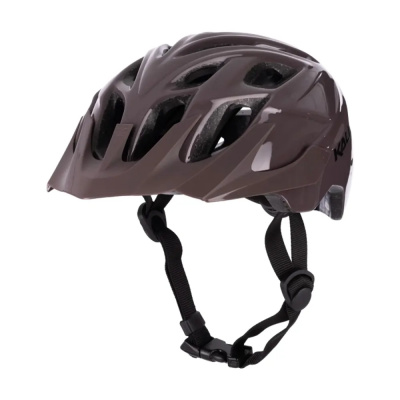
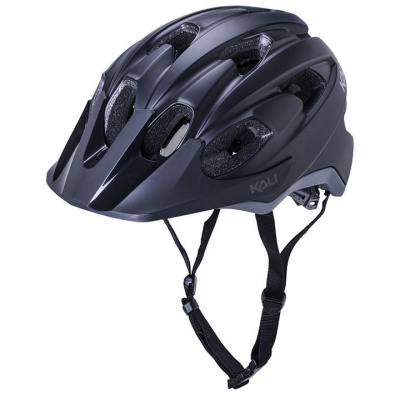
For UK riders, the range covers everything from weekend blasts at Swinley Forest to proper days out at BikePark Wales. Ventilation, all-day comfort, and washable anti-microbial pads for when the trails are more mud than flow - it's a practical package. Whether you're comparing Fox helmets, Bell helmets, or something completely new, Kali is worth a serious look.
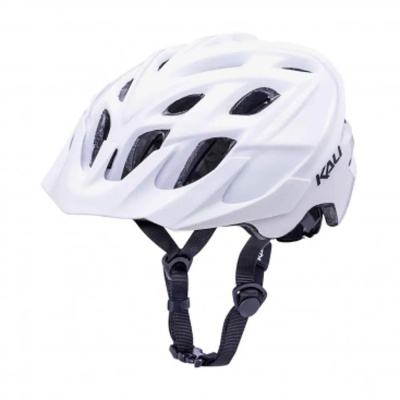
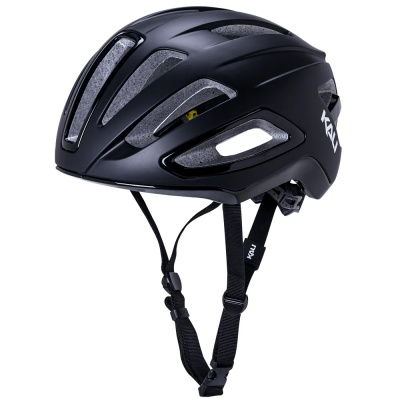
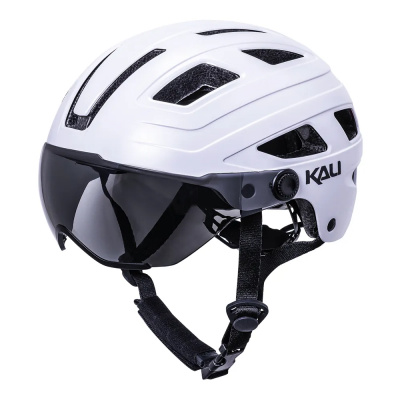
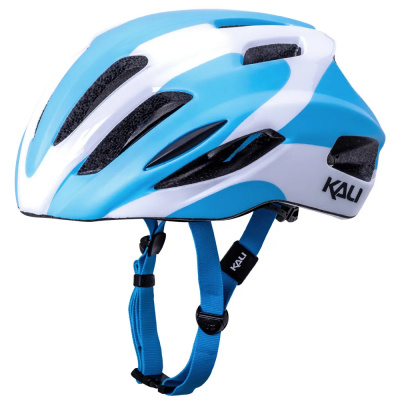
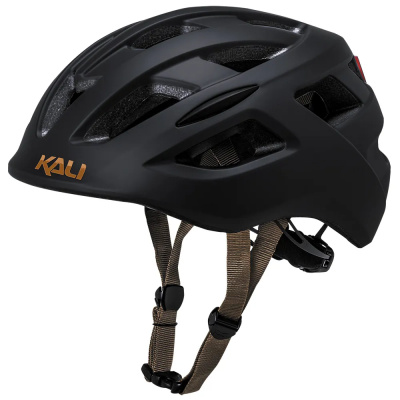
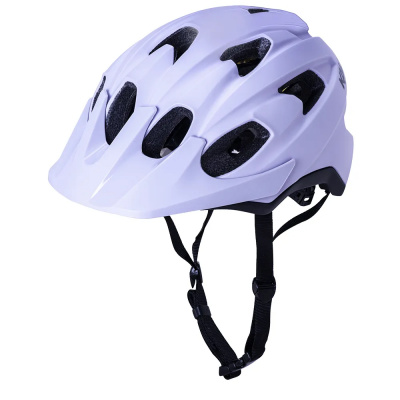
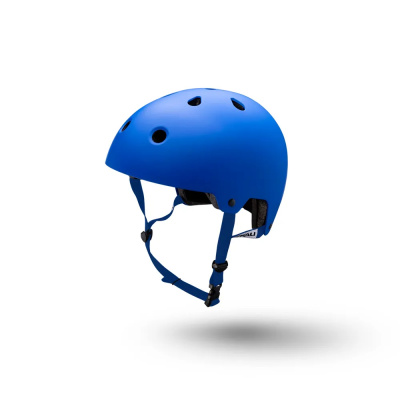
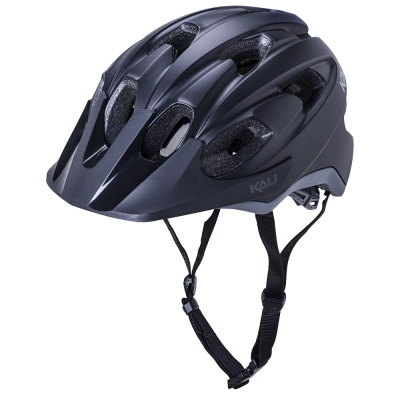
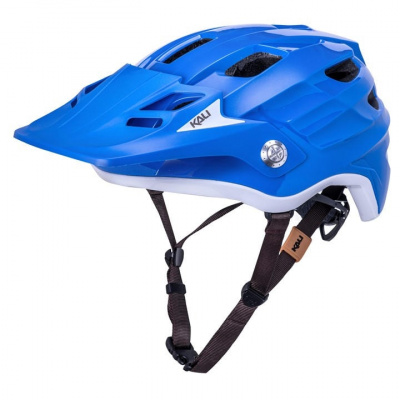
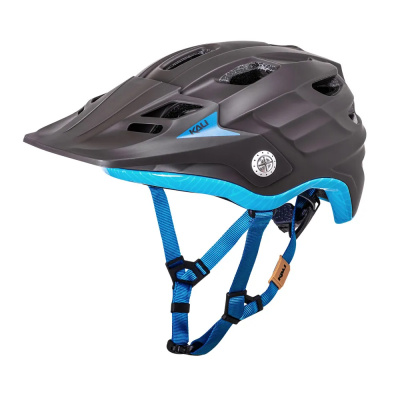
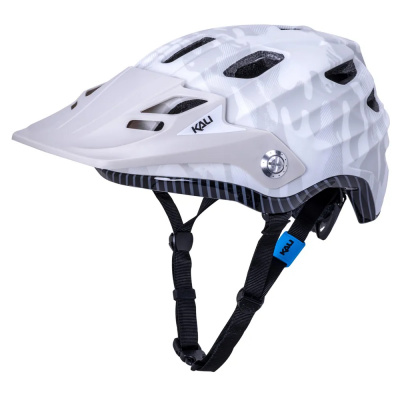
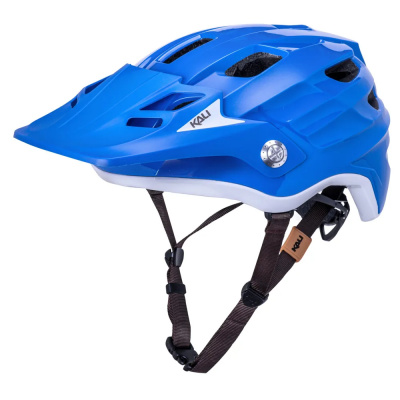
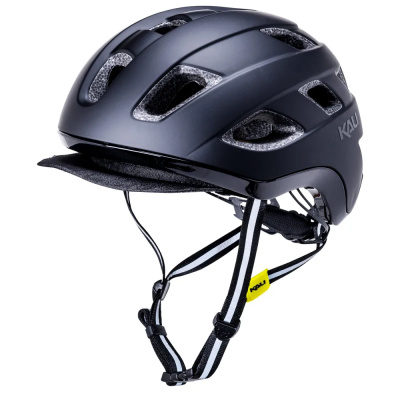
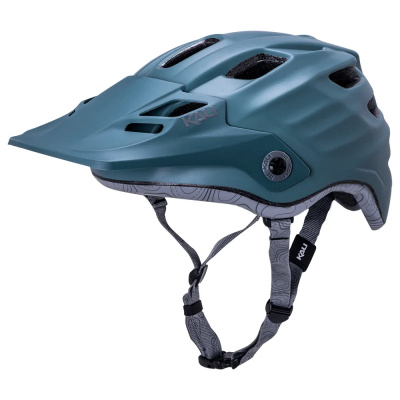
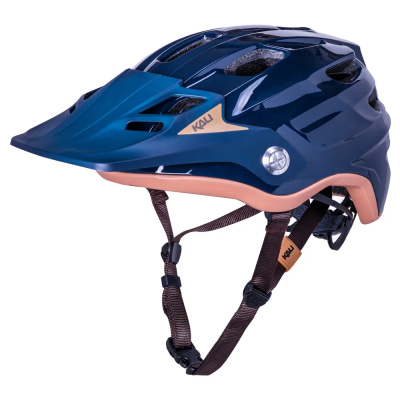
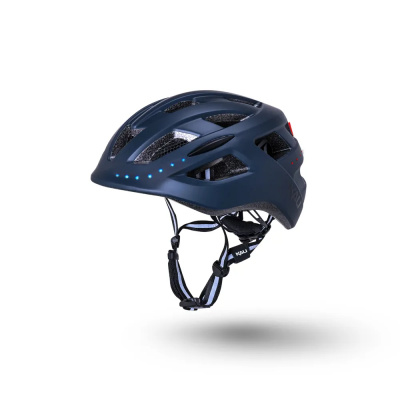
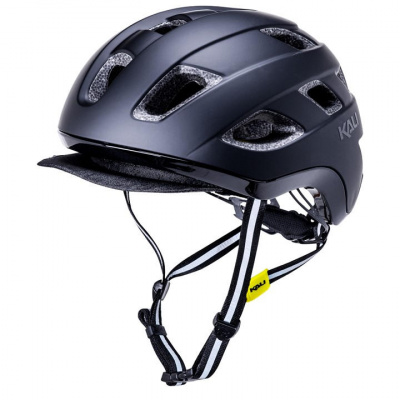
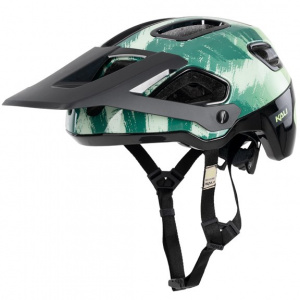
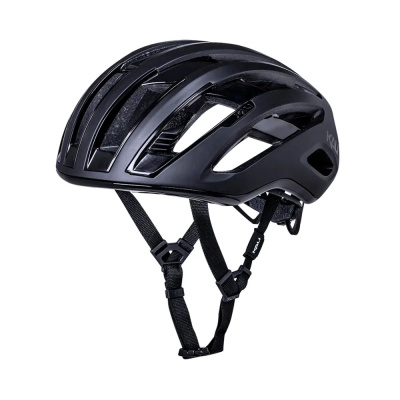
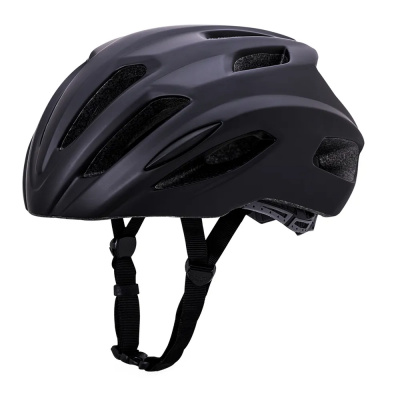
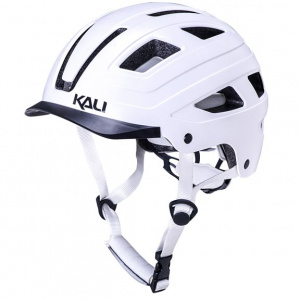
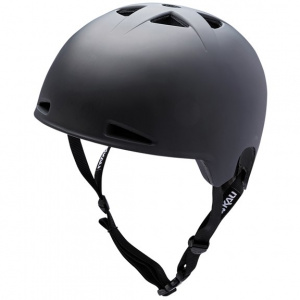
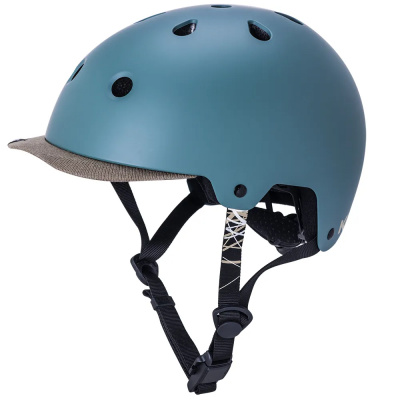
Prices and availability can change quickly. Delivery charges are not always included in listed prices.
Final price, stock status and delivery terms are set by retailer. We may receive a commission on purchases made.
Impact Tech & Trail Performance
Start with Composite Fusion, because it's the foundation everything else builds on. Traditional helmet construction bonds a separate shell over pre-made EPS foam - a process that leaves microscopic gaps and can allow the shell to shift fractionally on impact before force transfers to the foam. Composite Fusion eliminates that by moulding the shell and EPS together in a single process. The result is a helmet that's lighter for its protection level, trimmer in profile, and more consistent at spreading impact energy across the foam rather than concentrating it at a point. You notice the weight difference immediately when you pick one up.
Layered on top of that is LDL - Low Density Layer - which is Kali's answer to rotational impact. The system uses Rheon polymer strips positioned inside the helmet to absorb the kind of angular forces that standard EPS handles poorly. Rotational impact is where a lot of the serious injury risk in cycling crashes actually lives, particularly on awkward off-camber falls where your head doesn't hit flat. LDL is engineered to reduce rotational forces by up to 25% and low-g linear forces by around 30%. Those aren't marketing numbers - they come from independent testing, and they matter on the kind of rooty, slippery singletrack that makes up a good chunk of UK riding.
Ventilation is a reasonable question for anyone spending time on slow, grinding UK woodland climbs where airflow is limited and you're generating plenty of heat. Kali's trail lids use a channelled venting architecture that moves air efficiently even at lower speeds - not the cavernous port design you'd find on a pure XC race lid, but genuinely functional in the humid, close conditions you get on a typical British summer day. The anti-microbial moisture-wicking pads pull their weight here too, keeping things fresh over long efforts. Pair that with a set of Kali gloves and you've got a coherent kit approach from the same brand.
Understanding the Kali Fit & Range
Kali helmets are built around an intermediate oval profile - that middle ground that fits the majority of head shapes without the pressure points you can get from a notably round or notably narrow lid. If you've ever tried on a helmet that felt fine at the front but pinched at the sides, or vice versa, the intermediate oval is likely to feel like a relief. Measure your head circumference just above the eyebrows, then match it against Kali's sizing chart - don't guess. Their sizes run true, but head shapes vary enough that the tape measure is non-negotiable.
The dial fit retention system does the fine-tuning work. A simple turn at the back of the helmet cinches the retention cradle around your head, letting you get the fit snug without over-tightening the straps. It's a system that works well with a buff or thin beanie underneath for colder days - worth knowing if you're riding through autumn into winter. Get the dial set before you ride, not on the move.
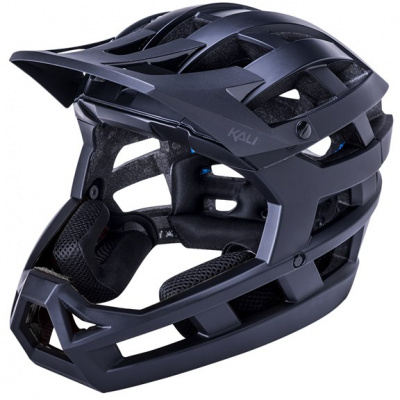
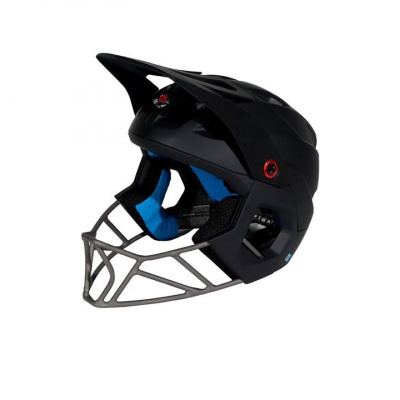
On range: if you're after a full-face lid for park days or technical enduro riding, the Kali full face helmets page covers the dedicated options with the right detail for that discipline - chin bar geometry, goggle compatibility, and coverage profiles are all specific enough to warrant their own focus. That's where to go if you're planning BikePark Wales laps or anything where a trail lid's coverage won't cut it.
If you're buying for a younger rider, the Kali kids helmets page walks through the junior-specific options - sizing for smaller head circumferences, fit systems scaled accordingly, and the protection tech that carries across from the adult range. Don't try to size down an adult helmet; the fit geometry doesn't translate.
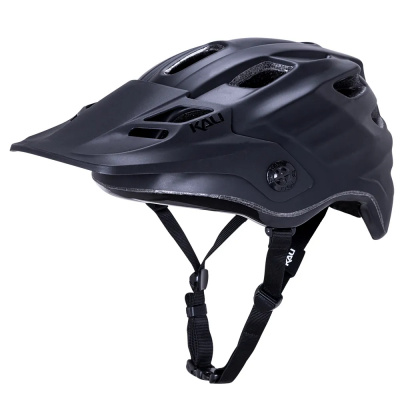
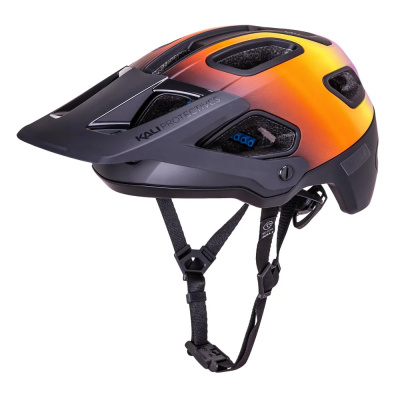
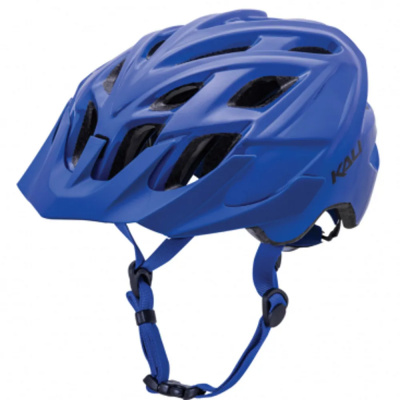
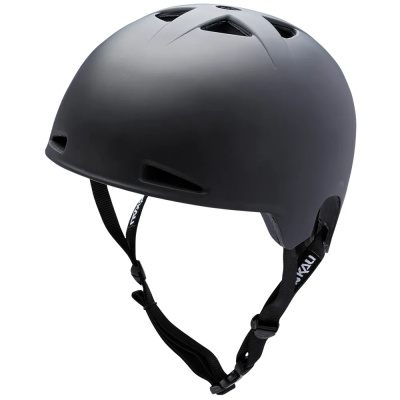
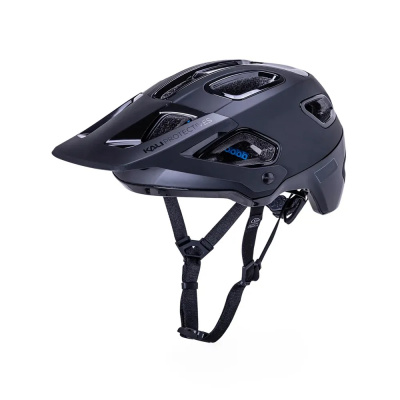
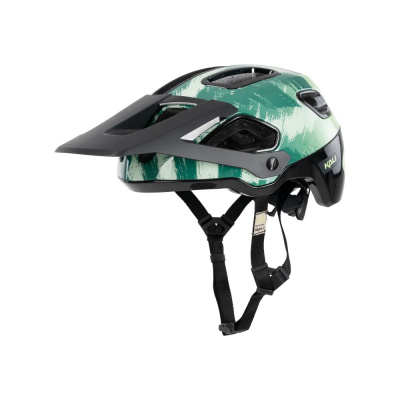
For the open-face trail and commuter end of the range, you're looking at models that balance deep rear coverage with enough ventilation to stay comfortable over longer rides. The fit systems and pad setups are consistent across the range, so once you know your size, switching between models is straightforward. Riders comparing options from Giro helmets will find Kali sits in a similar space technically, often with a more aggressive safety spec for the price.
Care & Maintenance for UK Riding
A British winter will find every weakness in your kit, and helmets are no exception. Mud gets into the retention dial, straps absorb grime, and pads end up smelling like they've been left in a wet kit bag - because they have. The good news is Kali's pad system is designed with this in mind. The anti-microbial moisture-wicking pads unclip cleanly from the interior without tools. Hand wash them in cool water with a mild detergent, squeeze out the excess, and leave them to air dry flat. Don't wring them or tumble dry - the foam backing will degrade and the fit will change.
The retention dial and strap buckles respond well to a rinse with clean water and a soft brush after muddy rides. Grit left to dry in the mechanism will eventually cause the dial to skip or stick. Takes thirty seconds to sort at the end of a ride. Do it then, not the morning of the next one when you're running late.
The most important storage note: keep the helmet away from direct heat. Radiators, car boot in direct sun, the shelf above the boiler - all of these will slowly degrade the EPS foam and compromise the helmet's ability to absorb impact. A dry cupboard or gear bag away from heat sources is all it needs. And if you've had a significant crash - one where the helmet took a proper hit - replace it, even if the shell looks intact. EPS compresses on impact and doesn't fully recover. Pair your helmet care routine with looking after your Kali knee pads and the whole protection setup stays in better shape across the season.
Kali Protectives Helmets FAQs
How do Kali Protectives helmets fit?
Kali helmets are built on an intermediate oval profile, which suits most head shapes well. Measure your head circumference just above the eyebrows and match it to Kali's sizing chart - they run true to size. The dial retention system handles fine adjustments once you've picked the right size.
What is Kali LDL technology?
LDL stands for Low Density Layer - Kali's rotational impact protection system using Rheon polymer strips inside the helmet. It's designed to reduce rotational impact forces by up to 25% and low-g linear forces by around 30%, addressing the kind of angled impacts that standard EPS foam handles less effectively.
Do Kali helmets have a crash replacement policy?
Yes. Kali Protectives offers a Lifetime Crash Replacement policy on a significant portion of their range. If your helmet takes a proper impact, you can file a claim for a replacement rather than riding on with a lid that may have compromised protection - even if the damage isn't visible.