
Kali Protectives Kids Helmets
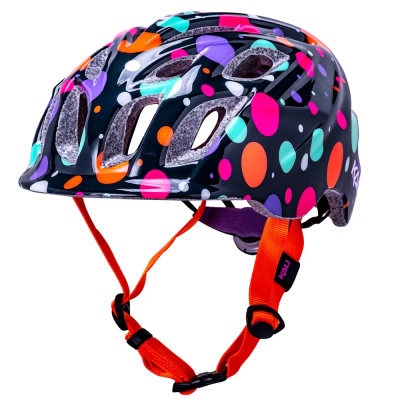
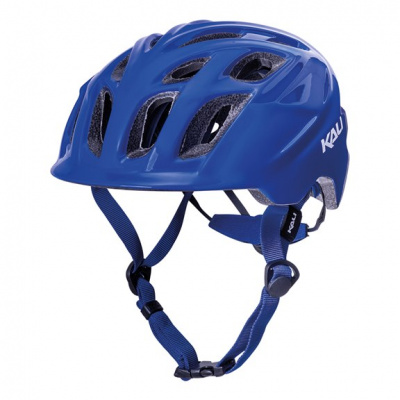
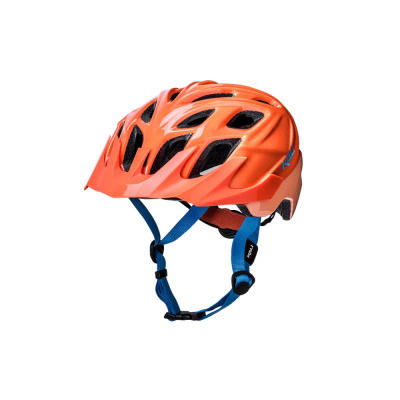
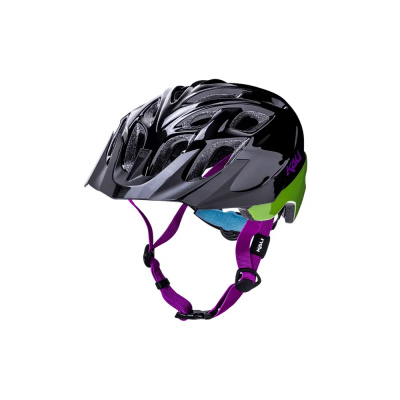
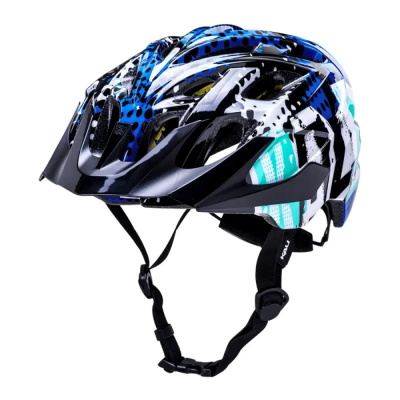
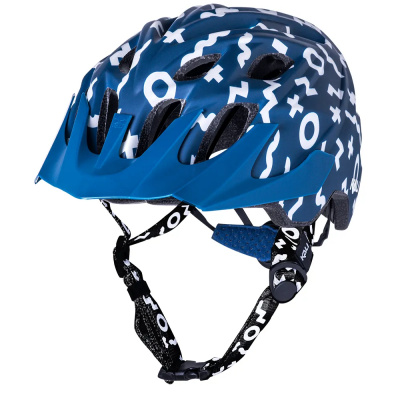
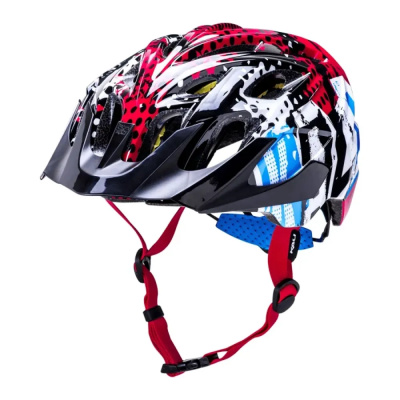
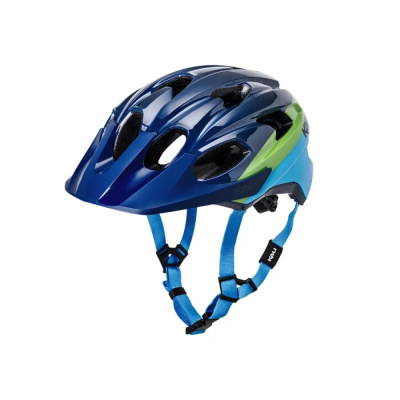
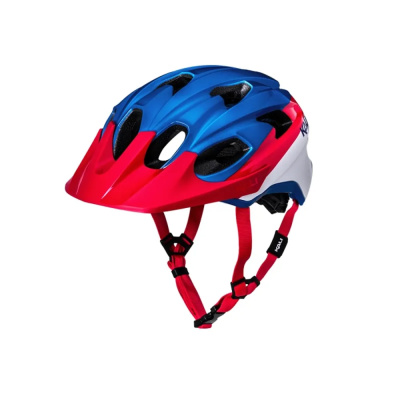
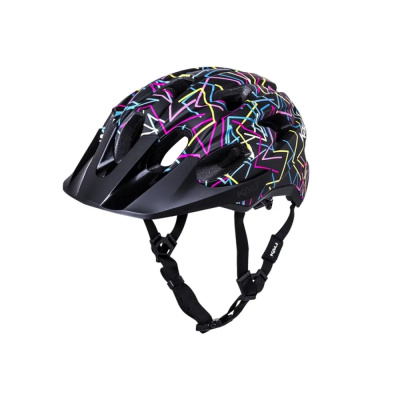
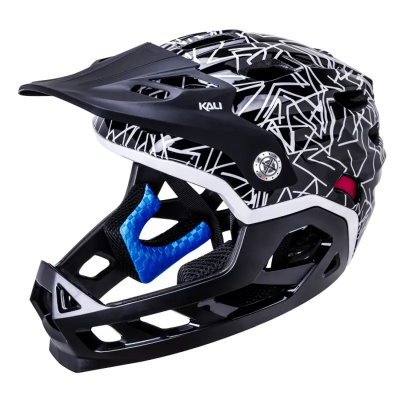
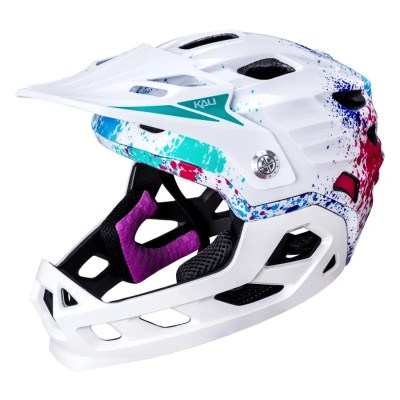
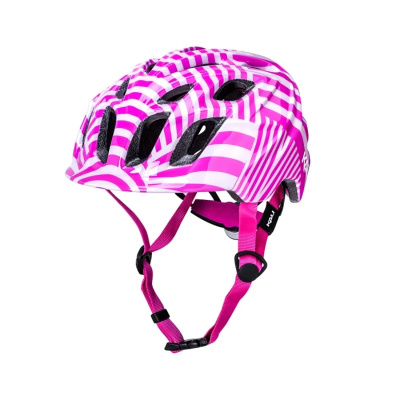
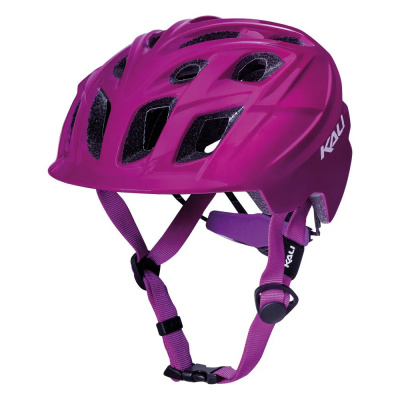
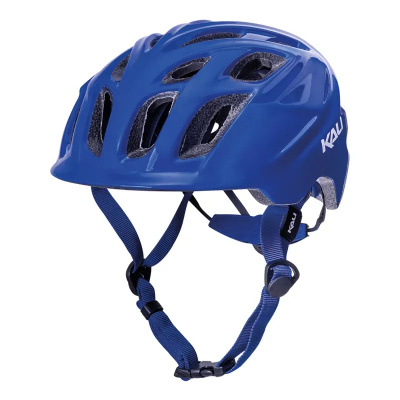
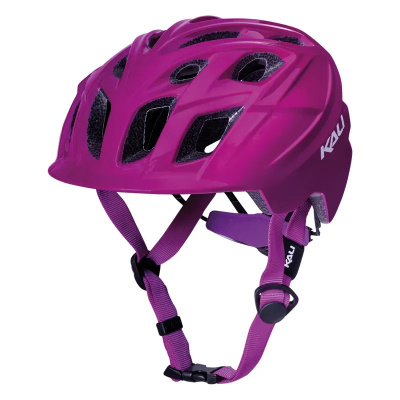
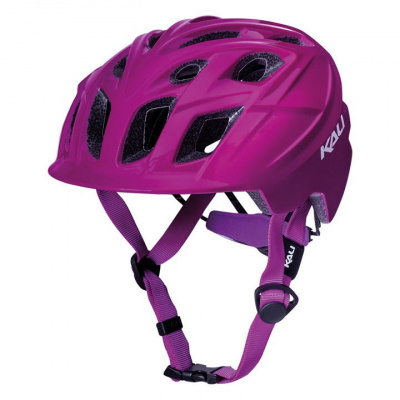
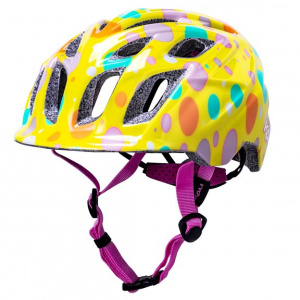
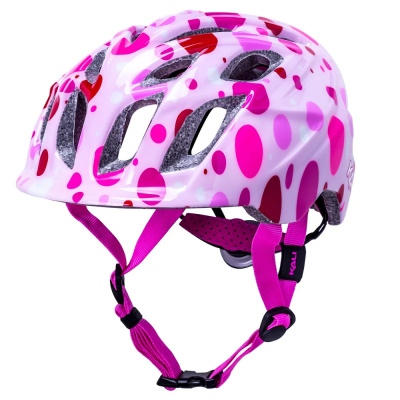
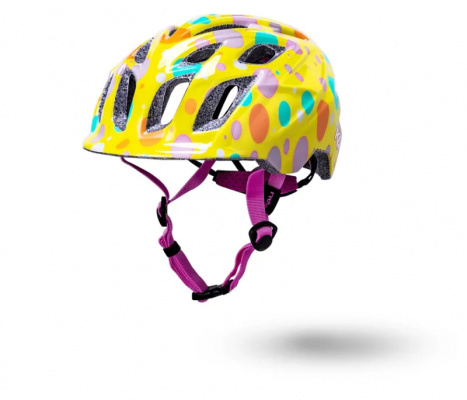
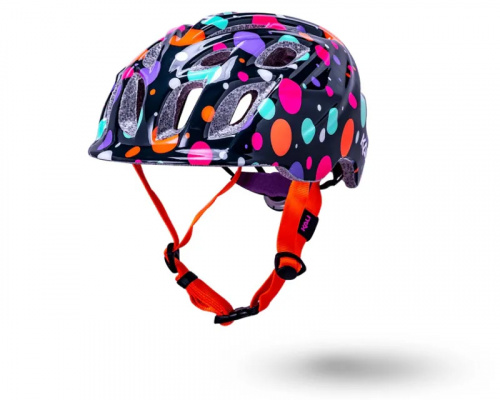
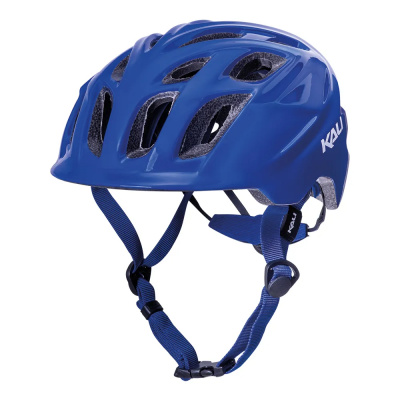
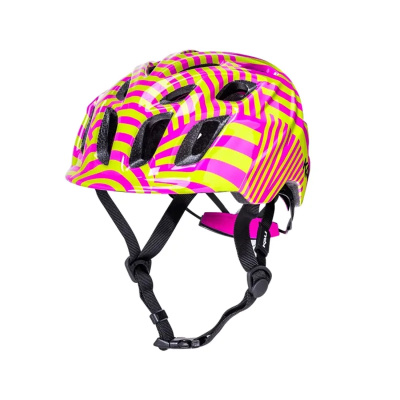
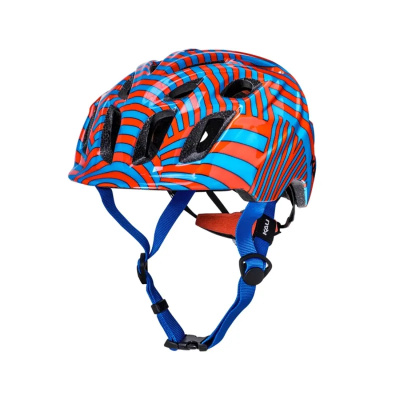
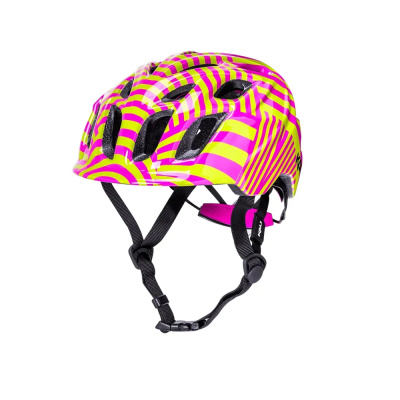
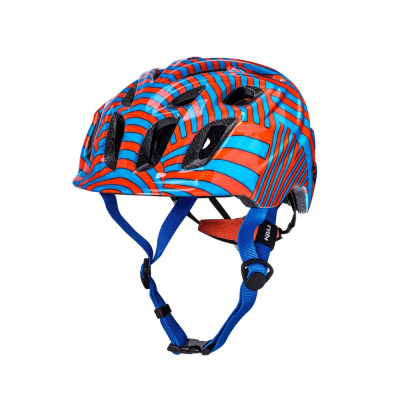
Kali Protectives kids helmets bring proper, no-compromise safety technology to younger riders - not a scaled-down afterthought, but a genuinely engineered lid built for growing heads. The same Composite Fusion construction that appears in Kali's adult range is right here, keeping weight low and protection high. That matters when your child is still building neck strength and confidence on the bike.
These helmets are designed to be exceptionally light without thinning the structure where it counts. Deep shell coverage wraps further down the back and sides than most entry-level kids' lids, and a dial-fit closure system means you can micro-adjust the fit in seconds - useful when a child's head grows what feels like a centimetre between school terms. Ventilation channels run front to back, so a July afternoon at a trail centre doesn't turn into a sweaty protest.
Whether your child is wobbling around the local pump track for the first time or starting to pick up speed on their first proper trail bike, Kali's youth range covers them. And because UK riding means mud, rain, and helmets left by the back door, removable anti-microbial pads and washable straps make keeping everything fresh genuinely straightforward.
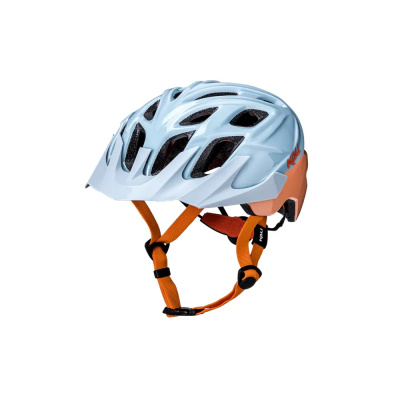
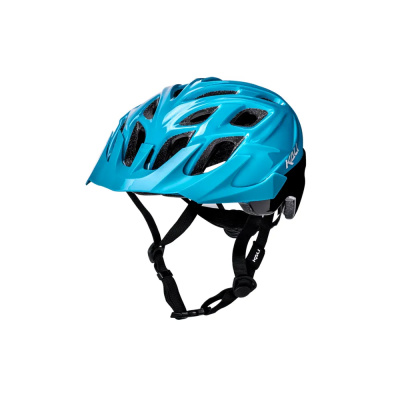
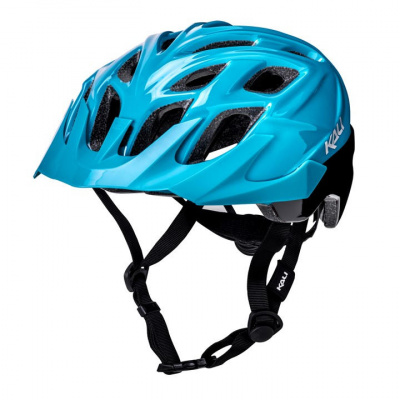
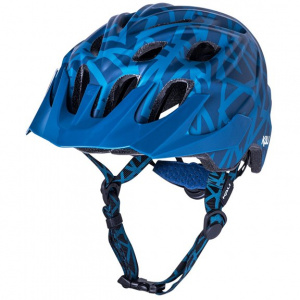
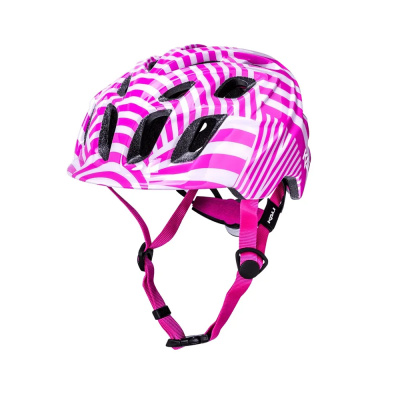
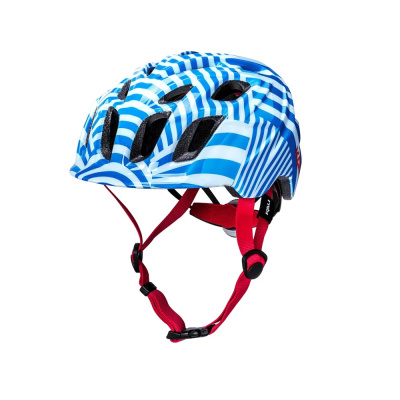
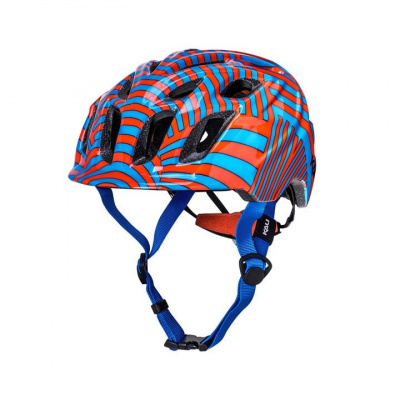
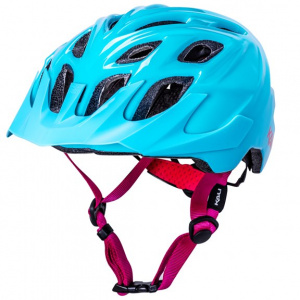
Prices and availability can change quickly. Delivery charges are not always included in listed prices.
Final price, stock status and delivery terms are set by retailer. We may receive a commission on purchases made.
Safety Tech and How It Performs on the Bike
Kali's Composite Fusion technology is the core of what makes these helmets stand out. Rather than gluing a separate plastic shell over a block of EPS foam, the two are fused together during manufacture - the shell becomes part of the foam liner, not a jacket sitting over it. The result is a helmet that's structurally stiffer, noticeably lighter, and free of the small gap between shell and foam where energy from an impact can get lost in unwanted movement. For a child's helmet, eliminating that gap also means a smaller, more proportionate fit on a young head.
That matters for LDL rotational impact management too. When a child takes an angled knock - say, clipping a low branch or going over the bars onto rough gravel - the forces involved aren't purely linear. A well-integrated shell and liner structure helps disperse those angular forces more effectively than a loose-fitting two-piece construction. It's not magic, but it's measurably better engineering for the price.
Ventilation on Kali's youth lids is designed with a practical balance in mind. Channels are sized to move air efficiently during active riding without opening up the shell to the point where coverage suffers. On a humid August afternoon at Cannock Chase or a warm half-term session at the bike park, that airflow keeps a child comfortable enough to keep their focus on riding rather than pulling their helmet off every ten minutes. Cold wind on a blustery Welsh ride is less of a concern with the broader coverage these helmets offer compared to road-oriented kids' lids. If you're comparing options, Bell kids helmets and Giro kids helmets are worth a look for back-to-back comparisons on ventilation and shell depth.
Getting the Fit Right
A helmet that doesn't fit correctly isn't doing its job - and the temptation to buy a size up so a child can grow into it is one of the most common mistakes parents make. A loose helmet moves on impact before it can do its work. Get the fit right now, adjust as they grow.
Measuring is simple. Wrap a soft tape measure around your child's head roughly one inch above their eyebrows - that's the widest part of the skull and where the helmet sits. Note the circumference in centimetres, then match it to Kali's sizing chart. If you're between sizes, go smaller rather than larger and use the dial fit system to open it out to a snug position.
The dial fit system on Kali's youth helmets allows for fine, repeatable adjustments - a few clicks at the back of the cradle and the retention system tightens or loosens evenly around the head. It's far more precise than velcro tabs and takes about three seconds to readjust when your child is standing in the car park telling you it doesn't feel right. Straps should sit flat against the jaw with roughly a finger's width of clearance under the chin. The Y-junction of the side straps should sit just below each ear, not sitting on or behind it.
Don't buy ahead. A helmet worn too large won't protect properly, and the dial-fit range only compensates so far. When the dial reaches maximum and it's still slightly loose, that's the signal to size up - not before.
If you're shopping for an older rider who's moved into adult sizing, our Kali Protectives Helmets page covers the full adult range. For young riders pushing into more aggressive trail riding, take a look at our Kali Protectives Full Face Helmets collection before committing to an open-face lid.
Keeping It Clean and Ready for UK Riding
UK riding conditions are what they are - mud-splattered straps, foam pads that smell like they've done three laps of a wet forest, and helmets that end up in a cold shed rather than a warm hallway. A bit of care goes a long way to keeping a Kali youth helmet performing properly.
The anti-microbial pads are removable and washable, which is one of those features you only really appreciate once you've had to deal with the alternative. Pull them out after muddy sessions, rinse with mild soapy water, and let them air dry away from direct heat. Avoid tumble drying - heat degrades the foam backing in the pads faster than riding ever will. The straps can be wiped down while still on the helmet or unclipped and washed the same way. A thin toothbrush gets into the buckle housings where grit tends to sit.
Cold-weather riding often prompts the question of whether a thin thermal skull cap fits under the helmet without compromising safety. A slim, close-fitting cycling cap works fine - the kind that covers the ears and sits flat on the skull. It needs to be thin enough that the dial fit system can still close down to the correct position on your child's head. If you're clicking the dial to maximum and it still feels slack, the cap is too thick and needs to come off. Adjustable straps may also need a small tweak when adding a layer underneath, so check the chin clearance again each time.
Storage is worth taking seriously. EPS foam absorbs moisture and degrades in freeze-thaw cycles - two things a damp garden shed provides in abundance through a British winter. Store the helmet indoors. A hook in a hallway cupboard costs nothing and keeps the liner in good condition for the full lifespan of the helmet. It's also worth checking for Kali knee pads and Kali gloves to round out your child's protection setup - especially once they start riding anything with roots or drops. For a wider look at the youth helmet market, Fox kids helmets and MET kids helmets offer solid alternatives if you want to compare certifications and coverage depth side by side.
Kali Protectives Kids Helmets FAQs
How do I measure my child's head for a Kali helmet?
Wrap a soft tape measure around your child's head about one inch above the eyebrows and note the circumference in centimetres. Match that number to Kali's sizing chart - if they're between sizes, go smaller and use the dial-fit system to open it out to the correct position.
Are Kali kids helmets safe for mountain biking?
Yes. Kali's youth helmets use the same Composite Fusion construction as their adult MTB lids, fusing the shell and EPS liner for better impact management on trail riding. If your child is riding aggressive downhill lines regularly, a youth-specific full-face helmet is worth considering instead.
When should I replace my child's bike helmet?
Replace it immediately after any significant impact, even with no visible cracking - EPS foam compresses on impact and won't recover. Otherwise, plan for a replacement every three to five years, or sooner if the dial-fit system reaches maximum adjustment and the helmet still sits loose.