
Ibis MTB Wheels
Ibis MTB wheels built the case for wide rims before most brands had even started the argument. The range runs from the S28 carbon wheels - lean and fast for XC and light trail riding - through the burly S35 carbon enduro hoops, and down to the Send alloy series for riders who want bombproof over boutique. What ties them together is an asymmetric rim profile that offsets spoke holes to balance tension between drive and non-drive sides, meaning the wheel stays true longer even after a proper hiding on rooty descents. Ibis also licences Stan's Bead Socket Technology on their rims, which makes tubeless setup genuinely straightforward rather than a Sunday-afternoon wrestling match. Hub options run from the solid, no-drama Ibis Logo units to the Industry Nine Hydra hubs with 690 points of engagement - that's near-instant bite when you drop a steep roll-in. Carbon models use a proprietary toughened hybrid layup designed to resist impacts rather than just chase low weight. For UK riding, where grit is relentless and roots stay slippery well into July, that balance of width, stiffness, and reliable tubeless performance matters more than shaving a few grams. Compare UK prices on the full range below.
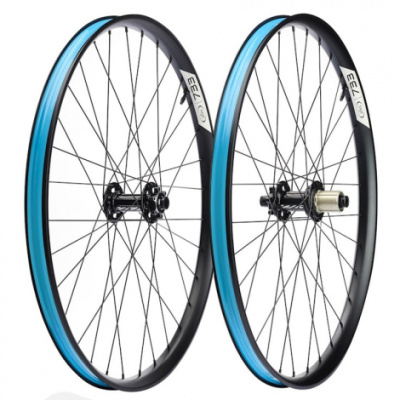
Prices and availability can change quickly. Delivery charges are not always included in listed prices.
Final price, stock status and delivery terms are set by retailer. We may receive a commission on purchases made.
Axle Standards, Freehub Bodies, and Getting the Fit Right
Before anything else, check your spacing. Ibis wheels are built predominantly around Boost standards - 15x110mm at the front, 12x148mm at the rear - with SuperBoost (12x157mm) available for specific builds, particularly on longer-travel frames where the wider rear axle helps chain line. If your frame is older and runs non-Boost spacing, Ibis isn't the wheelset for you; these aren't offered in standard 142mm rear configurations.
Freehub body choice is equally important and worth a minute of thought before you order. Shimano Micro Spline is the right call for 12-speed Shimano drivetrains, while SRAM users running a 12-speed cassette need the SRAM XD driver. If you're still on a 10 or 11-speed HG-style cassette, the standard HG freehub body covers that. Brake rotor fitment is typically 6-bolt across the Ibis range, though centerlock variants appear depending on which hub spec you choose - worth confirming at the point of purchase. Getting these details right before you buy saves the frustration of a wheel arriving and sitting in the corner waiting for a part.
If you're building up an Ibis mountain bike from scratch or replacing wheels on an existing rig, the Boost-standard fitment across modern Ibis frames makes the wheel-to-frame marriage clean and straightforward.
Carbon or Alloy: Picking the Right Tier
The S28 is the XC and light trail option. A 28mm internal rim width sits on the narrower end of modern carbon hoops, which suits faster-rolling 2.2 - 2.4-inch tyres and riders who want a snappier feel on climbs. The toughened hybrid carbon layup uses a proprietary resin system that prioritises impact resistance over outright weight savings - so it's not a pure XC race wheel, but it won't crack the moment it clips a rock shelf either.
The S35 is the one most UK trail and enduro riders will gravitate toward. A 35mm internal rim width gives tyre sidewalls proper support at the lower pressures you need on wet Welsh slate or muddy Peak District grit. Running a 2.5-inch tyre on a rim this wide stops the carcass folding under hard cornering loads, and it's what makes sub-20 psi pressures workable without the tyre squirming off the bead. The same asymmetric rim profile and Stan's BST tubeless bed carry across from the S28, and the toughened hybrid carbon layup is consistent across both models. If you're comparing carbon options from other brands, ENVE MTB wheels and Reserve MTB wheels sit in a similar bracket - though Ibis tends to position on durability and value rather than chasing the lightest possible build.
The Send alloy series is a different conversation. The Send 2 rear rim features a hollow box section built directly under the bead - a practical piece of engineering that eliminates pinch flats even without running tubeless. Mechanics tend to like alloy wheels for their repairability, and the Send 2 is no different: dents can sometimes be persuaded back into shape in a way that cracked carbon cannot. It's heavier than the carbon options, but for someone who rides hard, crashes occasionally, and doesn't want to think too carefully about what they're riding into, the Send makes sense. Hope MTB wheels occupy similar ground for UK riders wanting tough alloy builds with excellent serviceability.
On hubs, the choice is straightforward. Ibis Logo hubs use standard sealed cartridge bearings - cheap to source, easy to press out on a workbench, and not fussy about conditions. I9 Hydra hubs deliver faster engagement and a more immediate feel under power, but they need attention: the freehub mechanism requires Dumonde Tech freehub oil and regular cleaning if you're riding through winter grit, otherwise the pawls can stick in cold, wet conditions.
Surviving UK Winters: Durability and Hub Maintenance
UK riding is hard on wheels. Grit embeds itself into bearing seals, mud gets into every gap, and the rocks don't get softer just because it's November. The asymmetric rim design on Ibis carbon wheels does help here - equal spoke tension across both sides means the wheel resists lateral deflection more effectively, and a wheel that's properly tensioned stays true longer on rough descents through places like the Tweed Valley or Afan. That's not just marketing geometry; it's the reason a well-built asymmetric wheel will still be in true after a season of abuse while a conventionally drilled rim might need attention.
If you opt for Ibis Logo hubs, maintenance is simple. Standard cartridge bearings can be replaced with off-the-shelf parts from any bearing supplier, and the process is within reach of anyone comfortable with a bearing press and a workshop manual. Budget a bearing service every season if you're riding through winter, more often if you're regularly cleaning the bike with a pressure washer. I9 Hydra hubs require a different approach: strip and clean the freehub body every few weeks during heavy winter use, re-oil with Dumonde Tech, and don't ignore the first signs of sluggish engagement. Left too long, a sticky pawl becomes a pawl that doesn't engage at all. If you want the fast engagement without the fuss, DT Swiss MTB wheels with their ratchet EXP system offer a maintenance-friendly alternative worth comparing.
Wide internal rims also earn their keep on wet UK trails. The S35's 35mm internal width lets you run a 2.5-inch tyre at 18 - 20 psi on roots and loose-over-hard without the tyre rolling off the bead - a real advantage on the kind of slippery, technical trails that make up a lot of Scottish and Welsh riding. The Stan's BST rim bed profile means tubeless setup is reliable from the start, with less likelihood of burping mid-corner when you're pushing hard. Check compatibility with your existing Ibis e-bike or trail bike before committing to a wheelset, as hub spacing requirements can vary across model years.
On the question of spokes - worth addressing directly - Ibis wheels are built with standard J-bend or straight-pull spokes depending on hub choice. No proprietary patterns, no special sourcing. Any decent local shop can replace a broken spoke without ordering in parts, which matters when you're trying to get back out riding rather than waiting on a delivery.
Ibis MTB Wheels FAQs
Are Ibis carbon wheels worth the money?
For most trail and enduro riders, yes. The toughened hybrid carbon layup prioritises impact resistance over weight, which means they hold up better on rocky UK trails than lighter race-focused carbon. Ibis backs them with a lifetime warranty for the original owner, which makes the investment easier to justify - that kind of coverage is rare at any price point.
What tyre width is best for Ibis S35 wheels?
The S35's 35mm internal width is designed around modern wide trail tyres - 2.35 to 2.8 inches is the practical range. That width gives the tyre sidewall proper support, so you can run lower pressures on wet or technical ground without the carcass folding under load. Pair with a 2.4 or 2.5-inch tyre for the best balance of grip and roll speed.
Do Ibis wheels use proprietary spokes?
No. Ibis wheels are built with standard J-bend or straight-pull spokes depending on the hub spec, which means any well-stocked bike shop can replace a broken spoke without special parts. It's a quietly important detail if you're riding remote areas where a broken spoke can end a day out.