
Ibis E-Bikes
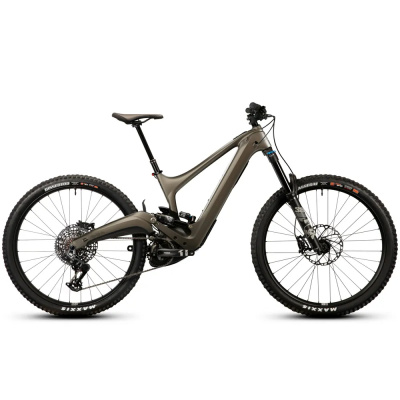
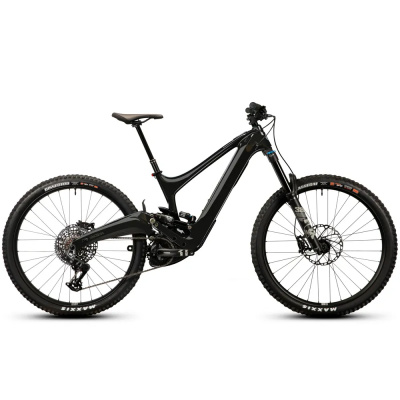
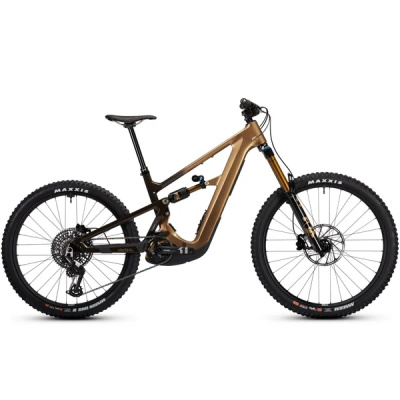
Ibis E-Bikes amount to one machine right now, and that focus tells you everything about the brand's intentions: the Oso is a carbon enduro e-MTB built with surgical precision rather than padded out into a range for range's sake. If you ride aggressively - steep tech, chunky roots, the kind of descents where a lesser bike starts making excuses - this is where Ibis has planted its flag. The Oso pairs Dave Weagle's celebrated DW-Link suspension with a Bosch Performance Line CX motor, and the result is a bike that climbs with genuine traction rather than just raw power. What makes it stand apart from the crowd of carbon enduro e-MTBs is the detail underneath: size-specific geometry means a rider on a Small gets the same centred, balanced feel as someone on an XL, not a scaled-up compromise. Every frame size gets chainstay lengths and seat tube angles dialled to that size specifically. It's a considered approach in a market where many brands still ship every size with the same rear triangle. If you want a capable, premium Ibis electric mountain bike and you're willing to invest in something built to that standard, the Oso deserves serious attention.
Prices and availability can change quickly. Delivery charges are not always included in listed prices.
Final price, stock status and delivery terms are set by retailer. We may receive a commission on purchases made.
One Chassis, Multiple Builds: Making Sense of the Oso Range
Ibis keeps things straightforward. There's one Oso frame, and the differences between models come down to build kit. The GX build sits at the accessible end of the range, leaning on SRAM's reliable GX Eagle drivetrain - a solid workhorse that handles UK grime without drama. Step up to the XT build and you get Shimano's proven deore XT groupset, which many riders consider the reliability sweet spot for trail use. At the top sits the SRAM Transmission build, running the wireless, UDH-standard drivetrain that's become the benchmark for e-MTB drivetrains thanks to its shift-under-load capability and near-zero maintenance demands. Worth knowing: if you're comparing against something like Cube e-bikes or Cannondale e-bikes, those brands offer broader model families across travel figures and motor options. Ibis isn't doing that. The Oso runs 170mm of front travel and 155mm rear - numbers that push it firmly into enduro and aggressive trail use. This isn't a bike you buy for gentle XC loops. It's built for riders who want to point downhill with confidence and still motor back up without suffering.
How the DW-Link Works Harder on an E-Bike
The DW-Link suspension has been around long enough that its credentials on analogue bikes are well established. Adapting it for an e-MTB is a different problem. The extra mass and the instant torque delivery of the Bosch Performance Line CX motor - 85Nm, which is a significant shove - can overwhelm suspension designs that weren't built with those forces in mind. Ibis tuned the Oso's DW-Link specifically around e-bike dynamics, dialling the anti-squat values to resist pedal bob when the motor is pushing hard on technical climbs. On rocky Peak District ascents where the Bosch is delivering full torque, the rear end stays composed rather than pumping up and down with every pedal stroke.
The motor integrates into the Bosch Smart System, which brings a cleaner cockpit, better Bluetooth connectivity, and compatibility with the brand's eMTB mode - a setting that scales assistance proportionally to your input, making the bike feel more intuitive on varied gradients. Battery size is matched to frame: Large and XL get the 750Wh pack, while Small and Medium run a 625Wh battery, keeping weight and geometry in check for shorter riders. The battery is removable, which matters if you're storing the bike in a flat or want to charge it separately.
The asymmetrical carbon swingarm is worth a mention. Because the motor and drivetrain create uneven lateral loads on the rear triangle, Ibis designed the swingarm with differing tube profiles on each side to compensate. It's the kind of engineering detail that doesn't make the spec sheet exciting but keeps the handling neutral when you're pushing hard through corners. Pair that with the size-specific chainstay lengths and seat tube angles, and the bike genuinely changes character by size rather than just scaling dimensions - longer stays on larger frames for stability, shorter on smaller frames for manoeuvrability. You also get wheel options worth exploring if you want to fine-tune the build further.
Running an Ibis Oso on UK Trails
The mullet question comes up a lot. Yes, Small and Medium Osos ship as dedicated mixed-wheel bikes - 29-inch front, 27.5-inch rear. Large and XL run full 29er. This isn't a gimmick. The smaller rear wheel tightens the geometry on compact frames, which helps shorter riders manoeuvre in tight woodland singletrack without feeling like they're wrestling a shopping trolley. On twisty UK trail centre routes, the mullet configuration genuinely improves cornering clearance. Bigger riders on 29/29 get the rollover and stability benefits of the larger wheel at both ends.
Bearing maintenance is something to stay on top of. The Oso's upper linkage design - part of what makes the DW-Link work so well - sits in a position that catches mud and grit on filthy Welsh winter rides. That's not unique to Ibis, but the specific placement here means you want to check and regrease those bearings more regularly than you might on a more conventionally laid-out pivot design. Strip them after a particularly grim session rather than waiting for the squeak. It takes twenty minutes and saves you a much bigger job later.
In the Tweed Valley, where the tech is steep and braking traction is everything, the DW-Link's active braking behaviour keeps the rear wheel planted mid-corner under hard braking loads - the kind of condition where bikes with less carefully tuned suspension start skipping wide. That's a genuine functional advantage, not marketing copy. For riders comparing the Oso against the broader Ibis mountain bike range, the step up in motor assistance makes a meaningful difference on long days with significant climbing, particularly on exposed moorland routes where you'd otherwise be grinding.
Weight sits around 24kg depending on build - competitive for a full-power, long-travel carbon enduro e-MTB, though you'll still notice it if you have to hoist it over a gate. It's not a light bike, and anyone telling you otherwise is rounding aggressively. Plan your routes accordingly and you won't have a problem.
If you're considering alternatives, Cannondale's e-bike range and Cube's e-MTB lineup both offer broader options at varying price points, including trail-focused bikes with less aggressive geometry. The Oso is deliberately narrow in its focus - if you want something more versatile, those alternatives are worth a look. But if aggressive enduro riding is your priority and you want a carbon chassis built with genuine engineering rigour, the Oso sits in a short list.
Ibis E-Bikes FAQs
Is the Ibis Oso a mullet bike?
Small and Medium Osos are dedicated mullet setups - 29-inch front wheel, 27.5-inch rear - which tightens the handling on compact frames and suits tight trail riding. Large and XL frames run full 29er wheels out of the box.
What motor does the Ibis Oso use?
The Oso runs the Bosch Performance Line CX motor, producing 85Nm of torque. It's paired with a 750Wh battery on Large and XL frames, and a 625Wh battery on Small and Medium. All sizes use the Bosch Smart System for connectivity and tuning.
How much does the Ibis Oso weigh?
Expect around 24kg (53 lbs) depending on frame size and build kit. That's a competitive figure for a full-power carbon enduro e-MTB with 170mm of front travel, though it's not a light bike by any stretch.