
Hump Jackets
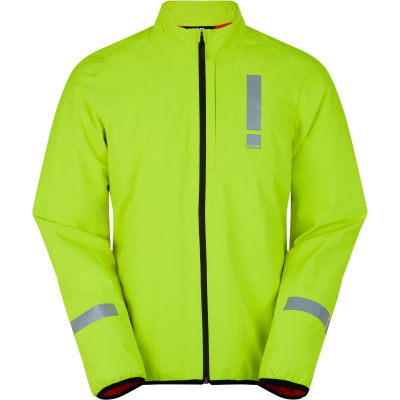
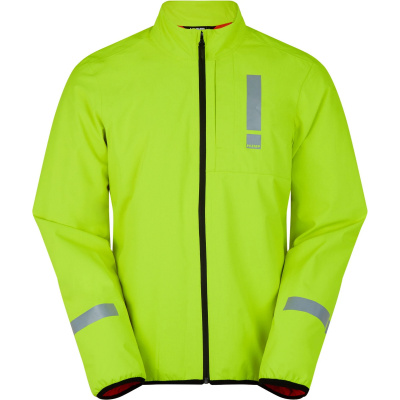
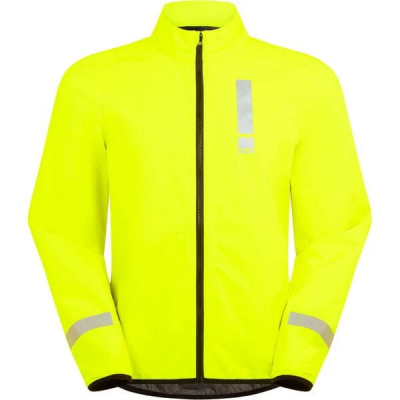
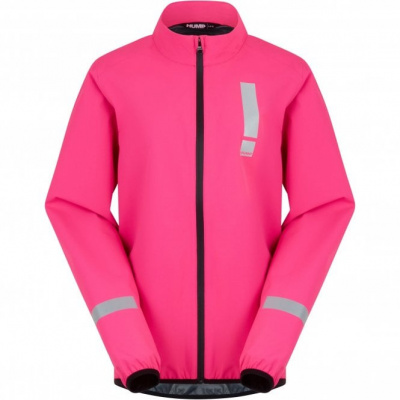
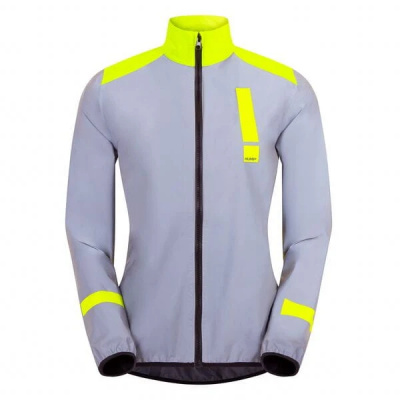
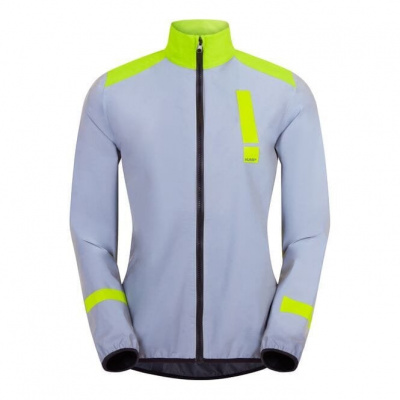
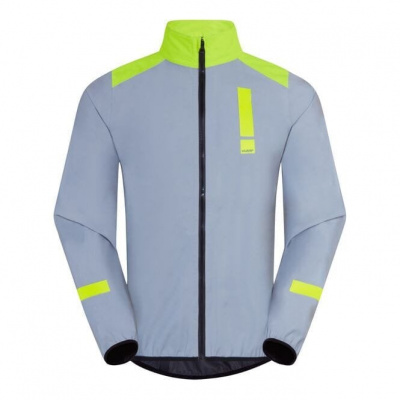
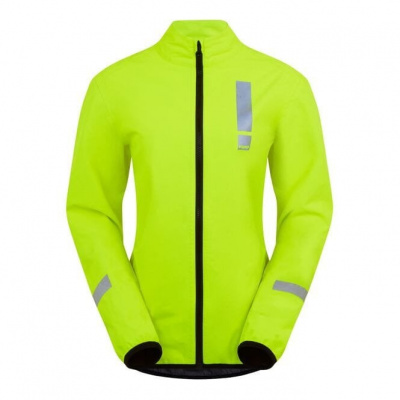
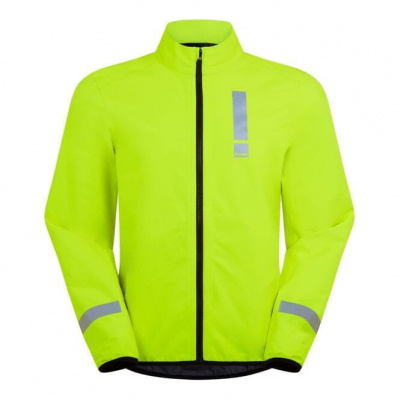
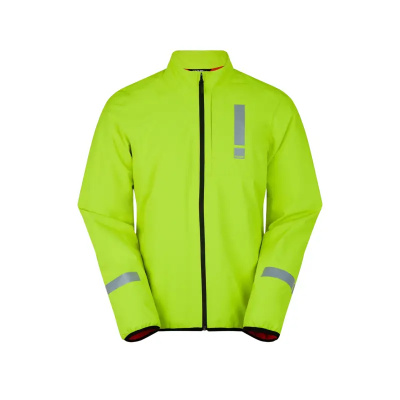
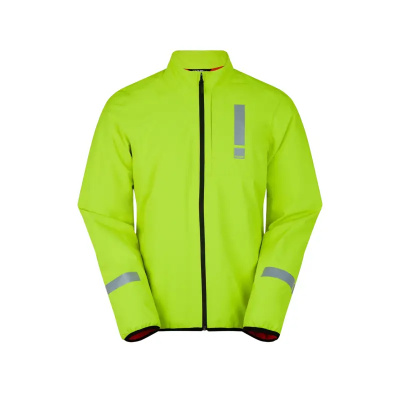
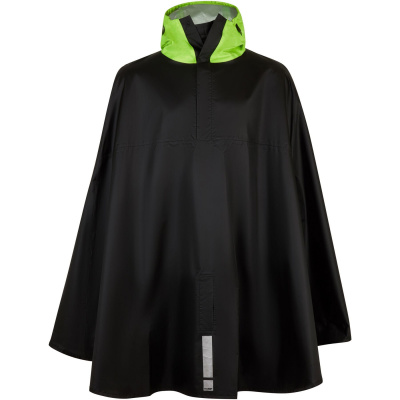
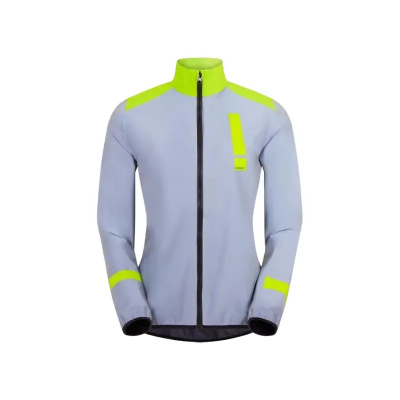
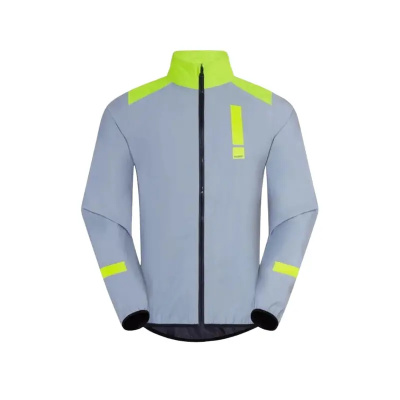
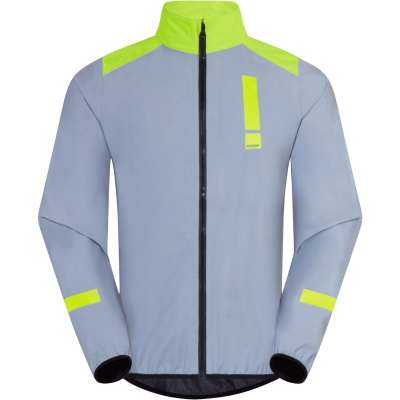
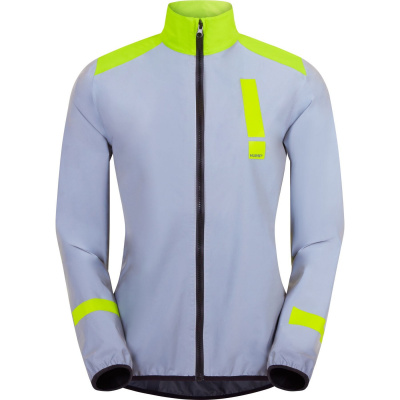
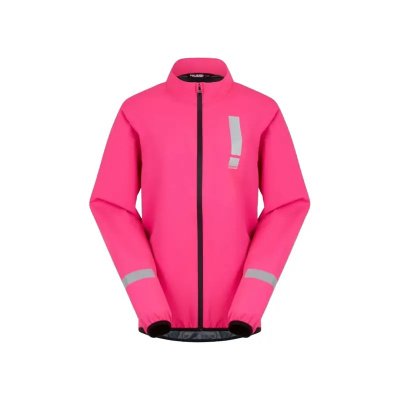
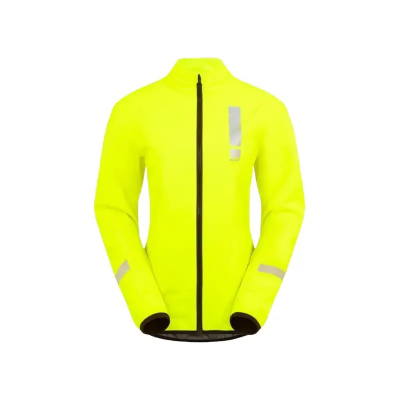
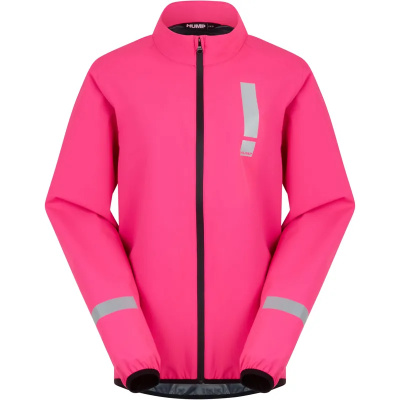
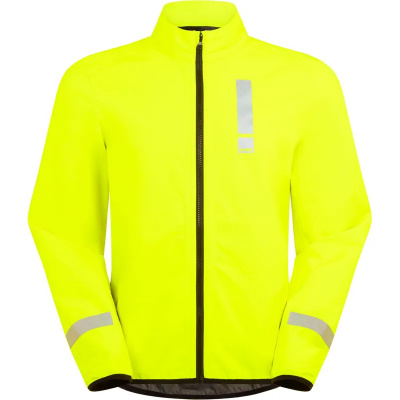
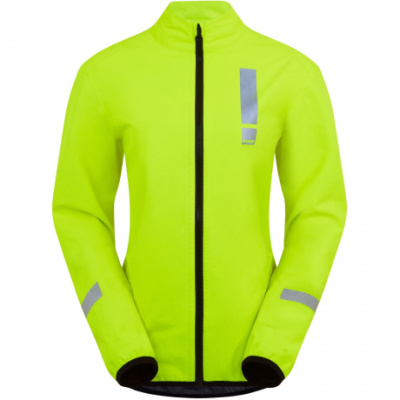
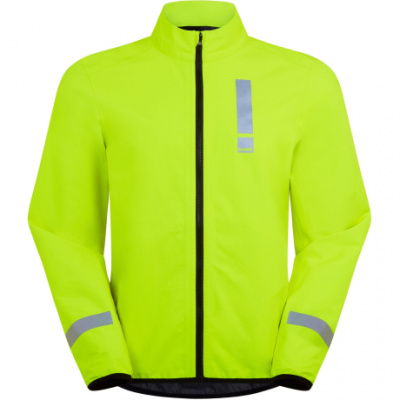
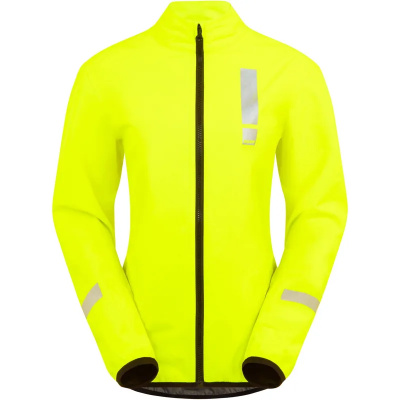
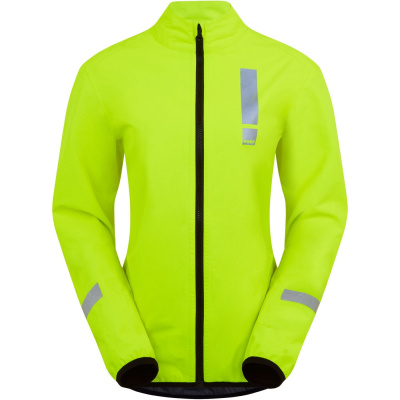
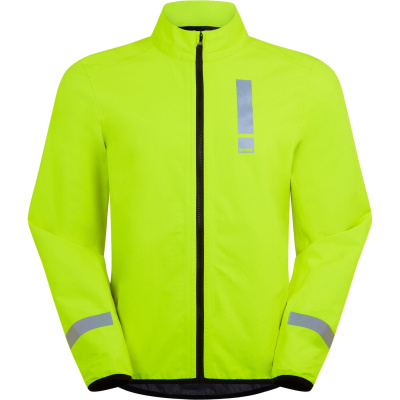
Hump cycling jackets are built around two things that matter most on the daily commute: staying dry and being seen. That sounds simple enough, but getting both right in the same jacket is harder than it looks. Hump leans hard into reflective detailing - we're talking bold chevron prints and 360-degree coverage that catches headlights properly, not just token piping along a hem. Pair that with fully waterproof fabrics and taped seams, and you've got a jacket that takes a January soaking without flinching.
The fit is relaxed and deliberately so. These aren't aero road jackets trying to do a commuter's job - they're cut to layer over a hoodie, a thermal mid-layer, or whatever you grabbed off the chair that morning. A drop tail keeps road spray off your lower back, adjustable cuffs seal out the wind, and mesh venting panels give you somewhere for the heat to go when the rain stops and you're still pedalling hard. Breathability is the part that often gets overlooked on waterproof jackets, and Hump addresses it with mechanical venting rather than relying purely on fabric alone. Worth knowing if you've ever arrived at work looking like you've been in a sauna.
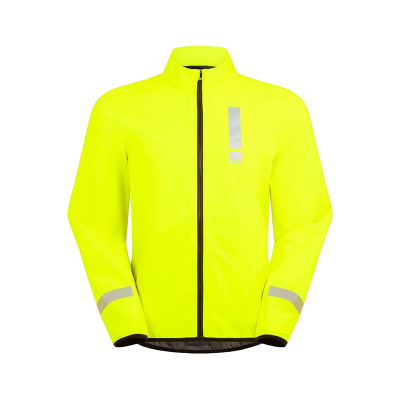
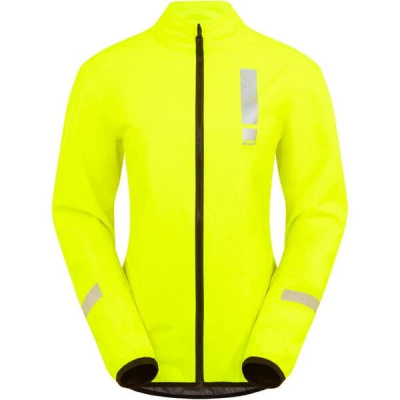
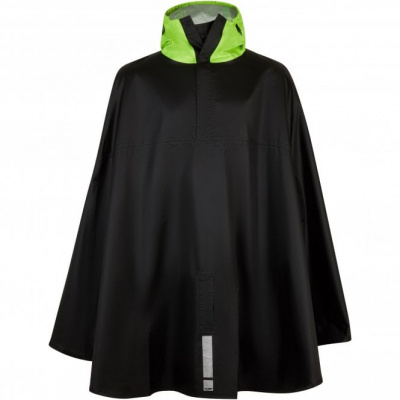
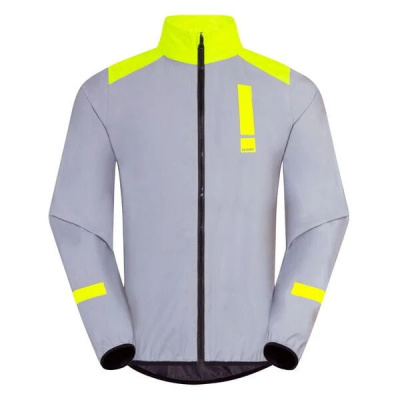
Prices and availability can change quickly. Delivery charges are not always included in listed prices.
Final price, stock status and delivery terms are set by retailer. We may receive a commission on purchases made.
Fabric Tech and Weather Performance
Most Hump jackets are built on fully waterproof fabrics with taped seams - the seams being the detail that actually separates a proper waterproof from something that'll soak through at the shoulders after twenty minutes in heavy rain. Taped seams block water at every stitch line, so the jacket performs as a sealed unit rather than relying on the outer face fabric alone. Add a DWR (Durable Water Repellent) coating to the exterior and water beads and rolls off rather than saturating the fabric and adding weight.
Worth being clear on one trade-off, though: DWR coatings do degrade over time with washing and UV exposure. When the fabric starts to wet out - meaning water soaks in rather than beading - it doesn't mean the jacket has stopped being waterproof, it means the outer coating needs refreshing. A cycle-specific DWR re-proofer spray sorts it quickly. Always check the spec on lighter packable models too, as some prioritise wind resistance and water repellency over full waterproofing - useful on dry, bitter mornings but not what you want if you're regularly riding through proper downpours.
Breathability is where Hump takes a practical rather than purely technical approach. Rather than depending on a high-spec breathable membrane (which adds cost and can still struggle in humid British drizzle), several Hump jackets use pit zips and rear mesh venting panels to shift warm air mechanically. It works well for commuters who go from stationary traffic to grinding uphill. Open the vents on the climb, close them on the descent. You're in control of your own microclimate, which is more reliable than hoping a membrane will keep pace with your output.
Understanding the Hump Fit and Range
The commuter fit is the foundation of the entire Hump range. Where a road-specific jacket is cut close to reduce drag, Hump jackets are shaped for someone sitting upright on a flat-bar bike, probably wearing normal clothes underneath. That means more room across the chest and shoulders, a longer front hem, and - most importantly - a dropped rear tail. Ride in a standard jacket on a wet day and your lower back is the first thing to get soaked by spray off the rear wheel. The drop tail eliminates that, which sounds minor until the first time it saves you from arriving at work cold and wet from the waist down.
Adjustable cuffs are standard across the range and worth using properly. A cuff that's too loose lets cold air funnel up your sleeve on faster descents - tighten them before you set off. The relaxed fit also means these jackets layer well. A lightweight thermal base layer plus a Hump waterproof jacket covers most of the UK winter commuting calendar without feeling restricted or bunched at the shoulders.
If you want protection from wind and light rain without full sleeve coverage, looking at a sleeveless option is worth considering. Explore our dedicated range of Hump Gilets for packable, high-vis wind protection. They're particularly useful as a second layer on unpredictable days when you're not sure what the afternoon will bring.
For alternative takes on commuter waterproofing, Altura jackets sit in similar territory with their own take on reflective commuter builds, and Endura jackets offer a broader range that spans commuting through to longer road miles if you occasionally ride beyond the city limits.
Layering and Care for UK Riding
A Hump waterproof jacket works hardest when you layer it correctly underneath. For most of the UK autumn and winter commuting season, a wicking base layer plus the jacket is enough on dry-cold days. Drop the temperature further or add sustained rain and a lightweight thermal mid-layer in between gives you meaningful extra warmth without bulk. What you want to avoid is a thick fleecy hoodie directly under a fitted waterproof - it restricts movement and traps moisture. Go thinner and technical underneath, and let the jacket do the heavy lifting on the outside.
Completing the kit with Hump gloves makes a real difference on cold wet commutes - waterproof hands are easy to overlook until your fingers are too cold to work the brakes properly. If you're carrying kit rather than using a pannier rack, Hump rucksacks are designed to sit well with their jackets, and if you do run a rack, Hump pannier bags are the obvious partner for the commute.
Washing these jackets correctly matters more than most riders realise. The DWR coating and the reflective prints both degrade if you treat the jacket like a standard item. Wash at 30 degrees using a specialist tech-wash or a non-biological detergent - no fabric softener under any circumstances. Softener coats the fibres and actively destroys the DWR layer, so the jacket stops shedding water properly. It also dulls the reflective prints over time, which defeats the point of a high visibility cycling jacket.
Don't tumble dry. The heat can melt or delaminate the seam tape, which is the part doing the real waterproofing work. Hang it up and let it dry naturally, then re-proof with a spray if you notice the outer fabric wetting out. A bit of care goes a long way - a well-maintained Hump waterproof cycling jacket should last several years of regular commuting.
Hump Jackets FAQs
Are Hump cycling jackets fully waterproof?
Most Hump commuter jackets are fully waterproof, with taped seams and DWR coatings that hold up in heavy rain. That said, some lighter packable models are built primarily as windproofs with water resistance rather than full waterproofing, so it's worth checking the specific model's spec before you buy.
How do Hump jackets fit for commuting?
Hump jackets use a relaxed, commuter-specific cut with room to layer over everyday clothing or thick winter base layers - not a snug aero fit. A dropped rear tail adds practical protection from road spray when you're riding in a more upright position, which makes a real difference on wet roads.
How do I wash a high-vis waterproof cycling jacket?
Wash at 30 degrees with a specialist tech-wash or non-biological detergent - no fabric softener, which wrecks the DWR coating. Don't tumble dry either, as the heat can damage the seam tape; hang it to dry naturally and re-proof the outer fabric with a DWR spray when you notice water soaking in rather than beading off.